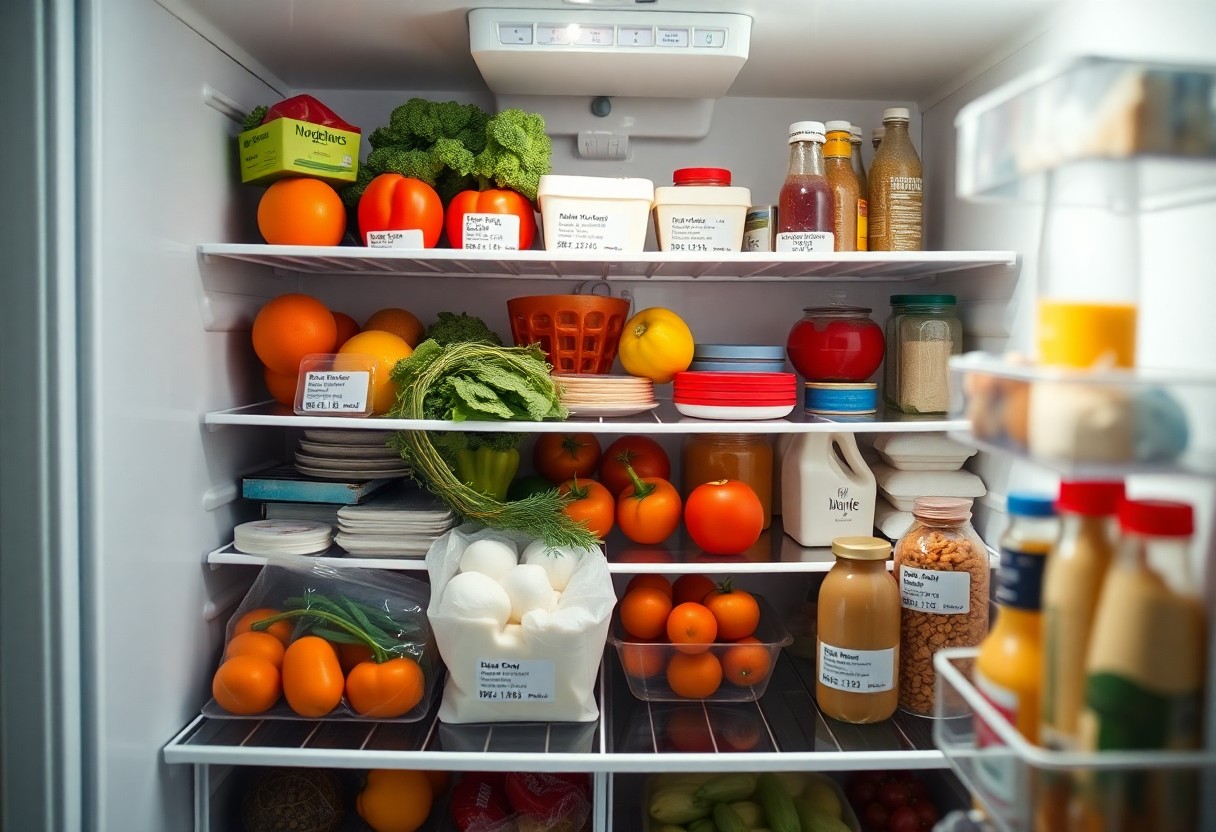
Most people underestimate how long different foods can safely last in your fridge, leading to potential health risks and wasted money. It’s vital to know the true shelf life of perishables to keep your meals safe and fresh. You might be surprised by the findings regarding items like dairy, meats, and vegetables, which can often last longer than their labeled dates. For detailed insights, check out this comprehensive guide on How Long Does Food Last in the Fridge? [Chart].
Key Takeaways:
- Many foods can last longer than commonly believed; for example, eggs can remain fresh for three to five weeks beyond the sell-by date.
- Certain leftovers, like cooked meats, can be safely consumed within three to four days when stored properly.
- Fruits and vegetables have varying shelf lives; for instance, berries typically last only about one week, while carrots can stay fresh for several weeks if stored correctly.
The Shelf Life Myths: Debunking Common Misconceptions
The prevalent belief that expiration dates are definitive indicators of a food’s safety has led to widespread confusion and waste. Many assume that once a product hits its expiration date, it’s no longer edible. However, this isn’t entirely accurate; regulations around date labeling often vary by type and brand, meaning that some foods may still be perfectly safe and good to consume well beyond these dates.
The Reality of Expiration Dates
Expiration dates, or “best by” dates, serve primarily as guidelines for peak quality rather than safety. For instance, while dry goods like pasta and rice can remain safe for years past their printed date, others, like dairy or meats, require more careful consideration. This variance indicates that evaluating food based on smell, texture, and appearance is often more reliable.
Foods That Are Safer Longer Than You Think
Several common items in your fridge can last well beyond their labeled dates without compromising safety. Eggs, properly stored, can last 3 to 5 weeks past the sell-by date, while hard cheeses can be safe for several months if kept wrapped correctly. Furthermore, frozen vegetables and fruits will maintain their safety and quality for up to 8 to 12 months, making them excellent staples.
Many people underestimate the longevity of certain staples like honey, which can last indefinitely due to its natural properties, or pickled vegetables, which can survive for years due to their brine. Store canned goods in a cool, dry place, and they can remain consumable for five years or more. These examples illustrate that your fridge may house more foods that are actually safe and usable than you realize, helping you to save money and reduce waste.
Timeframes Unraveled: How Long Food Truly Lasts
Understanding the longevity of various foods can help reduce waste and ensure safety. Most foods have expiration dates that suggest how long they can last, but 10 Surprising Foods You Should Be Refrigerating may help you rethink what deserves a spot in your fridge. Generally, perishable items like dairy, meats, and seafood require stricter timeframes, while others can last longer than expected if stored correctly.
Dairy Products: Changing Expectations
Dairy products typically have a shorter shelf life than consumers anticipate. Milk can last about 5-7 days beyond its sell-by date if constantly refrigerated, while yogurt may remain good for 1-3 weeks past the date. Hard cheeses can often be consumed several weeks past their expiration, as long as they are properly sealed and show no signs of mold.
Vegetables and Fruits: The Freshness Factor
Fresh produce can be surprisingly resilient. Most vegetables, if stored in the crisper drawer, can last anywhere from 3 days to 2 weeks, depending on the type. Leafy greens tend to wilt quicker, whereas root vegetables can last much longer, sometimes extending to a month if kept cool and dry.
To maximize the freshness of vegetables and fruits, keep them separate as certain fruits emit ethylene gas, which can accelerate spoilage in vegetables. Store leafy greens in perforated bags for added airflow, and consider washing them only before consumption to reduce moisture buildup. Factors like temperature, humidity, and light play critical roles in determining how long your produce will last.
Meats and Seafood: A Delicate Balance
Meats and seafood demand careful attention to storage times. Raw poultry, for instance, should be consumed within 1-2 days of refrigeration, while beef and pork can last around 3-5 days. Fish has a much shorter window at roughly 1-2 days if fresh. Always check for off odors or discoloration as indicators of spoilage.
Freezing your meats and seafood is an effective way to extend their lifespan significantly. While fresh meat may only last days in the fridge, freezing can keep them safe for months. Safe handling practices are crucial to avoid cross-contamination; always store meat on the bottom shelf to prevent drips onto other foods, ensuring a balanced and safe fridge environment.
The Fridge Science: Factors That Impact Food Longevity
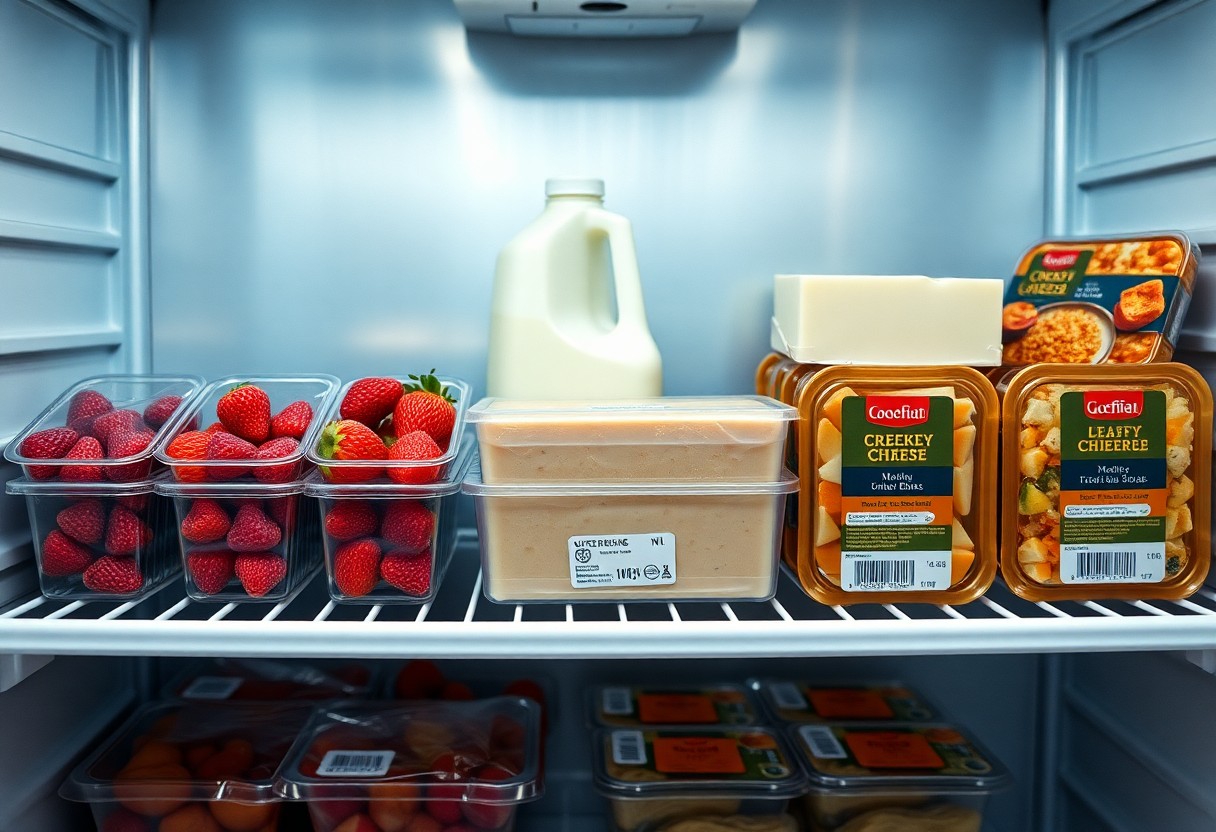
Multiple factors contribute to how long food lasts in your fridge. These include humidity levels, exposure to light, and airflow, all of which affect the preservation of your perishables. Understanding these aspects can help you maximize your food’s shelf life and minimize waste. Temperature plays a vital role, influencing the growth of bacteria and enzymes. You should also consider packaging methods that can either protect or compromise food freshness. Any shifts in these factors can lead to drastic reductions in food longevity.
Temperature Matters: The Optimal Conditions
| Food Type | Optimal Temperature (°F) |
| Dairy | 32-40 |
| Meat | 30-32 |
| Fruits | 34-40 |
| Vegetables | 32-36 |
Packaging and Storage Solutions: Keeping Freshness In
Effective packaging and storage techniques can significantly prolong the life of your food. Utilizing airtight containers, wrapping items in plastic wrap, or using vacuum sealers reduces exposure to oxygen and moisture, both of which contribute to spoilage. Additionally, some foods like cheeses benefit from being stored in parchment paper instead of plastic to prevent sweating and mold growth. Proper labeling with dates can also help manage your fridge space more efficiently, reducing waste. Any strategy that incorporates these techniques will keep your items fresh longer.
Transforming Your Waste: Creative Ways to Extend Food Life
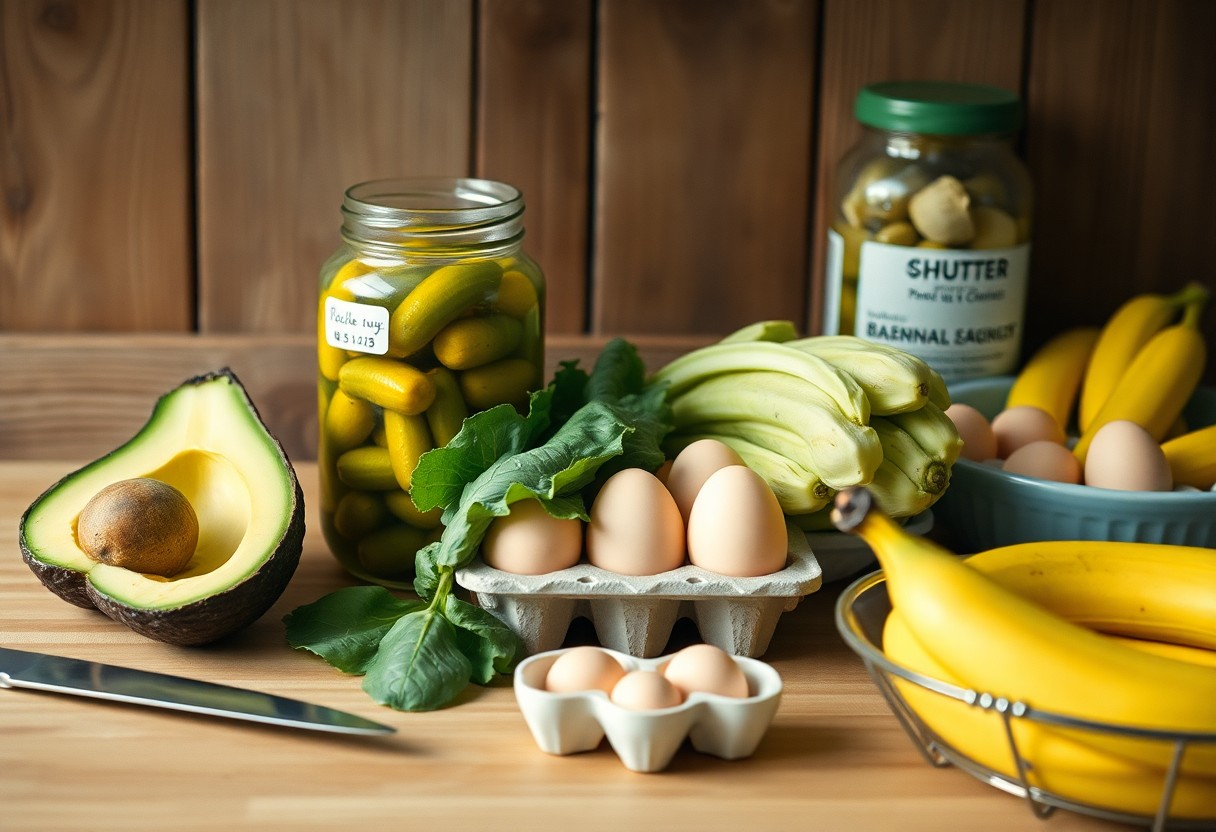
Finding innovative methods to extend the life of your food not only reduces waste but also enhances your culinary repertoire. You can turn near-expiry items into flavorful components by embracing techniques like preservation and repurposing. Piecing together remnants of vegetables into a hearty soup or baking stale bread into croutons allows you to minimize waste while maximizing flavor. These approaches can also be a fun way to engage your creativity in the kitchen, ultimately leading to impressive meals that are sustainable and budget-friendly.
Preserving Techniques: Pickling, Freezing, and More
Pickling, freezing, and fermenting are excellent ways to prolong the shelf life of many foods. Pickling can add zest to cucumbers, carrots, or onions, infusing them with bold flavors while extending their usability for months. Freezing fruits and vegetables at their peak freshness locks in nutrients, allowing you to enjoy them long after their prime. Incorporating fermentation can transform your surplus produce into tangy delights like kimchi or sauerkraut, providing not just longevity, but a probiotic boost to your diet.
Creative Recipes for Near-Expiry Ingredients
Using near-expiry ingredients in creative recipes can rescue them from the trash. Incorporate wilted greens into a savory pesto, blending them with nuts, garlic, and olive oil for a flavorful sauce. Combine overripe bananas with oats and baking powder for quick pancakes or muffins that mask their previous state of decline. Additionally, a vegetable stir-fry allows you to toss in any aging produce, ensuring it doesn’t go to waste while delivering a nutritious and satisfying meal.
Creative recipes for near-expiry ingredients require minimal effort yet produce maximum results. For instance, transforming soft tomatoes and aging bell peppers into a comforting marinara sauce not only repurposes them but also adds a homemade touch to your dishes. Ditch the waste and embrace simplicity; a frittata enriched with leftover vegetables is not only a delightful breakfast option but also a quick dinner solution. Explore your pantry and fridge, and you’ll find endless opportunities to turn what might seem like trash into culinary treasure.
Food Safety and Beyond: Signs Your Food Has Gone Bad
Identifying when food has spoiled is imperative for maintaining your health. Various indicators, such as changes in color, texture, or smell, can signal that food is no longer safe to consume. Always trust your instincts; if something seems off, it’s better to err on the side of caution and discard it rather than risk foodborne illness.
Visual and Olfactory Cues: When to Toss
Look for discoloration, such as mold on bread, or a slimy surface on meats that indicates microbial growth. Off odors—like a sour smell from dairy or a rotten scent from vegetables—are also strong signs. If your food has changed significantly from its original appearance or aroma, it’s time to toss it out.
Understanding Foodborne Risks: Safety First
Many foods can harbor harmful bacteria even before they show visible signs of spoilage. Salmonella in poultry, E. coli in vegetables, and Listeria in deli meats pose significant health risks. These pathogens can multiply rapidly, especially in the danger zone between 40°F and 140°F. Ensuring you handle and store food correctly is vital for preventing illness.
Cooking food to safe temperatures is imperative to kill potential pathogens, with poultry needing to reach 165°F and ground meats at least 160°F. Keeping your fridge at or below 40°F can slow bacterial growth significantly, reducing the risk of foodborne illness. Pay attention to ‘use by’ dates, and be aware that foods like cooked rice or beans should be consumed within three to four days if stored in the refrigerator. Regularly check your fridge to ensure everything is as fresh as possible.
Summing up
Conclusively, understanding how long different foods last in your fridge can significantly impact your meal planning and food safety. By being aware of the shelf life of various items, you can make informed decisions that reduce waste and ensure you consume fresh, safe food. Regularly check expiration dates, store items properly, and rotate your groceries to maximize your fridge’s efficiency. This knowledge empowers you to maintain a healthier kitchen, saving both time and money while enhancing your overall dining experience.
FAQ
Q: How long do fresh vegetables last in the fridge?
A: Fresh vegetables typically last about 3 to 7 days in the fridge, depending on the type. Leafy greens usually last around 5-7 days, while harder vegetables like carrots can stay fresh for 1-2 weeks.
Q: What is the shelf life of dairy products in the fridge?
A: Dairy products like milk last about 1 week after the sell-by date if properly stored. Yogurt can last up to 3 weeks, while hard cheeses can remain good for 3-4 weeks if wrapped tightly.
Q: How long can leftovers be safely stored in the fridge?
A: Leftovers can typically be stored in the fridge for 3 to 4 days. It’s best to ensure they are in airtight containers to maintain freshness.
Q: What is the lifespan of raw meat and poultry in the fridge?
A: Raw meat and poultry generally last 1-2 days in the fridge. Ground meat should be cooked or frozen within a day, while whole cuts can last a bit longer.
Q: How long do eggs last in the fridge?
A: Eggs can last about 3-5 weeks in the fridge, typically remaining safe to eat as long as they are kept in their original carton and stored in a consistent cool environment.