
Most shared refrigerators become chaotic quickly, leading to food waste, confusion, and frustration among roommates or family members. To maintain a harmonious fridge, you need to implement a system that allows clear labeling, regular purging, and designated zones for each person’s items. This guide will equip you with effective strategies to keep your shared fridge organized, ensuring that everyone’s food is accessible and minimizing conflicts over space and expiration dates.
Key Takeaways:
- Label individual items and shelves to indicate ownership and avoid confusion.
- Implement a regular cleaning schedule to remove expired items and maintain order.
- Establish clear guidelines for sharing and storing personal food items to prevent clutter.
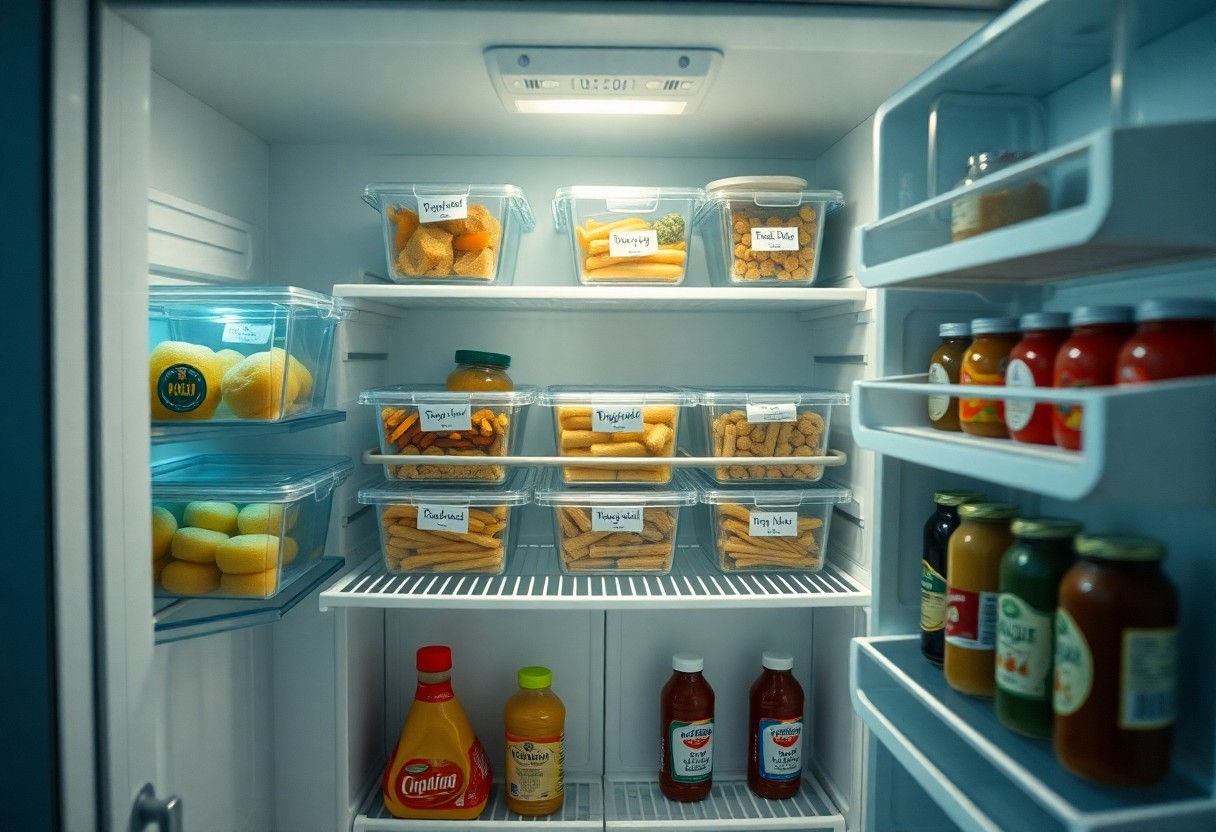
The Case for a Cooperative Fridge
Operating a cooperative fridge allows everyone access to perishable items while fostering a sense of community. This approach minimizes food waste and promotes sharing, creating a more sustainable way of living. By working together, you can establish rules and systems that make organization effortless, all while enjoying diverse foods that might not be your own. Cooperation strengthens relationships and encourages responsibility among users, transforming a simple appliance into a hub of collaboration.
The Benefits of Shared Refrigeration
Shared refrigeration significantly reduces individual food waste by pooling resources. Not only does this lead to cost savings, but it also provides you with a variety of food options without overstocking your personal space. Moreover, you gain the chance to try new dishes from different cultures, enriching your culinary experience. With a well-organized shared fridge, preparing meals becomes easier and more enjoyable, especially during busy times.
Common Pitfalls of Disorganization
Disorganization can quickly derail the benefits of a shared fridge, leading to confusion, expired items, and unused food. When shelves are cluttered, finding your belongings becomes a challenge, fostering frustration among users. A lack of clear labeling and guidelines creates misunderstandings about ownership, inciting disputes that can sour relationships. Furthermore, neglecting regular cleaning contributes to unpleasant odors and bacterial growth, putting everyone at risk of foodborne illness.
Ignoring the need for organization often results in a chaotic environment where multiple people lose track of their food. Expired items not only take up valuable space but can also contaminate other products, risking safety. You may find yourself having to sort through a disarray of unlabeled containers, leading to wasted time and potential disagreements over ownership. With a shared fridge, every user should invest effort into maintaining order to avoid these pitfalls, keeping it a resource rather than a burden.
Designing a User-Friendly Layout
Creating a functional refrigerator layout simplifies access and minimizes chaos. Prioritize visibility by storing frequently used items at eye level and less common ones at the bottom or back. Utilize clear containers for similar items, making it easier for everyone to find and return items promptly, enhancing overall efficiency.
Defining Zones: What Goes Where
Establishing specific zones helps streamline organization. Allocate areas for dairy, meats, fruits, veggies, and condiments. This clarity reduces the likelihood of cross-contamination and makes it simple for all users to locate and store items, ensuring everyone adheres to the layout effectively.
Creative Solutions for Maximizing Space
Utilizing creative storage solutions can significantly enhance your refrigerator’s capacity. Stackable bins, magnetic spice jars, and tiered shelving increase vertical space, while clear organizers can help separate categories. These methods not only optimize available space but also facilitate easy access and maintenance.
For effective space maximization, consider using stackable bins to create a multi-layered system for smaller items, allowing you to use vertical space efficiently. Installing magnetic strips on the refrigerator door for lightweight items like herbs or spices keeps them accessible without taking up shelf space. Additionally, integrating under-shelf baskets can hold condiments or small jars, further decluttering your main shelves while ensuring all items are neatly organized and visible. Adopting these creative strategies not only enhances functionality but also contributes to a harmonious kitchen environment.
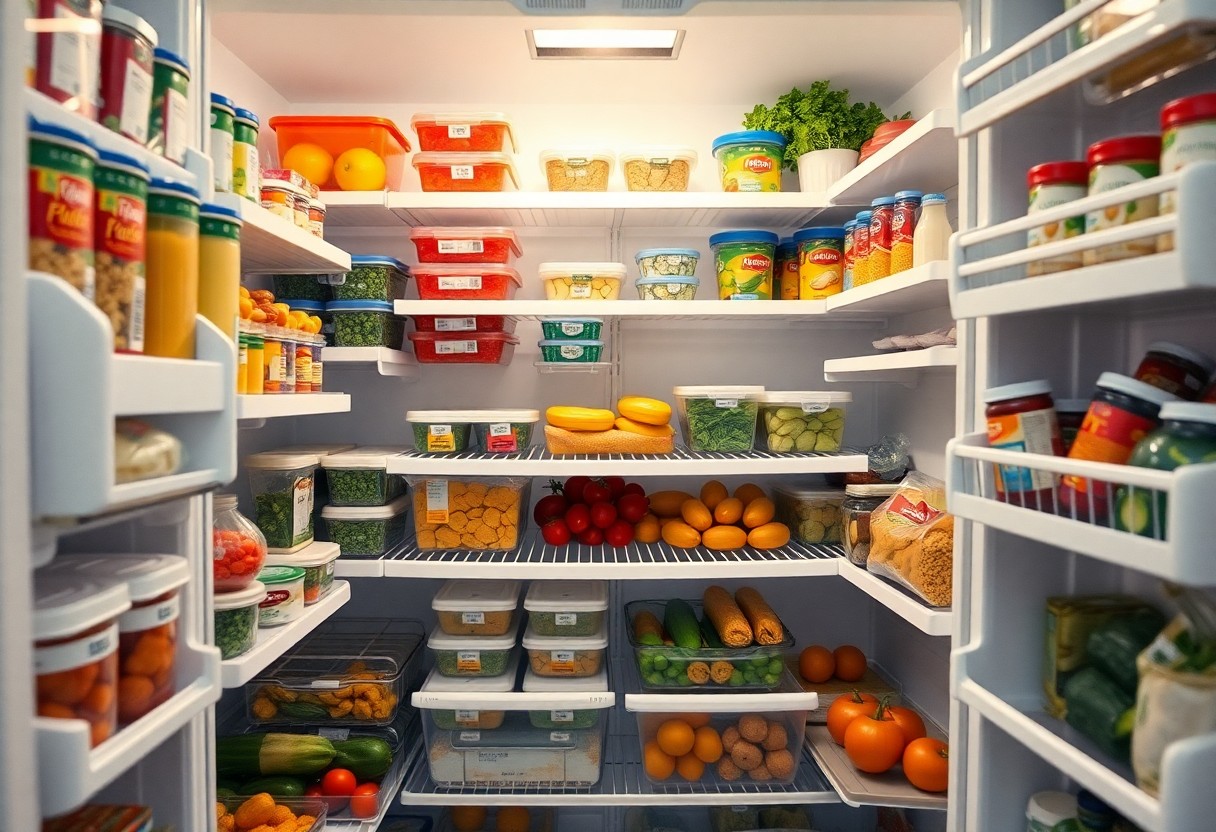
Clear Communication: The Key to Harmony
Effective communication among shared refrigerator users dramatically reduces conflicts. Establishing clear expectations about food ownership, expiration dates, and space usage fosters a cooperative environment. Regular discussions about any changes or rules can prevent misunderstandings and contribute to a more organized fridge. Each member should feel encouraged to voice concerns or suggest adjustments, ensuring that everyone is on the same page regarding shared responsibilities and respecting each other’s space.
Establishing a Shared Labeling System
A simple yet effective labeling system eliminates confusion over food ownership. Use clear, concise labels on all items with your name and the date of purchase or expiration. Color-coded labels can further enhance this system, allowing quick identification of items belonging to different individuals. This promotes accountability and helps reduce food waste by ensuring everyone is aware of what belongs to whom.
Implementing a Check-In and Check-Out Process
A check-in and check-out process makes managing shared items more straightforward. Each time someone adds or removes food from the fridge, they should promptly update a shared log, detailing what was taken or added and the corresponding date. This practice not only tracks inventory but also provides transparency. You can use a digital shared document or a simple whiteboard on the fridge to keep this log visible and accessible for everyone.
Regularly updating the check-in and check-out log creates a sense of shared responsibility, allowing you to keep track of food items easily. This practice also minimizes the chance of items being forgotten or overlooked, ensuring that all members know what is available. Consider scheduling a weekly review of the log to address any discrepancies or discuss food management—this helps maintain harmony and encourages everyone to participate actively in the organization process.
Maintaining Order: Strategies for Accountability
Holding each other accountable is vital for a harmonious shared refrigerator experience. Establishing guidelines for use and checking in regularly can promote a sense of responsibility. Ensure everyone is on the same page regarding food ownership, storage practices, and cleaning duties to prevent misunderstandings and foster cooperation.
Regular Cleaning Routines
Implementing a consistent cleaning schedule helps maintain cleanliness and organization. Assign specific days for each user to clean their sections, rotate responsibilities weekly, or create a communal cleaning day. Frequent inspection reduces the buildup of expired items and keeps the refrigerator inviting for all users.
Setting Up Expiration Date Reminders
To avoid wasting food and precious space, establish a reminder system for expiration dates. Consider using a shared digital calendar or setting physical reminders on the refrigerator door to alert users when items are nearing their sell-by dates, helping you know when to consume or discard products.
Create an easy tracking system by designating a specific area for items with upcoming expiration dates. Use colored stickers or labels to categorize products by how soon they expire, such as green for a week, yellow for three days, and red for one day left. This visual cue ensures awareness, reduces spoilage, and encourages proactive consumption, ultimately benefiting everyone in the household. Having all users involved in the tracking process creates a team effort, reinforcing the importance of accountability in maintaining a well-organized refrigerator.
Navigating Conflicts with Grace
Conflicts over shared refrigerator items can disrupt harmony and lead to frustration. Addressing issues promptly and effectively is key to maintaining a peaceful coexistence. Engage in open dialogue with your housemates, providing a safe space for everyone to express their concerns. Remaining calm and respectful, even during disagreements, fosters collaboration and encourages problem-solving instead of escalation.
Handling Disputes Over Shared Items
Disputes often arise over shared items, especially when labeling isn’t clear or items mysteriously disappear. To manage these situations, facilitate a discussion among the group to establish guidelines on shared versus personal items. Consider dedicating a section of the fridge for communal items, while ensuring everyone respects these boundaries. Open conversations bolster understanding and reduce resentment.
Mediation Techniques for Fridge Harmony
Incorporate mediation techniques to de-escalate tensions when conflicts arise. For instance, you can initiate a regular “fridge meeting,” where everyone can discuss any grievances about food or space without judgment, promoting transparency. Active listening, where each participant reflects on what they’ve heard, is an excellent tool for resolving misunderstandings and finding agreeable solutions. Encourage positive feedback to create a collaborative atmosphere.
Active listening not only addresses concerns but also builds trust among participants. By taking turns to share perspectives and feelings, you encourage empathy in the group. Bringing in neutral parties for mediation can also provide fresh viewpoints and solutions. For example, if someone is upset about persistent food theft, allowing an impartial group member to facilitate the discussion can help clarify motives and encourage responsibility. This method encourages participants to brainstorm practical yogurt-sharing strategies instead of fostering blame and division, leading to a more harmonious shared refrigerator experience.
To wrap up
Ultimately, organizing a shared refrigerator requires clear communication and designated areas for each person’s items. By labeling shelves and containers, establishing a cleaning schedule, and keeping an inventory of perishable items, you can create a harmonious and efficient space. Encouraging everyone to respect each other’s belongings and clean up after themselves will further reduce chaos. With these strategies in place, you can ensure that your shared refrigerator remains tidy and functional, fostering a cooperative living environment.
FAQ
Q: How can I prevent food from getting lost in a shared refrigerator?
A: Use clear containers for storage and label each one with the owner’s name and the date. Organize items by category (e.g., fruits, dairy, leftovers) to enhance visibility and access.
Q: What is the best way to deal with expired food in a shared refrigerator?
A: Set up a regular cleaning schedule where all users agree to check for and remove expired items. Establish a shared policy for documenting expiration dates on food packaging.
Q: How can I ensure everyone respects the space in a shared refrigerator?
A: Implement a system where each person has designated shelves or areas. Clear communication about personal space and boundaries can help maintain order.
Q: What should I do if someone takes my food without permission?
A: Address the issue directly with the person involved in a non-confrontational manner. Consider creating a communal agreement that outlines acceptable behaviors regarding shared food.
Q: How can I maintain cleanliness in a shared refrigerator?
A: Encourage all users to clean up spills immediately and regularly wipe down shelves. Designate a cleaning day for deep cleaning the refrigerator to keep it hygienic.