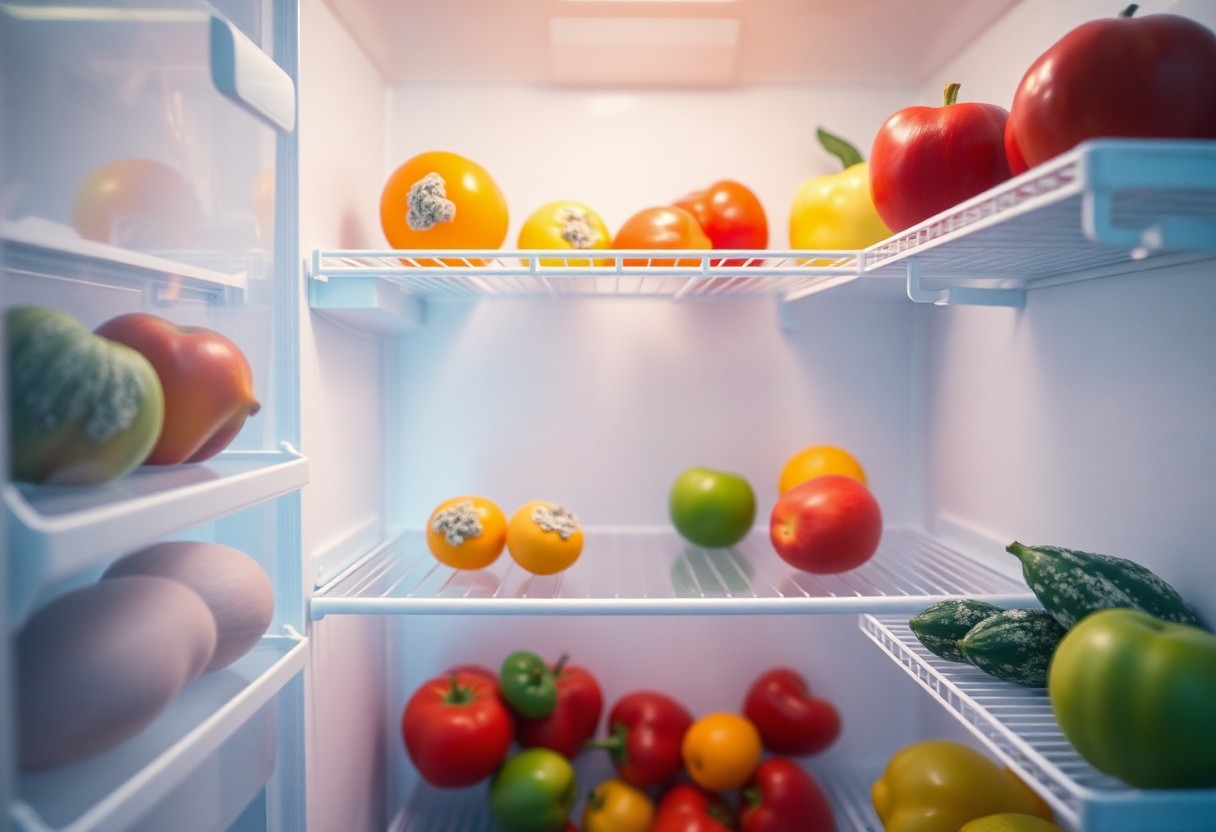
There’s a common misconception that a spotless fridge means it’s free from odors. Even when your fridge looks clean, hidden sources of smell can linger, affecting the freshness of your food and the air quality in your kitchen. It could be due to spoiled food tucked away in the back, stagnant water in the drip pan, or issues with your fridge’s sealing. Understanding the root causes of these odors will help you maintain a more pleasant environment and ensure your food remains safe to consume.
Key Takeaways:
- Hidden food particles or spills can produce odors even if the fridge appears clean.
- Bacteria and mold growth inside or around the refrigerator can contribute to unpleasant smells.
- Faulty seals on doors can lead to air infiltration, causing odors from outside or stale food inside.
The Culprits of Odor: Decomposing Food and Spills
Decomposing food and unnoticed spills can lead to unpleasant aromas wafting from your fridge, even if it seems tidy. Most often, the odors originate from items you might overlook, such as forgotten leftovers that have passed their prime or condensation that collects under shelves. These lingering scents can become a breeding ground for bacteria and mold, amplifying the issue.
Common offenders lurking in your fridge
Among the most frequent offenders are expired dairy products, fruit left to rot in the crisper, and meat that’s been stored too long. These items release strong odors as they decompose, creating an unpleasant environment. Even seemingly harmless ingredients, like sauces or condiments, can contribute if they’ve spilled or been left open for too long.
The role of expired products and hidden spills
Expired products and hidden spills are significant contributors to fridge odors. Even if you maintain a clean exterior, forgotten items can silently decompose in the back corners, while spills beneath shelves can fester, creating a breeding ground for bacteria.
Checking expiration dates should become a routine audit; products like dairy can emit particularly pungent odors once they spoil. Similarly, small spills may go unnoticed until they start to create a strong aroma, particularly if they come from items like fish or sauces. Regularly emptying your fridge, cleaning shelves, and inspecting your food items can mitigate these issues and keep your appliance smelling fresh.
The Role of Temperature and Humidity in Fridge Odors
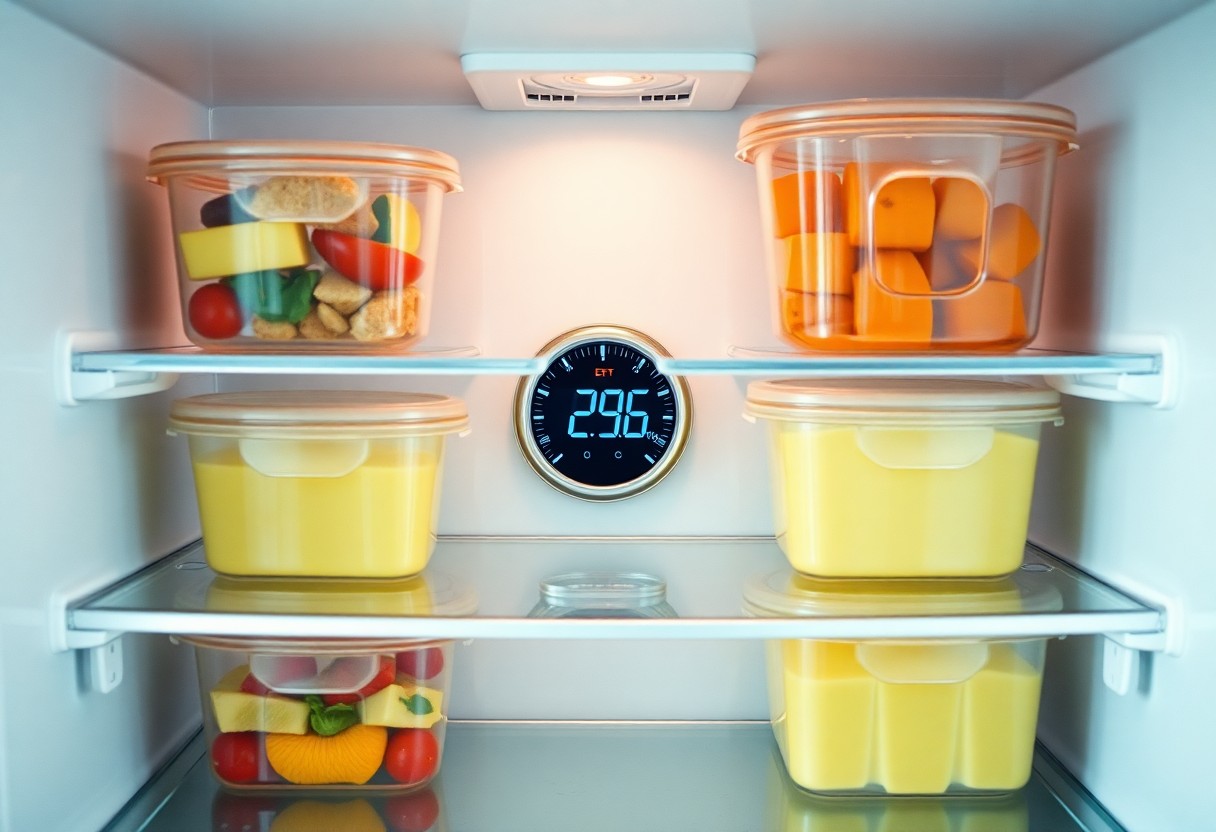
Your fridge’s temperature and humidity play significant roles in the management of odors. Maintaining an optimal temperature between 35°F and 38°F prevents food from spoiling, while proper humidity levels inhibit the growth of mold and bacteria. Fluctuations in either condition can create an environment where smells proliferate. Hence, understanding their influence is important in your quest to eliminate persistent fridge odors.
| Temperature Setting | Effect on Odors |
|---|---|
| Too High | Increased spoilage and odors |
| Too Low | Freezing food, leading to off smells |
How improper temperature settings exacerbate smells
Improper temperature settings can significantly worsen odors in your fridge. If the temperature is set too high, food can spoil quickly, releasing strong odors. Conversely, extremely low temperatures can cause freezer burn, resulting in undesirable smells emanating from frozen items. Therefore, regularly checking and adjusting your fridge’s temperature is important for odor management.
| Temperature Issue | Potential Odor Source |
|---|---|
| Warm Temperatures | Decomposing food emits strong smells |
| Cold Spots | Frozen fruits and vegetables spoil |
The impact of humidity on odor retention and growth of bacteria
Humidity levels in your fridge influence both odor retention and bacterial growth. High humidity can create a damp environment that promotes mold and bacteria, leading to lingering smells. Certain foods, such as fruits and vegetables, release moisture, further increasing humidity and exacerbating odor issues. Controlling humidity through proper storage methods, like using vented containers, can help mitigate these odors.
Moisture accumulates in high-humidity environments, causing bacteria and mold to thrive on perishable items, generating noxious odors. For instance, lettuce and cucumbers tend to release excess moisture, creating a breeding ground for microorganisms. Keeping your fridge’s humidity balanced is critical; consider using absorbent materials or airflow mechanisms to reduce dampness and maintain a fresher-smelling appliance. Regularly inspecting food items for spoilage also reduces odor retention and bacterial growth.
Unseen Residues: The Impact of Improper Cleaning
Residual food particles, spills, and bacteria can harbor scents that linger long after a surface appears clean. Often overlooked, these unseen residues can accumulate in hard-to-reach areas like gaskets, shelves, and the back of your fridge. Without thorough cleaning methods, the odors can re-emerge, making it seem as though your refrigerator is perpetually unclean.
Why traditional cleaning methods might fail
Traditional cleaning methods, such as using basic soap and water, often miss the hidden nooks and crannies where grime and bacteria settle. Surface-level cleaning leaves behind particles that can breed odor-causing microorganisms, undermining your efforts. Sanitizing sprays may not penetrate deeply enough, allowing residues to persist.
How to effectively eliminate lingering residues
To combat lingering residues, implement a more comprehensive cleaning strategy. Utilize a mixture of vinegar and baking soda, which effectively breaks down stubborn grime while neutralizing odors. Regularly remove shelves for a thorough wash, and don’t forget to clean the fridge’s interior surfaces, including doors and seals, to eliminate hidden residue.
To effectively eliminate lingering residues, start by removing all items from the fridge and disposing of expired food. Next, mix equal parts of water and white vinegar in a spray bottle for a natural cleaning solution. Spray the inside surfaces generously and let it sit for a few minutes to break down any stubborn residues. Follow up by scrubbing with a soft cloth and rinsing with clean water. For persistent odors, sprinkle baking soda on the shelves and leave it for a few hours before vacuuming it away. Regularly cleaning out spills and maintaining a routine can significantly reduce the chance of unpleasant odors returning.
The Microbial Micromunity: Bacteria and Mold in Your Fridge
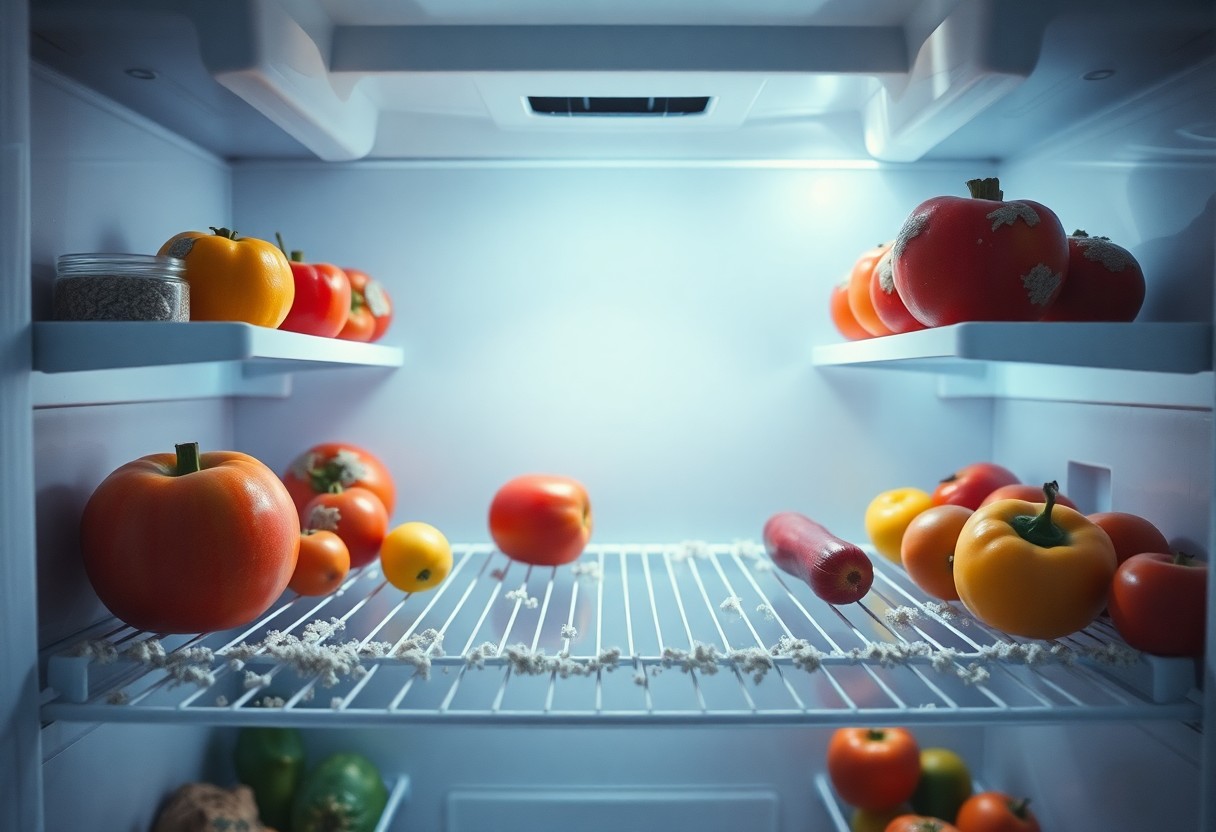
Even the cleanest-looking fridge can harbor a microbial community that leads to unpleasant smells. Bacteria and mold thrive in the suboptimal conditions created by food spills and moisture. Regular cleaning isn’t enough if you’re unaware of the different odors these microorganisms produce. For detailed strategies, check out 16 Best Ways to Rid Your Refrigerator of Smells.
Types of odors caused by microbial growth
| Bacterial odors | Often rancid and sour, emanating from spoiled foods. |
| Moldy smells | A damp, musty scent due to moisture accumulation. |
| Fermentation odors | Sharp and acrid, arising from decomposing fruits or vegetables. |
| Fishy smells | Result from improper storage of fish or seafood. |
| Cheesy odors | Caused by dairy products going bad. |
After cleaning, eliminating moisture and properly storing food can further mitigate these odors.
Best practices to combat bacterial buildup
Frequent cleaning and effective food storage practices can drastically reduce bacterial buildup in your fridge. Utilize air-tight containers for leftovers, control moisture levels by covering open foods, and wipe down surfaces with a vinegar solution to discourage microbial growth. Storing your fridge at an optimal temperature of below 40°F slows down bacterial reproduction significantly.
Creating a regular cleaning schedule is important to sustain a fresh-smelling environment. Emphasize cleaning spills immediately, checking expiration dates weekly, and rotating your food items. Take extra care with high-risk foods like meats and dairy, which should be stored correctly and monitored more closely for spoilage. Incorporating these practices keeps your refrigerator in prime condition, reduces odor occurrences, and enhances food safety.
Preventative Strategies: Keeping Your Fridge Fresh
Implementing effective preventative strategies is crucial to maintain a fresh-smelling fridge. Regular cleaning routines and proper food storage techniques can drastically reduce the chances of unpleasant odors developing. Set a reminder to check your fridge weekly for expired items and spills. Additionally, making use of air-tight containers can help contain strong-smelling foods, keeping your fridge environment less susceptible to odors.
Daily habits to minimize odors
Adopting daily habits like checking and discarding spoiled food, and wiping down shelves promptly after spills can significantly reduce unpleasant scents. Be mindful of food placement; keep pungent items like onions and cheeses wrapped tightly. A simple practice of rotating older items to the front ensures they are consumed before they spoil, limiting the potential for odor generation.
Essential products for maintaining freshness
Utilizing effective products designed for odor control can enhance your fridge’s freshness. Activated charcoal bags, baking soda, or specialized fridge deodorizers work wonders in absorbing and neutralizing unwanted smells. Place a bowl of baking soda or a commercial fridge freshener in your fridge to combat odors continuously.
For a more robust approach, consider using charcoal-based deodorizers that absorb excess moisture and odors efficiently. These products often eliminate smells rather than mask them, ensuring a genuinely fresh environment. Many consumers have reported a noticeable difference within a week of introducing these products into their fridge routine, highlighting their effectiveness in maintaining an odor-free space.
Summing up
Hence, even if your fridge appears clean, odors can stem from hidden sources, such as spoiled food, mold in seals, or clogged drainage. Regularly checking and removing expired items, cleaning spills promptly, and ensuring proper ventilation can help eliminate these unpleasant smells. Additionally, consider using baking soda to neutralize odors and maintain a fresher environment for your food. By keeping your fridge well-maintained, you can enjoy a more pleasant culinary experience.
FAQ
Q: Why does my fridge smell bad even after cleaning?
A: Bad smells can originate from food spills or decay in hidden areas like the back or underneath shelves. Be sure to check all compartments, including crisper drawers.
Q: What kind of foods cause odors in the fridge?
A: Common odor-causing foods include fish, certain cheeses, and overripe fruits. Additionally, unopened containers with expired items can contribute to smells.
Q: Can a dirty water filter cause my fridge to smell?
A: Yes, a dirty or old water filter can produce unpleasant odors. Regularly replace water filters as recommended by the manufacturer to avoid fouling the air inside.
Q: How can I eliminate odors from my fridge?
A: Place an open box of baking soda or activated charcoal inside the fridge to absorb odors. Regularly clean surfaces with a mixture of baking soda and water for maintenance.
Q: Is there a problem if my fridge smells like gas?
A: Yes, a gas-like smell can indicate a refrigerant leak or other serious issues. If you detect this odor, turn off the appliance and contact a professional immediately.