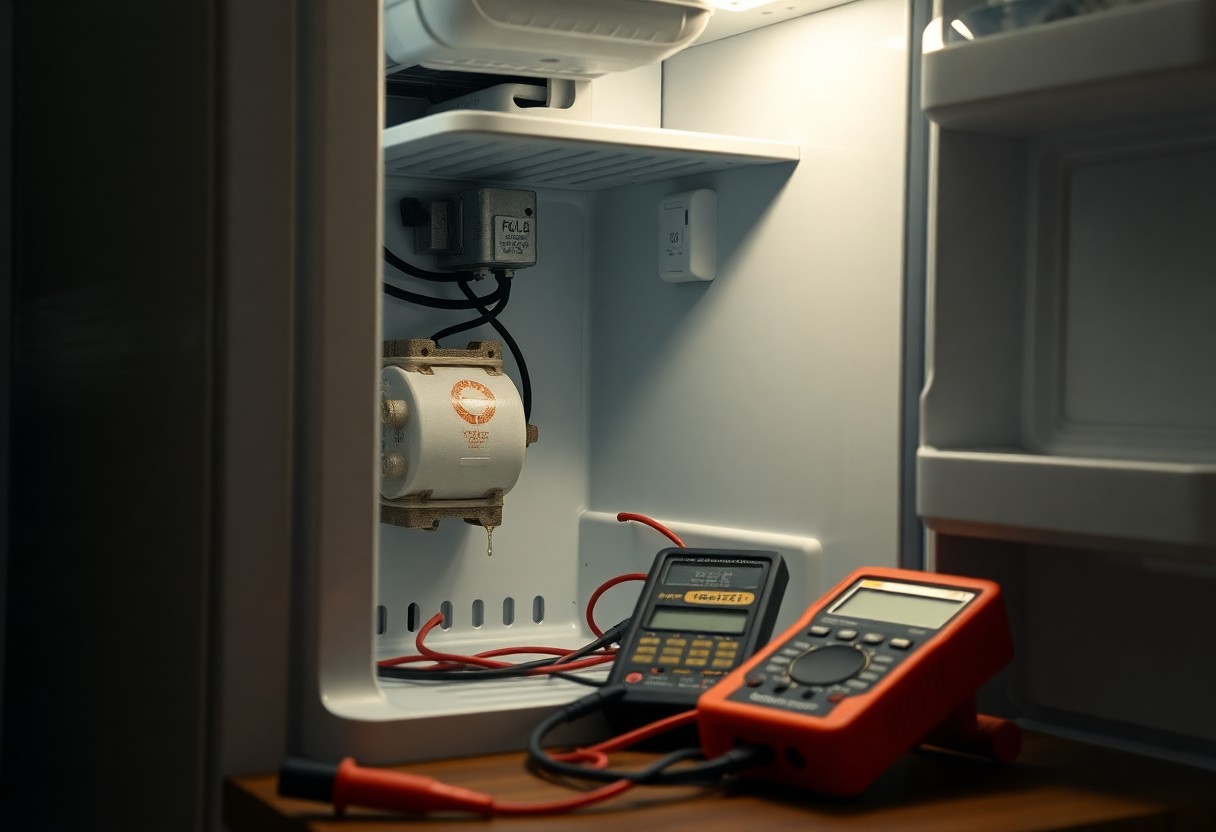
Most people rely on their refrigerators daily, making it important for you to recognize the early signs of compressor failure. Addressing these issues promptly can prevent expensive repairs or even total appliance replacement. You should be vigilant for symptoms like increased noise, inconsistent cooling, and unusual vibration. By understanding these warning signs, you can take action before your fridge’s performance deteriorates, ensuring your food stays fresh and your energy bills remain low.
Key Takeaways:
- Listen for unusual noises, such as clicking or grinding, indicating potential compressor issues.
- Monitor temperature fluctuations; inconsistent cooling can signal compressor failure.
- Check for overheating; a compressor that feels excessively hot may be on the verge of failure.
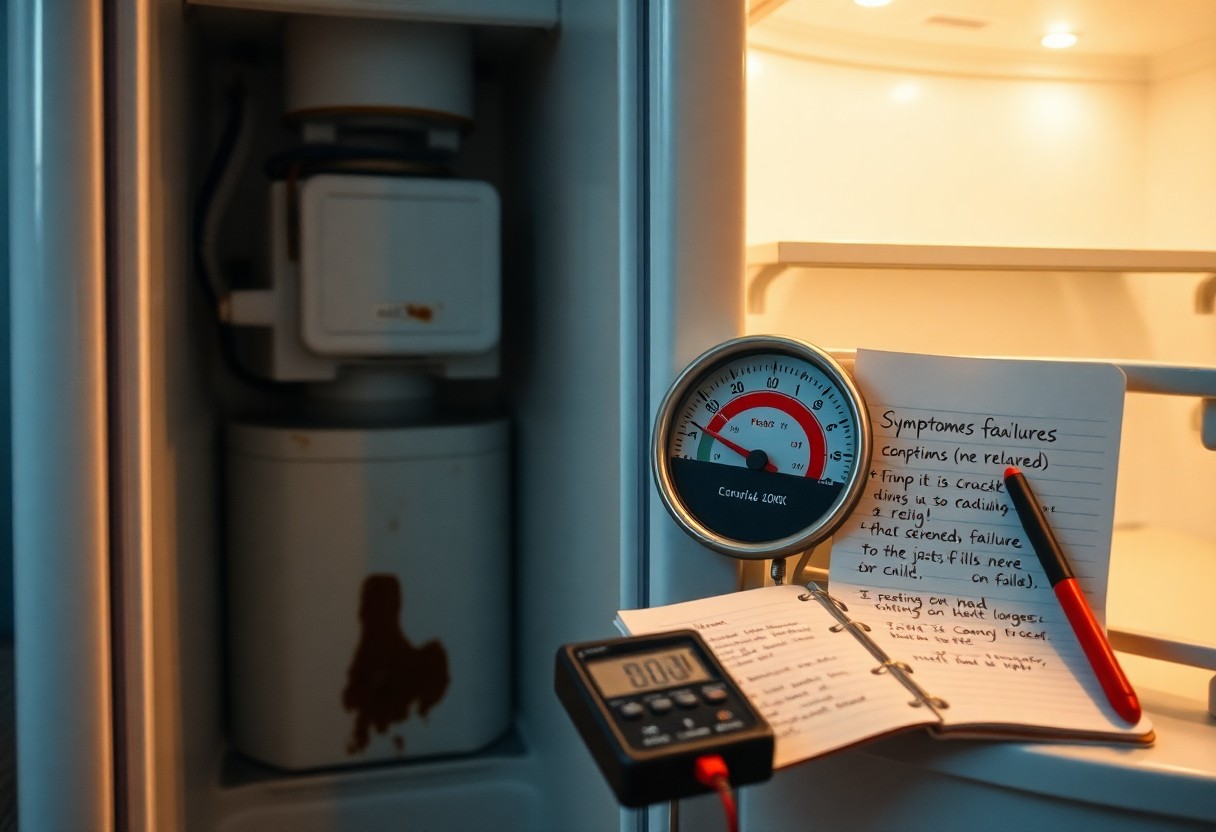
Recognizing the Symptoms of Compressor Distress
Your refrigerator’s performance can decline when the compressor faces distress. Look for signs like poor cooling efficiency, excessive noise, and frequent cycling on and off. Identifying these symptoms early can save you from costly repairs or replacements. Stay vigilant about how your appliance operates to ensure it keeps food fresh and safe.
Unusual Noises: What Your Refrigerator is Trying to Tell You
Listen for clunking, buzzing, or clicking sounds that indicate a potential issue with your compressor. Such noises may signal that internal components are struggling to function properly, which can lead to further damage if left unchecked. Pay attention to any new sounds that are outside the normal operational hum.
Temperature Fluctuations: Signs of Inefficiency
Notice variable temperatures inside your refrigerator? This inconsistency can reveal that the compressor is having trouble maintaining cold levels. If your food spoils quickly or ice fails to form, it indicates that the compressor may not be working efficiently, prompting the need for immediate attention.
Symptoms of Temperature Fluctuations
| Symptoms | Potential Causes |
|---|---|
| Inconsistent food temperature | Compressor inefficiency |
| Frost buildup in the freezer | Cooling issues due to compressor failure |
| Frequent cycling of the compressor | Overheating or overworking of the unit |
| Increased energy bills | Compressor struggling to maintain temperature |
Temperature fluctuations can not only compromise food safety but also elevate your energy expenses. For instance, if the compressor is cycling excessively, it may indicate that it’s unable to maintain the desired thermal environment effectively. An appliance that struggles to cool may cause higher electricity usage, potentially leading to increased bills. Monitoring these patterns can prompt timely intervention, preserving both food quality and your wallet.
Signs of Compressor Failure
| Signs | Implications |
|---|---|
| Excessive Heat from the Refrigerator | Compressor overheating |
| Hissing or Banging Noises | Internal damage or refrigerant leaks |
| Unresponsive Temperature Controls | Potential electrical or mechanical failure |
| Inability to Reach Desired Temperature | Compressor failure requiring replacement |
Analyzing Performance Metrics
Monitoring key performance metrics can help you identify potential issues before they escalate. Paying attention to anomalies in energy usage or operational times provides insights into your refrigerator’s health. For more detailed information, refer to Signs Your Refrigerator Compressor Is Failing.
Energy Consumption Patterns: When High Bills Aren’t Just a Coincidence
Sudden spikes in your energy bills often indicate that your refrigerator is working harder than it should. This excessive energy consumption frequently correlates with a failing compressor, which struggles to maintain optimal temperatures. An increase in power usage can lead to financial strain and may signal that you need immediate attention to your appliance.
Running Time: The Impact of Overheating on Compressor Health
Extended running times can adversely affect your compressor’s lifespan. If your refrigerator runs for excessive periods without cycling off appropriately, overheating can occur, leading to potential compressor failure. A compressor constantly in operation not only degrades efficiency but can also lead to overheating issues that compromise its critical components.
The compressor is designed to cycle on and off to maintain temperature efficiently. A unit that continuously runs indicates underlying problems, such as a clogged condenser or malfunctioning thermostat. Overheating may cause the compressor to draw more current, leading to increased operational costs and possible burnout. Keeping an eye on how long your refrigerator runs can be pivotal in preventing costly repairs or replacements.
Investigating Physical Indicators
Physical indicators are often the most telling signs of potential compressor failure in your refrigerator. Pay attention to sounds, temperature fluctuations, and other visual cues that could suggest underlying issues. Addressing these indicators early on can prevent more extensive damage and costly repairs down the line.
Vibration and Heat: Understanding the Red Flags
Excessive vibration and heat emanating from the compressor are significant red flags. A functioning compressor typically operates with minimal vibration, producing steady but mild warmth. If you notice intense vibrations alongside high temperatures, it may indicate impending compressor failure. This mechanical strain not only compromises the compressor’s efficiency but can also lead to complete breakdown.
Ice Build-up: The Connection Between the Evaporator and Compressor
Observing ice build-up around the evaporator coils or within the freezer compartment can signify serious issues with your refrigerator’s compressor. Such accumulation typically obstructs airflow, leading to inefficient cooling. This situation places heightened stress on the compressor as it struggles to maintain optimal temperatures, potentially resulting in failure.
The connection between ice build-up and compressor failure is primarily linked to airflow disruptions. If the evaporator coils become excessively icy, it restricts the circulation necessary for effective cooling. This strain forces the compressor to work harder, which can generate undue heat and vibrations. Over time, this can result in overheating or burnout. Regular maintenance to ensure proper defrost cycles and airflow can mitigate these risks significantly, keeping your refrigerator functioning efficiently.
Expert Insights: When to Call a Professional
If you notice persistent issues despite checking for common problems, it’s time to seek assistance from a professional. Signs like unusual noises, fluctuating temperatures, or frequent cycling can indicate deeper issues that require expert evaluation. Ignoring these symptoms can lead to more significant damage and costly repairs, making timely intervention crucial for the longevity of your appliance.
Weighing Repair Costs Against Replacement
Assessing whether to repair or replace your refrigerator hinges on cost efficiency. Calculate the potential repair expenses versus the price of a new model. If the total repair costs exceed 50% of a new unit’s price, replacing your refrigerator often proves to be the more sensible choice, especially considering energy efficiency and improved features in newer models.
Understanding Warranties and Service Options
Before making any decisions, review your refrigerator’s warranty for coverage specifics. Often, warranty services cover certain repairs at no cost, depending on age and model. Many manufacturers offer extended service plans that can be beneficial if frequent repairs are expected. Weighing these options against potential repair costs can provide clarity on the best financial route.
Several manufacturers provide limited warranties that cover compressor failures or other key components for up to five years. Additionally, third-party service plans may offer enticing packages that include regular maintenance checks. Investigating these options before any repair ensures that you’re informed of your entitlements, potentially saving you significant expenses if your refrigerator requires costly fixes in the future. Always retain receipts and documentation of any repairs to facilitate warranty claims.
Proactive Maintenance Strategies
Implementing proactive maintenance strategies can significantly extend the lifespan of your refrigerator’s compressor. Simple actions, such as regular cleaning and scheduled inspections, help keep performance optimal and prevent costly repairs. Invest time in preventive care to safeguard your appliance’s efficiency and reliability.
Regular Cleaning and Checks: Simple Steps to Prolong Compressor Life
Cleaning the condenser coils is crucial for maintaining efficient compressor function. Dust and debris accumulation can obstruct airflow, forcing the compressor to work harder and potentially leading to failure. Neglect this task, and you may shorten your refrigerator’s lifespan; aim to clean coils every six months for best results.
Importance of Routine Inspections: How to Stay Ahead of Failures
Conducting routine inspections of your refrigerator allows you to detect early issues before they develop into major problems. Look for unusual sounds, excessive heat, or fluctuations in temperature, as these can indicate compressor strain. By addressing these signs promptly, you can avoid expensive repairs and ensure your appliance continues to operate efficiently.
Schedule inspections at least twice a year to keep track of your refrigerator’s overall health. During each check, verify that all components are functioning correctly, including the compressor, evaporator fan, and door seals. These proactive measures not only enhance the compressor’s longevity but also improve energy efficiency, preventing increased utility bills. Adjusting settings for optimal operation can further extend the appliance’s life, saving you money in the long run.
Conclusion
Summing up, being vigilant for early signs of refrigerator compressor failure can save you time, money, and food. Listen for unusual noises, observe fluctuating temperatures, and watch for excessive frost build-up. If you notice any of these symptoms, it’s important to take action promptly to protect your appliance and your perishable items. Regular maintenance and professional check-ups can further enhance your refrigerator’s lifespan, ensuring it operates efficiently for years to come.
FAQ
Q: What are the common signs of refrigerator compressor failure?
A: Common signs include unusual noise from the compressor, the refrigerator not cooling properly, frequent cycling on and off, warm air coming from vents, and increased energy bills.
Q: How can I tell if my refrigerator is noisy due to the compressor?
A: If you hear loud clicking, buzzing, or humming noises that are new or have become more pronounced, it may indicate compressor issues. Normal operation should be relatively quiet.
Q: What temperature changes should I look for as a sign of compressor failure?
A: If food items are not staying cold or if you notice a rise in temperature inside the fridge or freezer compartments, it may be a sign that the compressor is not functioning properly.
Q: Can frequent cycling of the compressor indicate failure?
A: Yes, if the refrigerator compressor turns on and off frequently, this may signify problems with the compressor or other components, affecting efficiency and performance.
Q: How do increased energy bills relate to compressor issues?
A: A failing compressor can cause the refrigerator to work harder than usual to maintain temperature, leading to higher energy consumption and increased utility bills.