You may find yourself in a frustrating situation when your freezer is cold but the fridge is warm, jeopardizing your food safety. This issue can be caused by a variety of factors, including poor airflow or malfunctioning components. In this guide, you’ll learn practical steps to diagnose and fix the problem quickly to restore proper function. For an in-depth look at troubleshooting this issue, check out Freezer Is Cold But The Refrigerator Is Warm? Here’s What ….
Key Takeaways:
- Check the thermostat settings; improper temperatures can lead to uneven cooling.
- Inspect door seals for damage, as leaks can cause warm air to enter the fridge.
- Ensure air vents are not blocked to maintain proper airflow between the fridge and freezer.
Diagnosing the Issue: Why Your Fridge Is Warm
Understanding the reasons behind a warm fridge is crucial for effective troubleshooting. A malfunctioning refrigerator could be attributed to various factors, including temperature settings, airflow issues, or mechanical failures. Identifying the root cause will empower you to take the necessary steps toward a solution.
Identifying Temperature Discrepancies
Temperature Comparison
| Measurement | Expected Range |
|---|---|
| Fridge Temperature | 32°F to 40°F (0°C to 4°C) |
| Freezer Temperature | 0°F (-18°C) or lower |
Temperature discrepancies can signal issues within your refrigerator. If your fridge is above the recommended range while your freezer remains cold, clearly something is disrupting the cooling process.
Common Culprits: Blocked Vents and Door Seals
Blocked vents and damaged door seals frequently contribute to inadequate cooling. When vents are obstructed by food items, airflow is compromised, leading to uneven temperatures. Similarly, if your door seals are worn or compromised, cold air can escape, resulting in a warm fridge.
Inspecting blocked vents involves clearing away any items that may be obstructing airflow, ensuring cold air circulates freely. Regularly run your fingers along the door seals; if you feel any gaps or see visible wear, replacing them is necessary. Such minor fixes can significantly improve your fridge’s efficiency, preventing food spoilage and energy waste.
The Cooling Mechanics: How the System Works
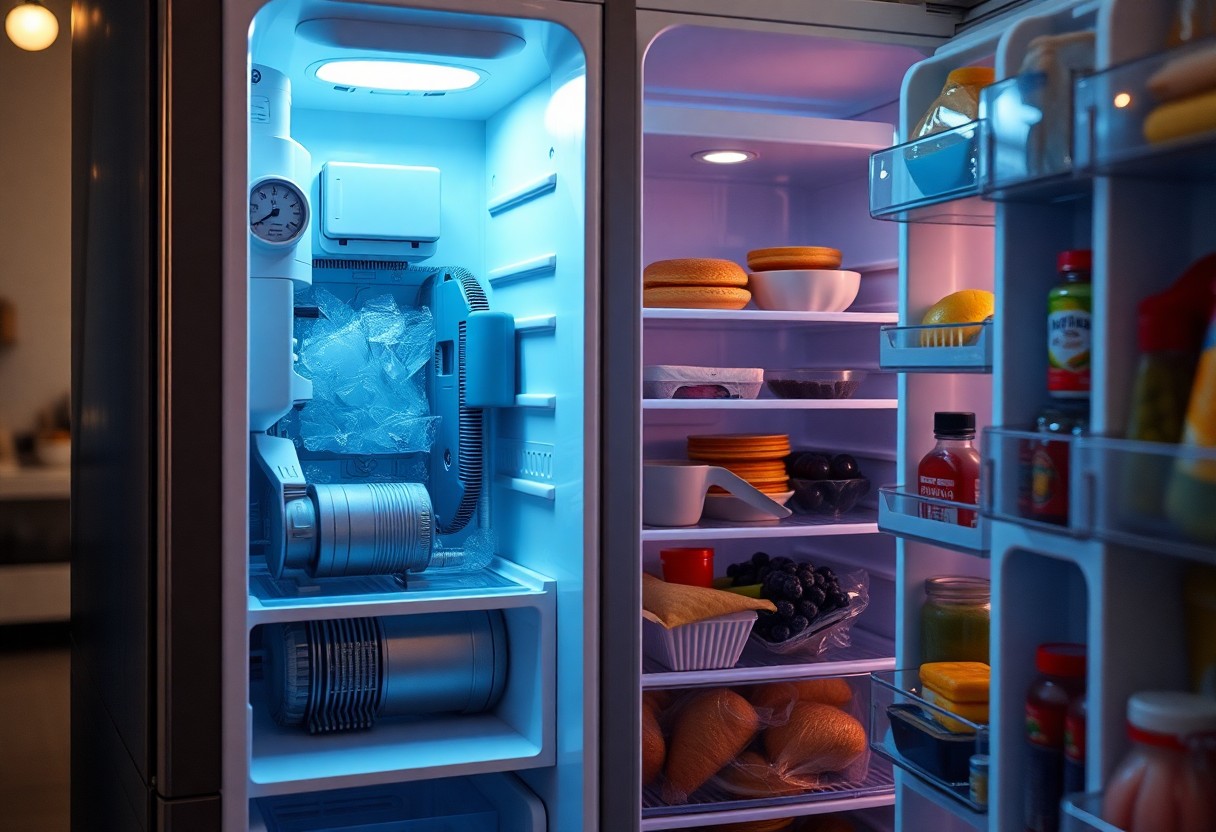
Understanding the mechanics of your refrigerator helps in diagnosing issues effectively. Your fridge operates on a system of coils, fans, and compressors that work together to maintain temperatures. As the refrigerant circulates through these components, it absorbs heat from inside the fridge and releases it outside, keeping your food cold while ensuring the freezer remains adequately chilled. Any disruption in this cycle can lead to uneven cooling, causing the fridge to warm up while the freezer stays cold.
The Role of the Compressor and Condenser
The compressor acts as the heart of your cooling system, pumping the refrigerant through the system. It compresses the refrigerant gas, increasing its pressure and temperature before sending it to the condenser. The condenser, usually located on the back or bottom of your fridge, allows the hot refrigerant to release heat into the air, transforming it back into a liquid. A failure in either component can disrupt the cooling cycle, leading to temperature imbalances.
Importance of Refrigerant Levels
Refrigerant levels directly impact the efficiency of your refrigerator’s cooling system. An insufficient amount can prevent proper heat absorption, making it harder for the fridge to maintain cool temperatures. You might notice this problem when you observe frost buildup in the freezer or hear unusual noises from the compressor as it struggles to function effectively.
Low refrigerant levels often stem from leaks in the system, which can not only hinder performance but also create hazardous situations if the refrigerant is harmful. Regular maintenance checks ensure that your refrigerant levels stay optimal. If you suspect a leak, it’s vital to call a professional technician for detection and repair, as addressing this issue promptly can help avoid more severe problems, including compressor failure.
DIY Fixes: Simple Solutions You Can Try
Many refrigerator issues can be resolved with straightforward DIY fixes. Start by inspecting the airflow and cleanliness of your fridge components, as a buildup of dust or debris often leads to inadequate cooling. Other simple steps include checking the door seals and adjusting the thermostat settings. These actions can restore proper functionality without the need for costly repairs or professional help.
Cleaning Coils and Maintaining Airflow
Dirty coils can hinder the efficiency of your refrigerator’s cooling system. Locate the condenser coils, typically found at the back or bottom of your unit, and ensure they are free from dust and grime. Use a vacuum or brush to clean the coils, allowing for improved airflow and better overall performance.
Checking the Thermostat Settings
Adjusting your fridge’s thermostat settings may resolve temperature discrepancies. If the setting is too low, the fridge may not maintain adequate cooling, while a high setting can cause your freezer to work overtime. Aim for a fridge temperature of around 37°F (3°C) and a freezer temperature of 0°F (-18°C) for optimal performance.
Occasionally, thermostat settings can be inadvertently changed, leading to uneven cooling. Check to ensure your settings are accurate and calibrated for your specific model. Some refrigerators have adjustable temperature controls that may vary from the recommended range. If adjustments do not lead to improvements, consider consulting the user manual or exploring the thermostat itself for potential faults or recalibration needs.
When to Call for Professional Help
Intervening might not be enough if your refrigerator shows persistent warm spots despite your efforts. If the temperature remains consistently above 40°F or if you notice unusual noises, leaks, or ice buildup, it’s time to call a professional. A malfunctioning compressor, a clogged defrost drain, or refrigerant issues could be lurking behind the scenes, leading to a potential costly repair if neglected.
Signs It’s More Than a Quick Fix
Look for signs like excessive frost in the freezer, frequent cycling of the compressor, or a strong, unusual odor. These could indicate serious issues, such as a failing compressor or a refrigerant leak, that simple troubleshooting won’t resolve.
Choosing the Right Technician for Refrigeration Issues
Selecting the right technician is vital for ensuring your refrigerator gets the precise care it needs. Look for certified professionals with experience dealing specifically with refrigeration systems. Online reviews and ratings can guide your choice, while checking for warranties on repairs can safeguard your investment. Consider technicians who offer emergency services for urgent situations, ensuring your appliances stay functional.
Seek out technicians with specific training in refrigeration, especially those who hold industry-relevant certifications such as NATE or EPA 608. These credentials showcase their expertise and adherence to safety standards. Furthermore, inquire about their experience with your particular refrigerator model, as brand-specific knowledge can significantly affect the quality of service received. A technician who provides a detailed estimate and clear communication about the repair process indicates professionalism and can prevent future issues.
Preventative Measures: Keeping Your Fridge Running Smoothly
Implementing preventative measures helps ensure your fridge maintains optimal performance. Regularly clean the coils, keep the fridge stocked appropriately, and check door seals for any wear or leaks. These small steps significantly extend the life of your appliance and enhance its efficiency.
Regular Maintenance Tips
Regular maintenance can prevent future issues with your fridge. Consider these tips:
- Clean coils every 6 months to prevent overheating.
- Check door seals periodically for proper sealing.
- Clear the drain line to avoid clogs and water accumulation.
- Regularly organize contents to promote airflow.
Recognizing any irregularities in your fridge’s performance can save you from costly repairs.
Monitoring Temperature Regularly
You should monitor your fridge’s temperature to ensure it remains within safe limits, typically between 37°F and 40°F (3°C to 4°C). Use a thermometer to track temperature fluctuations, which can indicate underlying problems.
| Ideal Temperature | 37°F to 40°F (3°C to 4°C) |
| Freezer Temperature | 0°F (-18°C) |
| Check Frequency | At least once a week |
Regular temperature checks help you identify potential issues early on, ensuring your fridge operates efficiently. A thermometer placed in your fridge provides continuous feedback, while digital models offer alerts for fluctuations outside the desired range. Manage food safety by keeping track of expiration dates and ensuring the fridge’s interior is consistent with the ideal temperature.
| Tool | Thermometer |
| Check Interior Temperature | Every week |
| Consider Alerts | Digital thermometers with alarms |
To wrap up
Considering all points, if your freezer is cold but the fridge is warm, you should first check the airflow and temperature settings. Ensure that vents are not blocked and clean any accumulated debris around the condenser coils. If issues persist, inspect the door seals for damage and evaluate the thermostat function. If necessary, consult a professional for repairs. By addressing these factors promptly, you can maintain optimal performance and prolong the lifespan of your appliance.
FAQ
Q: Why is my freezer cold but the fridge warm?
A: This can occur due to several reasons, including a malfunctioning evaporator fan, a blocked air vent, or a faulty thermostat. The evaporator fan circulates cold air from the freezer to the fridge; if it fails, the fridge may not receive adequate cold air.
Q: How can I determine if the evaporator fan is working?
A: Open the fridge door and listen for the sound of the fan when the door is closed. If you don’t hear it running, it may need to be replaced. Additionally, you can check for frost build-up on the fan itself, which could indicate a blockage.
Q: What should I do if the air vents are blocked?
A: Inspect the air vents located between the freezer and fridge compartments. Remove any items obstructing airflow, and make sure there’s sufficient space for cold air to circulate. Clean the vents if dust or ice has accumulated.
Q: Could a faulty thermostat cause uneven temperatures?
A: Yes, a malfunctioning thermostat can lead to incorrect temperature readings. If the thermostat is stuck in a position that doesn’t signal the compressor to run, the fridge may not cool properly. Testing or replacing the thermostat may be necessary.
Q: What steps can I take to troubleshoot the problem?
A: Start by checking the temperature settings for both compartments. Ensure that the fridge door seals are intact. Next, clean the condenser coils and inspect the fan and vents. If these steps do not resolve the issue, consider contacting a professional for a thorough inspection.