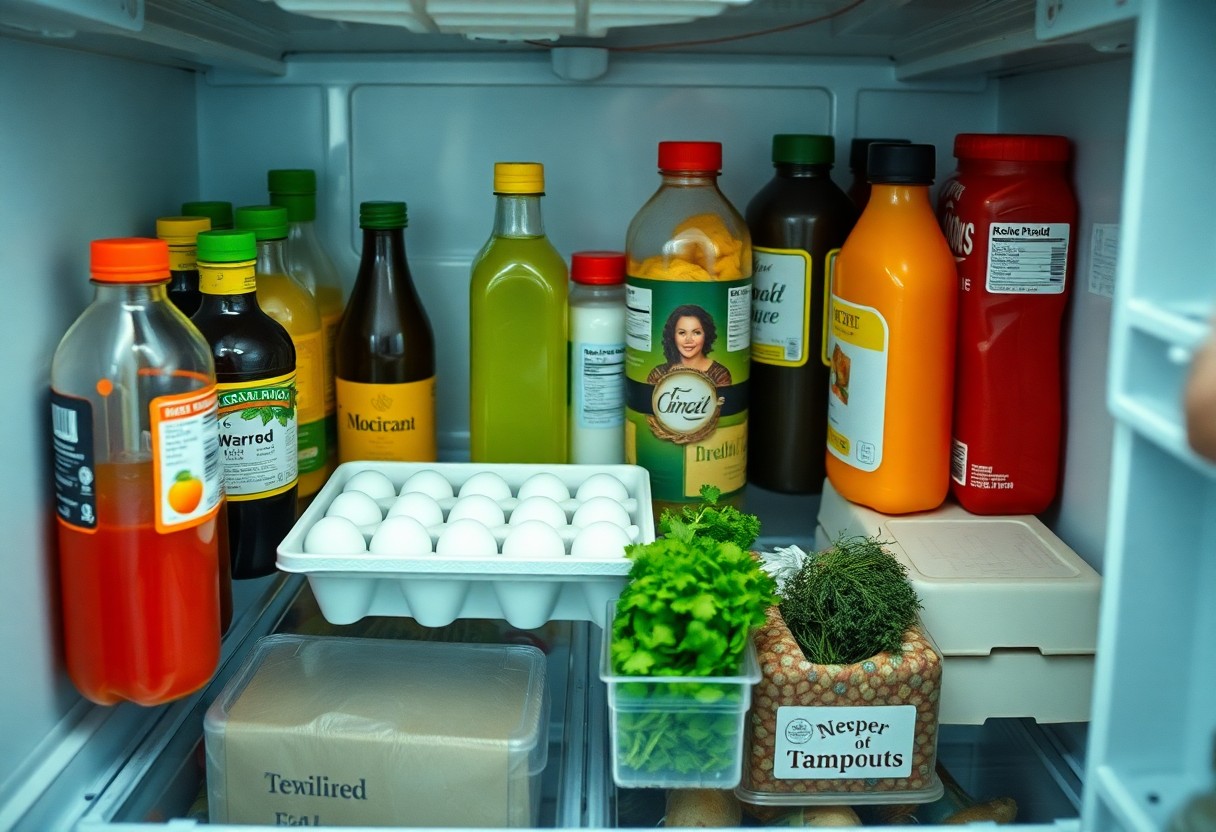
Over the years, you may have wondered about the best way to utilize your fridge door space. Knowing what belongs and what doesn’t can enhance your food safety and extend the lifespan of your ingredients. Items like condiments and drinks typically thrive in this area, while dairy and eggs should be stored on shelves for optimal freshness. For more insights, check out Fridge Organization 101: A Shelf by Shelf Guide that helps you maximize your fridge’s efficiency.
Key Takeaways:
- Store condiments, drinks, and eggs on the fridge door where temperatures are warmer.
- Place dairy products, fresh produce, and raw meats in the main compartment for optimal freshness.
- Avoid storing items that require consistent cool temperatures, like milk and certain fruits, in the door.
The Science of Fridge Efficiency
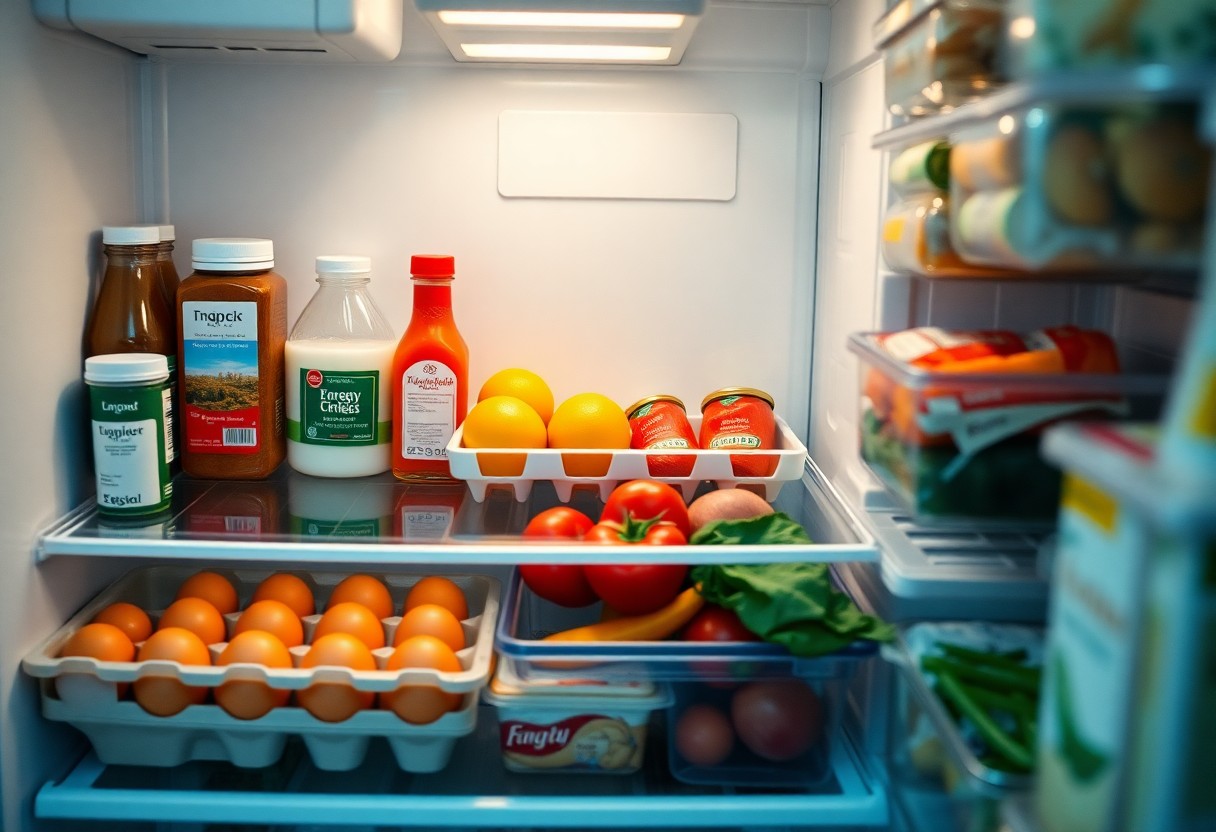
Understanding fridge efficiency can significantly extend the life of your food and reduce energy consumption. Well-organized shelves and proper food placement maximize cooling performance, ensuring that every item receives the appropriate temperature. An efficient fridge not only saves you money but also minimizes waste, allowing you to enjoy your groceries to the fullest.
Temperature Zones: The Cool Truths
| Zone | Temperature Range (°F) |
| Top Shelves | 34-40°F |
| Middle Shelves | 36-38°F |
| Bottom Shelves | 32-36°F |
| Drawer Zones | 30-33°F |
| Fridge Door | 41-45°F |
How Airflow Affects Food Freshness
Airflow is a key factor in maintaining food freshness, as it helps distribute cool air evenly throughout the fridge. Without proper airflow, certain items may spoil faster due to uneven temperatures. Optimal circulation prevents moisture buildup, which can lead to mold and odor issues. Ensuring air can move freely around your food extends shelf life and preserves flavor.
Positioning items away from the vents allows for better airflow, optimizing cooling efficiency. For example, keeping cartons and containers clear of the back wall ensures they receive sufficient air circulation. Aligning your food to facilitate airflow around each item helps stabilize the internal climate, preserving freshness and reducing spoilage rates by maintaining a consistent temperature throughout the fridge. Regularly checking and rearranging your food will enhance efficacy and provide a longer-lasting freshness to your groceries.
Top Shelf Treasures: What to Keep There
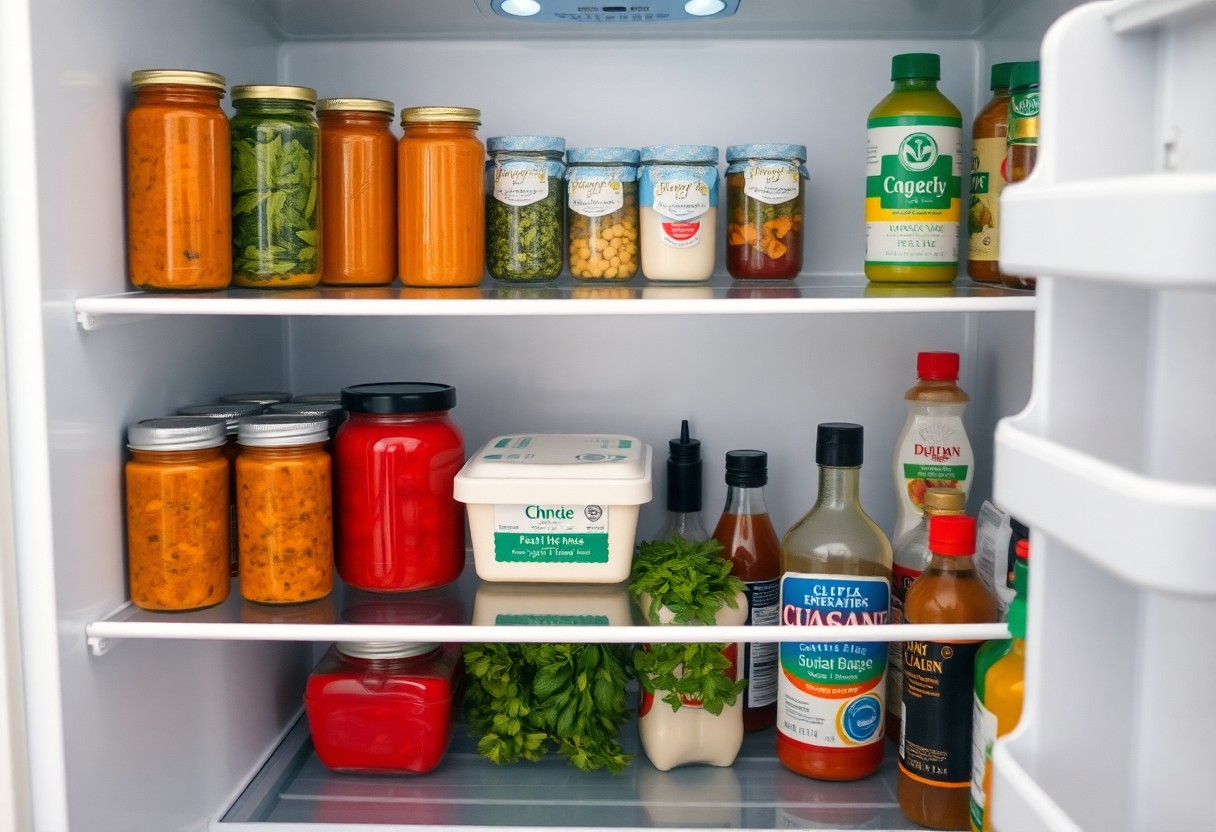
The top shelf of your fridge is an optimal spot for items that thrive in slightly warmer temperatures and are used regularly, ensuring quick access and visibility. This is where you’ll want to store things like dairy products, condiments, and ready-to-eat meals. Keeping these items up high prevents you from digging through lower shelves, making meal prep efficient and hassle-free. Your top shelf should strike a balance between convenience and organization to effectively streamline your cooking and snacking routines.
Dairy Products and Their Optimal Storage
Place your dairy products, such as milk, yogurt, and cheese, on the top shelf where temperatures are more stable and slightly warmer than the rest of the fridge. The ideal range for dairy storage is between 34°F to 38°F, which prevents spoilage while maintaining freshness. Sealing items in airtight containers can further enhance their longevity, reducing waste and making sure your dairy stays as rich and flavorful as possible.
Ideal Items for Easy Access and Visibility
Utilizing the top shelf effectively means prioritizing items that you frequently grab. Store items like salad dressings, leftovers, and sauces there, as they are often used and need quick access. Keep packages clear and easy to see, perhaps designating a specific spot for each type of item. Using clear containers allows you to quickly identify what you have on hand, boosting your meal prep efficiency while minimizing unnecessary rummaging that can disrupt your organizing system.
Organizing your top shelf for easy access contributes significantly to your kitchen workflow. Choose containers that showcase the contents clearly, making your favorite sauces and leftovers visible at a glance. Use labels if necessary, ensuring everything is in its designated spot for effortless retrieval. This simple tactic not only saves time but also encourages creativity, allowing for spontaneous meal making without the frustration of digging through cluttered shelves.
Middle Shelf Madness: Common Misconceptions
The middle shelf of your fridge is often thought to be the default location for all food items, leading to a jumble of mismatched products. In reality, this space is ideal for storing drinks and certain groceries, but may not be the best for perishable foods that require precise temperatures. Misplaced expectations about what this shelf can accommodate can result in spoilage and waste. Organizing this section strategically ensures that you can access items easily and keep your food fresh longer.
The Best Spot for Leftovers and Prepared Meals
Your leftovers and prepared meals thrive on the middle shelf, where temperatures are stable and accessible. Utilize airtight containers to minimize spoilage while maximizing visibility. Placing them here means you can easily monitor portions and reduce food waste, ensuring you enjoy every bite while keeping your fridge organized.
Debunking Myths About Fermented and Pickled Goods
Many people believe fermented and pickled goods should be hidden away in the back of the fridge, but storing them on the middle shelf enhances visibility and accessibility. These items often have unique storage needs and should be placed where you can remember to use them. When properly sealed, they’re shelf-stable and provide numerous health benefits, making their prominence key to maintaining an exciting and healthy diet.
Contrary to popular belief, the intense brine or natural fermentation process of pickled and fermented products doesn’t necessitate extreme cold. While keeping these items on the middle shelf is acceptable, it’s crucial to monitor their condition regularly. Not only do they add flavor to dishes, but you’ll also enjoy their health benefits, including probiotics and extended shelf-life. By placing them in visible spots, you’re more likely to incorporate these nutritious additions into your meals, rather than letting them gather dust in obscurity.
The Bottom Shelf Basics: Proper Storage Essentials
The bottom shelf of your fridge is best reserved for importants that require the coldest temperature. This section is where deeper refrigeration works best, providing a stable environment for storing raw proteins and certain fruits and vegetables. Ensuring proper organization not only keeps your food fresher for longer but also minimizes the risk of cross-contamination. Knowing what to place here can simplify meal prep and enhance food safety.
Storing Raw Proteins Safely
Raw proteins such as meat, poultry, and seafood belong on the bottom shelf to prevent drips from contaminating other foods. Seal these items in airtight containers or use plastic wrap to further shield them from airborne bacteria. Keeping items like chicken at or below 40°F helps maintain quality and safety, making your fridge a more efficient environment for meal preparation.
Fruits and Vegetables: A Delicate Balance
Fruits and vegetables require careful consideration for optimal storage. Storing them in separate bins improves air circulation, helping to prevent spoilage. Use perforated bags for vegetables, which need humidity, while most fruits thrive in drier conditions. The right temperature is vital; fruits do best at 32°F to 35°F, while many root vegetables prefer slightly warmer settings to maintain texture and flavor.
Fruits emit ethylene gas, which can hasten ripening and spoilage of nearby vegetables. For example, keep apples and avocados away from leafy greens, as the latter can wilt faster in their presence. Some sturdy fruits, like citrus, can coexist with most vegetables without issue. Prioritizing correct pairings not only maximizes shelf life but also enhances your meal freshness and variety, ensuring you enjoy the best of both worlds.
Door Dilemmas: What Works and What Doesn’t
The fridge door often presents a storage puzzle, as not everything belongs there. Frequently opened and warmed by the kitchen environment, the door can compromise the quality of certain items. Condiments may thrive in this area, but delicate perishables, including eggs and dairy products, should find a better home within the main compartments to maintain optimal freshness.
Condiments and Their Shelf Life
Most condiments can safely sit in your fridge door, benefiting from the cool air and easy access. Items like ketchup, mustard, and dressings can last for months, even after opening, due to their high acidity and preservatives. However, pay attention to the expires dates and always check for changes in color or texture to gauge freshness.
Dairy vs. Eggs: Where They Truly Belong
Dairy products should never be stored in the door, as they require a more consistent, cold environment to prevent spoilage. Eggs are no exception; they are better kept in their original cartons on a middle shelf, which provides a stable temperature. Storing eggs in the door might expose them to temperature fluctuations that can shorten their shelf life. Keeping these items in stable environments helps maintain their quality longer.
For optimal preservation, dairy like milk, yogurt, and cheese should be placed on the middle shelves rather than in the door. The temperature there typically remains more consistent than in the door, where exposure to warmer air can accelerate spoilage. Eggs, which have a natural coating that protects them, still benefit from being kept at a colder temperature, and the middle shelf emulates that environment best. This simple adjustment can significantly enhance the lifespan of these items and ensure they stay fresh for your next meal.
Summing up
As a reminder, having the ideal fridge door setup is imperative for maintaining food quality and safety. You should store condiments, juices, and some dairy on the door, while keeping more perishable items such as eggs and milk on the main shelves. It’s important to avoid placing highly perishable foods like raw meats in the door, as temperatures can fluctuate. By following these guidelines, you can ensure your fridge operates efficiently and your food stays fresh longer.
FAQ
Q: What items should I store on the top shelf of my fridge door?
A: The top shelf is ideal for condiments, sauces, and drinks. These items do not require the coldest temperatures and are best suited for the slightly warmer environment of the top shelf.
Q: Is it safe to keep eggs in the fridge door?
A: Storing eggs in the fridge door is not recommended. They are best kept on a middle shelf, where temperatures are more stable, as fluctuations can impact their quality.
Q: Should I keep dairy products on the fridge door?
A: Dairy products, like milk and yogurt, should be stored on the middle shelves instead of the door. The temperature in the middle shelf is colder and helps maintain freshness.
Q: What should I avoid putting in the fridge door?
A: Avoid storing sensitive items like fresh produce, dairy, and meats in the fridge door. These items require a consistent and colder environment found on the shelves inside the fridge.
Q: Can I store salad dressings in the fridge door?
A: Yes, salad dressings are suitable for the fridge door. They can tolerate slightly higher temperatures and are convenient to access when stored there.