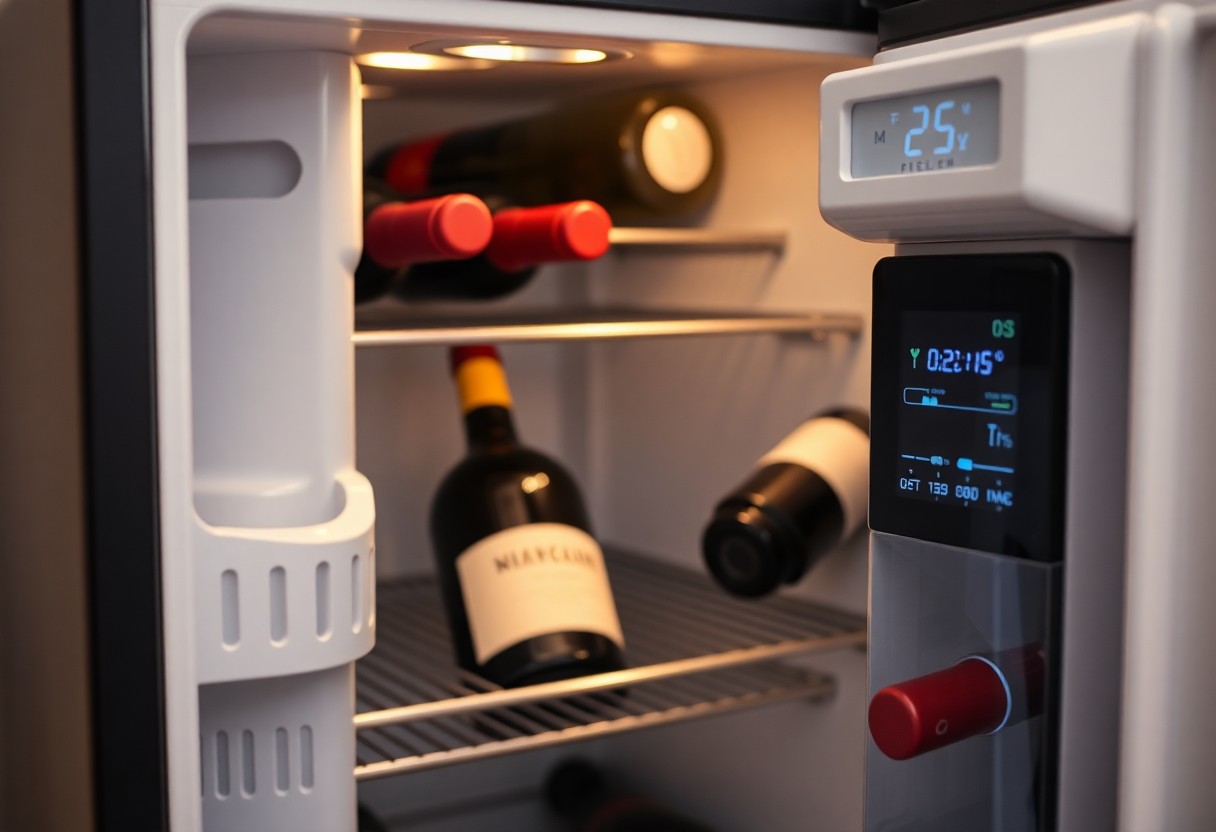
Cooler temperatures are imperative for preserving the quality of your wine, and converting a mini fridge into a wine cooler can be an effective way to achieve this. By following specific steps, you can enhance your mini fridge’s functionality while ensuring safe operation and optimal performance. This guide will walk you through the necessary adjustments, allowing you to tailor your fridge for wine storage without compromising on safety or efficiency.
Key Takeaways:
- Set the mini fridge temperature between 45°F to 65°F for optimal wine storage.
- Use a thermometer to monitor the internal temperature regularly.
- Ensure proper ventilation by not overloading the fridge and allowing air circulation.
The Ideal Temperature Range for Wine
| Wine Type | Ideal Temperature (°F) |
|---|---|
| Red Wine | 55°F – 65°F |
| White Wine | 45°F – 55°F |
| Sparkling Wine | 40°F – 50°F |
Understanding Wine Varietal Needs
Each wine varietal has its own specific temperature requirements to enhance flavors and aromas. For instance, red wines often benefit from a slightly warmer temperature, allowing aromatic compounds to develop. In contrast, white wines are best served cooler, promoting crispness and refreshing qualities. By setting your mini fridge to the correct temperature range, you tailor the environment for the wine, ensuring you enjoy every sip at its finest quality.
Importance of Temperature Consistency
Temperature fluctuations can compromise the integrity of your wine, leading to undesirable changes in taste and aroma. Maintaining a consistent temperature range within your mini fridge allows the wine to age properly and prevents the cork from drying out, which could let air in and spoil the wine. Avoid placing your fridge near heat sources or in direct sunlight, as this can lead to inconsistent cooling.
| Issue | Impact |
|---|---|
| Fluctuating Temperatures | Compromises flavor profile and aging |
| Drying Corks | Allows oxidation and spoilage |
Temperature consistency is vital for preserving wine quality. Ideally, wines should remain undisturbed in stable environments. A mini fridge adjusted to moderate settings can help achieve this balance. Regularly check the temperature with a thermometer and make any necessary adjustments to your fridge’s cooling system. Consistent conditions ensure better aging and flavor retention, allowing you to appreciate the nuances of each vintage you store.
Preparing Your Mini Fridge for Transformation
Before you begin the conversion process, ensure your mini fridge is ready for its new role. Start by emptying all contents and disconnecting it from the power source. This step will not only keep you safe during the transformation but also prevent any electrical hazards. Once it’s unplugged, inspect the appliance for any potential issues like leaks or dust accumulation that could affect its cooling efficiency.
Cleaning and Preparing the Interior
Thoroughly clean the interior of your mini fridge using a mixture of warm water and mild detergent. Pay special attention to corners and crevices where stains or odors might linger. After scrubbing, wipe down surfaces with a disinfectant to eliminate bacteria and mold. Allow it to dry completely before moving on, ensuring a fresh environment for your wine.
Choosing the Right Location
Selecting an appropriate spot for your mini fridge is vital for optimal wine preservation. Avoid placing it near heat sources, like ovens or direct sunlight, as these can interfere with its cooling capabilities. Ideally, position the fridge in a cool, dry area that maintains a stable temperature, ensuring your wine stays at the perfect serving temperature.
For the best results, consider placing your mini fridge in a temperature-controlled environment, away from fluctuating temperatures. A basement, wine cellar, or temperature-regulated room works best, as these areas tend to remain cooler and more stable than living spaces. Ideally, the area should maintain temperatures between 50-58°F for proper wine storage. Additionally, ensure there’s sufficient airflow around the fridge to prevent overheating during operation.
Modifying Cooling Mechanisms Safely
When transforming a mini fridge into a wine cooler, enhancing its cooling mechanisms can lead to better performance. Begin by ensuring that the alterations do not compromise the appliance’s safety. Upgrading components like the thermostat and optimizing airflow can significantly improve temperature stability, allowing you to create an ideal environment for your wines without risking damage to the fridge or its internal components.
Upgrading the Thermostat
Replacing the existing thermostat with a higher-quality digital version allows for more precise temperature control. Precision matters in wine storage, as fluctuations can spoil delicate flavors. Look for thermostats that offer a range of 45°F to 65°F and have easy-to-read displays for hassle-free monitoring.
Adjusting Airflow for Optimal Cooling
Optimal airflow is vital to maintain consistent temperatures throughout the fridge. Blocked vents can lead to hot spots, affecting the wine quality. Ensure that internal shelving allows for adequate air circulation, keeping bottles spaced apart and arranging them vertically if possible to facilitate airflow.
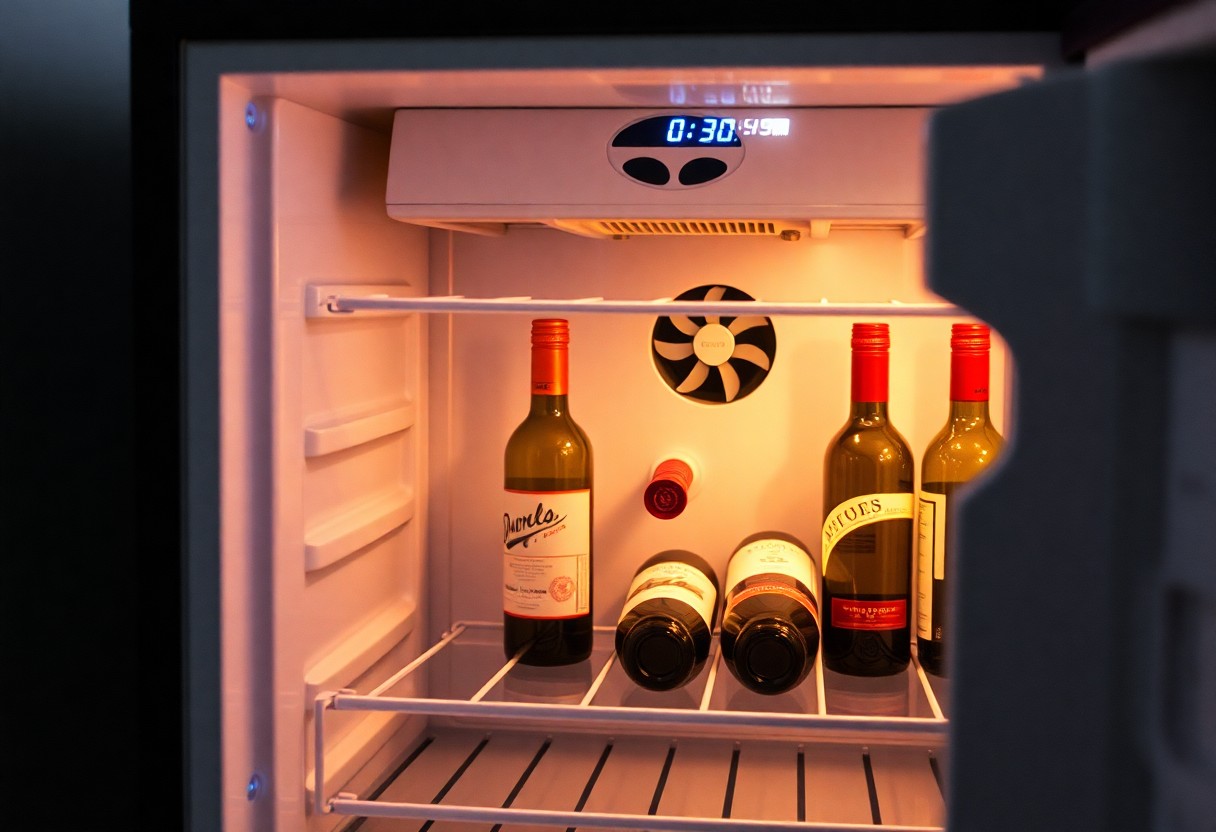
To maximize airflow, consider rearranging the internal layout by removing unnecessary shelves or adding fans. For example, a small computer fan can be installed to circulate air effectively, preventing stagnation and ensuring every bottle reaches its desired temperature. Effective airflow helps achieve consistent ambient temperatures, imperative for preserving the nuances of your wine collection.
Organizing Your Wine Collection Effectively
Effective organization of your wine collection inside the mini fridge not only enhances accessibility but also maximizes the use of space. Consider the variety of bottles in your collection and how they fit together. You may want to categorize by varietal, region, or tasting notes, which aids in quick selection. Use labeling or color-coded stickers for easy identification, ensuring you can rapidly find your favorites. Arranging by the expected drinking timeline can also keep your selections prioritized and serve as a reminder of when to enjoy them.
Racking Systems for Space Optimization
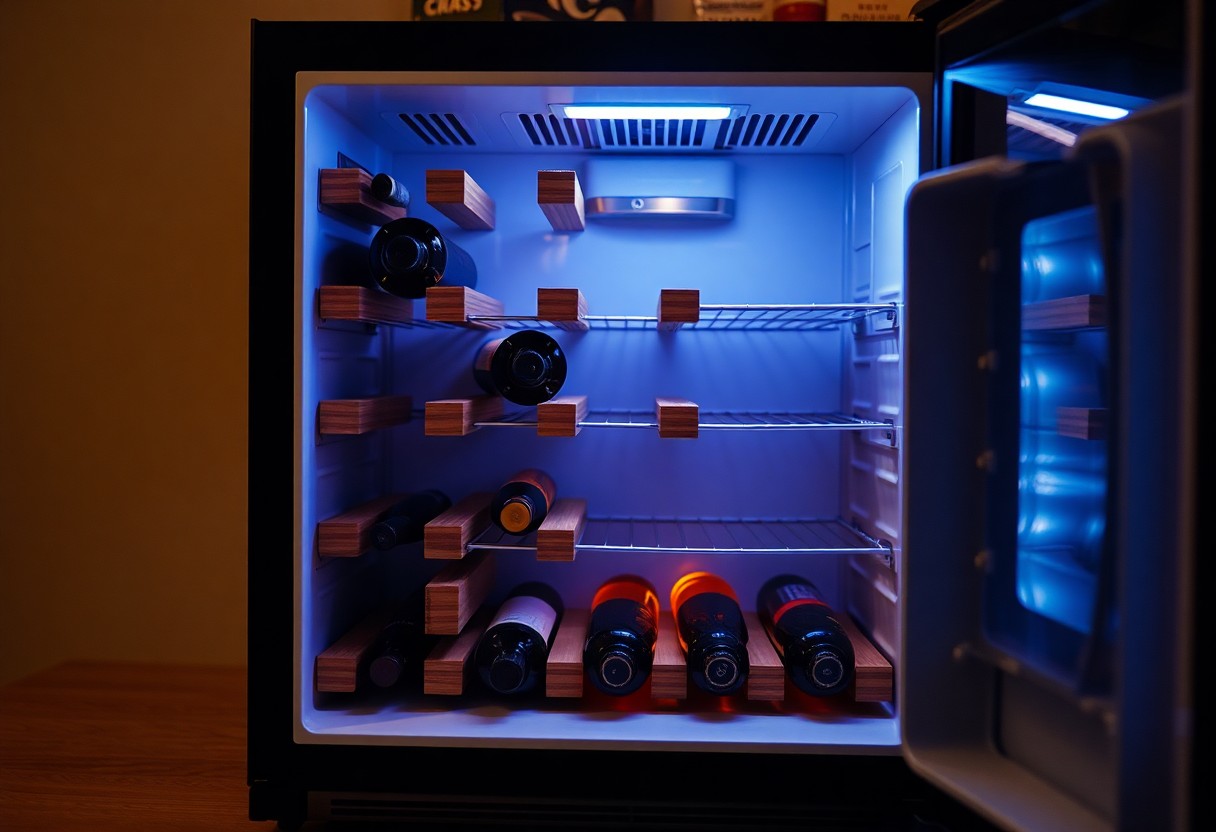
Implementing racking systems can transform your mini fridge into a highly organized wine cooler, utilizing available space more efficiently. Consider modular racks that adapt to different bottle sizes and shapes, maximizing vertical space. Look for adjustable shelves or removable dividers to customize your layout according to your collection. Vertical wine racks allow stacking while keeping labels visible, enabling you to showcase your collection while maintaining organization.
Maintaining Proper Vibration Levels
Excessive vibration can negatively impact the quality of your wine, disrupting the sediment and affecting taste over time. Keeping your mini fridge on a level surface minimizes vibrations; additionally, placing vibration-absorbing pads under the fridge can further reduce movement. Opt for a model with a low-noise compressor, as consistent noise can also indicate potential vibration issues. Regular checks ensure that your cooling unit remains stable and quiet, preserving your wine’s optimal condition.
For optimal wine storage, aim for a vibration-free environment inside your mini fridge. Even subtle vibrations can disturb sediment in wines, leading to a harsher taste. Position your fridge away from high-traffic areas like laundry rooms or kitchens where movement is frequent. Investing in cork mats or rubber feet not only protects surfaces but absorbs vibrations, ensuring that your wine remains undisturbed. Monitoring the fridge placement periodically guarantees a stable resting spot for your collection.
Best Practices for Wine Storage
Optimal wine storage requires keeping bottles in a stable environment where temperature and humidity are carefully controlled. You can find additional insights on creating a Low Budget Wine Cellar from Refrigerator. Aim for temperatures around 55°F and a humidity level of about 60-70% to prevent cork drying or mold growth, ensuring your wine remains in top condition.
Wine Bottle Orientation and Humidity Control
Store wine bottles horizontally to keep the cork moist and prevent air entry, which can spoil your wine. This orientation helps maintain a positive seal against oxidation. Balance humidity levels in your fridge using a small bowl of water to stabilize moisture, avoiding damage to cork integrity and flavor quality.
Regular Monitoring and Maintenance Tips
Regularly check the temperature to ensure it stays within the ideal range. Implementing a simple refrigerator thermometer can help track fluctuations. Inspect humidity levels frequently, especially if the environment is particularly dry. This vigilance will prolong the quality of your wine over time.
- Temperature stability is important for quality.
- Humidity should remain around 60-70%.
- Inspect your setup monthly for any needed adjustments.
Being proactive about monitoring conditions in your mini fridge will help maintain wine integrity. Utilize tools like digital hygrometers for accurate readings, and take immediate action if you notice significant variations. The health of your collection is directly tied to these small yet vital efforts.
- Utilize digital tools for accurate readings.
- Action is required if conditions deviate from the norm.
- Health of your wine collection depends on your diligence.
Conclusion
Upon reflecting on how to turn a mini fridge into a wine cooler safely, you should ensure proper temperature control, adjust shelving for optimal storage, and keep the unit clean for best results. By utilizing insulation techniques and monitoring humidity levels, you can enhance the aging process of your wine. Additionally, avoid overcrowding the fridge to promote adequate air circulation. Following these guidelines will enable you to enjoy your wine at the ideal temperature, enhancing your overall tasting experience.
FAQ
Q: Can I adjust the temperature of a mini fridge to suit wine storage?
A: Yes, most mini fridges have adjustable temperature settings. Aim for a range of 45°F to 65°F to store wine effectively. Use a fridge thermometer to monitor and ensure it stays within this range.
Q: What modifications are necessary for wine storage in a mini fridge?
A: Consider removing any shelves that prevent bottle placement. If storing larger bottles, ensure there is adequate space. Additionally, place a towel or foam padding underneath to absorb vibrations that might affect wine quality.
Q: How can I ensure my mini fridge maintains optimal humidity levels for wine?
A: To create humidity, place a shallow bowl of water inside the fridge. This keeps the environment from becoming too dry, which is important for cork integrity and overall wine preservation.
Q: Is it okay to keep wine in a mini fridge for an extended period?
A: Yes, a mini fridge can be used for long-term wine storage as long as the temperature and humidity levels are stable and you avoid frequent door openings that can disrupt conditions.
Q: What should I avoid when using a mini fridge for wine storage?
A: Avoid placing the fridge in direct sunlight or near heat sources. Do not overcrowd the space, as this impedes air circulation. Avoid using it for other purposes to maintain consistent conditions for the wine.