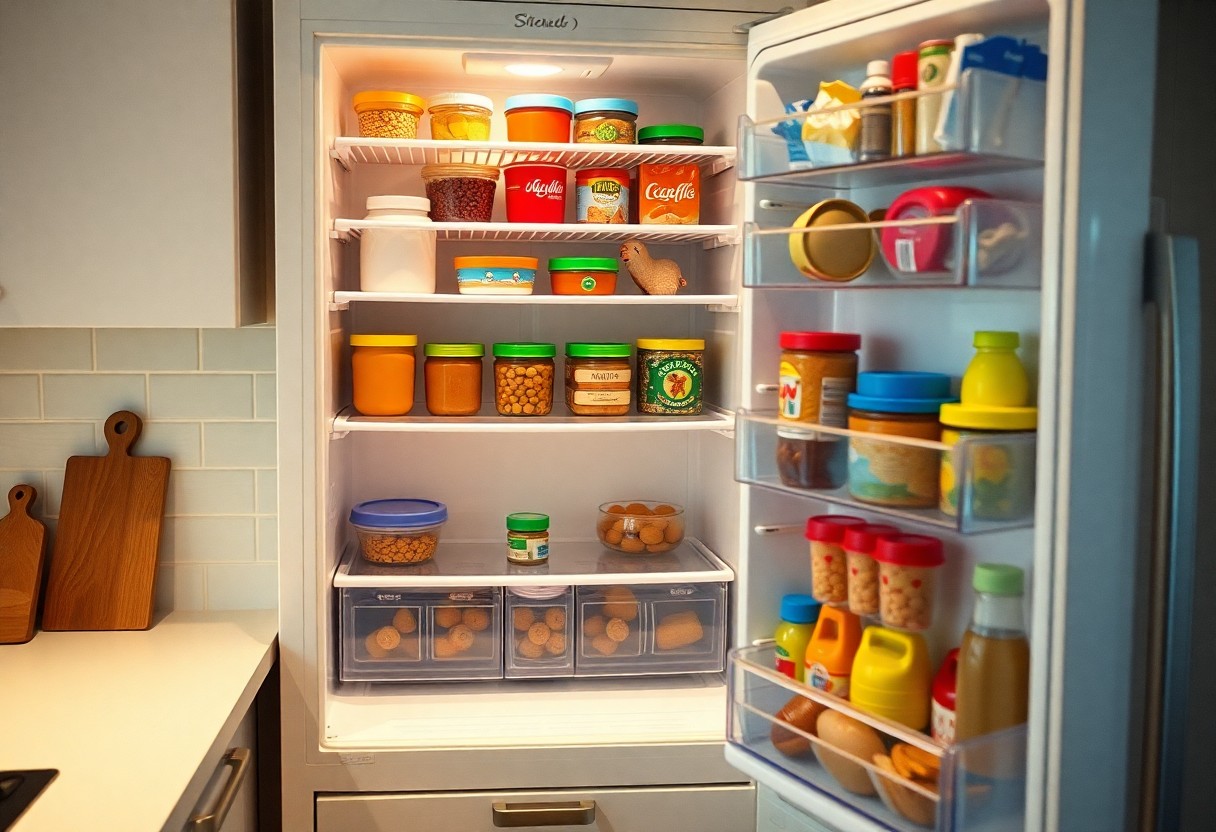
You want to ensure your little ones are safe, starting with the refrigerator, which can harbor dangerous items and substances. By following practical steps, you can effectively secure your fridge while still making snacks accessible for your family. This guide will provide you with easy-to-implement strategies to protect your children from potential hazards, including sharp objects and toxic foods. With the right approach, you can create a safe environment in your kitchen without sacrificing convenience.
Key Takeaways:
- Install child-proof locks on refrigerator doors to prevent unauthorized access.
- Store hazardous items, such as cleaners and medicines, in upper shelves or locked compartments.
- Use clear storage containers to keep small items organized and out of reach.
Identifying Refrigerator Hazards
Understanding the potential dangers lurking in your refrigerator helps you create a safer environment for your children. Various items, such as glass containers, sharp utensils, and toxic food substances, can pose significant threats. Regularly inspecting the contents and identifying potential hazards can prevent accidents, ensuring that your little ones are kept out of harm’s way.
Common Risks Found Inside the Fridge
Common risks inside your refrigerator include items like sharp knives, broken glass, and unlabeled containers housing potentially hazardous foods. Items such as these can easily lead to injury if children access them. Simplifying your fridge’s contents and keeping dangerous items out of reach is imperative for child-proofing.
Unnoticed Areas of Potential Danger
Not all dangers are immediately evident within your refrigerator. Hidden risks like food spoilage, improper storage of raw meats, and the potential for small magnets to become a choking hazard can be overlooked. Regularly assessing how food is stored and maintaining an organized fridge prevents these unnoticed threats from affecting your child’s safety.
Areas like the vegetable crisper or the door shelves often contain items that are easily accessible yet hazardous. For example, moldy fruits or spoiled dairy can cause foodborne illnesses if ingested. Additionally, children may access the door shelves where condiments and jars may pose a risk of falling. Ensure that items are stored securely and beyond your child’s reach, fostering a safer kitchen environment.
Smart Solutions: Tools and Techniques
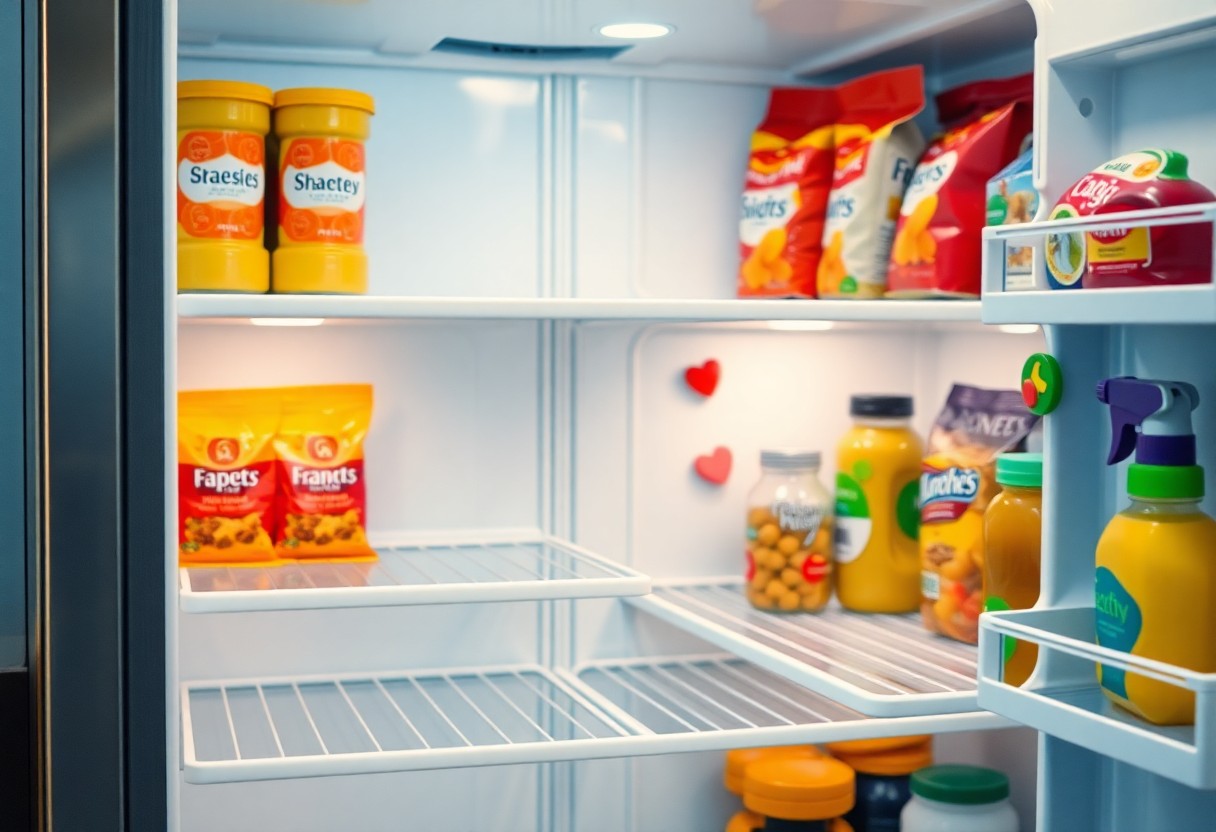
Effective child-proofing combines technology and practical strategies. Various products on the market can help secure your refrigerator, ensuring your little ones stay safe while still allowing you easy access to food and beverages. From innovative locks to container organizers, these solutions enhance safety without compromising convenience. This section explores child-safe products and DIY strategies to fortify your kitchen while maintaining its functionality.
Child-Safe Products to Use
Investing in child-safe locks specifically designed for refrigerators can prevent curious hands from accessing potentially dangerous items. Magnetic locks that require a special key are effective, ensuring that only adults can open the door. Additionally, consider using transparent containers to store foods and beverages, thereby allowing you to monitor what’s inside while keeping it out of reach.
DIY Strategies for Securing Food and Beverages
Securing your food and beverages can also be achieved through simple DIY projects. Use bungee cords or sturdy clips to restrict access to refrigerator shelves, limiting your child’s ability to grab items. Installing a simple latch on the inside can create an extra barrier, making it harder for small hands to explore. With household items, you can create effective safeguards tailored to your refrigerator’s design.
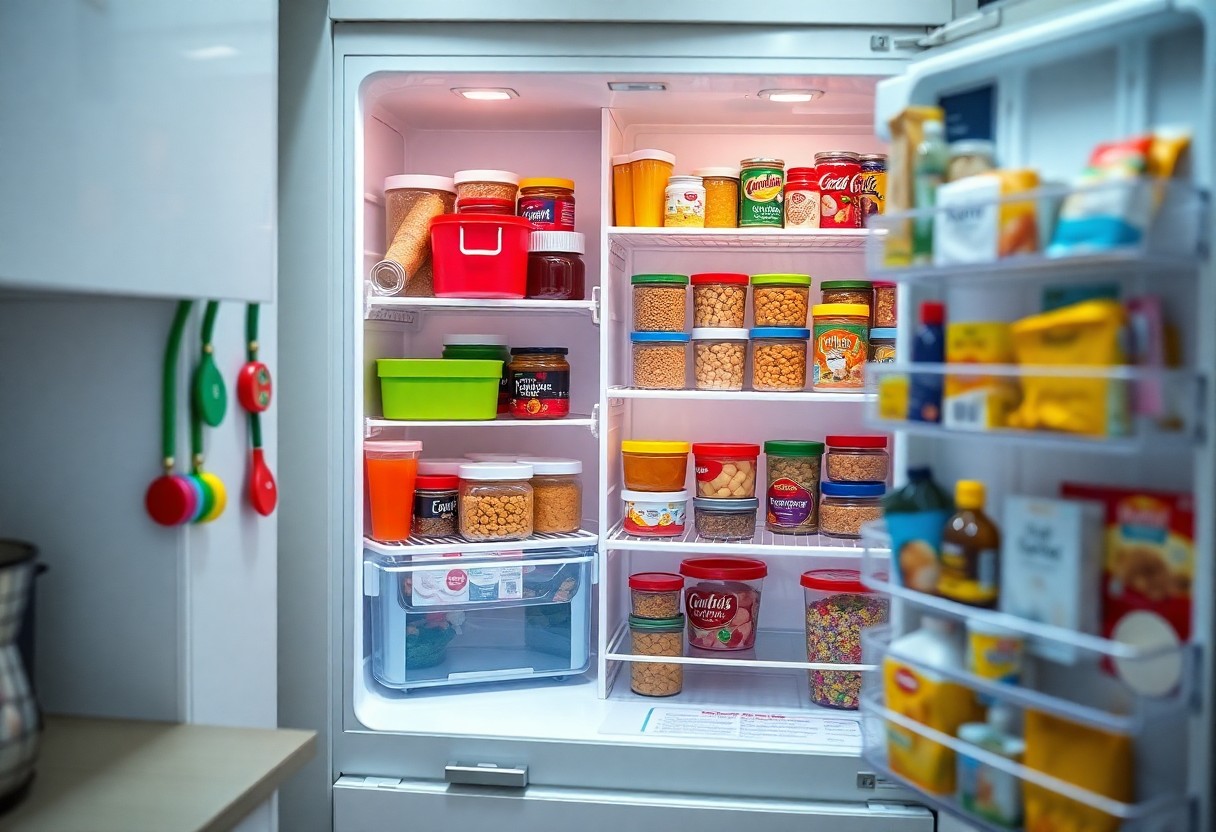
For a quick DIY solution, consider using fabric drawers or bins inside the fridge. By designating specific containers for child-friendly snacks and drinks, you can make it easy for your children to find their treats while keeping harmful items higher up and out of reach. Adapting common household items, like using tension rods to create barriers on shelves, ensures that your refrigerator remains secure without extensive modifications. This way, your child can safely enjoy their snacks while you maintain control over the refrigerator’s contents.
Behavioral Changes: Teaching Safety
Creating a safe refrigerator environment involves not only physical barriers but also teaching your children about safety. Engaging them in discussions about the potential dangers of the fridge can foster awareness and encourage responsibility. Use real-life examples to illustrate scenarios, such as explaining why reaching for sharp objects or consuming expired food can lead to accidents or illness. Empowering your kids with knowledge equips them to make safer choices in the kitchen.
Educating Children About Fridge Safety
Start educating your children about fridge safety by highlighting the importance of respecting boundaries. Use visuals, like labels or drawings, to mark areas that are off-limits or require adult supervision. Discuss why certain items, such as glass bottles and raw meats, can be hazardous. Reinforce these lessons through role-play scenarios, allowing them to practice making safe choices while emphasizing the significance of asking for help when needed.
Enforcing Rules with Positive Reinforcement
Establishing safety rules is only effective when children feel motivated to follow them. Positive reinforcement is a powerful tool in this process. By praising your children for responsible behavior, such as closing the fridge door without being reminded or asking before grabbing food, you nurture their independence while reinforcing safe practices. Small rewards, such as stickers or extra playtime, can further motivate them to adhere to rules consistently.
Implementing a system of positive reinforcement not only encourages adherence to refrigerator safety but also strengthens your relationship with your child. Frequent praise for demonstrating safe behaviors cultivates their confidence and instills a sense of achievement. For instance, a child who consistently waits for your permission before accessing snacks may receive a sticker chart reward after a week of good behavior. This mechanism helps them internalize safety practices and see the value in making smart choices, ultimately leading to a safer kitchen environment.
Maintenance and Monitoring
Ongoing maintenance and monitoring help ensure your child-proofing measures remain effective. Regular evaluations of both the refrigerator itself and the safety measures in place can prevent accidents. Adjustments may be needed as your child grows and their abilities change, allowing for routine checks to identify potential hazards and ensure all safety features are functioning properly.
Regular Refrigerator Inspections
Conduct regular inspections of your refrigerator to identify any potential risks. Look for items that may have shifted and become accessible or any signs of wear in your child-proofing devices. Inspect door seals, shelving, and compartments to make sure everything is secure and in working order. Schedule this evaluation every few weeks for the best safety results.
Creating a Safety Checklist for Parents
Developing a safety checklist helps you consistently maintain a safe refrigerator environment. A checklist serves as a tangible reminder of crucial tasks, like ensuring safety locks are secure and that harmful items are stored out of reach. Update it periodically to adapt to your child’s changing developmental stages, guaranteeing ongoing protection.
Include specific items on your checklist to keep safety a priority. Consider detailing actions like checking that food is stored at safe temperatures, ensuring all safety locks are engaged, and verifying that no hazardous items are within reach. Tailoring the checklist to fit your family’s needs ensures that you address unique risks, creating a customized safety plan that works effectively in your home.
The Role of Technology in Child Safety
Modern technology plays a significant role in enhancing child safety within the kitchen environment. By integrating smart appliances and monitoring devices, you can create a more secure space that minimizes risks. The advent of connected devices allows you to manage access to your refrigerator and monitor your children’s interactions with it, providing peace of mind while they explore. These innovations align seamlessly with traditional child-proofing methods, amplifying their effectiveness.
Smart Refrigerator Features That Help
Smart refrigerators offer features that enhance safety, such as voice activation and touch locks that limit access. Certain models include alarms that alert you when the door remains open too long, preventing accidents or food spoilage. Some advanced units even allow you to monitor contents remotely, ensuring that children are not accessing any items they shouldn’t.
Apps and Gadgets for Enhanced Monitoring
Several apps and gadgets are available to help monitor your refrigerator’s usage. Smart home systems can send alerts to your smartphone if the fridge door is opened, while camera-equipped devices provide real-time visual access to your fridge’s contents. These tools help you stay informed about your children’s interactions with the refrigerator, allowing for prompt intervention if needed.
Utilizing gadgets like smart cameras or door sensors enables you to monitor the refrigerator’s use from anywhere. For example, apps connected to your smart fridge can notify you if the door is left ajar or if certain items have been accessed frequently. This data can help you understand your child’s habits and enforce boundaries, creating a safer environment as they learn self-regulation. Features like geofencing can also alert you when your children are near the kitchen, promoting proactive supervision.
Final Words
Hence, by implementing these smart strategies, you can effectively child-proof your refrigerator, ensuring your child’s safety while promoting independence. Utilize clear containers, magnetic locks, and height adjustments to keep harmful items out of reach and encourage healthy eating habits. Regularly evaluate your setup and adjust as necessary, fostering a safe environment for exploration in your kitchen. By being proactive and vigilant, you will create a space that not only protects your child but also supports their development.
FAQ
Q: What are effective methods to child-proof the refrigerator?
A: Use magnetic locks or latches on refrigerator doors. Implement door stoppers to prevent children from opening fully. Keep harmful items on higher shelves or in locked compartments.
Q: How can I keep children from accessing harmful foods or items in the refrigerator?
A: Store medications, cleaning supplies, and other hazardous items in a locked section or use child safety containers to prevent access. Designate specific areas for snacks that are safe for children.
Q: Are there any special gadgets that can help with child-proofing the refrigerator?
A: Yes, consider using smart locks that can be controlled via smartphone apps. There are also alarms available that sound when the refrigerator is opened, alerting you immediately.
Q: What should I do if my child learns how to open the locks?
A: Continuously reinforce the importance of not accessing the refrigerator without parental supervision. Upgrade to more complex locking mechanisms or use child-proofing locks that are harder for children to manipulate.
Q: How can I involve my child in a safe way while using the refrigerator?
A: Teach your child about safe food choices and involve them in meal preparation by allowing them to help with washing fruits and vegetables. Use this opportunity to educate them about the importance of healthy eating.