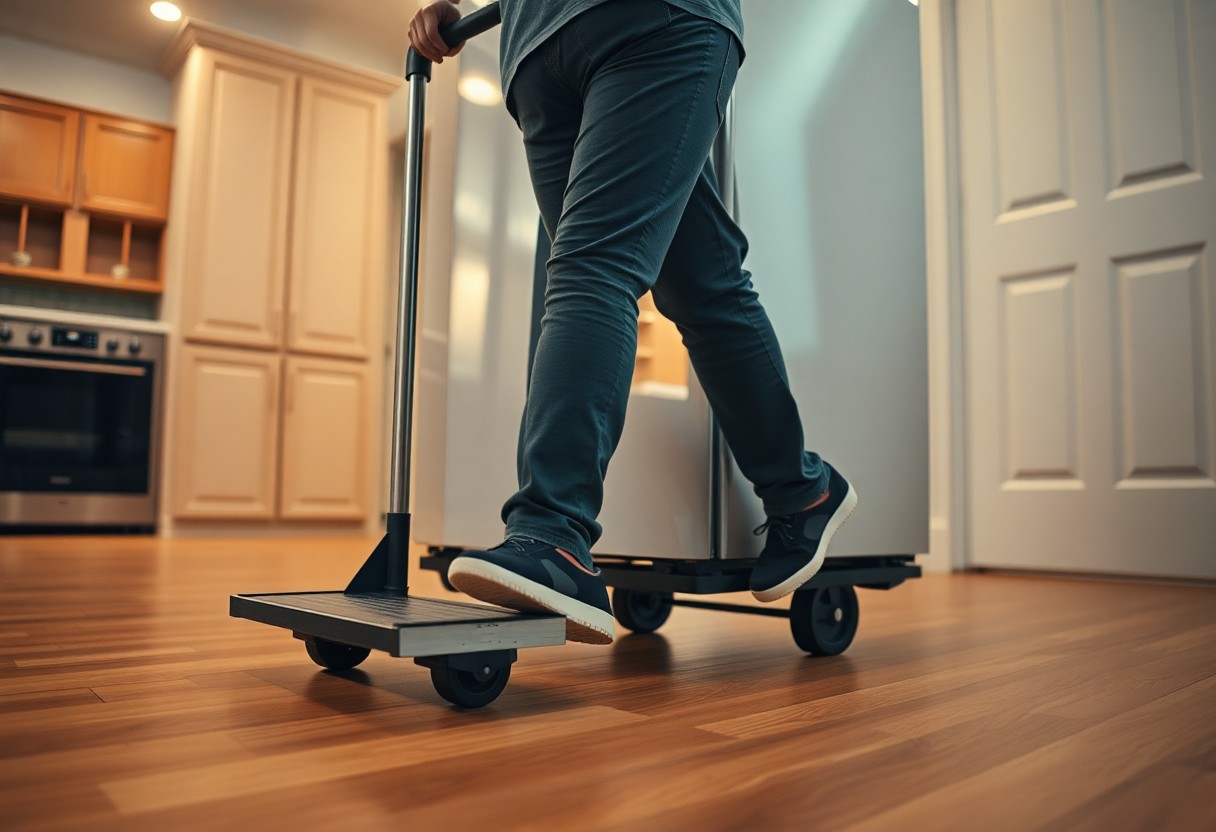
Moving a refrigerator requires careful planning to avoid damaging your floors. You need to use protective barriers like cardboard or moving pads to prevent scratches. Clear a path to ensure you can maneuver the refrigerator without obstacles. It’s important to tilt the fridge at the right angle to ease movement, and always enlist help to manage the weight safely. By following these steps, you can successfully relocate your refrigerator without harming your flooring.
Key Takeaways:
- Use a dolly or hand truck to lift the refrigerator, minimizing contact with the floor.
- Protect the floor with moving blankets or cardboard as you transport the appliance.
- Clear a path and remove obstacles to avoid accidents and potential damage during the move.
Preparing Your Space and Equipment
Before you start moving your refrigerator, create a safe and efficient workspace. Clear the path from the fridge to the exit, removing any obstacles that could potentially cause accidents. Consider the doorways and corners as they may require additional maneuvering space. Make sure you have all necessary equipment within reach, so you won’t have to interrupt the process to fetch anything. This preparation will save you time and reduce the risk of floor damage.
Assessing Floor Types and Protection Needs
Every flooring type requires different protection measures when moving heavy appliances like refrigerators. Identifying your floor type helps you determine the best way to shield it during the move. Factors such as durability and sensitivity to weight impact your approach to protection.
| Floor Type | Protection Needed |
| Hardwood | Use felt pads and moving blankets. |
| Tile | Employ cardboard or blankets to prevent chipping. |
| Carpet | Place plywood sheets for a smoother transition. |
| Laminate | Protect with heavy-duty moving pads. |
| Vinyl | Cover with towels or foam padding. |
Choosing the Right Moving Tools
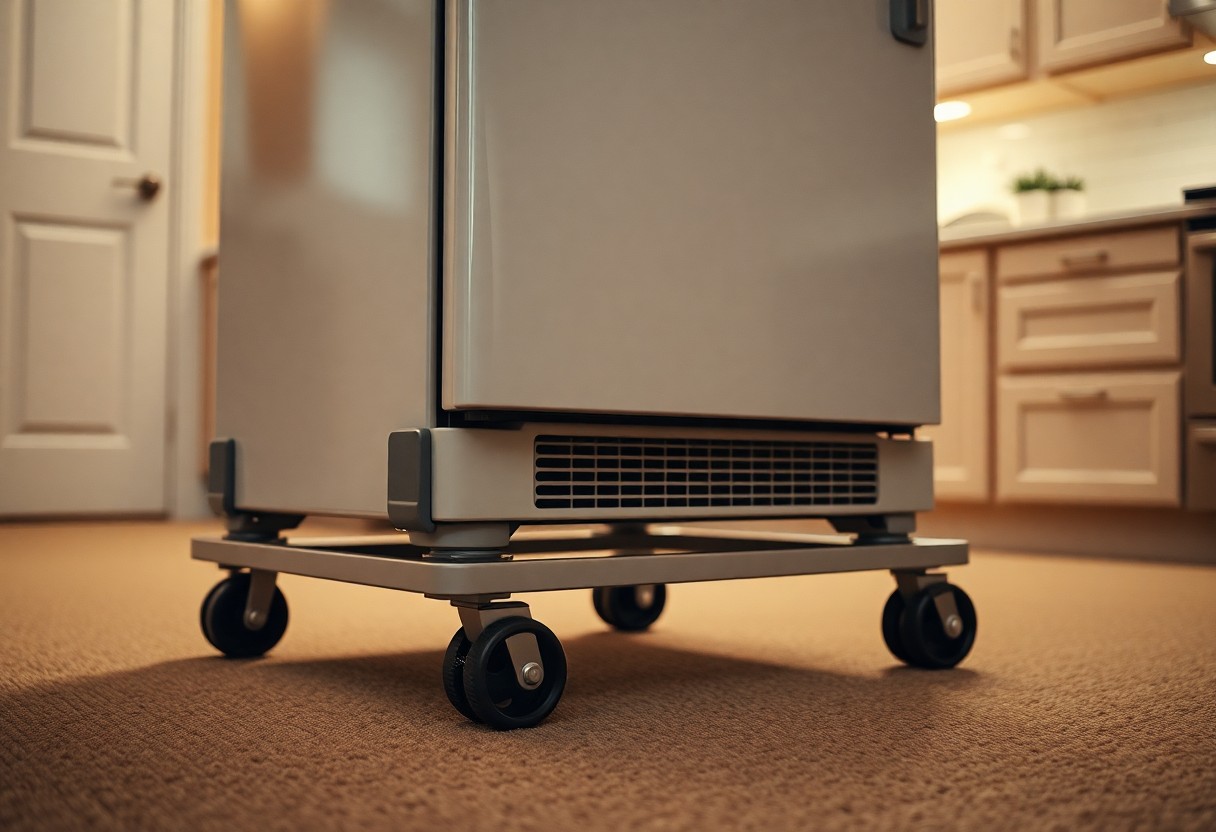
Selecting appropriate moving tools ensures a smoother process while protecting your floors. A hand truck or dolly specifically designed for appliances will minimize contact with the floor and support the refrigerator’s weight. Look for tools that provide stability and make turning in tight spaces easier. This investment can significantly reduce the risk of damaging both the appliance and your flooring.
Strategic Refrigerator Packing Techniques
Proper packing inside the refrigerator can prevent accidents during the move. Organize contents by placing heavier items on the bottom shelves and lighter items on top. Using sealed containers for liquids and perishables will limit spills, while keeping items in their original boxes can add a layer of protection. Ensuring that all items are secured and won’t shift during transport helps maintain stability throughout the process.
Securing Contents for Stability
Stability during transportation is vital for preventing damage. Use non-slip mats to line shelves and pad corners with soft materials. Tightly arrange items to minimize movement, employing bungee cords to secure larger contents when possible. This will not only protect your food but also the internal structure of your refrigerator.
Properly Unplugging and Storing Cords
Unplugging your refrigerator safely ensures no damage occurs during the move. Always turn off the power, then gently remove the plug without yanking. Wrap the cord neatly using a twist tie or rubber band to prevent tangling, and secure it to the back of the appliance to keep it out of harm’s way.
To avoid damage to the cord and ensure safety, always grip the plug firmly at the base and avoid pulling on the cord itself. This minimizes wear and tear on both the cord and the outlet. If moving long distances, consider coiling the cord neatly and placing it in a labeled plastic bag for convenience. Maintaining organization with the appliance’s power supply adds efficiency to your moving process and prevents loss of vital components.
The Art of Maneuvering: Techniques to Guide Your Move
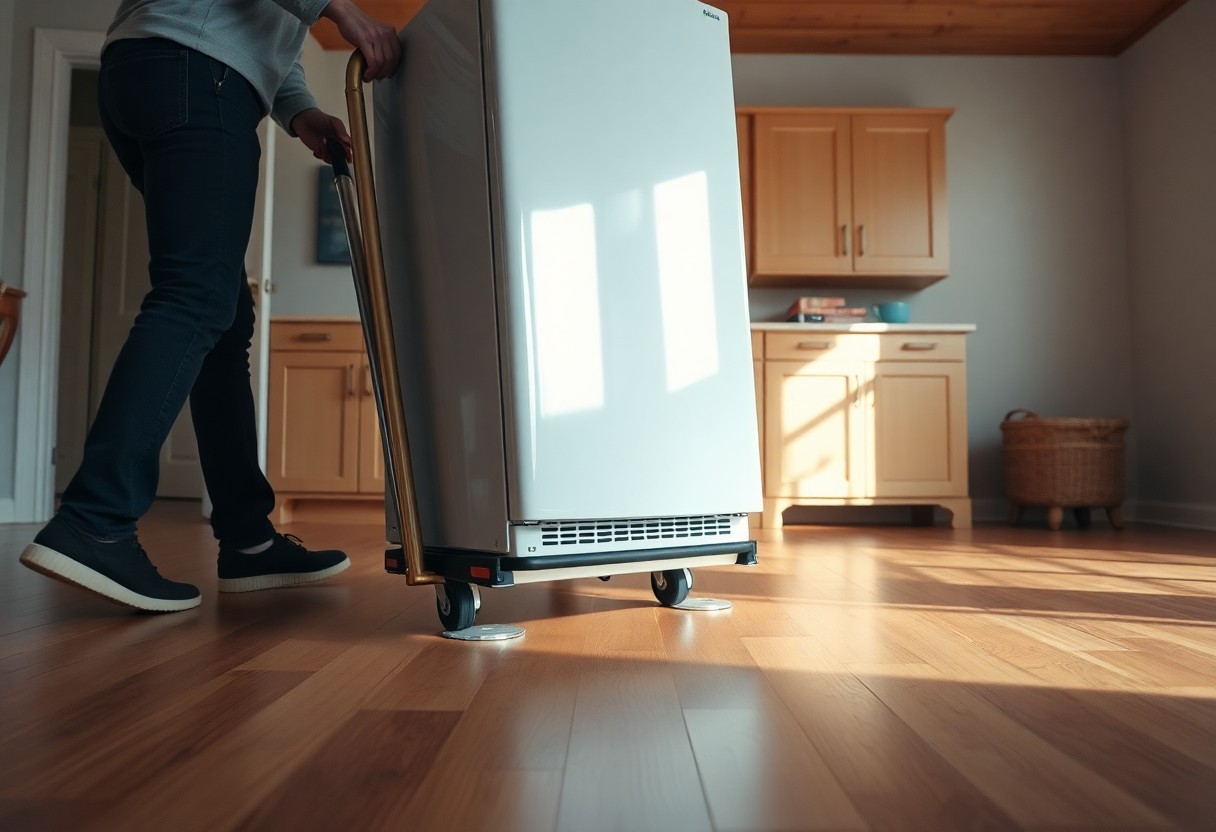
Mastering the maneuvering of a refrigerator involves a blend of strategy and finesse. Properly leveraging leverage, creating frictionless surfaces, and employing muscle power can aid in the journey. Utilize various techniques such as tilting the unit slightly or making use of accompanying tools, ensuring your path is clear and protected. For further guidance, check out How to Move a Refrigerator (Without Scratching the Floor).
Navigating Doorways and Tight Spaces
Doorways and tight spaces can be challenging when moving a refrigerator. To make it easier, angle the unit diagonally while gently pushing it through the doorframe. Protect edges with blankets or cardboard to prevent scratches on both the floor and appliance. Assess the space ahead, ensuring there’s enough clearance to avoid snags.
Utilizing Dollies and Sliders Effectively
Using dollies and sliders can significantly ease the process of moving a refrigerator. Dollies offer a sturdy base to lift and transport heavy appliances without straining your back. Sliders, on the other hand, are excellent for gliding the refrigerator across floors, minimizing friction and potential damage. Position dollies under the fridge’s base and secure it with straps for stability during movement. Incorporate sliders beneath the front legs, allowing for smooth transitions, especially on hardwood or tile surfaces.
Effective Communication: Coordinating with Helpers
Coordinating with your helpers ensures a smooth transition when moving a refrigerator. Start by gathering everyone involved and clearly discussing the plan, including the route and any challenging doorways or corners. Efficient communication helps align efforts, reducing the risk of accidents or damage during the move.
Assigning Roles for a Smooth Operation
Each helper should have a designated role to facilitate the refrigerator’s movement. Assign specific tasks such as guiding at the front, lifting, or managing obstacles. Clearly defined roles minimize confusion and ensure that everyone knows their contribution, streamlining the entire process.
Using Clear Signals and Commands
Employing clear signals and commands is vital to direct your team effectively. Establish a set of verbal cues or hand signals before starting the move. This approach prevents miscommunication and allows everyone to react swiftly, especially in tight or complicated spaces.
Verbal commands like “lift,” “forward,” or “stop” can effectively keep everyone on the same page. Hand signals can be used in noisy environments to maintain focus without shouting. Practice these cues with your team beforehand to ensure everyone is familiar with their meanings, leading to a seamless and safe moving experience.
Spotless Transition: Ensuring Floor Safety
To maintain floor safety during your refrigerator move, invest in high-quality protective materials. Utilize painter’s tape to secure moving blankets or cardboard along the floor’s path. Consider using a furniture dolly equipped with rubber wheels to minimize scratches and scuffs. Don’t forget to lift rather than drag, as even small movements can cause unexpected damage. Position your refrigerator carefully while navigating around tight corners to prevent accidents.
Post-Move Inspection and Cleaning Tips
After relocating your refrigerator, conduct a thorough inspection of your floors. Look for any scratches or residue, particularly in high-traffic areas. Utilize a gentle cleaner to wipe up any marks and restore shine. Employ a soft cloth or sponge, avoiding harsh chemicals that could further damage your flooring. Checklist items may include:
- Inspect for scratches
- Clean any debris
- Restore shine with appropriate cleaners
After ensuring everything looks pristine, you’ll be glad you took the time for this step.
Damage Prevention Strategies for Future Moves
To safeguard against damage during future moves, employ practical strategies. Using a moving company experienced with large appliances can alleviate concerns about floor abrasions. Always measure doorways and tight spaces beforehand to prevent unnecessary struggles. Invest in high-quality moving pads for optimal protection, and ensure your path is clear of obstacles to facilitate a smooth transition.
Research shows that using a professional mover can reduce damage risks by up to 70%. Before any move, make an inventory checklist of all protective materials and tools required for a safe transport. Engaging friends or family can also assist in sharing the weight if you decide to handle the move yourself. When planning your next relocation, keeping these strategies in mind will significantly enhance floor protection during the process.
Conclusion
Presently, moving a refrigerator without damaging your floors requires careful planning and the right tools. By using a sturdy appliance dolly, protective floor coverings, and enlisting help for leverage, you can ensure a safe and efficient move. Always take your time to maneuver around corners and through doorways, minimizing any risk of scuffing or scratching. Following these steps will help protect your flooring while successfully relocating your refrigerator.
FAQ
Q: What is the best way to prepare a refrigerator for moving?
A: Start by unplugging the refrigerator and giving it time to defrost. Remove food items and shelves. Secure any loose parts with tape to prevent movement during transport.
Q: How can I protect my floors when moving a refrigerator?
A: Use moving blankets or furniture sliders underneath the refrigerator. Additionally, consider laying down cardboard or plywood to distribute weight and prevent scratches.
Q: Should I lay the refrigerator on its side during the move?
A: It is not recommended to lay a refrigerator on its side as it can damage the compressor. If necessary, ensure it is laid carefully and is upright as much as possible during transport.
Q: What tools will I need to move a refrigerator safely?
A: Equip yourself with a hand truck, moving straps, and floor protectors like furniture sliders or blankets. A second person is also helpful for balancing and guiding during the move.
Q: How do I maneuver the refrigerator through doorways and around corners?
A: Angle the refrigerator slightly as you approach doorways and twists. Use a hand truck to lift and tilt if necessary. Take your time to navigate corners carefully, ensuring not to rush to avoid damage.