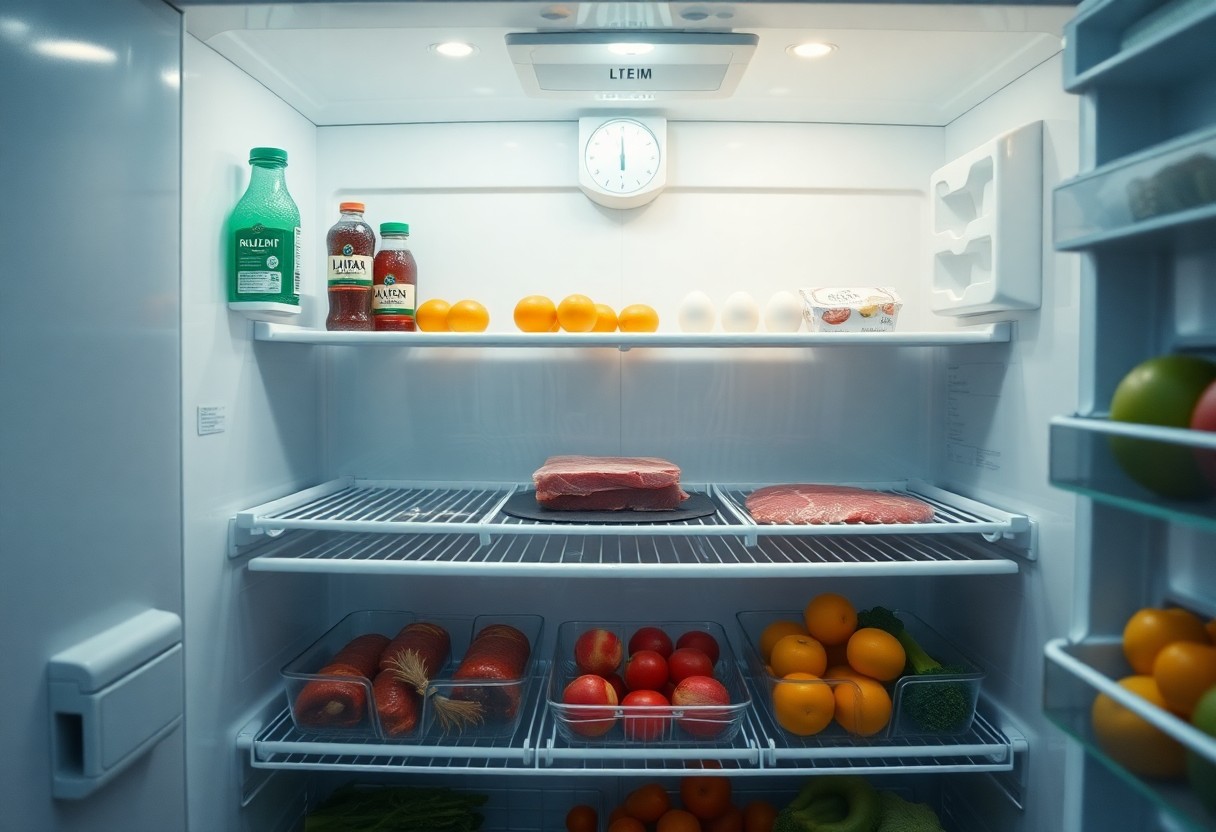
Most people underestimate the impact of refrigerator zones on food preservation. By understanding temperature settings and properly utilizing designated areas within your fridge, you can significantly extend the freshness of your groceries. For instance, placing perishables in the crisper drawer and adjusting shelves for optimal air circulation not only keeps your food fresh but also minimizes waste. This guide will empower you with imperative tips to enhance your food safety and quality, ensuring you enjoy every meal without the fear of spoilage.
Key Takeaways:
- Utilize the crisper drawers for fruits and vegetables to maintain optimal humidity levels.
- Store dairy products in the middle shelves where temperature is consistent, avoiding the door.
- Keep raw meats on the bottom shelf in a separate container to prevent cross-contamination.
Pinpointing Temperature Zones: The Science of Refrigeration
Understanding the temperature zones in your refrigerator is vital for maximizing food freshness. Refrigerators typically have varying temperatures, with the coldest areas often located at the back and bottom, while the warmest spots are usually in the front and top. A good 5 Fridge Zone Strategy Saves $500 Annually – Food Hacks allows you to organize food effectively to preserve its quality and reduce waste.
| Zone | Typical Temperature |
| Upper Shelves | 35°F – 40°F |
| Middle Shelves | 34°F – 38°F |
| Lower Shelves | 32°F – 36°F |
| Crisper Drawers | 30°F – 35°F |
| Door Bins | 40°F – 45°F |
How Different Temperatures Affect Freshness
A food’s freshness greatly hinges on its storage temperature. Most perishables thrive at temperatures between 32°F and 40°F, while temperatures above 40°F accelerate spoilage and bacterial growth. Keeping fruits and vegetables below 35°F extends their longevity; dairy and meat products fare better on middle shelves—averaging around 34°F. Understanding these nuances can significantly diminish food waste.
| Temperature Range | Impact on Food |
| Above 40°F | Bacterial growth increases |
| 32°F – 35°F | Optimal for most perishables |
| Below 30°F | Risk of freezing and texture alteration |
Identifying the Optimal Zones for Common Foods
Designating specific areas for various foods enhances freshness and quality. For instance, keep dairy on the middle shelves where temperatures stabilize. Meat belongs on the bottom shelf to minimize cross-contamination, and fruits and vegetables should stay in crisper drawers with controlled humidity. By recognizing these optimal zones, you’re effectively setting your fridge up for maximum efficiency and taste.
Identifying the optimal zones for common foods not only keeps them fresher but also enhances meal prep convenience. For example, eggs and condiments should be placed in the door since they don’t require as cold of a temperature. Positioning leafy greens and herbs in the crisper drawer with a moist environment is ideal, as it prevents wilting. Assigning specific zones reduces the time spent rummaging through your refrigerator and helps maintain a clean and organized space.
Mastering the Art of Food Placement
Effective food placement enhances your refrigerator’s efficiency and extends food freshness. By utilizing specific zones tailored to different food types, you can maintain optimal temperatures that cater to varying preservation needs. For instance, placing dairy products on middle shelves where temperatures are more stable ensures longer shelf life, while fish and meat belong in the colder, lower zones to minimize spoilage.
Zone-Specific Storage Guidelines
Each refrigerator zone has unique characteristics that influence food preservation. Store raw meats in the bottom drawer to prevent contamination, while fruits thrive in the crisper compartment where humidity levels are higher. Position condiments and beverages on the door shelves, as they experience frequent temperature fluctuations, which are less impactful on their firm structures.
The Power of Airflow and Organization
Maintaining proper airflow is necessary for consistent refrigeration. Leave space between items to allow cold air to circulate effectively; overcrowding disrupts temperature regulation, leading to uneven cooling. Organizing food by type not only reduces spoilage but also makes it easier to locate items, thus minimizing the time the door remains open and preserving the internal temperature.
Implementing thoughtful organization strategies can greatly influence the longevity of your food. By grouping similar items together, you create a more efficient workflow when accessing ingredients, which minimizes the risk of letting warm air into the fridge. For optimal airflow, avoid placing tall items in front of air vents, as this can block airflow and create hot spots. A well-organized refrigerator, where you can see everything at a glance, also helps you manage expiration dates effectively, reducing waste and ensuring you consume perishables before they spoil.
The Role of Humidity in Food Preservation
Humidity significantly impacts food preservation, as it influences moisture retention in fruits, vegetables, and meats. Maintaining the right humidity levels slows down dehydration and spoilage processes, ensuring that your food stays fresh longer. Some foods thrive in high-humidity environments, while others require lower humidity to prevent mold and decay. Understanding these specific needs helps you optimize your refrigerator’s microclimate, aiding in maintaining your food’s quality and extending longevity.
High versus Low Humidity: What Works Best for What
High humidity is ideal for leafy greens, herbs, and fruits like berries, which require moisture to remain crisp. In contrast, low humidity is best suited for items like whole grains, cheeses, and meats, as it helps inhibit the growth of mold and bacteria. Manipulating humidity levels based on food types enables you to maximize freshness and minimize waste, ensuring everything is stored in conditions that best suit their unique preservation needs.
Adjusting Your Refrigerator’s Settings for Maximum Freshness
To achieve optimal freshness, adjust your refrigerator’s settings according to the type of food you’re storing. Use the crisper drawers for high-humidity items, where settings can often be adjusted to retain moisture. Conversely, set the main compartments to lower humidity for items prone to spoilage. Additionally, ensure your refrigerator’s overall temperature is kept between 37°F and 40°F, as this range effectively slows bacterial growth while preserving food quality.
Dealing with Common Food Storage Mistakes
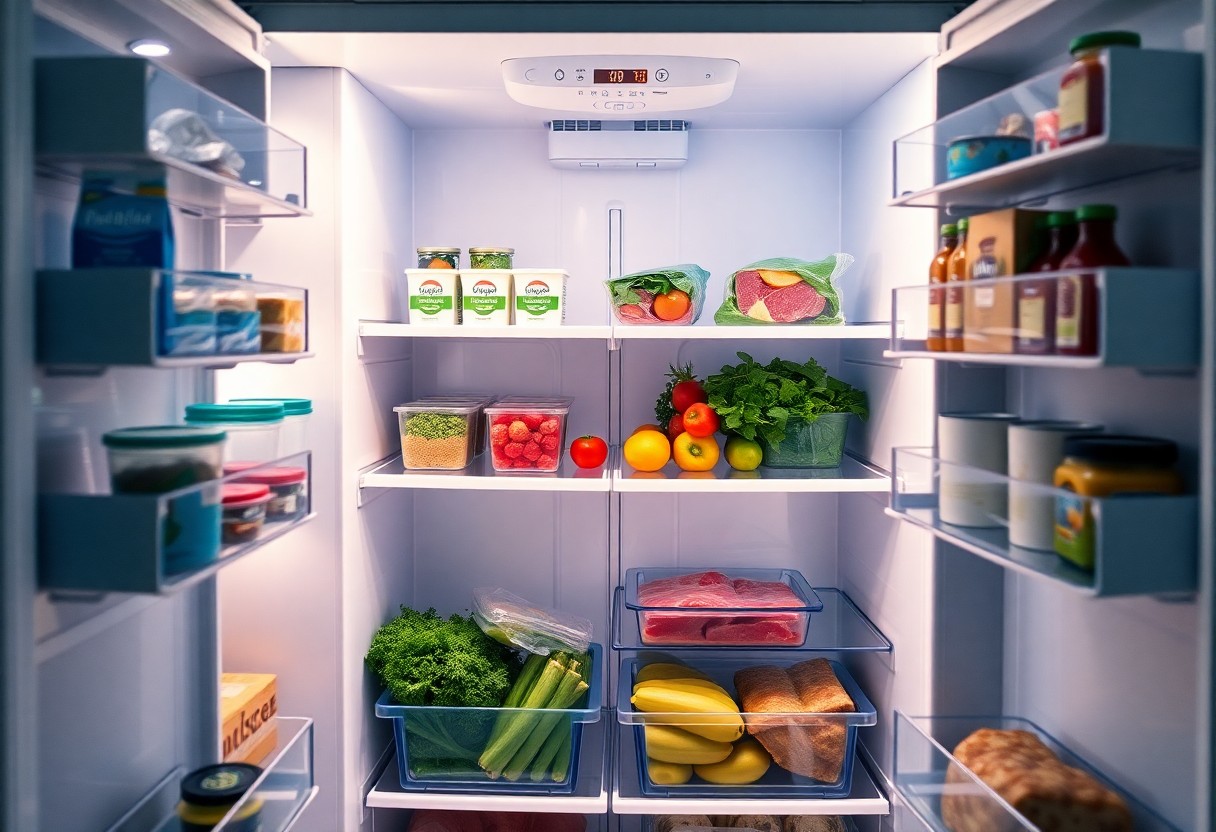
Improper food storage can significantly reduce the longevity of your perishables. Common mistakes include overcrowding shelves, storing food in unsuitable zones, or neglecting to check expiration dates. Each of these missteps can lead to spoilage, waste, and potential foodborne illnesses. Adopting correct storage practices can vastly improve your refrigerator’s efficiency and extend the freshness of your food.
The Impact of Improper Storage on Food Lifespan
Inappropriate food storage can shorten the lifespan of your groceries, with some items, like dairy and fresh produce, becoming inedible days or even hours earlier than expected. For instance, storing leafy greens in the coldest section can lead to premature wilting, while items exposed to fluctuating temperatures suffer from bacterial growth that may make them unsafe.
How to Avoid Cross-Contamination in Your Refrigerator
Preventing cross-contamination is vital for food safety. Store raw meats on the bottom shelf to avoid drippings, use separate bins for fruits and vegetables, and invest in airtight containers for leftovers. Implementing these practices minimizes the risk of pathogens spreading and protects the integrity of your food.
Designating specific areas for raw meats, poultry, and seafood is important to averting cross-contamination. Ideally, raw proteins should be kept in a dedicated drawer or on a tray to catch any drips, preventing harmful bacteria from contacting ready-to-eat foods. Using color-coded containers can further enhance separation and visibility, significantly reducing the risk of mix-ups when preparing meals. Regularly cleaning your refrigerator also maintains a safe environment, ensuring that spills are promptly addressed and bacteria are kept at bay.
Innovative Techniques for Prolonging Freshness
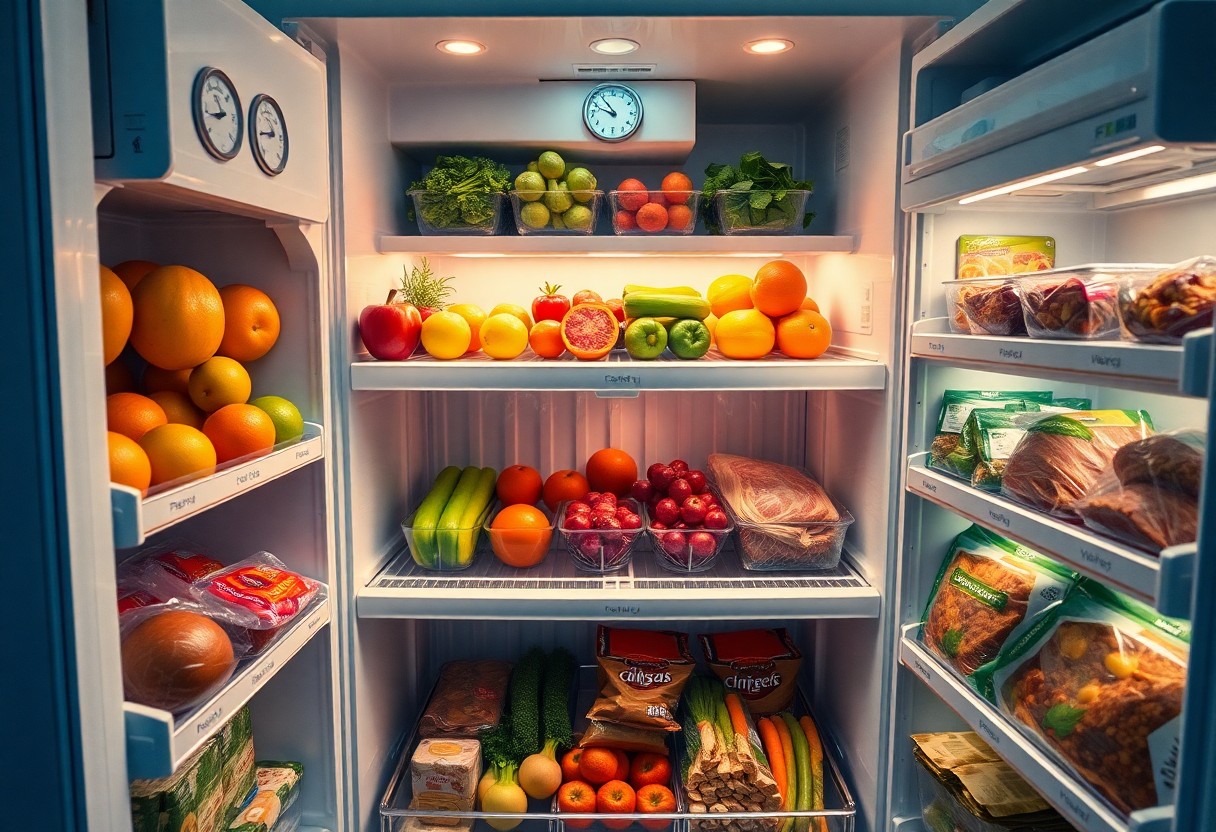
Exploring inventive strategies significantly enhances food longevity, ensuring you enjoy fresh and flavorful ingredients longer. Techniques such as vacuum sealing, optimal spacing, and understanding ethylene production can revolutionize your storage practices. By implementing these methods, you can dramatically reduce spoilage and waste, making your food storage smarter and more efficient.
Use of Airtight Containers and Wrapping Methods
Airtight containers and effective wrapping methods are crucial for keeping moisture and air away from your perishables. Utilizing glass containers for leftovers or vacuum-sealed bags for raw meats prevents exposure to oxygen, which can hasten spoilage. Additionally, wrapping items in wax paper or aluminum foil plays a pivotal role in preserving freshness, ensuring flavors remain intact and the foods stay safe from contamination.
Leveraging Natural Preservatives and Practices
Natural preservatives can enhance your food’s lifespan without artificial chemicals. Ingredients like vinegar, lemon juice, and salt not only impart flavor but also inhibit the growth of spoilage bacteria. Simple practices, such as blanched vegetables, can further extend freshness while retaining nutritional value. Consider incorporating these methods into your routine to create a healthier and more sustainable approach to food preservation.
For example, pickling vegetables in a vinegar solution can increase their shelf life significantly. Items like cucumbers, carrots, and radishes can last for months rather than days. Similarly, using lemon juice to coat cut fruits like apples and avocados not only prevents browning but also offers a fresh taste. Integrating these natural practices into your storage routine fosters an eco-friendly and cost-effective method for enjoying your favorite foods longer while minimizing waste.
Final Words
Taking this into account, utilizing the refrigerator zones effectively can significantly extend the freshness of your food. By placing items in their appropriate zones—keeping meat in the coldest section, fruits in humidity-controlled drawers, and dairy in the designated areas—you optimize the preservation of your groceries. Regularly checking temperatures and organizing your fridge will ensure that you take full advantage of these storage capabilities, ultimately reducing waste and enhancing the quality of your meals.
FAQ
Q: What are refrigerator zones and why are they important?
A: Refrigerator zones refer to different temperature areas within a refrigerator, influenced by airflow and location. These zones are important because certain foods maintain their freshness longer when stored in specific temperature ranges. For example, the coldest zone is ideal for raw meats, while the warmer zones suit fruits and vegetables.
Q: How can I use the coldest zone of my refrigerator effectively?
A: The coldest zone is typically at the back of the fridge, where temperatures hover around 0°F to 32°F (-18°C to 0°C). Store raw meats, poultry, and fish in this zone to keep them at safe temperatures, preventing bacterial growth and extending their freshness.
Q: What foods should be kept in the vegetable crisper drawer?
A: The vegetable crisper drawer is designed for humidity control, making it excellent for storing produce. Keep fruits like apples and pears in the crisper, while leafy greens and vegetables like carrots and bell peppers thrive in this environment too, prolonging their freshness by maintaining optimal moisture levels.
Q: How can I optimize temperature settings for different food types?
A: Set your refrigerator temperature between 34°F and 38°F (1°C to 3°C) as a general guideline. For dairy products, place them on middle shelves where temperatures are more stable. Place less perishable items, like condiments, on door shelves where it’s warmer, and store high-moisture items like fruits and vegetables in the crisper drawer.
Q: What common mistakes should I avoid to extend food freshness?
A: Common mistakes include overcrowding the fridge, which restricts airflow and leads to uneven temperatures. Avoid placing hot leftovers directly in the fridge; let them cool down first. Additionally, check for expired items regularly to prevent spoilage and cross-contamination with fresh items.