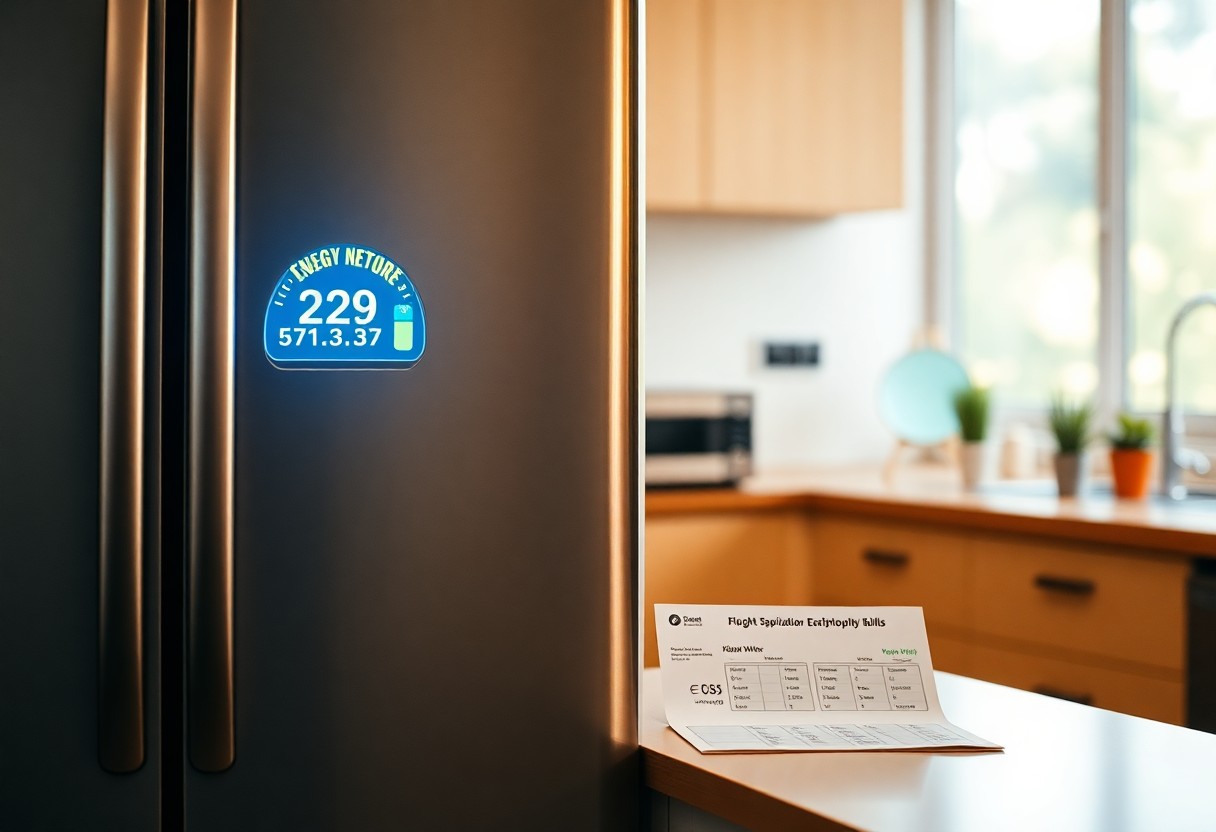
Energy efficiency is necessary for lowering utility bills and minimizing your environmental impact. As you explore how to evaluate your fridge’s energy-saving mode, you’ll want to focus on monitoring energy consumption, checking for temperature consistency, and comparing your energy bills before and after activation. Knowing whether this feature truly benefits your household can not only enhance your fridge’s performance but also save you money over time.
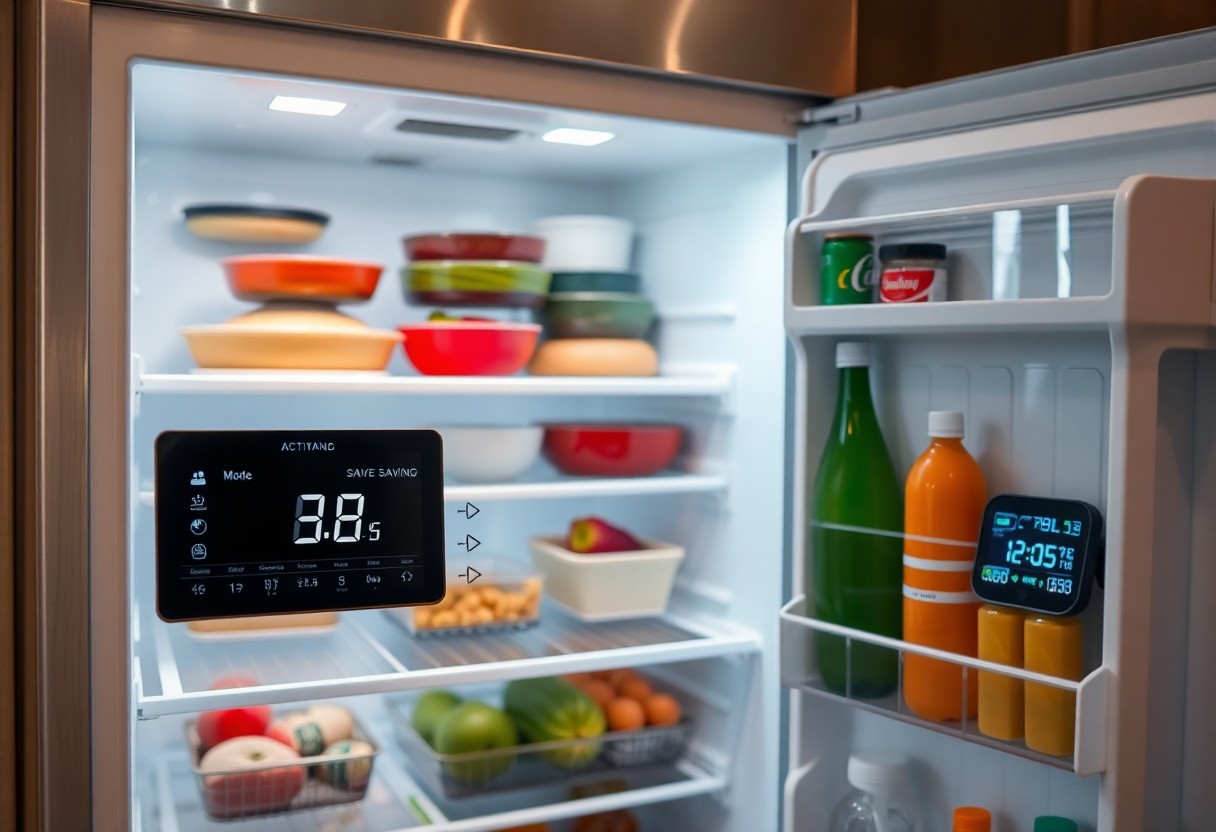
Key Takeaways:
- Check energy consumption before and after activating energy-saving mode to assess effectiveness.
- Monitor fridge temperature to ensure food safety while in energy-saving mode.
- Look for utility bill trends over time to determine any savings from energy-saving settings.
Decoding the Energy-Saving Mode
Understanding how your fridge’s energy-saving mode operates is imperative for optimizing its performance. This feature typically alters the compressor’s operation and temperature settings, adjusting them to save energy while maintaining food quality. By cycling the compressor less frequently or modulating the cooling intensity, you can reduce energy usage without sacrificing freshness.
How Refrigerators Manage Energy Consumption
Refrigerators manage energy consumption through various mechanisms, primarily involving the compressor and thermostat. Modern models often feature advanced sensors that continuously monitor internal temperatures. This enables the unit to adjust cooling levels based on your usage patterns, ensuring optimal efficiency during different times of day while keeping energy consumption minimal.
Common Features in Energy-Saving Modes
Many energy-saving modes include features like delayed compressor activation, modified fan speeds, and raised internal temperature settings during off-peak hours. Some models utilize smart technology to promote better energy management by learning from your habits and optimizing performance accordingly. These adjustments not only reduce energy consumption but also contribute to lower utility bills.
In energy-saving modes, refrigerators might implement several specific features that significantly enhance efficiency. For instance, compressor run time can be reduced, which not only saves power but also prolongs the appliance’s lifespan. Additionally, some brands utilize a vacation mode that maintains a higher temperature in the fridge and freezer while you’re away, further minimizing energy use. Opting for energy-efficient LED lights is another common aspect, as these consume less power than traditional bulbs. Together, these features help achieve noticeable savings without compromising food safety or quality.
Assessing Your Fridge’s Performance Metrics
Evaluating your fridge’s efficiency involves examining specific performance metrics that reveal its true energy usage. Begin by monitoring the internal temperatures in various compartments to ensure your appliance maintains optimal conditions for food preservation. Utilize this data to determine if energy-saving mode impacts temperature stability.
Monitoring Temperature Fluctuations
Consistent temperature measurements can reveal if your fridge struggles under energy-saving mode. Ideally, you should track fluctuations within the refrigerator and freezer compartments over a week, recording any variations that may indicate insufficient cooling.
Temperature Fluctuations Data
| Measurement Day | Temperature (°F) |
|---|---|
| Day 1 | 34 |
| Day 2 | 37 |
| Day 3 | 33 |
| Day 4 | 39 |
| Day 5 | 35 |
| Day 6 | 36 |
| Day 7 | 38 |
Analyzing Energy Usage Data
Extracting data from your fridge’s energy meter allows you to interpret its energy consumption before and after engaging energy-saving mode. This analytical step exposes trends in electric expenditure that can highlight any discrepancies.
Tracking energy usage offers significant insights into the effectiveness of your fridge’s energy-saving features. Compare average monthly kilowatt-hour (kWh) consumption in both modes to see if energy-saving mode reduces your utility bill. If you notice only minimal reductions, review how often you open the door, the frequency of restocking, and the duration of door openings, as these factors can profoundly affect performance while in energy-saving mode.
Practical Tests to Confirm Efficiency
To accurately determine if your fridge’s energy-saving mode is effective, conducting practical tests can be invaluable. Start by tracking energy usage over a week, comparing readings before and after switching to energy-saving mode. This gives you a clearer view of any variations in energy consumption, helping you assess the actual impact on your utility bills.
Setting Up a Basic Energy Audit
Begin your energy audit by installing a dedicated notepad or digital tool to log energy readings. Document the wattage or kilowatt-hours consumed on a daily basis for both standard and energy-saving modes. By averaging these figures, you can quantify the energy savings generated and spot any inconsistencies in performance or unexpected spikes in energy use.
Using Energy Meters for Real-Time Feedback
Employing energy meters provides immediate insights into your fridge’s energy consumption. These devices can be plugged directly into your outlet and will display real-time data on wattage and efficiency while your fridge operates. With this information, you can make swift comparisons between modes, identifying peak usage and effective energy-saving cycles that otherwise may go unnoticed.
Energy meters often deliver detailed analytics that reveal patterns in energy consumption, such as trends over time or fluctuations in response to temperature settings. By monitoring this data closely, you can better understand when your fridge operates less efficiently, allowing for adjustments that maximize energy conservation. Historical data from these devices can serve as compelling evidence if you decide to advocate for a newer, more efficient refrigerator or to simply justify your energy-saving mode’s existence.
The Role of Ambient Factors in Energy Savings
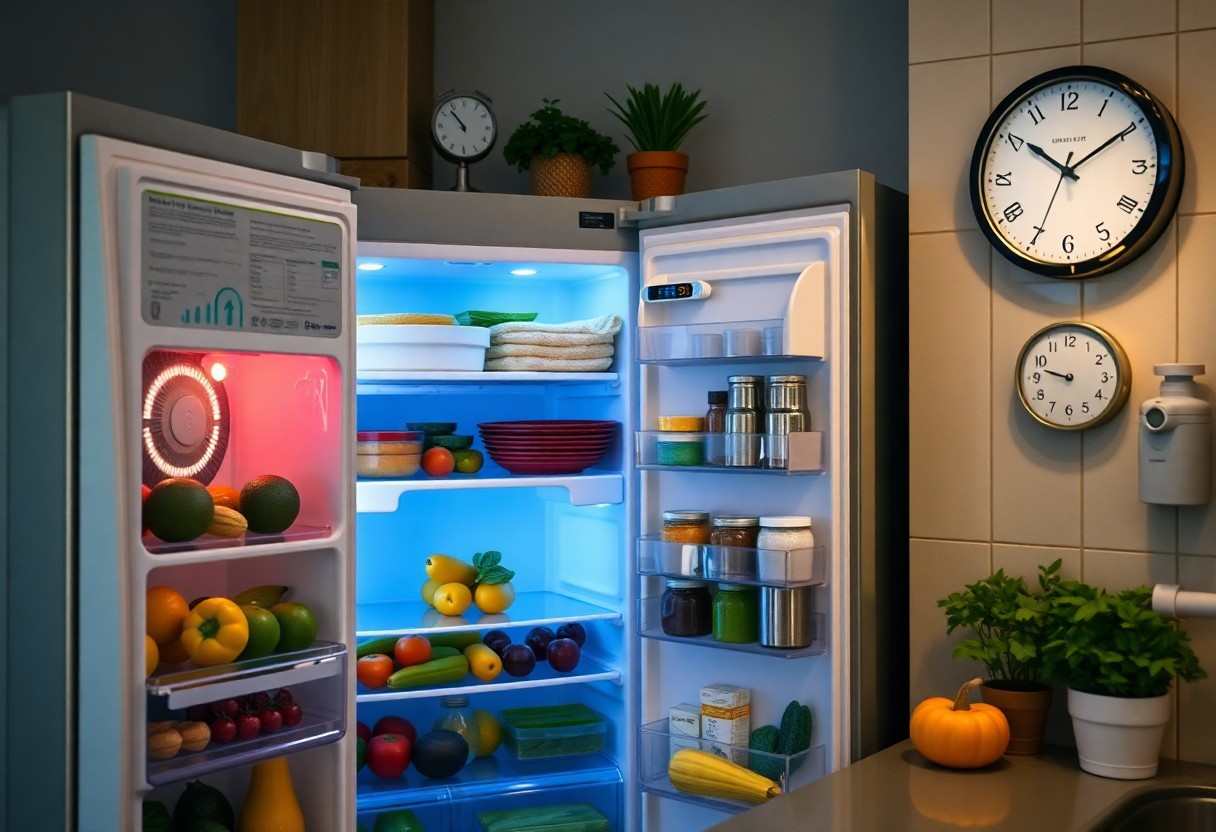
Ambient factors play a significant role in your fridge’s energy efficiency. Variations in temperature, humidity, and airflow can directly impact how well your refrigerator operates in energy-saving mode. Key elements include:
- Ambient temperature: Affects compressor efficiency.
- Humidity levels: Influence cooling performance.
- Air circulation: Impacts heat dissipation.
Any fluctuations in these conditions can reduce your fridge’s ability to operate efficiently, impacting your energy savings.
Understanding Your Kitchen Environment
Your kitchen environment significantly affects your refrigerator’s performance. For instance, placing your fridge near heat-producing appliances can elevate its ambient temperature, forcing it to work harder. Adequate airflow around the unit is vital; ensure nothing obstructs vents. Evaluate the overall setup, including sun exposure and room temperature variations, as these factors can limit your fridge’s efficiency and energy savings.
Seasonal Variations and Their Impact on Performance
Seasonal changes can dramatically influence fridge performance and energy consumption. In summer, higher ambient temperatures require your refrigerator to work overtime, leading to increased energy use. During winter, less energy may be consumed if external temperatures drop, but excessive humidity can still pose challenges. Understanding these fluctuations helps you manage your energy use better.
Summer months can result in up to a 20% increase in energy consumption for refrigerators as the warmer air forces the compressor to function more frequently. Conversely, winter can reduce energy usage, but multifaceted factors like high humidity levels may lead to condensation, increasing the workload on your fridge. Be aware that maintaining a steady interior temperature, irrespective of outside conditions, is ideal for maximizing energy savings throughout the year. Adjusting settings based on seasonality can significantly enhance your fridge’s performance and efficiency.
Expert Tips for Optimizing Energy Savings
To maximize your fridge’s efficiency, implement strategies that enhance its energy-saving mode. Consider keeping the temperature set between 37°F and 40°F for optimal cooling without excessive energy use. Regularly check the door seals for leaks and clean the condenser coils for improved airflow. Shorten the time the door is open, and avoid cramming items inside to maintain airflow. Utilize the energy-saving features on your fridge, and always air-dry items before placing them in for cooling. Assume that these practices can significantly reduce your energy consumption.
Maintenance Practices to Enhance Efficiency
Regular maintenance is key to ensuring that your fridge operates at peak efficiency. Clean the condenser coils every six months to prevent dust buildup that can hinder performance. Ensure door seals are tight by performing a simple dollar bill test; if it slips out easily, it’s time to replace the seals. Check the temperature settings to confirm they’re optimized, and make it a habit to defrost older models to maintain proper airflow. Small adjustments lead to significant savings over time, enhancing your fridge’s energy efficiency.
Upgrading Your Fridge: When to Consider a New Model
You might need to consider a new fridge if yours is over 10 years old or no longer cooling properly. Modern models are designed to be more energy efficient, often using up to 50% less energy than older units. If your energy bills have significantly increased or you’re frequently calling for repairs, it’s time to evaluate an upgrade. New refrigerators not only save energy but also come with features like better temperature controls and smarter technology.
A fridge upgrade can provide substantial long-term savings. Look for models that have the ENERGY STAR label, which indicates they meet strict energy efficiency guidelines. Many of these newer fridges also offer advanced technology that maintains optimal conditions within the unit, and some even have smart features that allow you to monitor energy consumption via an app. Investing in a new fridge not only helps the environment but can also lower your electricity bills and improve the overall performance and longevity of your food storage solutions.
Conclusion
Ultimately, to determine if your fridge’s energy-saving mode is effective, you should regularly monitor your energy bills and food freshness. By comparing performance before and after activating the mode, you can assess any changes in efficiency. Additionally, checking the appliance’s energy rating and ensuring proper maintenance can further enhance its functionality. This proactive approach will help you maximize savings and ensure your fridge operates optimally.
FAQ
Q: How can I check if my fridge’s energy-saving mode is activated?
A: Look for an indicator light or display on your fridge that shows when energy-saving mode is activated. You can also refer to the user manual for specific instructions related to your model.
Q: What are the signs that my fridge is effectively using energy-saving mode?
A: Signs include lower energy bills, consistent internal temperatures, and reduced compressor activity. If the fridge remains cool without frequent cycling, it indicates efficient operation.
Q: Are there specific temperature settings to optimize energy-saving mode?
A: Yes, keeping your fridge at 37°F (3°C) and your freezer at 0°F (-18°C) typically optimizes performance in energy-saving mode, ensuring food safety while minimizing energy use.
Q: How can I measure my fridge’s energy consumption?
A: You can use an energy monitor plug that tracks real-time energy usage. Plug the fridge into the monitor to get accurate readings of consumption in energy-saving mode compared to regular operation.
Q: What should I do if I suspect my fridge’s energy-saving mode isn’t working?
A: Check for any visible issues like blocked vents or excessive frost buildup, which can hinder performance. If problems persist, contact a technician for a thorough inspection or consult the manufacturer for support.