
This guide will help you safely transport a refrigerator after your purchase, ensuring your new appliance arrives intact and ready for use. You’ll learn how to prepare your refrigerator for transport, the right equipment to use, and techniques to maneuver it through tight spaces. Taking the right precautions will protect both your refrigerator and your vehicle, making the process efficient and hassle-free. Follow these steps to prevent any damage or injury during transit.
Key Takeaways:
- Use a dolly or hand truck to securely move the refrigerator, avoiding strain and ensuring stability.
- Keep the refrigerator upright during transport to prevent compressor damage and coolant leaks.
- Protect the appliance with blankets or padding to avoid scratches and dents during transit.
Essential Preparations Before Pickup
Proper preparations ensure a smooth and safe transportation process. Confirm the pickup schedule with the retailer, and have a clear plan in place for loading the refrigerator into your vehicle. Double-check any return policies in case of damages during transport, and communicate with those assisting you to define roles and responsibilities during the pickup.
Measuring Space and Dimensions
Start by taking precise measurements of your doorway, hallway, and the vehicle’s interior where you’ll place the refrigerator. This should include height, width, and depth, allowing for an easy fit and avoiding potential damage. Understanding these dimensions ensures that you won’t encounter any surprises during transport.
Gathering Necessary Supplies
Assemble your transportation supplies before the pickup day. This includes moving blankets to protect the refrigerator’s surface, a dolly or hand truck for safe handling, packing tape for securing doors, and ropes or straps to secure the appliance in place during transit. Having everything ready will streamline the loading process.
Before heading out, gather heavy-duty moving blankets to safeguard your refrigerator from scratches. A dolly or hand truck is necessary for maneuvering heavy appliances, significantly reducing the risk of injury. Secure doors using packing tape to avoid unexpected openings while you transport. Additionally, ropes or straps will help keep the refrigerator stable in your vehicle, preventing it from shifting during travel and ensuring your appliance arrives in pristine condition.
Proper Techniques for Lifting and Loading
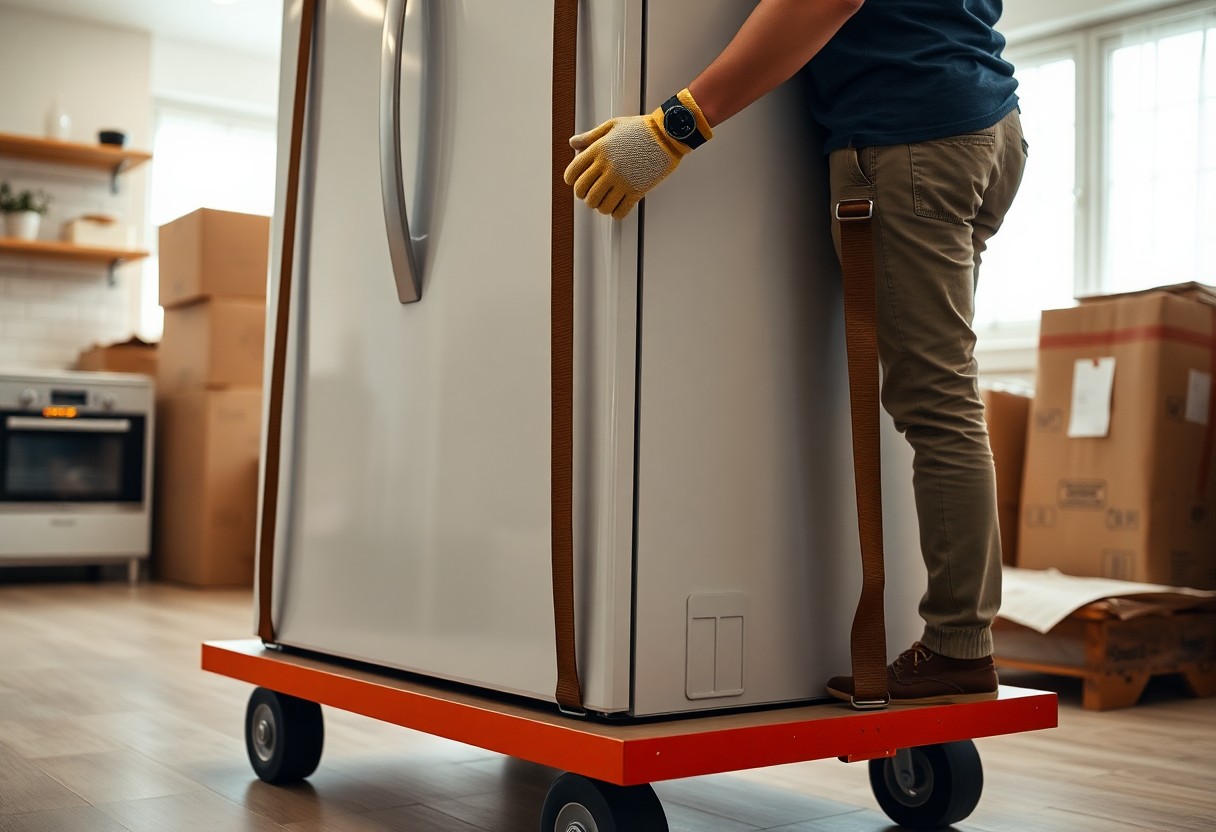
Safely transporting a refrigerator begins with proper lifting and loading techniques. Utilize a hand truck or dolly to minimize physical strain and maintain control during the move. Position yourself close to the refrigerator for improved balance, and bend your knees instead of your back to lift. Use teamwork to share the load and avoid shifting or dropping the appliance during the transfer.
Utilizing Safe Lifting Methods
Employ safe lifting methods by keeping your back straight and using your legs for power. Wrap your arms around the refrigerator’s body while employing a firm grip on the dolly’s handles. If maneuvering through tight spaces, pivot using your feet rather than twisting your torso, which can lead to injury.
Techniques for Securing the Refrigerator in Transport
Securing your refrigerator during transport is crucial to prevent damage. Use heavy-duty straps or bungee cords to secure the refrigerator to the dolly or vehicle. Make sure to wrap the straps around the body of the appliance and anchor them to stable points, ensuring it does not shift during transit.
To further enhance stability, place moving blankets or pads around the refrigerator before securing it. These protective layers minimize vibrations and impacts while driving. Ensure all doors are closed and taped shut to prevent them from swinging open. Double-check that your refrigerator is aligned vertically within the vehicle to avoid tipping, particularly during braking or turning, thus ensuring a safe and smooth journey.

Navigating Transportation Logistics
Logistics play a vital role in ensuring your refrigerator reaches home safely. Coordinating the timing and method of transport can save you time and prevent damage. Assessing your available options, such as renting a truck or using a personal vehicle, will impact both cost and feasibility. Furthermore, understanding potential obstacles, like narrow doorways or steep driveways, is vital for a smooth delivery experience.
Choosing the Right Vehicle for Transport
Selecting an appropriate vehicle is fundamental for transporting your refrigerator securely. A cargo van or box truck is ideal, offering ample space and minimizing the risk of damage. If using a personal vehicle, ensure it’s large enough to accommodate the refrigerator without compromising safety or visibility.
Planning the Transport Route
Careful planning of your transport route can significantly reduce stress and risks. Analyze the path between the pick-up location and your home, avoiding busy streets or construction zones that could hinder progress. This preparatory step allows you to anticipate challenges, such as turns and inclines, ensuring smoother transit.
Incorporating extra time into your travel plans accounts for unforeseen delays, such as traffic or road construction. A GPS app can provide alternative routes and real-time updates, helping you navigate efficiently. Consider checking road conditions and weather forecasts, as adverse conditions can negatively impact transport safety. By planning thoroughly, you enhance your refrigerator’s chances of arriving in perfect working condition.
Best Practices for Post-Transport Setup
After transporting your refrigerator, proper setup is imperative to ensure optimal performance. Begin by ensuring the unit is upright and positioned in its designated spot. You should adjust the leveling legs for stability, making sure the refrigerator is balanced on the floor surface. This helps maintain energy efficiency and prevents vibration noise during operation.
Repositioning and Leveling in New Location
Carefully slide the refrigerator into place, taking precautions not to damage surfaces. Utilize a level to check both front-to-back and side-to-side positioning. Adjust the leveling legs until the unit is stable and level, preventing potential issues with doors not sealing properly and internal contents shifting during operation.
Allowing Proper Time for Cooling Before Use
After setting up your refrigerator, allow it to cool for at least 4 hours before plugging it in. This waiting period helps ensure that the cooling system is primed and ready for optimal performance. Avoid placing food inside until after this time, as it guarantees that the internal temperature reaches the recommended level for safe food storage.
Allowing cooling time is particularly vital if the refrigerator was transported on its side, as the oil in the compressor may have moved. Plugging it in too soon could lead to compressor damage or inefficient cooling. Ideally, giving an 8-24 hour wait ensures everything settles, allowing manufacturer’s components to return to proper working order. This simple step contributes to the longevity and efficiency of your refrigerator’s performance.
Common Mistakes to Avoid During the Process
Avoiding common mistakes during refrigerator transport can save you from costly damages. One frequent error is underestimating the size and weight of the appliance, which can lead to improper lifting techniques and potential injuries. Failing to secure the refrigerator correctly can also cause it to shift or tip during transit, resulting in damage or worse, accidents. Lastly, neglecting to anticipate logistical challenges, such as narrow doorways or tight turns, can disrupt the entire move, making planning a key aspect of success.
Pitfalls in Packing and Securing the Appliance
Inadequate packing can lead to significant damage to your refrigerator. Always use thick padding or blankets to cover the appliance and secure it with moving straps or tape to prevent movement. Many overlook the importance of removing or securing shelves and drawers, which can rattle around during transport. Ensure you also properly seal the doors to avoid them swinging open unexpectedly, which can cause further damage to both the refrigerator and your surroundings.
Errors in Handling During Transit
Handling errors during transit contribute to many frustrations when transporting a refrigerator. Lifting from the wrong position can strain your back, while dragging the appliance can cause scratches and dents. It’s crucial to enlist enough help for proper support. Using a dolly is advisable, but incorrect usage can result in tipping or dropping the refrigerator. Always keep the appliance upright; laying it down can affect the internal components, leading to performance issues once set up. Strive for smooth, steady movements to avoid jostling and potential damage.
Summing up
Conclusively, to safely transport your refrigerator after purchase, ensure it is securely plugged out, doors securely latched, and wrapped in protective blankets. Utilize a dolly for ease in movement and always transport it in an upright position to avoid damage to internal components. Clear pathways to prevent accidents, and secure it in your vehicle to avoid shifts during transit. Once at your destination, allow it to settle upright before plugging it in to ensure optimal performance. Following these steps will help maintain the integrity of your refrigerator during transport.
FAQ
Q: How should I prepare my refrigerator for transportation?
A: Unplug the refrigerator at least 24 hours before moving to allow it to defrost. Remove all food items and shelves, and clean it thoroughly to prevent odors.
Q: What is the best way to secure the refrigerator during transport?
A: Use moving straps or rope to secure the refrigerator inside the moving vehicle. Ensure it is upright and stable to prevent damage during transit.
Q: Can I lay the refrigerator on its side for transportation?
A: It is not recommended to lay the refrigerator on its side, as this can damage the internal components. If necessary, consult the manufacturer’s guidelines.
Q: What precautions should I take when loading and unloading the refrigerator?
A: Use a dolly or hand truck for easier movement. Enlist help to lift and maneuver the refrigerator, and avoid rolling it on uneven surfaces to minimize risk of damage.
Q: How long should I wait before plugging in the refrigerator after moving?
A: Wait at least 4 to 6 hours after moving the refrigerator before plugging it in. This allows the oils in the compressor to settle back into place.