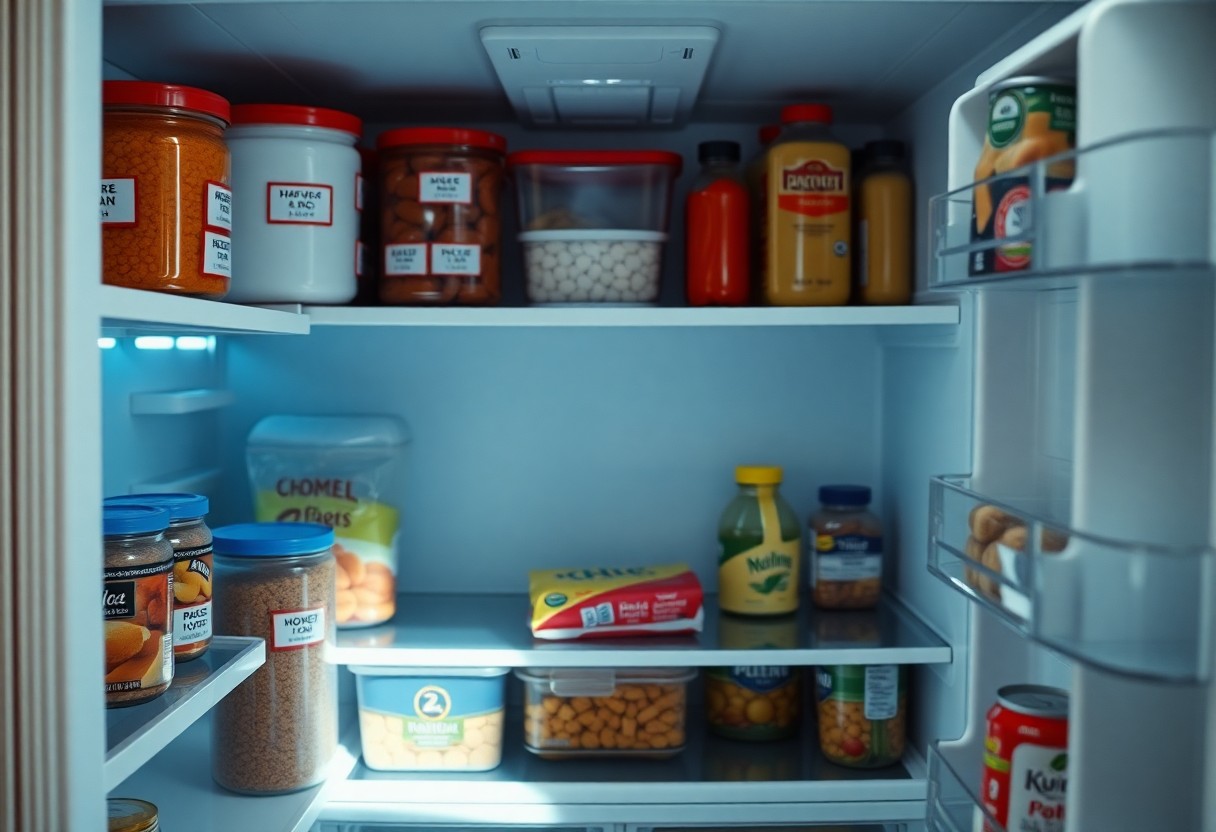
Habits you develop can significantly impact your refrigerator’s longevity. Implementing these 7 habits will help maintain optimal performance and save you from costly repairs. For instance, ensuring proper temperature settings and regular cleaning can extend its life. Neglecting certain practices can lead to serious issues; for example, overloading or blocking airflow can cause overheating. Curious about what else to avoid? Believe it or not, it is very easy to break your refrigerator… Start making these changes today for a healthier appliance.

Key Takeaways:
- Maintain a consistent temperature between 37°F and 40°F to optimize food preservation and appliance longevity.
- Regularly clean and vacuum the coils to improve energy efficiency and prevent overheating.
- Avoid overloading the refrigerator to ensure proper air circulation and reduce strain on the cooling system.
Optimize Temperature for Longevity
Understanding the Ideal Temperature Range
Your refrigerator operates best within a specific temperature range to maintain food safety and efficiency. Set your refrigerator between 35°F and 38°F (1.6°C to 3.3°C) to ensure food quality and energy efficiency. The freezer should be at 0°F (-18°C) to keep items frozen solid. Maintaining these temperatures prevents bacterial growth and reduces energy consumption, extending the life of your appliance.
| Temperature | Purpose |
|---|---|
| 35°F – 38°F | Optimal food safety and freshness |
| 0°F | Proper freezing for long-term storage |
The Impact of Frequent Opening and Closing
Frequent opening and closing of your refrigerator can lead to temperature fluctuations, making it harder for your appliance to maintain a stable internal environment. Each time you open the door, cool air escapes while warm air enters, straining the compressor and increasing energy use. Aim to minimize door openings, and organize items for quick access to maintain efficiency.
This behavior not only affects food freshness but can also lead to increased wear on the refrigerator’s components. A study by the National Renewable Energy Laboratory found that frequent door openings can raise the internal temperature by as much as 5°F (2.8°C), necessitating an energy-sapping effort from the compressor to restore the desired temperature. Streamlining your refrigerator’s organization will help prevent unnecessary door openings, thus conserving both energy and the lifespan of your refrigerator.
Mastering the Art of Organization
Effective organization inside your refrigerator directly contributes to its efficiency and lifespan. Grouping similar items together and utilizing compartments wisely ensures that air circulates freely. This minimizes the workload of the cooling system, ultimately extending the life of your appliance. Consider regularly reassessing your storage methods and adjusting as necessary to optimize space and functionality.
Best Practices for Storing Foods
Proper food storage techniques not only help in maintaining freshness but also prevent spoilage and waste. Place perishable items at eye level for easy access, while frequently consumed items should be positioned near the front. Keep a strict FIFO (first in, first out) method in mind to ensure older products are used before newer ones, which helps maintain optimal freshness in your fridge.
The Benefits of Clear Visibility and Accessibility
Making your food easily visible and accessible enhances both convenience and safety. Frequent rummaging leads to unnecessary temperature fluctuations, placing extra strain on your refrigerator. Studies show that well-organized refrigerators with clear visibility can reduce food waste by up to 30%. To maximize efficiency, use clear containers and label shelves to streamline the retrieval process, ensuring you always know what’s available and reducing the chance of forgotten items spoiling.
The Importance of Regular Cleaning
Frequent cleaning of your refrigerator not only enhances hygiene but also enhances its performance and lifespan. Food particles, spills, and odors can degrade the appliance’s efficiency, leading to higher energy consumption. Clean surfaces allow for optimal air circulation, ensuring that your food stays fresh while reducing wear and tear on internal components. According to consumer reports, regular cleaning can extend the life of your refrigerator by up to 20 percent.
How Dust Affects Performance
Accumulated dust on condenser coils can hinder heat dissipation, forcing your refrigerator to work harder to maintain cold temperatures. This increased workload can lead to higher energy bills and a significantly reduced lifespan. Cleaning coils twice a year can prevent this issue, keeping your appliance operating efficiently while saving money on electricity.
Deep Cleaning vs. Routine Maintenance
Deep cleaning and routine maintenance serve different purposes in ensuring your refrigerator’s longevity. Routine maintenance involves regular tasks such as checking seals and wiping down shelves, while deep cleaning encompasses more intensive tasks, including removing shelves and thoroughly cleaning all components. Each plays a vital role in preventing bacteria build-up and optimizing performance.
Dedicate specific intervals for deep cleaning, ideally every six months, to address areas that routine tasks may overlook. This process typically includes removing and washing all shelves and drawers, vacuuming coils, and cleaning the interior with mild detergents. Routine maintenance, on the other hand, only requires short sessions every few weeks, focusing on quick wipes and inspection of seals. Balancing both practices will ensure your refrigerator remains in top condition, ultimately minimizing breakdowns and extending its life.
Mindful Use of Power Settings
Adjusting power settings on your refrigerator can significantly enhance efficiency while extending its lifespan. By utilizing the appropriate energy settings, you ensure optimal functioning and reduced wear on vital components. You’ll not only save on electricity bills, but you also contribute to a longer operational life, making every meal stored inside a bit of a win-win for convenience and sustainability.
Energy Savings and Its Connection to Longevity
Effective energy savings not only lowers your electricity costs but also reduces strain on your refrigerator’s compressor. Running at optimal power settings allows components to work less, decreasing the likelihood of breakdowns. Studies indicate that refrigerators using energy-efficient approaches can last up to 20% longer than those on constant high settings, providing both financial and functional benefits.
When to Use Energy-Saver Features
Utilize energy-saver features during off-peak seasons, such as winter and fall, when temperatures drop. Setting your refrigerator to a higher energy-saving mode allows it to maintain adequate cooling without overworking the compressor. Additionally, during periods of less food storage, such as after holidays, adjusting the settings can help ensure longevity while keeping energy consumption at a minimum.
Consider applying energy-saver settings when you notice lower food demand or cooler ambient temperatures, especially if you live in areas with distinct seasons. For instance, after the summer months, when your refrigerator may have worked harder to combat warm temperatures, shifting to energy-saving modes can alleviate stress on the appliance. Consistent monitoring of your fridge’s contents and external climate can guide you in making these adjustments readily, leading to long-term efficiency and durability.
Avoiding Overloading: A Balancing Act
Finding the right balance in your refrigerator prevents strain on its components and ensures optimal performance. When you overstuff shelves and bins, you’re not just limiting storage; you’re hindering air circulation. A well-spaced fridge allows cold air to flow freely, cooling items evenly and avoiding hotspots that can spoil food or cause energy inefficiency.
Understanding Airflow Dynamics
Air circulation is vital for an efficient refrigerator, as cold air must circulate around your food to maintain consistent temperatures. Overloading blocks vents and limits the movement of air, disrupting the uniform cooling necessary for longevity. Keeping spaces clear allows your appliance to operate more effectively and saves energy.
How Overloading Can Lead to Mechanical Failure
Piling items into your refrigerator can lead to overheating and slipping belts, resulting in potential mechanical failure over time. When the compressor works harder to maintain temperature, it can wear out faster, reducing the lifespan of your appliance significantly.
Mechanical failure from overloading can manifest in several ways. For example, when your refrigerator is packed too tight, the coils may overheat due to restricted air flow, prompting the compressor to work overtime. This puts excessive strain on internal components, which can lead to costly repairs or replacements. Reports indicate that a refrigerator running in a stressed environment can have a lifespan reduced by as much as 30%. Maintaining proper load limits preserves the functionality of your cooling unit and saves you from future headaches.
Proactive Maintenance Strategies
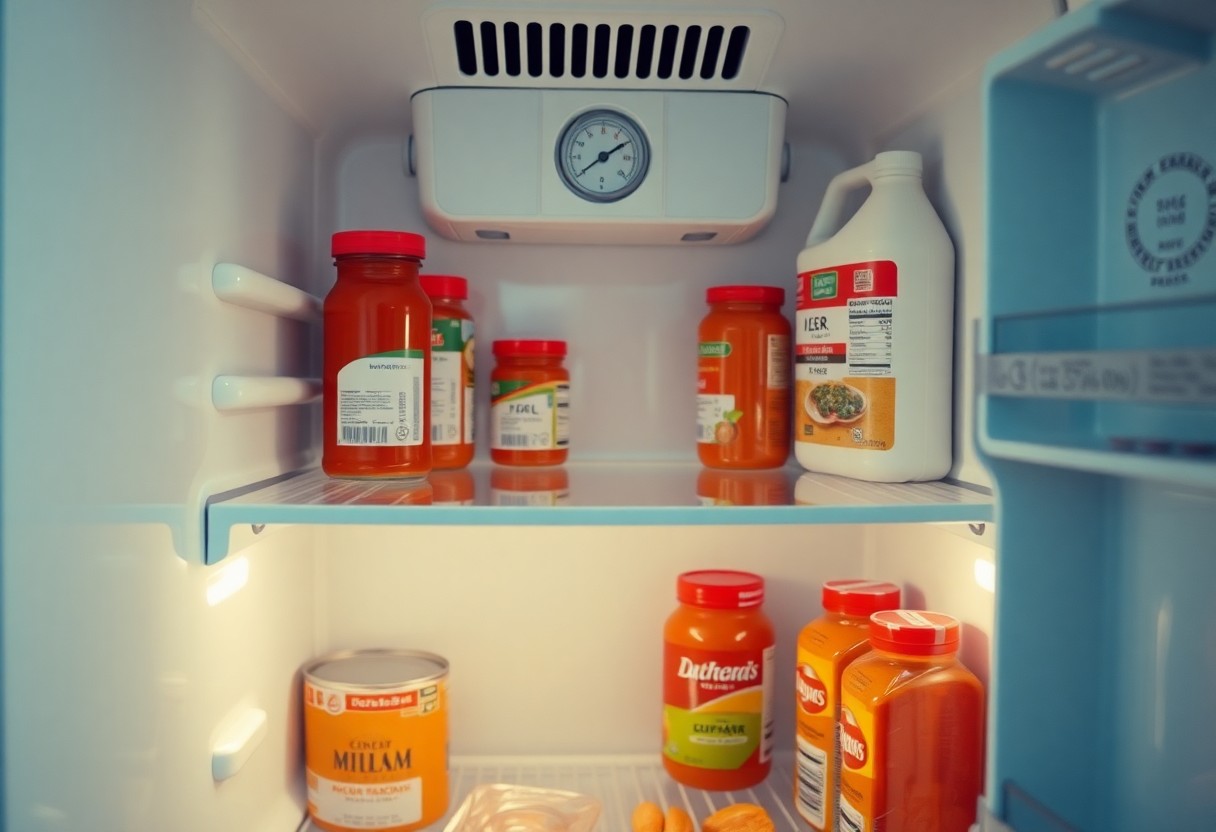
You can enhance your refrigerator’s durability by embracing proactive maintenance strategies. Regularly checking and cleaning the condenser coils, usually found at the back or beneath the unit, can significantly boost efficiency. Accumulated dust and debris can cause the compressor to overheat, leading to potential failures. Additionally, ensuring proper airflow by not overcrowding shelves allows the fridge to maintain optimal temperatures, improving its overall performance.
The Role of Gaskets and Seals
Inspecting and maintaining the gaskets and seals around your refrigerator doors is vital for energy efficiency. A damaged or worn-out gasket allows cold air to escape, forcing the compressor to work harder. Regularly clean these seals and perform a simple test by closing the door on a piece of paper; if it slips out easily, the seal needs replacing.
Scheduling Professional Check-Ups
Having your refrigerator serviced by a professional at least once a year can prevent minor issues from escalating into major repairs. Technicians check vital components like the compressor, evaporator coils, and drainage systems for optimal function. They can also calibrate the thermostat to ensure accurate temperature control, potentially saving you money on energy bills while extending your fridge’s lifespan.
During a professional check-up, technicians often perform a comprehensive assessment that includes cleaning internal elements, testing refrigerant levels, and identifying potential wear or damage. Such evaluations can uncover problems that may go unnoticed, allowing for timely interventions. Taking this step not only helps maintain peak performance but also allows you to stay ahead of costly repairs, preserving the manufacturer’s warranty and enhancing safety by preventing malfunctions.
Conclusion
Following this guide on the seven refrigerator habits that quietly add years to its lifespan, you can effectively enhance the longevity of your appliance. By implementing these practices, you optimize energy efficiency, maintain ideal temperatures, and reduce wear and tear. This proactive approach not only preserves your food but also ensures that your refrigerator remains a reliable part of your household for years to come.
FAQ
Q: What are the common habits that can extend a refrigerator’s lifespan?
A: Common habits include keeping the coils clean, maintaining proper temperature settings, ensuring adequate airflow around the unit, frequently checking door seals, and organizing food efficiently to reduce strain on the appliance.
Q: How often should I clean the refrigerator coils?
A: It is recommended to clean the refrigerator coils at least twice a year to prevent dust buildup, which can cause the appliance to overheat and reduce its efficiency.
Q: What temperature should my refrigerator be set to for optimal performance?
A: The ideal refrigerator temperature is between 37°F (3°C) and 40°F (4°C). Keeping it within this range helps preserve food quality while reducing energy consumption.
Q: How can I tell if my refrigerator door seals are working properly?
A: You can check the door seals by performing a dollar bill test. Close the door on a dollar bill; if you can easily pull it out without resistance, the seals may need replacement or adjustment.
Q: Does food organization within the refrigerator affect its lifespan?
A: Yes, proper food organization helps maintain airflow, prevents overloading, and avoids temperature fluctuations, all of which can contribute to the longevity and efficiency of the refrigerator.