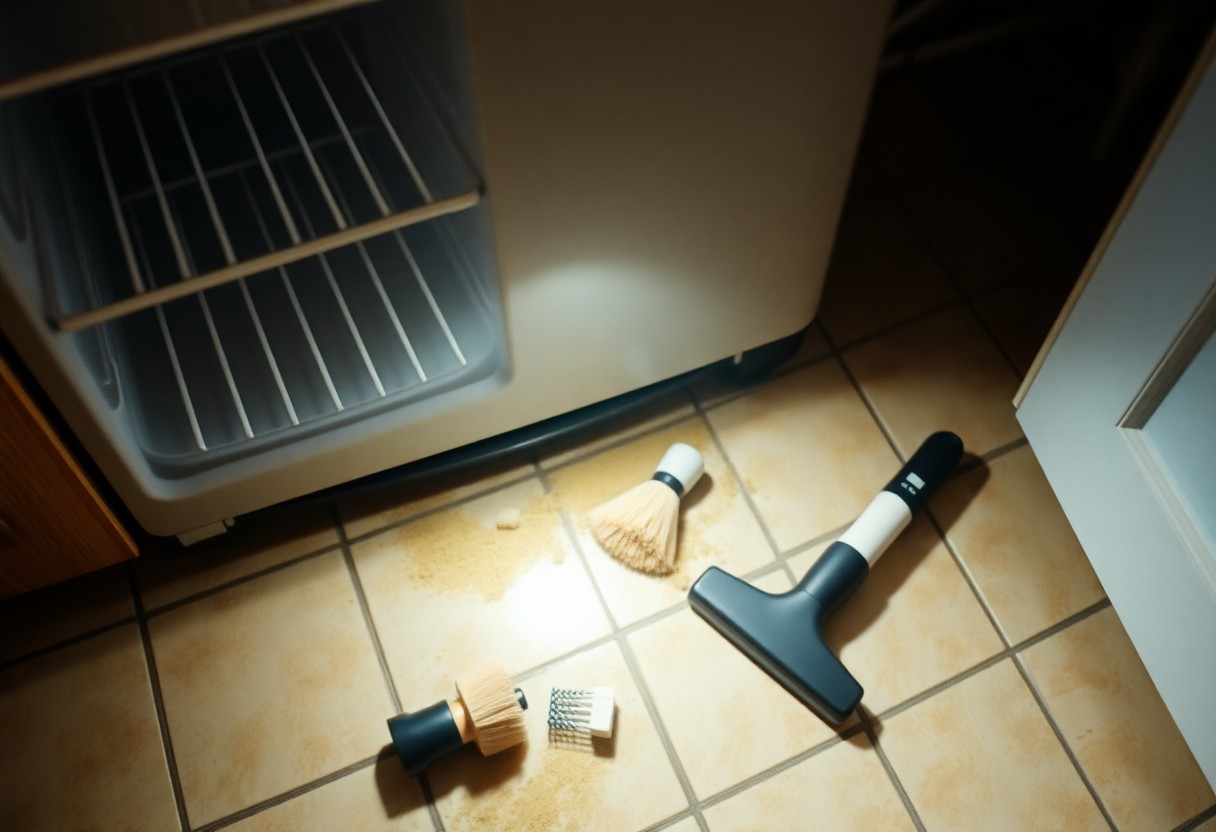
Refrigerator coils play a vital role in maintaining the efficiency of your appliance, so keeping them clean is imperative for optimal performance. If you notice your fridge is running warmer or using more energy, it’s time to take action. You can easily clean these coils without any specialized tools; all you need are a few common supplies. By clearing away dust and debris, you not only improve energy efficiency but also prolong the lifespan of your refrigerator. Let’s explore the step-by-step process to give your fridge the care it needs.
Key Takeaways:
- Unplug the refrigerator to ensure safety during cleaning.
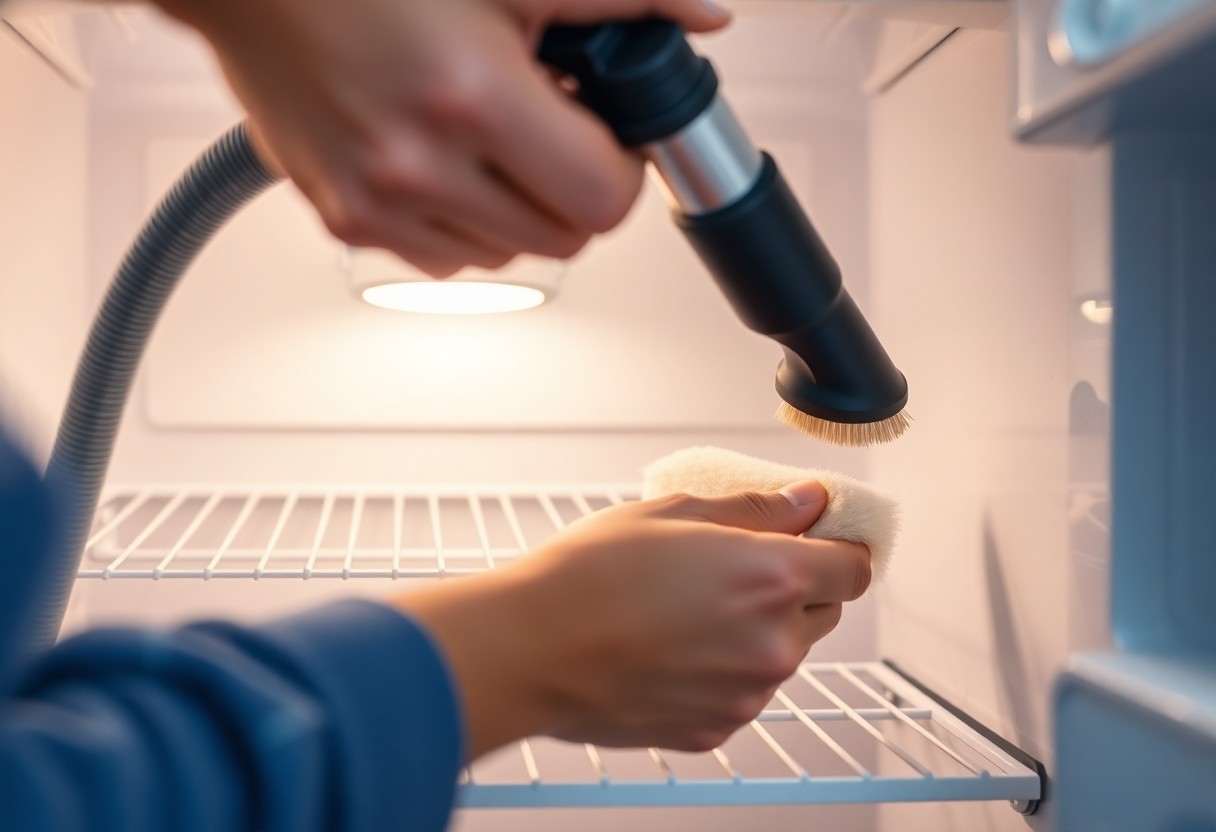
- Use a vacuum cleaner with a brush attachment or a soft cloth to remove dust and debris from the coils.
- Access coils located at the back or underneath the refrigerator for optimal cleaning.
The Importance of Refrigerator Coil Maintenance
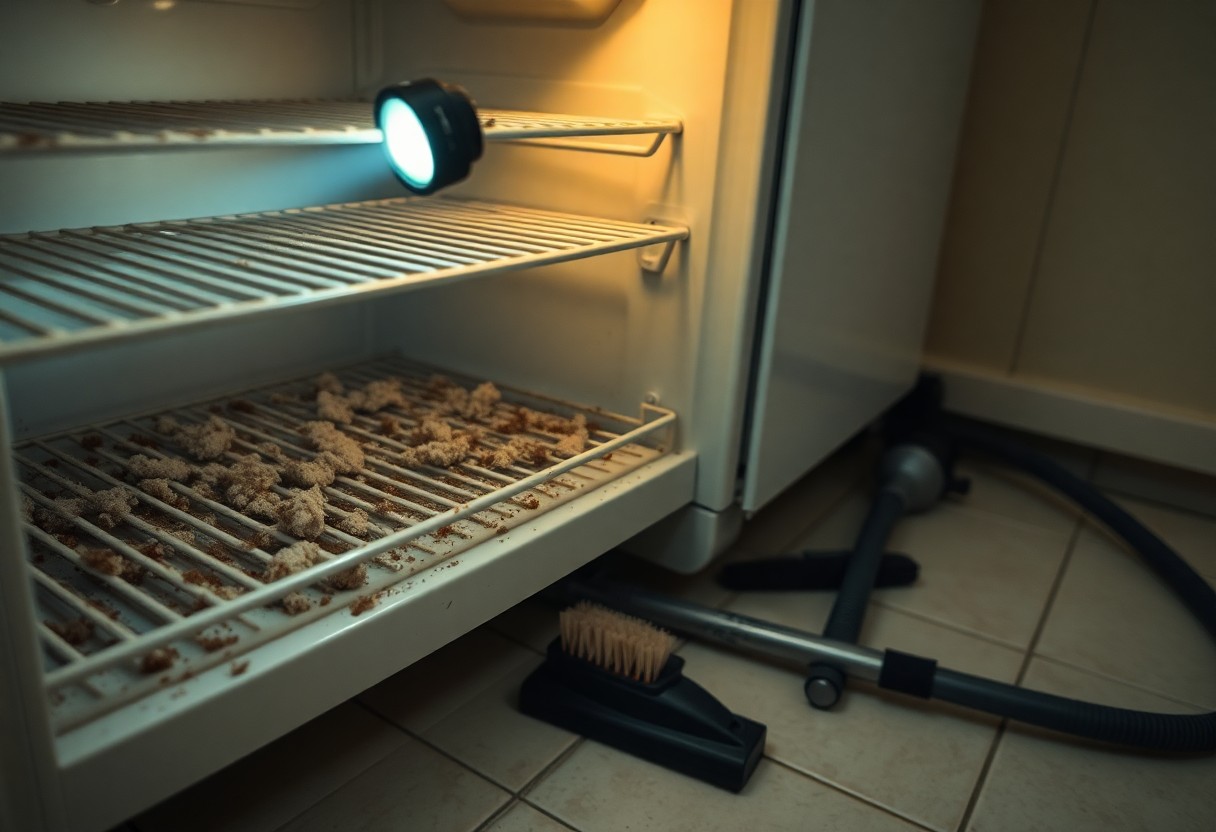
Regular maintenance of refrigerator coils extends the appliance’s life and enhances its overall performance. Coils, often located under or at the back of your fridge, can accumulate dust and debris, leading to inefficient cooling. By keeping these coils clean, you prevent overheating and strain on the compressor, ultimately ensuring consistent food preservation. This simple task can save you unnecessary repair costs and prolong the refrigerator’s lifespan significantly.
How Clean Coils Improve Efficiency
Clean coils allow your refrigerator to operate at peak efficiency. When coils are free of dirt and grime, heat transfer occurs effectively, which means your fridge doesn’t have to work as hard to maintain the desired temperature. This reduced workload results in better cooling performance, allowing perishable items to stay fresh longer.
The Impact on Energy Bills
Dirty coils can lead to increased energy consumption, significantly affecting your electricity bills. As the fridge struggles to maintain cooling, it draws more power. This inefficiency can lead to a marked increase in your monthly energy expenses, sometimes up to 30% higher than if the coils were clean. Keeping your coils maintained retains their efficiency and saves you money.
A 2011 study showed that households neglecting coil maintenance experienced an average increase of $200 annually in energy costs. Regular coil cleaning not only improves your refrigerator’s performance but also prevents contributing to excess energy waste, which is beneficial for both your wallet and the environment. Investing time in this upkeep can lead to substantial savings over time.
Gather Your Everyday Cleaning Arsenal
Before stepping into your cleaning task, gather imperative supplies you likely already have at home. A vacuum cleaner, soft-bristled brush, and microfiber cloth will help you effectively clear dust and grime from your refrigerator coils. You can also use an old toothbrush or a long-handled duster for those hard-to-reach areas. Having a bucket of soapy water, along with a sponge or cleaning rag, will be great for wiping down any remaining residue afterward.
Common Household Items as Cleaning Tools
Utilizing everyday items makes coil cleaning both efficient and economical. A vacuum cleaner equipped with a brush attachment excels at removing debris, while a soft rag can wipe surfaces without scratching. A toothbrush or similar small brush can help dislodge stubborn dirt. Items like duct tape or masking tape can also help pick up loose hair and lint by pressing them onto the coils.
Safety Precautions Before Starting
Prioritizing safety is imperative when cleaning refrigerator coils. Unplug your refrigerator to avoid electrical shock and consistent operation while you work. Ensure the area is dry to prevent slips, and wear gloves to protect your hands from bacteria and grime. Gather all cleaning supplies within reach to avoid unnecessary movements while working around electrical appliances.
Taking safety precautions protects you from potential hazards during cleaning. For instance, unplugging the refrigerator eliminates any risk of electrical shock from exposure to live wires. A clean, dry workspace minimizes risks of slipping or tripping on tools and debris. Wearing gloves not only shields your skin from harsh cleaning agents but also reduces the chance of contact with bacteria that can accumulate on coils. By addressing these safety measures first, you set the stage for a more focused and secure cleaning session.
Step-by-Step Guide to Accessing Coils
| Step | Description |
| 1. Unplug the Refrigerator | Always disconnect your refrigerator from the power source to ensure safety while cleaning. |
| 2. Move the Refrigerator | Carefully pull out your refrigerator from the wall to access the back and sides. |
| 3. Check for Coils Location | Identify whether your coils are located at the back, underneath, or on the sides of the appliance. |
Preparing Your Refrigerator for Cleaning
Before you begin cleaning, unplug your refrigerator to avoid any electrical hazards. Clear away items from the top and front, giving yourself ample space to maneuver. Moving the refrigerator away from the wall can help you access the coils more easily. Ensure you have a vacuum cleaner with a brush attachment and a soft cloth ready for effectively removing dust and debris.
Locating and Removing Obstructions
Inspect the area surrounding your refrigerator for any items or debris obstructing access to the coils. Frequently, furniture, dust bunnies, or clutter may be hiding the coils from view. By removing these obstacles, you can clean the coils more efficiently and prevent overheating.
Locating and removing obstructions involves examining the area behind and beneath your refrigerator intently. Look for anything that may restrict airflow or block access, such as boxes, bags, or even accumulated dust. You may also need to adjust any nearby furniture to ensure you have adequate room for cleaning. Clearing these items increases airflow efficiency and reduces energy consumption while prolonging the life of your refrigerator.
Cleaning Techniques to Revive Your Coils
Reviving your refrigerator coils requires a straightforward approach that incorporates effective cleaning techniques. Regular maintenance can significantly enhance your appliance’s efficiency and longevity. By employing the right methods, you can eliminate dust and debris that hinder performance, ultimately resulting in lower energy costs and extending the lifespan of your refrigerator.
Using a Vacuum Cleaner Effectively
A vacuum cleaner is a powerful tool in achieving clean refrigerator coils. Start by detaching the fridge from the power source, then use the crevice attachment to carefully reach into tight spaces. Maintain a low suction setting to prevent damaging sensitive components while effectively removing dust buildup. Regular vacuuming every six months can lead to noticeable improvements in efficiency.
Gentle Hand Cleaning for Stubborn Dirt
Some dirt and grime may cling stubbornly to coils, requiring a more hands-on approach. Employ a soft brush or cloth dampened with warm, soapy water to scrub the coils gently. Avoid abrasive materials that could scratch or damage the coils, focusing instead on a gentle motion to lift away debris without causing harm. Ensure the coils are dry before reconnecting your refrigerator.
For particularly tough spots, you might need to repeat the gentle hand cleaning process. Consider using a mixture of vinegar and water for added cleaning power, which can break down grime effectively. A brush with soft bristles can reach into crevices and corners that are often overlooked. Consistently cleaning these hard-to-reach areas helps preserve coil performance and ensures your appliance runs smoothly. Regular maintenance not only boosts efficiency but can also prevent potential breakdowns caused by overheating. Keeping your coils clean reflects your commitment to efficient appliance operation.
Signs Your Coils Need More Attention
Regular maintenance of your refrigerator coils ensures optimal performance. Look for visible signs indicating your coils may need cleaning, such as excessive dust buildup, reduced cooling efficiency, or unusual noise. Ignoring these signs can lead to increased energy consumption and a shorter lifespan for your appliance.
Symptoms of Inefficient Cooling
When your refrigerator fails to maintain the designated temperature, it can indicate coil issues. You may notice food spoiling faster, ice forming in unconventional areas, or increased energy bills due to the appliance working harder to cool. These symptoms suggest that your coils are likely obstructed or dirty, impairing heat dissipation.
When to Call a Professional
If signs of coil inefficiency persist despite your cleaning efforts, or if there are more severe temperature inconsistencies, it’s time to seek professional help. Technicians can provide thorough diagnostics and clean the coils more effectively if they are difficult to access. It’s also wise to call for assistance when the refrigerator displays abnormal noises or leaks, as these could signify deeper mechanical issues.
To wrap up
From above, you can see that cleaning refrigerator coils doesn’t require specialized tools. By simply unplugging your refrigerator, using a vacuum cleaner or brush, and wiping down the coils with a cloth, you can effectively maintain your appliance’s efficiency. Regular maintenance not only helps prolong the life of your refrigerator but also contributes to lower energy bills. Make this task a part of your routine to ensure optimal performance and keep your food fresh for longer.
FAQ
Q: Why is it important to clean refrigerator coils?
A: Cleaning refrigerator coils improves efficiency, helps maintain optimal cooling, and can prolong the lifespan of the appliance.
Q: What materials do I need to clean the refrigerator coils?
A: You will need a vacuum cleaner with a brush attachment, a soft brush or cloth, and optionally, warm soapy water for deeper cleaning.
Q: How often should I clean my refrigerator coils?
A: It is recommended to clean your refrigerator coils every six months to ensure maximum efficiency and performance.
Q: What is the step-by-step process for cleaning the coils?
A: First, unplug the refrigerator. Then, locate the coils, typically at the back or beneath the unit. Use the vacuum cleaner to remove dust, followed by a soft brush or cloth for stubborn dirt. Optionally, clean with soapy water, rinse, and dry before plugging the refrigerator back in.
Q: Are there any safety precautions to take while cleaning the coils?
A: Always unplug the refrigerator before cleaning, avoid using excessive water, and ensure that the area around the coils is clear of obstacles to prevent accidents.