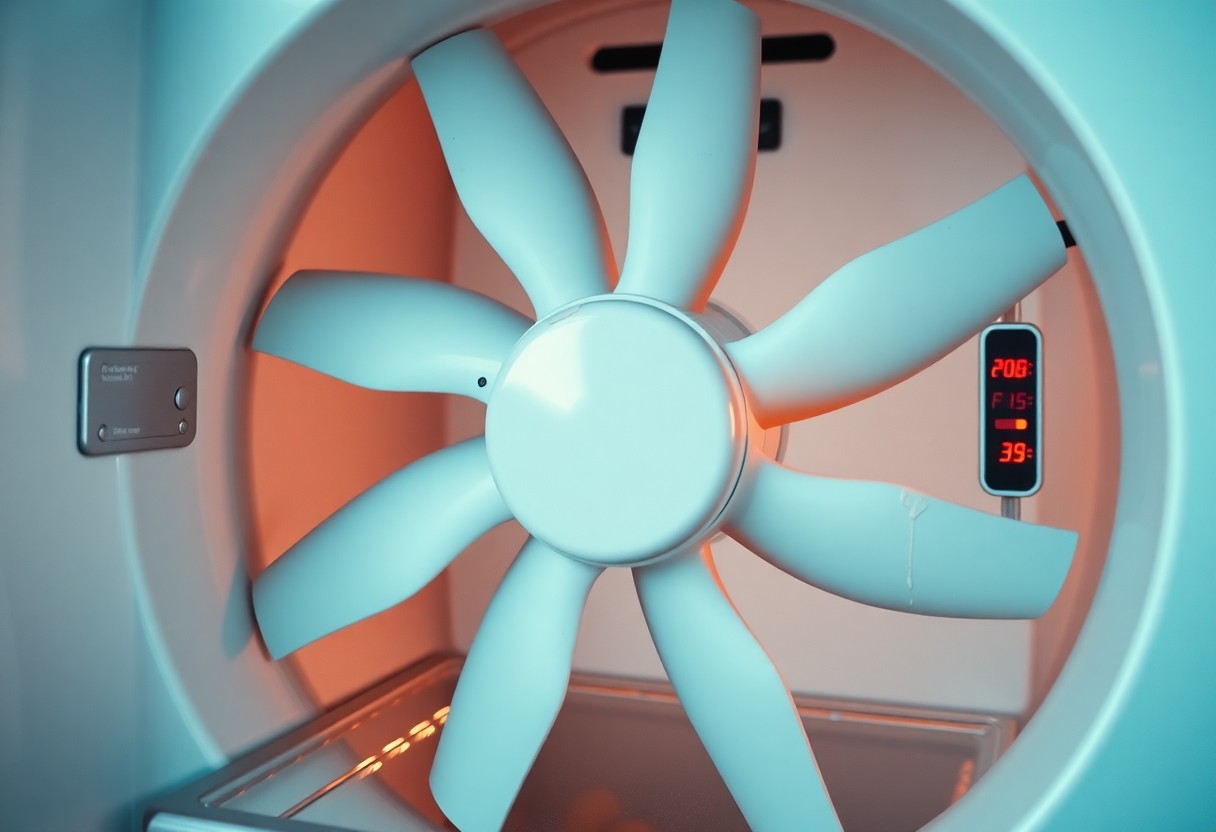
Refrigerator fan issues can disrupt the cooling process, leading to spoiled food and increased energy bills. To ensure your appliances run smoothly, it’s vital to identify if the fan is the source of the problem. Look for signs such as unusual noises, inconsistent temperatures, and poor airflow inside the fridge. By monitoring these indicators, you can effectively diagnose fan-related issues and take the necessary steps to restore your refrigerator’s optimal performance.
Key Takeaways:
- Unusual noises or irregular cooling may indicate a malfunctioning refrigerator fan.
- Check for obstructions, dirt accumulation, or damage to the fan blades that can affect performance.
- Listening for continuous running when the refrigerator door is open can help identify fan issues.
Diagnosing Fan Malfunctions
Diagnosing fan malfunctions involves a systematic approach to identify issues affecting your refrigerator’s cooling efficiency. Start by inspecting the fan’s physical condition and checking for any obstructions that may affect its operation. Make sure to listen for unusual sounds and monitor the temperature levels, as inconsistent cooling can signal a failing fan. A thorough examination of the fan motor and wiring can also unveil signs of wear or damage that require immediate attention.
Recognizing Signs of a Failing Fan
When a fan is failing, you might notice several symptoms indicating a problem. Look out for insufficient cooling, where your refrigerator is either too warm or too cold, despite temperature settings. Additionally, observe if the fan operates intermittently; if it stops completely for extended periods, that’s a strong sign of potential malfunction. A lack of airflow or accumulated frost in unexpected areas can also hint at fan issues that need addressing.
Common Noises that Indicate Problems
Unusual noises from your refrigerator often signal fan problems. Clicking, rattling, or grinding sounds can indicate that the fan blades are obstructed or that the motor is beginning to fail. High-pitched whining may suggest the fan bearings are wearing out. Any sudden increase in noise level should be investigated, as these sounds can be precursors to complete fan failure, leading to more significant cooling issues or further damage to your refrigerator.
Clicking noises often arise from debris lodged in the fan, restricting movement, while grinding sounds could indicate a failing motor. A high-pitched whine typically points to worn bearings that can lead to complete dysfunction. These noises not only indicate immediate concerns but may also forewarn of potential damage if left unaddressed. Prompt action, such as clearing debris or seeking professional help, can prevent more costly repairs or replacements down the line.
Assessing the Impact on Cooling Efficiency
A malfunctioning refrigerator fan significantly affects cooling efficiency. If the fan is not operating correctly, it may lead to uneven temperatures within the fridge, causing food spoilage and an increase in energy consumption. By assessing how well your refrigerator maintains consistent temperatures, you can better identify whether the fan is the underlying issue.
Analyzing Temperature Fluctuations
Closely monitor the temperature inside your refrigerator over several days. Record fluctuations to spot any patterns that align with the fan’s operation. This can indicate the level of impact the fan faults have on cooling performance.
Temperature Trends
| Observation | Possible Issue |
|---|---|
| Consistently warm | Fan failure |
| Cold spots | Blocked airflow |
| Frequent thawing/freezing cycles | Inconsistent fan operation |
Evaluating Airflow Issues and Their Consequences
Poor airflow can lead to inadequate cooling, impacting food preservation and increasing energy costs. If your refrigerator fan is obstructed or malfunctioning, air cannot circulate effectively, resulting in different temperatures within the compartments. Over time, this may cause food spoilage, shorten the lifespan of your appliance, and force it to work harder, which can lead to higher electricity bills.
A thorough evaluation of airflow can reveal underlying problems within your fridge’s cooling system. Obstructions, such as ice buildup or dust accumulation, can block airflow paths, resulting in uneven cooling. You might need to conduct regular checks to ensure the vents are clear and the fan operates quietly. Keeping the condenser coils clean is also critical as this impacts both airflow and energy efficiency, providing a longer lifespan for the appliance while saving on your energy bills.
Quick Fixes and Temporary Solutions
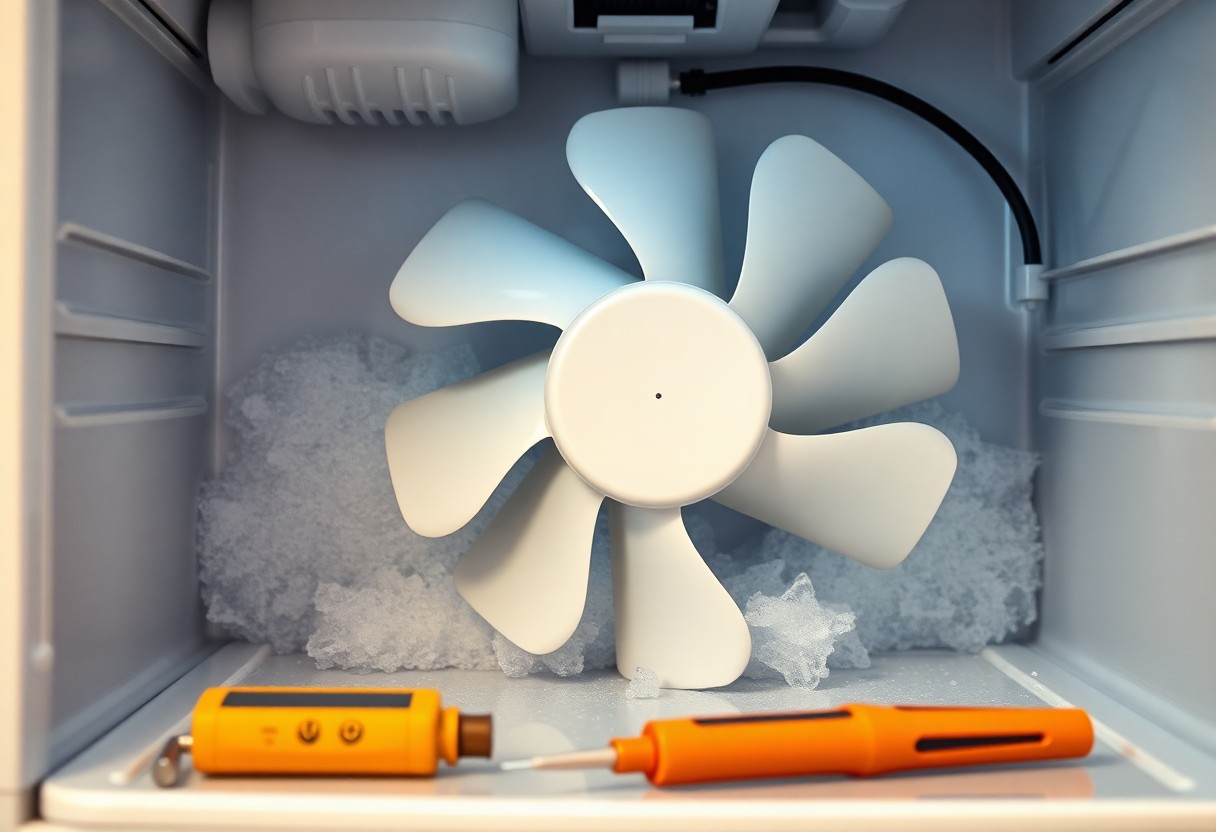
Addressing refrigerator fan issues promptly can prevent further damage and preserve food quality. Start by checking the fan’s accessibility—clear any obstructions, and ensure it’s not blocked by ice or debris. You might also try resetting the refrigerator by unplugging it for a few minutes. In some cases, taping down the fan to stabilize it temporarily may help, but ensure you only use this solution until a more permanent fix can be made.
Simple Troubleshooting Steps
Begin troubleshooting by assessing the fan’s functionality. Listen for unusual noises while the refrigerator operates, as these can indicate a malfunctioning fan. Inspect the fan blades for obstructions and spin them manually to test their movement. If your refrigerator has a temperature control setting, adjusting it may also help. Always ensure that the unit is plugged in and the thermostat settings are correct before proceeding with deeper investigations.
Importance of Maintenance to Prevent Future Problems
Regular maintenance of your refrigerator significantly reduces the risk of fan problems. Simple tasks, like cleaning the coils and ensuring proper airflow, help prevent excess strain on the fan. Schedule routine checks every six months to keep everything running smoothly, as this can lead to improved efficiency and longevity of your appliance.
Performing maintenance tasks such as dusting the coils and inspecting door seals not only boosts your refrigerator’s energy efficiency but also prevents the fan from working harder than necessary, which can shorten its lifespan. In addition, keeping the internal compartments organized enhances airflow, reducing the risk of overheating. These small efforts can lead to substantial savings in energy bills and prolong the appliance’s functioning, ultimately protecting your investment.
When to Seek Professional Help
Ignoring persistent refrigerator fan problems can lead to costly repairs or food spoilage. Seek professional help if you notice unusual noises, frequent temperature fluctuations, or if the unit doesn’t cool effectively despite your efforts. If basic troubleshooting doesn’t resolve the issue, it’s time to involve an expert who can accurately diagnose the problem and ensure your refrigerator functions optimally.
Identifying Complex Issues Beyond DIY
You might encounter issues that simple fixes can’t address, such as electrical failures, faulty sensors, or components that require specialized knowledge. If your refrigerator exhibits signs of these complex problems—like erratic fan speeds or failure to start—trust a qualified technician to handle the diagnostics and repairs. Specialized tools and expertise are often necessary for safe and effective resolutions.
Understanding Repair Costs vs. Replacement Options
Evaluating whether to repair or replace your refrigerator hinges on the extent of the damage and associated costs. If repair expenses approach 50% of the unit’s value or if the appliance is over 10 years old, replacing it might be the wiser choice. In considering repairs, include factors such as warranty coverage and expected lifespan to make an informed decision.
Repair costs can vary significantly based on the specific issue at hand; for example, fan motor replacements can range from $100 to $300, while full repairs may exceed $500. Weigh these costs against new refrigerator prices, which typically start around $800 for basic models. An efficient, energy-saving replacement can also provide long-term savings on utility bills, making it a practical investment in many cases.
Preventative Strategies for Longevity
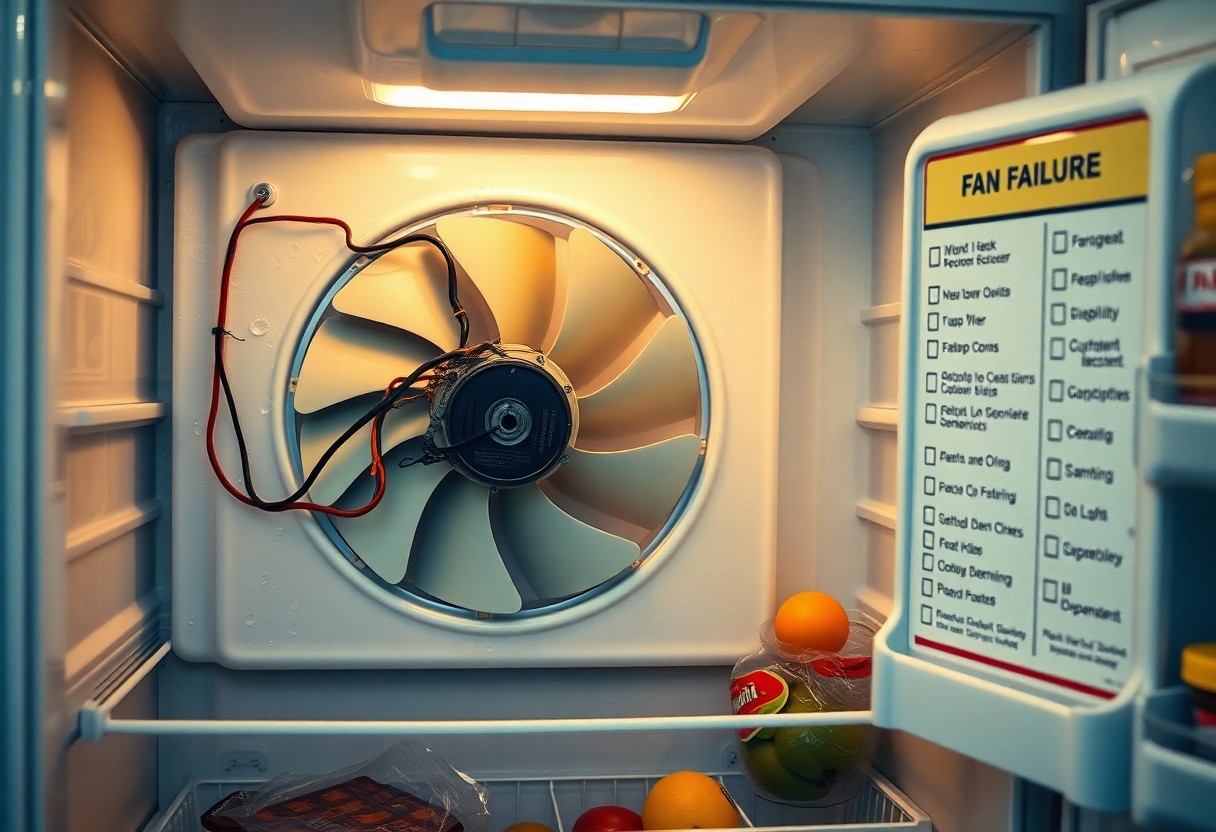
Implementing preventative strategies ensures your refrigerator fan operates efficiently for years. Regular maintenance can save you money on repairs and replacements, extending the life of your appliance. Simple practices, such as monitoring temperature settings and ensuring adequate airflow around the unit, contribute significantly to preventing fan-related issues. By committing to proactive care, you not only keep your refrigerator in optimal condition but also maintain food safety and energy efficiency.
Regular Cleaning and Inspection Routines
Conducting regular cleaning and inspection routines is vital to the longevity of your refrigerator fan. Dust and debris can accumulate, obstructing airflow and causing the fan to overheat. Schedule a monthly check to clean the fan blades and surrounding areas with a soft brush or vacuum. Also, check for any unusual noises or operational issues during these inspections to catch problems early, ensuring your refrigerator runs smoothly.
Making Informed Choices on Replacement Fans
Choosing the right replacement fan can significantly impact your refrigerator’s performance. Prioritize fans that are compatible with your specific refrigerator model and have good reviews from other users. Look for features such as energy efficiency and quiet operation; these can enhance performance while minimizing noise and energy costs. Don’t hesitate to consult with appliance professionals to ensure you select the best fan for your needs.
Your approach to selecting replacement fans should be deliberate and informed. Researching brands and understanding specifications can guide you toward options that meet or exceed OEM standards. Pay attention to warranty details, which often denote quality; a manufacturer confident enough to offer a robust warranty likely stands behind their product. Consider fan speed, size, and noise level as critical factors, ensuring the fan you choose not only fits but also operates quietly and efficiently, protecting your appliance’s longevity.
Summing up
Considering all points, if you’re experiencing issues with your refrigerator, the fan may be the source of the problem. Pay attention to unusual noises, inconsistent temperatures, or frost buildup. Conduct a visual inspection and check for any obstructions or damage. If these signs indicate a malfunction, addressing the fan issue promptly can help restore your refrigerator’s efficiency and extend its lifespan. Regular maintenance and attention to these indicators can save you from more significant repairs down the line.
FAQ
Q: What are common signs of a malfunctioning refrigerator fan?
A: Common signs include unusual noises (buzzing or rattling), inconsistent temperatures inside the refrigerator, excessive frost buildup in the freezer, and the refrigerator running longer than usual.
Q: How can I check if the refrigerator fan is working properly?
A: Open the refrigerator door and listen for the fan. It should run quietly. Observe the airflow from the vents; if there is minimal or no airflow, the fan may be defective.
Q: What should I do if the refrigerator fan is noisy?
A: Check for any debris or ice obstructing the fan blades. If clear and it’s still noisy, the fan motor may be failing and should be inspected or replaced by a professional.
Q: Can a refrigerator fan affect cooling efficiency?
A: Yes, a malfunctioning fan can lead to inadequate cooling. If the fan does not circulate air properly, certain areas of the refrigerator may remain warm, affecting food preservation.
Q: Is it safe to run the refrigerator with a faulty fan?
A: It is not recommended. Running a refrigerator with a faulty fan can lead to overheating, increased energy consumption, and may cause further damage to the appliance, ending with food spoilage.