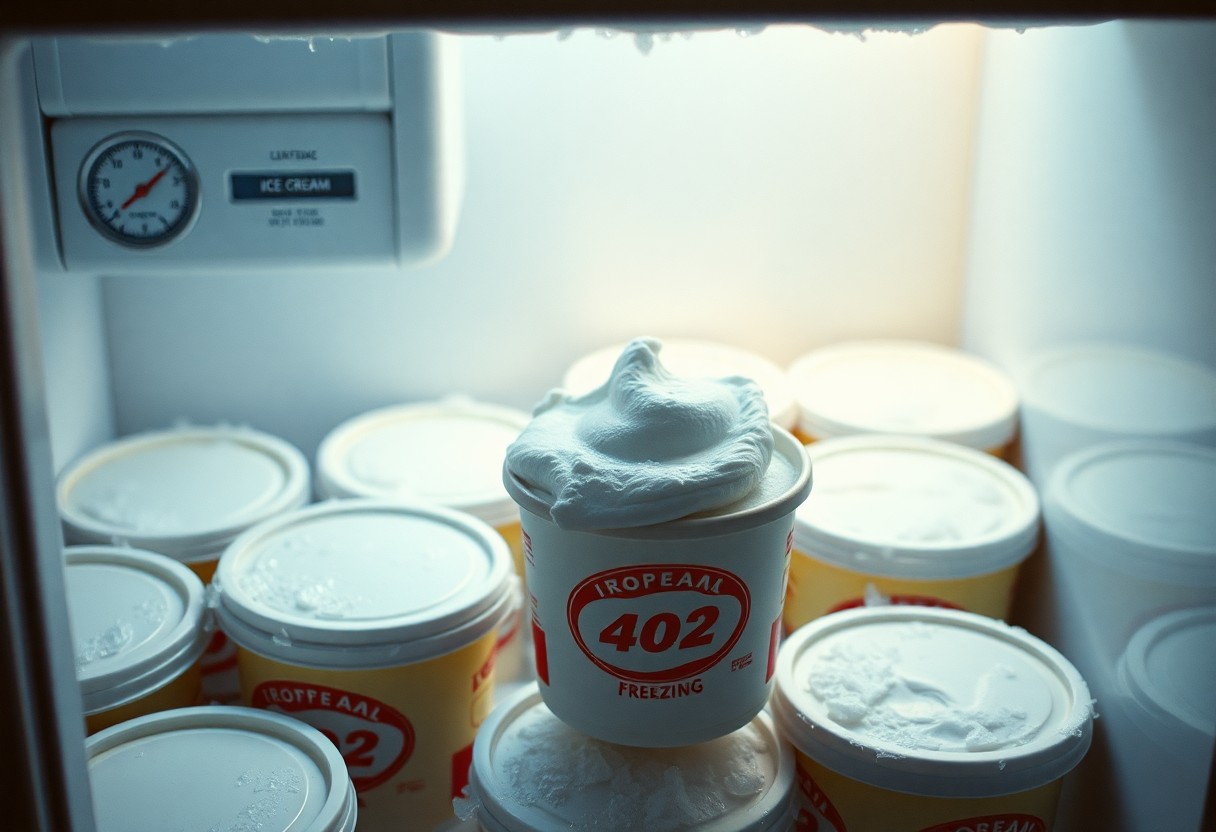
Most people assume that storing ice cream in your freezer is the best option, but it may not be the ideal environment for preserving its quality. The temperature fluctuations caused by frequent opening and closing can lead to ice crystals forming, altering the texture and flavor. Additionally, your freezer’s dry air can dehydrate the ice cream, resulting in a less satisfying experience. To protect your frozen treat, consider alternative storage methods that can help maintain its creamy consistency and delicious taste.
Key Takeaways:
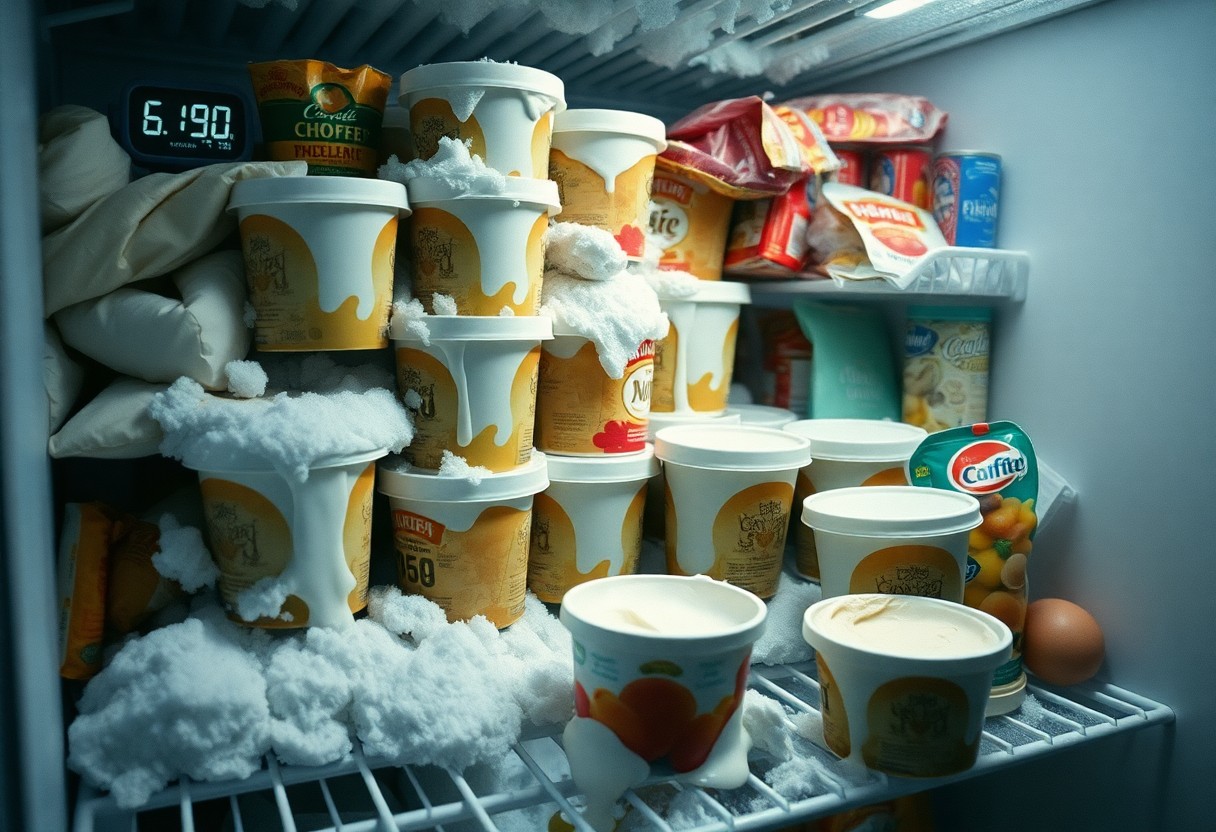
- Freezers can fluctuate in temperature, leading to ice crystals and texture changes in ice cream.
- Frequent opening of the freezer exposes ice cream to warmer air, causing it to soften and refreeze unevenly.
- Long-term storage in the freezer can result in freezer burn, impacting flavor and quality.
The Science of Temperature Stability
Temperature stability in your freezer is vital for maintaining the quality of ice cream. Fluctuations can lead to unwanted texture changes and degrade flavor. For more details on the ideal freezer temperature for storing ice cream, aim for a consistent setting between -10°F to -20°F. Proper storage prevents ice crystal formation, which impacts creaminess and overall satisfaction.
Temperature Stability Table
| Consistent Temperature | Preserves Texture and Flavor |
| Freezer Fluctuations | Causes Ice Crystals and Graininess |
How Freezer Temperature Fluctuations Affect Texture
Fluctuations in freezer temperature can significantly affect the texture of your ice cream. When the temperature rises, even slightly, the cream begins to soften, leading to large ice crystals forming when it refreezes. This results in a grainy texture that detracts from the smoothness you expect. Maintaining a stable, low temperature ensures that your ice cream remains creamy and enjoyable.
Texture Fluctuation Table
| Stable Freezer Temp | Smooth, Creamy Texture |
| Variable Freezer Temp | Grainy, Unpleasant Texture |
The Role of Airflow in Ice Cream Quality
Optimal airflow in the freezer is crucial for preserving ice cream’s quality. A lack of airflow can create pockets of warmer air, disrupting the uniform freezing process. This can lead to uneven texture and flavor degradation over time. Ensuring good airflow not only aids in maintaining the ideal temperature but also helps in achieving the right balance of air incorporated into the ice cream, which contributes to its lightness and smoothness.
The Impact of Environmental Factors on Flavor
Environmental factors significantly influence the flavor profile of ice cream. Temperature, humidity, and odors in your freezer can alter your frozen treats in ways that compromise their intended taste. For instance, when ice cream is stored at inconsistent temperatures, it’s prone to a phenomenon known as flavor degradation. Furthermore, exposure to air can lead to off-flavors that distract from the rich, creamy experience you initially crave. Recognizing these influences can help you make better storage decisions.
Odor Transfer and Its Effect on Taste
Storage in a freezer often leads to odor transfer, where ice cream absorbs surrounding scents from food items. This can result in diminished flavor, making your favorite vanilla taste oddly like last week’s garlic pizza. The porous nature of the ice cream allows these odors to penetrate, leading to a phenotype in taste that you don’t expect. Isolating your ice cream from strong-smelling foods helps to preserve its intended flavor experience.
The Risks of Freezer Burn and Ice Crystal Formation
Freezer burn occurs when ice cream loses moisture due to air exposure, resulting in unsightly ice crystals forming on the surface. This affects not just the appearance but also the texture and flavor, making the ice cream grainy and less enjoyable. Ice crystal formation can ruin the creamy consistency you desire, leaving you with an unappealing dessert.
Ice crystals grow when temperature fluctuates or when ice cream is left uncovered. They form when moisture evaporates from the ice cream, leading to the inclusion of unwanted crystalline structures. Studies show that drastic temperature shifts can lead to larger crystals, which compromise the smooth mouthfeel you expect. To avoid this, ensure your ice cream is tightly sealed and stored in a stable environment. Recognizing the signs of freezer burn can save you from reaching for a disappointing treat.
Storage Time: What You Need to Know
Each ice cream flavor has a specific optimal storage duration that ensures its best taste and texture. Generally, you can keep ice cream in your freezer for about 2 to 4 months, depending on the ingredients and formulation. This timeframe helps maintain the right balance of creaminess, flavor intensity, and overall enjoyment, as prolonged storage can lead to freezer burn and changes in taste.
Optimal Storage Duration for Maximum Freshness
For the best experience, consume your ice cream within 1 to 2 months after opening. Homemade varieties tend to have a shorter lifespan due to the lack of preservatives, while store-bought options may last slightly longer. Keeping track of the date you open your ice cream can guide you on when to enjoy it at its peak freshness.
Signs That Your Ice Cream Has Passed Its Prime
Detecting whether ice cream has gone bad is easier than it seems. Look for signs such as icy crystals, an off or stale smell, and a change in texture. If you notice a gritty or grainy mouthfeel, that’s usually a result of degradation. Any of these indicators signal that it’s time to dispose of your ice cream and avoid disappointing dessert experiences.
If ice cream has developed a layer of icy crystals or feels unusually hard, it’s likely that air has infiltrated and dehydrated the product, leading to a less enjoyable texture. An off smell can indicate absorption of odors from the freezer, which transforms the flavor. Additionally, if your ice cream has started to separate, with water pooling on top, it’s a clear sign it’s beyond its prime and best to toss it away to avoid unappealing surprises at dessert time.
Alternative Storage Solutions for Ice Cream
Exploring alternative storage options enhances your ice cream experience significantly. Instead of relying solely on the freezer, consider utilizing specialized containers that better maintain texture and flavor. An ice cream maker can elevate your enjoyment, giving you fresh batches tailored to your taste, while custom storage containers can protect your frozen treats from freezer burn and temperature fluctuations. These solutions ensure you savor every scoop without compromising quality.
The Benefits of Using an Ice Cream Maker
Using an ice cream maker allows you to create your favorite flavors at home, ensuring freshness and quality. With the ability to control ingredients and customize recipes, you can tailor your ice cream to suit dietary needs or personal preferences. This approach yields smoother textures and richer flavors, as you’re not sacrificing quality for mass production.
Custom Storage Containers for Enhanced Longevity
Custom storage containers offer notable advantages for preserving ice cream’s flavor and texture. These containers are often designed to limit air exposure, which helps reduce the risk of freezer burn. Furthermore, they can be insulated to maintain a consistent temperature, resulting in a smoother, creamier product that lasts longer. Select containers made from materials like silicone or durable plastic to enhance sealing and ensure that your ice cream stays fresh for extended periods.
Best Practices for Ice Cream Handling
Taking proper care of your ice cream can enhance its flavor and keep it in top condition longer. Implementing best practices like using the right serving tools, maintaining consistent temperatures, and covering your ice cream can preserve its creamy texture and delightful taste. Each step in your ice cream handling can make a significant impact on overall enjoyment.
Proper Scoop Techniques to Minimize Air Exposure
Utilizing the right scoop technique directly influences air exposure, which affects texture and flavor. A warm scoop, dipped briefly in hot water, helps glide through the ice cream, allowing you to serve larger portions while reducing air incorporation. Aim for a clean, single motion to avoid scraping the sides too much, which introduces unwanted air.
The Importance of Keeping Ice Cream Covered
Covering your ice cream prevents freezer burn and flavor contamination from other smells in the freezer. A well-sealed container inhibits ice crystals from forming on the surface, which can disrupt the smooth texture you expect. Using an airtight lid or plastic wrap can help maintain that rich, creamy experience.
Opting for a solid cover not only keeps flavors intact, but also blocks out moisture and air. Ice crystals develop when moisture evaporates, leading to an unsatisfactory icy texture rather than the creamy delight you desire. For optimal preservation, consider wrapping the surface with plastic wrap before replacing the lid, ensuring an extra layer of protection against freezer air. Aim for minimal exposure to external elements to keep each scoop as indulgent as the first.
Summing up
Hence, while it may seem convenient, storing ice cream in your freezer might not yield the best results for its texture and taste. Frequent temperature fluctuations can cause ice crystals to form, leading to a gritty mouthfeel. The air in your freezer can also introduce unwanted odors that may affect the flavor. Instead, consider storing your ice cream in a dedicated container and keeping it at a consistent temperature to preserve its quality. Making these adjustments will enhance your enjoyment of this frozen treat.
FAQ
Q: Why does temperature fluctuation in the freezer affect ice cream quality?
A: Ice cream needs to be stored at a consistently low temperature. Fluctuations can cause ice crystals to form, affecting texture and creaminess.
Q: Can odors from other foods in the freezer impact ice cream flavor?
A: Yes, ice cream can absorb odors from surrounding foods. This can alter its taste and make it less enjoyable to eat.
Q: How does the storage method impact the ice cream in the freezer?
A: Ice cream left unsealed or in cheap containers can lead to freezer burn. Properly sealing ice cream is crucial to maintain its texture and flavor.
Q: Why is the door of the freezer a bad place for ice cream storage?
A: The door is the warmest part of the freezer due to frequent opening and closing, which can lead to temperature inconsistencies detrimental to ice cream.
Q: Does the type of freezer affect ice cream storage?
A: Yes, chest freezers often provide better temperature stability than upright freezers, making them more suitable for ice cream storage over long periods.