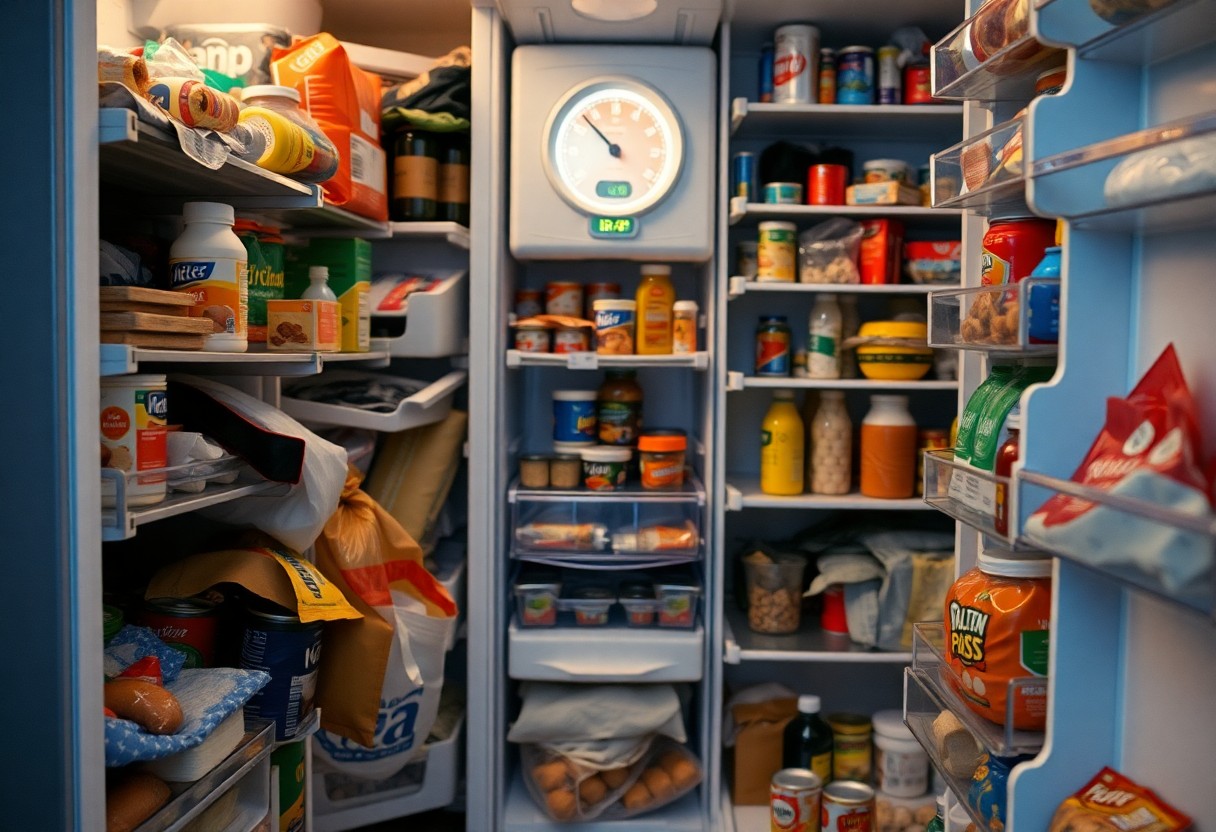
Most people underestimate how overstuffing your refrigerator can lead to increased energy bills and food waste. When your fridge is crammed full, it hampers airflow, forcing the appliance to work harder to maintain the ideal temperature, which drives up electricity costs. Additionally, a crowded fridge makes it easy for food to get lost and spoil, resulting in unnecessary expenditures on forgotten groceries. By keeping your refrigerator organized and appropriately stocked, you not only save money but also promote better food management and minimize waste.
Key Takeaways:
- Overstuffing restricts airflow, leading to uneven cooling and potentially spoiling food faster.
- It can increase energy consumption, as the refrigerator works harder to maintain temperature.
- Accessibility issues result in wasted food due to forgetting items, leading to more frequent grocery purchases.
The Unseen Expense of Overpacking
Overstuffing your refrigerator incurs hidden costs that extend far beyond the initial grocery bill. The compromised airflow and inefficient use of space can lead to increased energy consumption and spoilage, both of which affect your wallet. By being unaware of these expenses, you may unintentionally inflate your monthly utilities and food waste, ultimately affecting your overall budget.
Increased Energy Costs
When your refrigerator is overloaded, it forces the appliance to work harder to maintain optimal temperatures. This increased strain can raise your energy bills by as much as 30%. The unit struggles to circulate air efficiently, which results in a longer compressor run time and unnecessary energy consumption, directly impacting your monthly expenses.
The Impact on Food Preservation
Packing your refrigerator too tightly significantly reduces its ability to preserve food effectively. Proper air circulation is vital for maintaining an even temperature and preventing hotspots that promote spoilage. When items are crammed together, not only do they block airflow, but it becomes nearly impossible to monitor freshness. This can lead to food waste as items expire unexpectedly or become inedible due to inconsistent temperatures, costing you both money and resources.
Waste Not, Want Not: The Cost of Spoilage
Overstuffing your refrigerator contributes significantly to food spoilage, impacting both your wallet and your environment. As items get buried at the back, they often go unnoticed until it’s too late. The lack of proper airflow leads to uneven cooling, resulting in faster expiration dates for perishable items. Ingredients like fruits and vegetables, which have a limited shelf life, can quickly deteriorate, meaning your $5 organic spinach might end up in the trash before you even use it.
How Overstuffing Leads to Expiration
When you cram your fridge full, imperative air circulation is restricted, causing certain areas to become warmer than others. This inconsistency accelerates spoilage rates, particularly for fresh produce, dairy, and meats, which require stable temperatures to maintain their quality. Items tucked away often remain forgotten, only to be discovered well past their prime, increasing the risk of throwing edible food away.
The Financial Toll of Throwing Food Away
The financial burden of wasted food can add up quickly, with the average American family throwing away approximately $1,500 worth of food annually. This amount translates to about 40% of the food supply being wasted, significantly affecting your grocery budget. Every uneaten meal or expired ingredient becomes a direct loss, impacting your overall financial health.
Calculating the waste in your refrigerator can be eye-opening. If you consider that nearly one-third of the food you purchase ends up in the trash, the cumulative cost becomes stark. Say you spend $300 each month on groceries; losing $1,500 a year means you are effectively throwing away $125 monthly. Avoid overstuffing your fridge, and you could redirect this money toward healthier choices, new recipes, or even savings for future needs. Addressing food spoilage not only benefits your wallet but also aligns with sustainable living practices, fostering a lower environmental impact.
The Space-Time Cost: Time Spent Searching
Navigating through an overstuffed refrigerator consumes precious minutes that could be better spent preparing meals. Each time you rummage through a chaotic array of items, you lose valuable time, which adds up over the week. You may find yourself wasting up to 30 minutes a week looking for ingredients, translating to more than 26 hours annually dedicated to searching instead of cooking. This time lost can lead to increased takeout orders, further inflating your grocery budget.
The Imposition on Meal Prep Hours
The chaotic layout of an overstuffed fridge complicates meal prep, making it less efficient and more frustrating. An hour that could be spent cooking might stretch into two as you sift through items, leading to poor meal planning and, ultimately, less healthy choices. When every meal requires extra effort to locate ingredients, it impacts your ability to stick to a routine.
The Psychological Stress of a Cluttered Space
An overcrowded refrigerator contributes to feelings of overwhelm and stress, impacting your mental clarity. A cluttered space can elevate anxiety levels, making daily meal choices feel burdensome rather than enjoyable. This chaotic environment may lead to a cycle of poor eating habits, compounding stress over time.
The psychological impact of a cluttered refrigerator goes beyond mere inconvenience. Studies indicate that living in disorganized spaces can trigger the brain’s stress response, resulting in emotional fatigue and decision paralysis. When faced with a mess every day, you may feel less motivated to cook or eat healthily, leaning instead toward convenience foods that are often unhealthy. A disordered fridge doesn’t just affect meal time; it can seep into other areas of your life, diminishing your overall well-being.
Finding the Balance: Optimal Refrigerator Organization
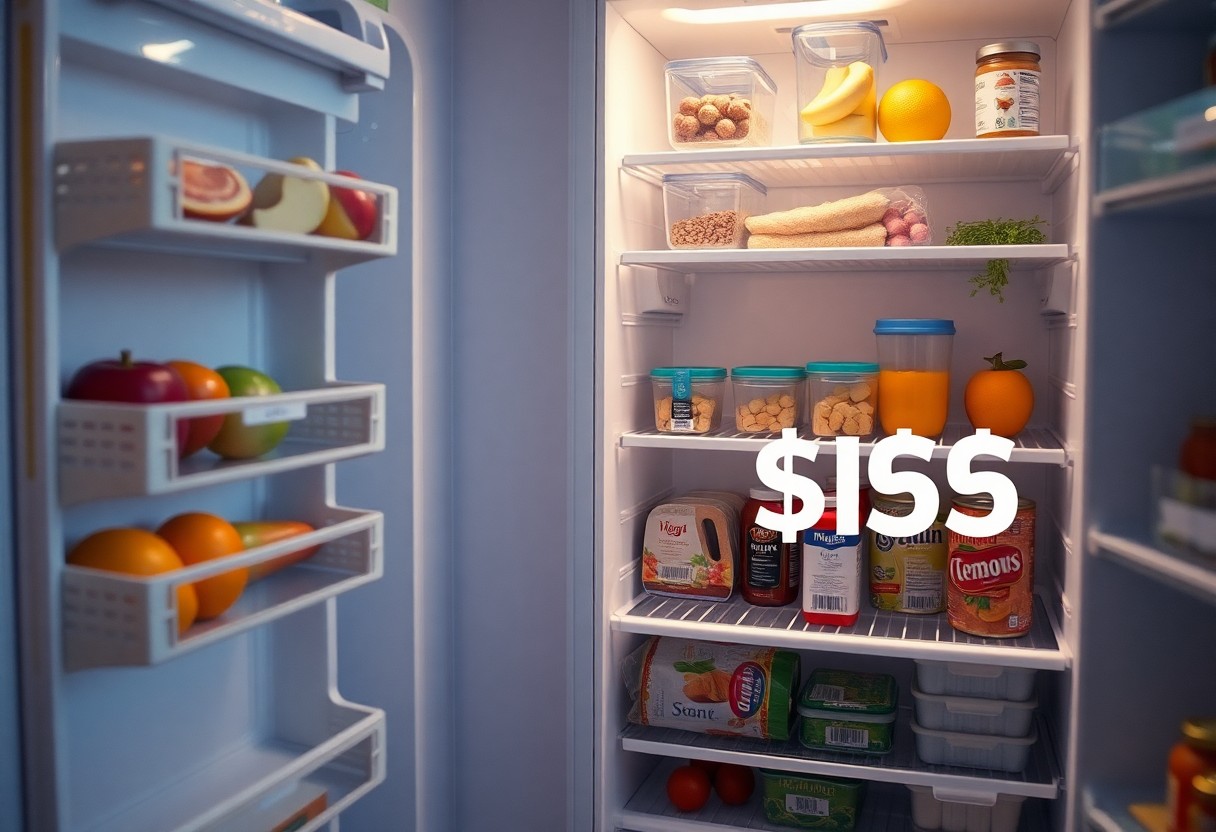
Achieving optimal refrigerator organization maximizes space and enhances food lifespan. Establish designated zones for different food types, such as dairy, meats, and vegetables. Utilize clear bins for smaller items to avoid clutter and ensure everything is visible. Regularly check expiration dates, rotating older items to the front while newer products go to the back, which encourages mindful consumption and reduces waste.
Best Practices for Efficient Packing
Efficient packing involves arranging items for maximum air circulation and accessibility. Place heavier items at the bottom to avoid crushing delicate foods. Utilize vertical space effectively by stacking compatible items and opting for containers that fit well and seal tightly. It’s advisable to leave some empty space for airflow, allowing your refrigerator to maintain a consistent temperature.
Tools and Strategies for Maintaining Order
Adopting tools like clear containers, shelf organizers, and labels enhances your refrigerator’s order. Consider using a magnetic whiteboard or app for tracking expiration dates, ensuring food is used promptly. Regularly reassess and adjust your organization strategy, incorporating seasonal dietary changes to keep your system efficient and relevant.
Tools such as clear containers allow for easy visibility of contents, which minimizes the time spent searching through items, thus reducing the door-opening time that can cause temperature fluctuations. Utilize adjustable bins for flexible storage and labeling systems to streamline identification. Additionally, apps that track inventory can remind you when items are nearing expiration, providing both convenience and fostering a habit of using what you already have. These strategies not only promote organization but also save money by preventing unnecessary purchases and food waste.
The Bigger Picture: Environmental Implications
Overstuffing your refrigerator not only affects your wallet but also has significant environmental repercussions. Each year, over 30% of food in the United States ends up in landfills, generating roughly 20% of methane emissions. This contributes to climate change, which affects us all. Optimizing your refrigerator space can help reduce food waste, thereby decreasing your carbon footprint and aiding in environmental preservation. For Easy Ways to Improve Your Refrigerator’s Efficiency, consider reorganizing your storage methods.
The Connection Between Food Waste and Carbon Footprint
Your food waste is directly linked to your carbon footprint. Discarded food emits greenhouse gases during decomposition. For example, every ton of food waste generates around 2.5 tons of CO2 equivalent. By simply reducing food waste through better organization and thoughtful purchasing, you can significantly lower your personal emissions.
Long-term Effects of Consumer Habits on Sustainability
Consumer habits shape long-term sustainability. Choosing to overstuff your refrigerator often leads to frequent food spoilage and waste, which amplifies environmental challenges. Adapting more sustainable practices creates a shift in demand, encouraging retailers to focus on eco-friendly options. This sustainable shift can lead to broader changes in food production, transportation, and packaging.
Long-term sustainability depends largely on your choices today. Adjusting how you shop, store, and utilize food can foster a culture of waste reduction. Frequent overstuffing fosters a cycle of waste, promoting industrial processes that sustain food waste and energy consumption. By becoming more conscious of your consumption habits, you contribute to demand for sustainable food systems, ultimately leading to a healthier planet. Embracing smaller, more efficient practices can drive significant change, inspiring others in your community to follow suit.
Final Words
Ultimately, overstuffing your refrigerator may seem like a way to save money, but it can lead to higher energy bills, increased food waste, and the potential for spoilage. When your fridge is packed, it struggles to maintain the right temperature, causing food to go bad faster. Additionally, the time you spend searching for items can lead to purchasing duplicates, further increasing costs. By organizing your refrigerator and being mindful of what you store, you can improve efficiency, reduce waste, and ultimately save more money in the long run.
FAQ
Q: What are the energy implications of overstuffing my refrigerator?
A: Overstuffing your refrigerator restricts airflow, leading the appliance to work harder to maintain the desired temperature. This increased workload can significantly boost your energy consumption, resulting in higher utility bills.
Q: How does food spoilage relate to an overcrowded fridge?
A: An overstuffed fridge may inhibit proper cooling, causing certain foods to spoil faster. This can lead to more waste and the need for more frequent grocery shopping, ultimately increasing your overall food costs.
Q: Can overstuffing my refrigerator affect food quality?
A: Yes, when food is cramped together, it can result in uneven cooling and prevent items from reaching the ideal storage temperature. This can deteriorate the quality and freshness of your perishable items, necessitating replacements.
Q: What is the impact of overstuffing on refrigerator lifespan?
A: An overcrowded refrigerator forces the compressor to work harder, potentially leading to mechanical issues and a shortened lifespan of the appliance. This can mean costly repairs or premature replacements.
Q: How does organization in a refrigerator save money?
A: Organized storage allows you to see all your items clearly, reducing the chances of purchasing duplicates and encouraging efficient use of what you already have. This helps lower grocery expenses and minimizes food wastage.