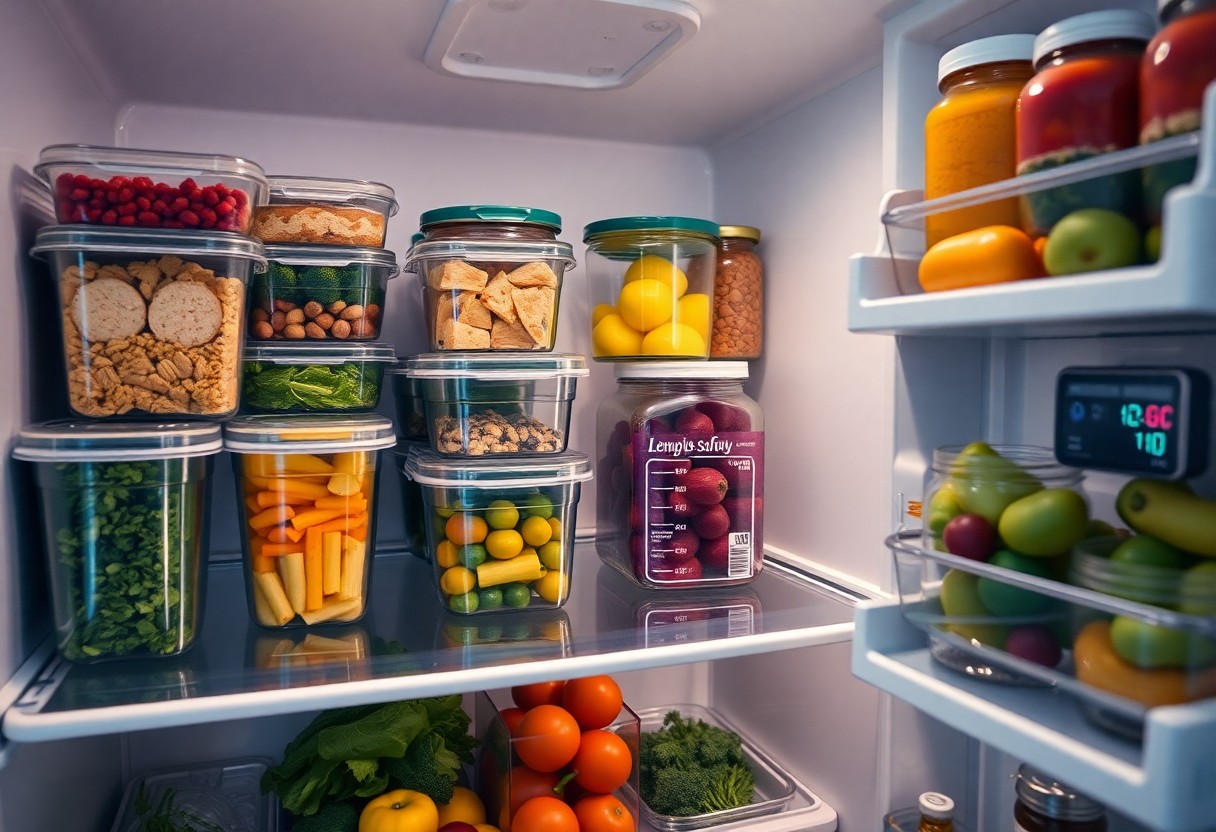
Fridge temperatures play a vital role in keeping your food safe and maintaining its quality. By setting your fridge at 32°F to 40°F (0°C to 4°C), you can effectively inhibit the growth of harmful bacteria, ensuring that your perishables last longer. Different food categories require specific temperature ranges to maximize freshness; for instance, dairy products thrive best at 36°F, while meats should be stored below 40°F. Understanding these differences not only protects your health but enhances your culinary experience.
Key Takeaways:
- Meat and poultry should be stored at or below 40°F (4°C) to maintain safety and freshness.
- Dairy products are best kept between 32°F (0°C) and 40°F (4°C) for optimal taste and longevity.
- Fruits and vegetables thrive at higher temperatures, typically between 35°F (1.6°C) and 45°F (7°C), to preserve texture and flavor.
The Ideal Temperature Range for Maximum Freshness
Temperature Guidelines for Different Foods
| Food Category | Ideal Temperature (°F) |
|---|---|
| Dairy | 34 – 38 |
| Fruits | 35 – 40 |
| Vegetables | 32 – 36 |
| Meat | 32 – 34 |
Understanding the Safe Zone: 32°F to 40°F
The safe zone for refrigerator temperatures ensures optimal preservation of your food. Keeping your fridge between 32°F and 40°F significantly slows down spoilage and bacterial growth. This temperature range balances the need to keep foods, like meats and dairy, cold enough to prevent harmful organisms while still allowing for fresh produce to maintain texture and flavor.
Risks of Temperature Abuse: Spoilage and Bacterial Growth
Allowing your fridge to exceed the 40°F mark increases the risk of spoilage and the rapid growth of bacteria like E. coli and Salmonella. Foods left at unsafe temperatures for longer than two hours can become hazardous to your health. Many common perishables—such as meats, dairy, and pre-prepared dishes—are particularly susceptible to contamination under these conditions.
Consequences of Exposure to Unsafe Temperatures
| Risk | Impact |
|---|---|
| Spoilage | Changes in color, texture, and taste |
| Bacterial Growth | Increased foodborne illnesses |
| Waste | Financial loss from spoiled food |
Perishable Produce: Chilling Guidelines for Fruits and Vegetables
For optimal preservation, keep your refrigerator temperature between 32°F and 40°F (0°C and 4°C). Store your fruits and vegetables separately to prevent spoilage. Ethylene-sensitive produce like apples, bananas, and avocados will overshadow other items with their natural ripening gas. For more on how to manage your refrigerator’s settings, check out The Right Temperature for Your Refrigerator and Freezer.
The Role of Ethylene Gas in Produce Longevity
Ethylene gas, emitted by certain fruits during ripening, accelerates spoilage in vegetables and other fruits. Bananas, pears, and tomatoes are prolific ethylene producers; storing them together can lead to quicker decay of ethylene-sensitive items like leafy greens and cucumbers. To maintain freshness, isolate ethylene-producing fruits from vegetables.
Specific Temperature Needs: Cool vs. Cold-Storage
Different types of produce thrive at various temperatures. Cool-stored items, like bananas, should be kept around 50°F (10°C), while cold-storage items like leafy greens and berries need temperatures close to 32°F (0°C). Understanding these specifications can significantly enhance the shelf life of your groceries.
| Type of Produce | Recommended Storage Temperature |
| Bananas, Tomatoes | 50°F (10°C) |
| Leafy Greens, Berries | 32°F (0°C) |
| Apples, Peaches | 30°F to 35°F (-1°C to 2°C) |
| Carrots, Radishes | 32°F (0°C) |
Cool-stored fruits like bananas produce ethylene, which can negatively affect nearby sensitive vegetables. Cold-storage items such as leafy greens thrive in a lower temperature environment. This means keeping leafy greens in the coldest part of your fridge enhances their lifespan significantly, while maintaining better quality for items like carrots and cucumbers in similarly cool conditions will prevent wilting and spoilage.
| Produce Type | Storage Temperature Range |
| Bananas | 50°F (10°C) |
| Leafy Greens | 32°F (0°C) |
| Tomatoes | 55°F (13°C) |
| Berries | 32°F (0°C) |
Dairy Delicacies: Keeping Milk and Cheese at Their Best
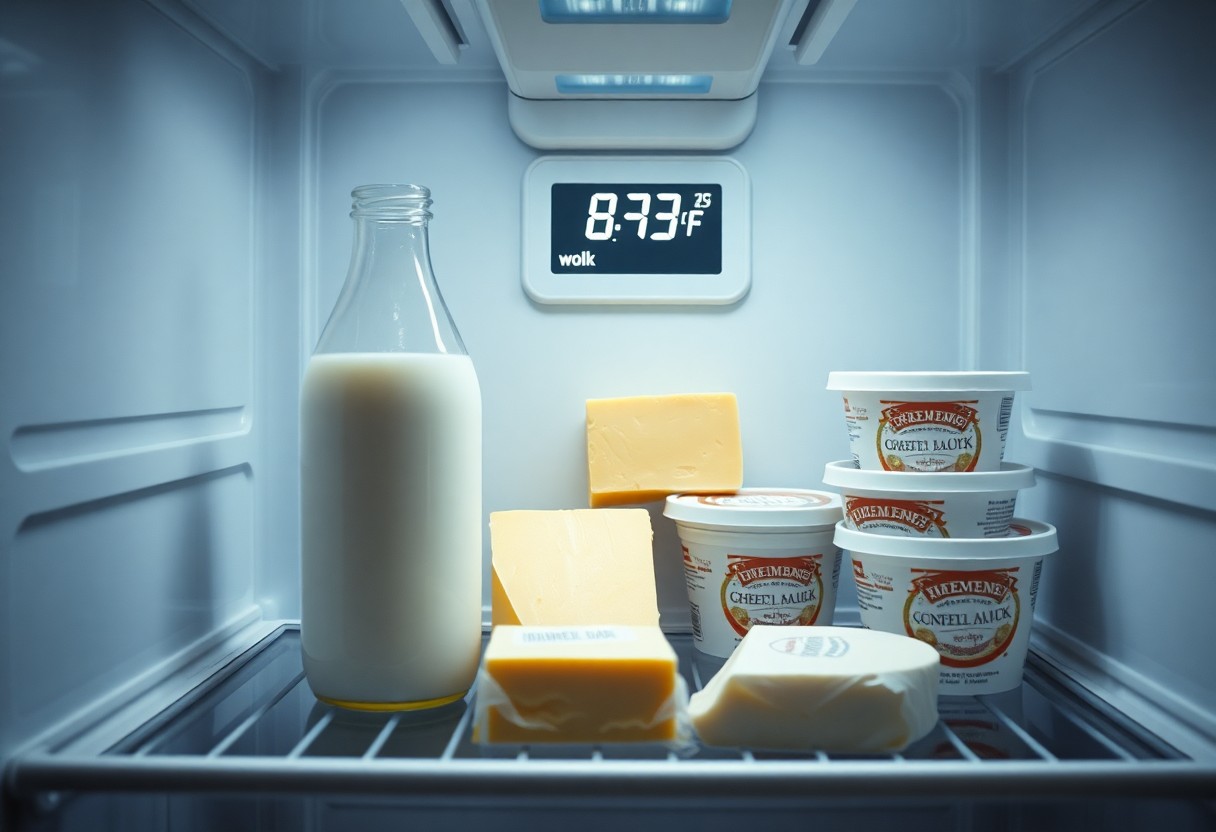
For optimal freshness, your dairy items require specific temperature settings. Milk should be kept at or below 40°F (4°C) to prevent spoilage, while hard cheeses thrive best between 35°F and 45°F (1.7°C to 7.2°C). Soft cheeses require slightly warmer environments around 40°F to 50°F (4°C to 10°C). Following these guidelines ensures longevity. For more information, refer to Fridge Storage for Food Safety.
Optimal Storage Temperatures for Different Dairy Products
Gauge Your Dairy Temperature
| Dairy Product | Optimal Temperature (°F) |
|---|---|
| Milk | 33 – 40°F |
| Hard Cheese | 35 – 45°F |
| Soft Cheese | 40 – 50°F |
| Yogurt | 40°F |
The Science of Dairy Preservation: Why Temperature Matters
Temperature’s Role in Dairy Quality
| Temperature Range | Impact on Dairy |
|---|---|
| Below 32°F | Risk of freezing, affecting texture |
| 32 – 34°F | Ideal for yogurt and some cheeses |
| 35 – 40°F | Best for hard cheeses and milk |
| Above 45°F | Increased spoilage risk |
Maintaining the right temperature for dairy is important for its preservation. Temperatures above 40°F can promote bacterial growth, leading to spoilage within days. Conversely, freezing temperatures can compromise texture and flavor. You might notice that yogurt separates or cheese becomes crumbly if not stored properly. Keeping your dairy products at consistent, recommended temperatures extends their shelf life and retains their quality.
| Quality Aspect | Effect of Temperature |
|---|---|
| Freshness | Longer shelf life |
| Taste | Preserved flavor profile |
| Texture | Consistent and desirable |
| Nutritional Value | Retained nutrients |
Meat and Poultry: A Recipe for Safety and Flavor
Proper temperature control in your fridge is imperative for maintaining the quality and safety of meat and poultry. Storing these proteins at the right temperature prevents bacterial growth while preserving their flavor and texture. Aim to keep your fridge at or below 40°F (4°C), ensuring that your meals are both delicious and safe.
Recommended Settings for Raw vs. Cooked Meats
Raw meats should be kept at 32°F to 36°F (0°C to 2°C) to inhibit bacterial growth, while cooked meats are best stored at slightly higher temperatures, 34°F to 40°F (1°C to 4°C). This distinction helps maintain freshness and prevents spoilage, allowing you to enjoy your meals without fear of foodborne illnesses.
The Consequences of Incorrect Refrigeration
Storing meat and poultry at incorrect temperatures invites harmful bacteria, such as Salmonella and E. coli, leading to potential food poisoning. Even slight deviations can allow pathogens to multiply, heightening the risk of spoilage. Not only does this pose health risks, but improper storage can ruin the texture and flavor of your meats, leaving you with tough or unappetizing meals.
Leftovers and Meal Prep: Best Practices for Reheating and Storing
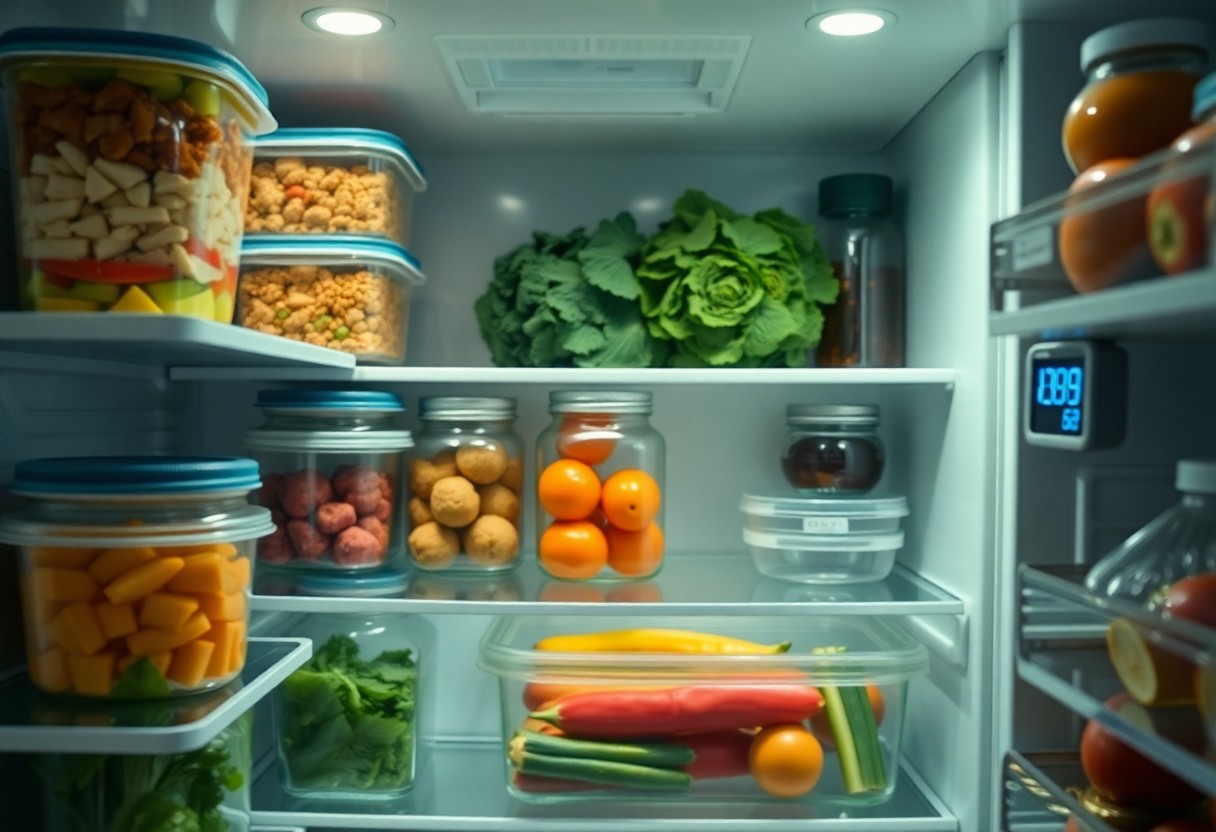
Proper storage and reheating of leftovers not only prevent food waste but also ensure the safety and flavor of your meals. Keep cooked foods in airtight containers and store them at a temperature below 40°F. When reheating, get the internal temperature of your leftovers to at least 165°F to eliminate harmful bacteria. Delegate specific containers for your meal prep, as clear labeling can make a world of difference in managing your fridge.
The 2-Hour Rule: Safety and Quality in Leftover Management
Food should not sit at room temperature for more than two hours to minimize the risk of bacterial growth. This time frame is reduced to just one hour if the ambient temperature exceeds 90°F. Following this rule helps maintain both the safety and quality of your leftovers, ensuring you enjoy your meals without concerns about spoilage. Discard any perishable items that have been left out too long to protect your health.
Storage Tips: Avoiding Common Mistakes for Extended Freshness
To keep your leftovers fresh longer, avoid filling containers to the brim; air circulation is imperative. Use smaller, shallow containers for refrigeration to cool food quickly and evenly. Additionally, labeling your leftovers with dates will help you keep track of their freshness. Always ensure your fridge stays at or below 40°F. You may also organize items by type and consumption frequency, allowing you to easily access what you need while keeping your fridge tidy. Recognizing these factors will significantly enhance the longevity of your meals.
- Air circulation is imperative.
- Use shallow containers for quicker cooling.
- Labeling with dates is vital for tracking freshness.
- Maintain your fridge below 40°F.
- Organize by type and frequency for easy access.
Avoiding common mistakes in food storage significantly impacts the shelf life of your meals. Ensure foods are cooled to room temperature before placing them in the fridge, as hot items raise the freezer’s overall temperature. Be mindful that certain foods, like rice and pasta, can harbor bacteria if not reheated properly. Store your leftovers in appropriate portions to minimize waste and make meal prep efficient. Recognizing these important storage strategies allows you to enjoy longer-lasting and safe meals.
- Allow foods to cool before refrigerating.
- Store in appropriate portions to reduce waste.
- Avoid reheating rice and pasta improperly.
- Use airtight containers to protect leftovers.
Conclusion
With this in mind, setting your fridge to the optimal temperatures for each food category can enhance food safety and longevity. Ensure perishable items are kept at or below 40°F (4°C) to prevent spoilage and bacterial growth, while fruits and vegetables thrive in slightly higher settings. By following these temperature guidelines, you can maintain the freshness of your groceries, reducing waste and ensuring your meals are both safe and delicious.
FAQ
Q: What is the best temperature for storing dairy products in the fridge?
A: The ideal temperature for cheese, milk, and yogurt is between 34°F to 38°F (1°C to 3°C). This range helps maintain freshness and prolong shelf life.
Q: At what temperature should fruits and vegetables be stored?
A: Fruits and vegetables are best kept at a temperature of 32°F to 40°F (0°C to 4°C). This helps slow down spoilage and keeps them crisp.
Q: What temperature is recommended for storing meats?
A: Raw meat should be stored at 28°F to 32°F (-2°C to 0°C) while cooked meats should be stored in the fridge at temperatures of 34°F to 40°F (1°C to 4°C) to prevent bacterial growth.
Q: What is the best fridge temperature for beverages?
A: Most beverages, including soda and water, are best served between 35°F to 50°F (1.5°C to 10°C). This range keeps drinks refreshing without freezing them.
Q: How should eggs be stored in the fridge?
A: Eggs should be stored at a temperature around 33°F to 40°F (1°C to 4°C) in their original carton to protect them from absorbing strong odors and flavors.