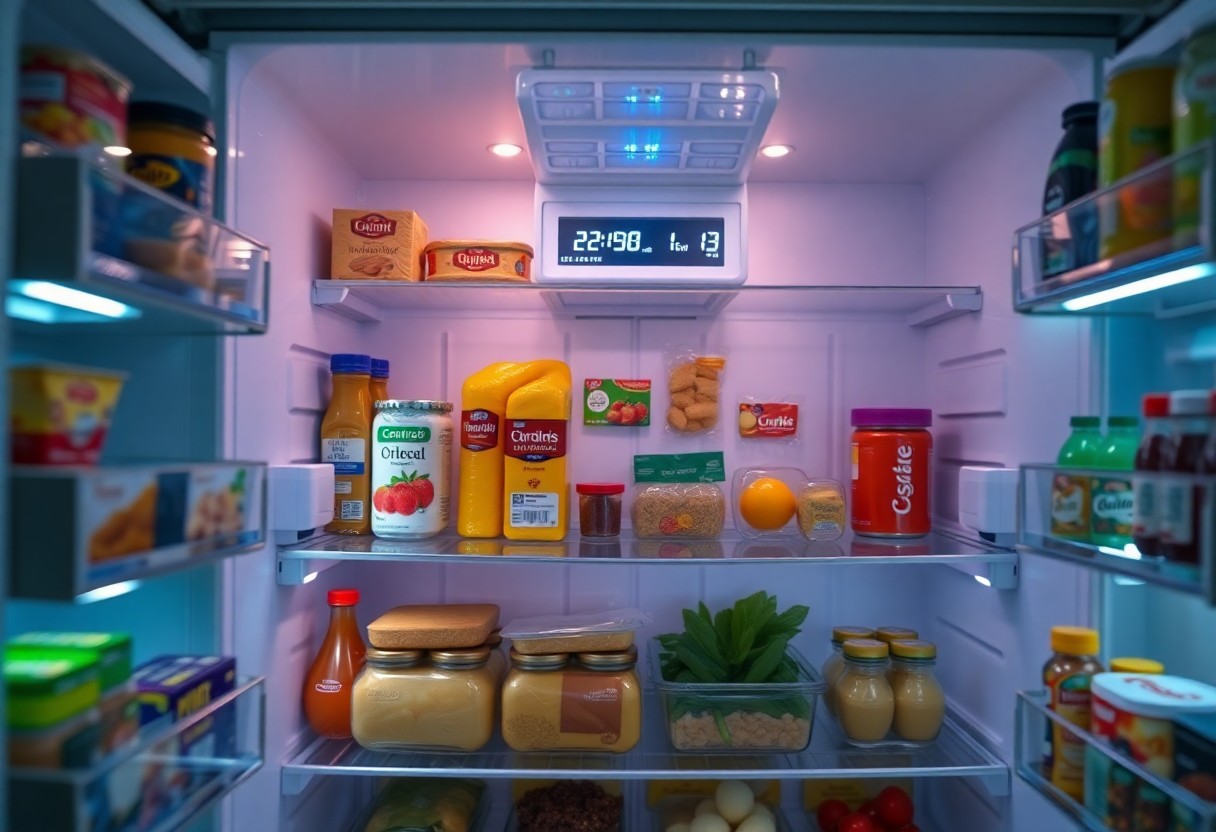
Over time, the way you arrange items in your fridge can significantly impact your energy consumption. By optimizing organization, you can enhance airflow, reduce energy waste, and ultimately cut your electric bill. In this post, you’ll discover practical tips to effectively rearrange your fridge for maximum efficiency. Implement these strategies to ensure your refrigerator runs smoothly and stays energy-efficient. For more insights, check out Energy Saving Tips for the Refrigerator – NOPEC.
Key Takeaways:
- Place frequently used items towards the front to minimize door opening time.
- Avoid overloading the fridge to ensure proper air circulation and efficiency.
- Keep the fridge temperature between 37°F and 40°F for optimal performance and energy savings.
The Energy Drain: How Temperature Zones Affect Efficiency
Understanding temperature zones in your fridge can heavily influence its efficiency. The ideal temperatures range from 32°F to 40°F (0°C to 4°C) for perishables, while the freezer should be at 0°F (-18°C). By organizing your food based on these zones, you can minimize energy consumption and prevent overworking the compressor.
Understanding Fridge Temperature Zones
| Temperature Zone | Recommended Temperature |
|---|---|
| Fresh Food Compartment | 32°F to 40°F (0°C to 4°C) |
| Freezer | 0°F (-18°C) |
Each section of your fridge serves a unique purpose and requires specific temperature settings to maintain food quality. Your fresh food compartment should maintain a temperature between 32°F and 40°F to ensure optimal freshness. The freezer must remain at 0°F to preserve food indefinitely without freezer burn.
The Impact of Item Placement on Energy Consumption
| Placement | Energy Efficiency |
|---|---|
| Top Shelf | Generally warmer; good for drinks and leftovers |
| Bottom Shelf | Coldest area; ideal for dairy and meats |
Where you place items inside your fridge significantly affects energy consumption. Storing dairy and meats on the bottom shelf, where it’s coldest, minimizes energy drain by maintaining consistent temperatures for sensitive items. Avoid overcrowding, which impedes airflow, causing the compressor to work harder. Instead, arrange items for proper circulation and access, reducing the fridge’s overall energy use while extending the life of your perishables.
Cool Down: Strategic Arrangement for Optimal Airflow
Effective airflow within your fridge is vital for maintaining the right temperatures and enhancing efficiency. Start by avoiding overcrowding, as this restricts air circulation and makes it harder for your appliance to cool effectively. Ensure that the food items are spaced apart and not blocking the air vents. For more tips, check out these Easy Ways to Improve Your Refrigerator’s Efficiency.
The Flow of Cold Air and Its Importance
Cold air flows from the freezer compartment down to the fridge section, necessitating clear pathways for optimal circulation. When fridges are arranged to promote this airflow, you reduce energy consumption and ensure consistent cooling. Clutter or blocked vents can cause the appliance to work overtime, resulting in elevated energy bills.
Best Practices for Storing Foods According to Their Cooling Needs
Understanding how different foods respond to various temperatures helps you maximize freshness and minimize energy use. Dairy products should be placed on middle shelves where the temperature is most stable, while fruits and vegetables thrive in the crisper drawers. This targeted approach prevents spoilage and reduces the overall energy needed to keep your fridge running efficiently.
By placing items according to their cooling requirements, you not only maintain better food quality but also enhance refrigerator efficiency. Store meats on the bottom shelf to prevent cross-contamination and keep them at colder temperatures. Condiments and drinks are best suited for the door, where temperatures fluctuate more. These strategic placements lower your fridge’s workload, which can significantly reduce your electric bill over time.
The Friendly Fridge Challenge: Sorting for Savings
Engaging in the Friendly Fridge Challenge empowers you to optimize your refrigerator’s storage while trimming energy costs. By systematically sorting and organizing items, you not only enhance accessibility but also promote better air circulation. Challenge yourself to empty the fridge, categorize everything, and implement a strategic layout that maximizes efficiency. This proactive approach leads to a more functional fridge and can contribute to significant energy savings over time.
Organizing by Type: Fresh Foods vs. Leftovers
Separating fresh foods from leftovers creates a structured environment that streamlines meal planning and reduces waste. Fresh items should occupy the prime zones—top shelves and crisper drawers—where temperatures remain steady. Place leftovers in clear containers at eye level, making them easy to spot and consume promptly. This organization ensures that your freshest ingredients are used first while leftovers don’t linger too long, minimizing spoilage.
The Benefits of Clear Containers and Labels
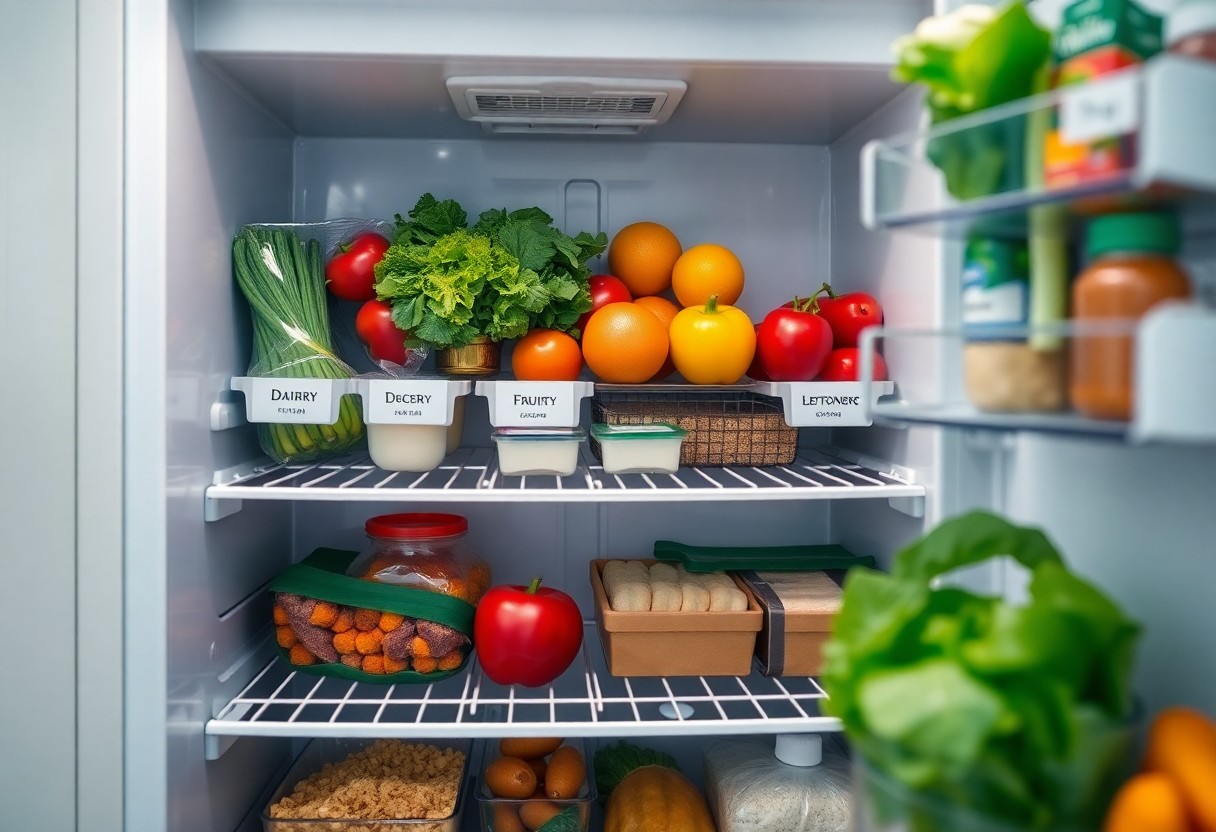
Utilizing clear containers and labels simplifies inventory management in your fridge. Visibility becomes the priority; seeing your available food items reduces the chances of unnecessary purchases. Clear containers prevent confusion and allow you to quickly assess what’s inside without rummaging. Labels help keep track of expiration dates, ensuring nothing goes to waste. This method not only enhances your fridge’s efficiency but also fosters a more sustainable lifestyle.
With clear containers and labels, you transform chaos into clarity within your refrigerator. For example, using containers with transparent lids allows you to see contents from above, thereby reducing food waste and saving you money. Additionally, sticking labels with dates on leftovers can serve as a reminder to consume them before they expire. As a result, this simple organizational tweak can lead to lower food expenses and reduced energy usage, making a noticeable impact on your electric bill over time.
The Science of Minimalism: Reducing Clutter to Cut Costs
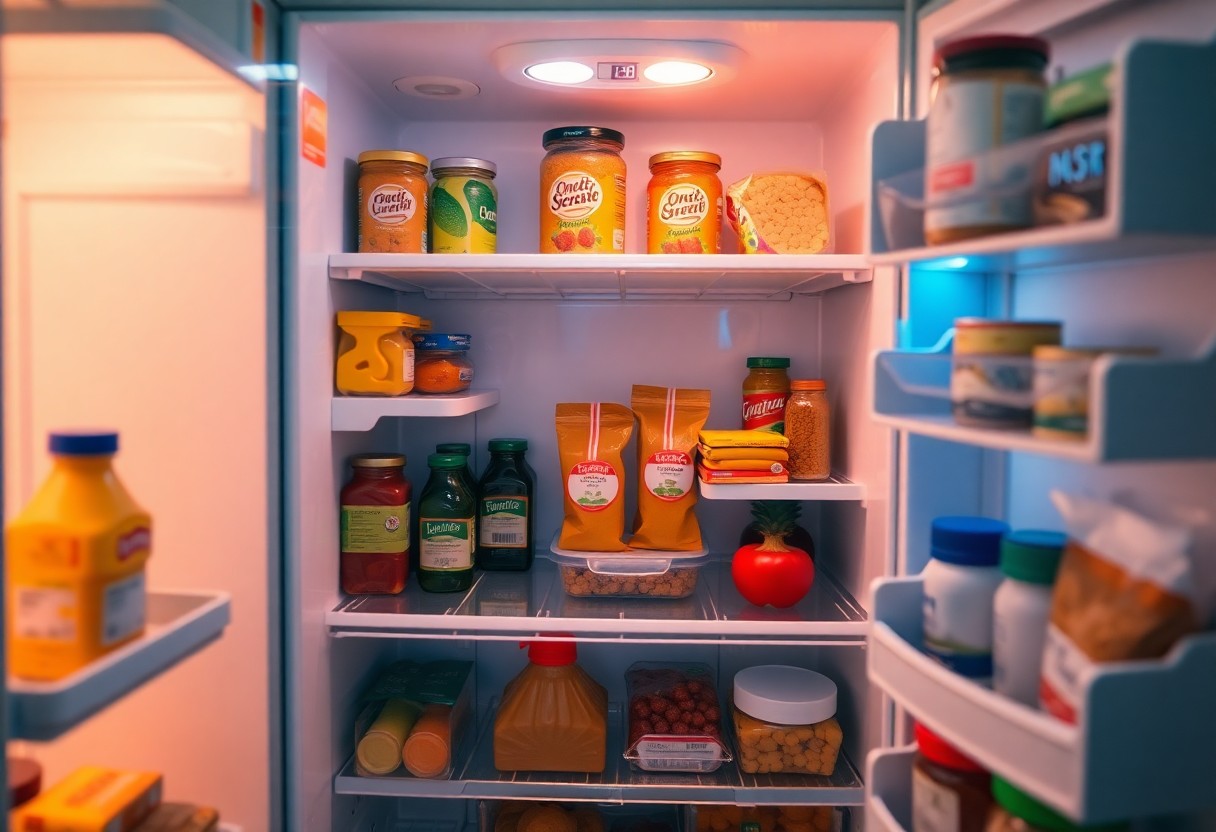
Embracing minimalism in your fridge not only creates a cleaner space but also enhances energy efficiency. Reducing clutter enables better airflow, which helps maintain optimal temperatures. A well-organized fridge allows your appliance to operate more effectively, minimizing energy consumption. Therefore, investing time in decluttering can lead to savings on your electric bill while prolonging your fridge’s lifespan.
Identifying Unnecessary Items
Start by assessing the items in your fridge and eliminating those that serve no purpose. Expired sauces, forgotten leftovers, and duplicates take up valuable space and energy. Conduct a thorough inventory, focusing on usage frequency; items you haven’t touched in weeks can likely be discarded. By streamlining your contents, you create a more efficient environment.
The Role of Food Expiration in Energy Efficiency
Expired food not only goes to waste but also contributes to energy inefficiency. As items decay, they can create odors and bacteria that force your fridge to work harder to maintain appropriate temperatures. Keeping your fridge stocked with only fresh items not only enhances health but also allows your fridge to operate more smoothly, leading to energy savings.
Food that is past its expiration date can also emit gases, causing your fridge’s compressor to cycle on more frequently. This extra strain results in increased energy usage, contributing to higher electric bills. Clearing out expired items not only promotes a healthier environment but also ensures your fridge remains efficient. Aim to monitor expiration dates regularly, facilitating proactive decluttering that preserves energy and minimizes waste.
The Power of Maintenance: Keeping Your Fridge in Top Shape
Regular maintenance of your fridge enhances its efficiency and longevity, directly impacting your electric bill. A well-maintained appliance operates smoothly, minimizing energy consumption and costly repairs. Keeping the condenser coils clean and ensuring that door seals are functioning properly can make a significant difference in energy usage. By investing a little time in maintenance, you can save money and extend the lifespan of your refrigerator.
Regular Cleaning and Its Benefits
Cleaning your fridge regularly not only improves hygiene but also boosts appliance performance. Food spills and dust can obstruct airflow, forcing the refrigerator to work harder. A simple scrub-down of surfaces and a thorough check of the drains allows for optimal cooling and reduced energy expenses. This maintenance habit results in a cleaner environment for your food and significant savings on your electric bill.
Diagnosing and Addressing Common Fridge Issues
Identifying common refrigerator problems early can save you from costly repairs and increased energy bills. Issues like frost buildup, strange noises, or inconsistent temperatures can indicate a malfunction. Listening for unusual sounds or observing temperature fluctuations can be helpful in pinpointing potential issues. Taking corrective action quickly can prevent further complications and keep your fridge running efficiently.
Issues such as insufficient cooling may arise from blocked vents or malfunctioning thermostats, which can waste energy. Regularly checking these components allows you to troubleshoot common problems effectively. For instance, if your fridge is not maintaining its temperature, try adjusting the thermostat first; if that fails, inspect the evaporator fan for blockages. Simple fixes often prevent more serious problems, ensuring your refrigerator remains efficient and reducing your overall energy consumption.
Conclusion
With these considerations, you can significantly lower your electric bill by strategically rearranging items in your fridge. By ensuring proper air circulation, keeping the fridge at the optimal temperature, and organizing food to minimize cold air loss, you enhance efficiency. Positioning frequently used items at the front allows for quicker access, reducing the time the door is open. By being mindful of how you store food, you’ll not only save money but also extend the lifespan of your appliances and food items.
FAQ
Q: How does the arrangement of items in my fridge affect energy consumption?
A: Proper arrangement helps maintain consistent temperatures, reducing the workload on the refrigerator compressor, which saves energy.
Q: What is the best way to organize items for energy efficiency?
A: Group similar items together, place frequently used items at the front, and avoid overcrowding to allow for better airflow and circulation.
Q: Are there specific items that use more energy when placed incorrectly?
A: Yes, placing warm food items or beverages near the cooling vents can cause the fridge to work harder to stabilize temperatures.
Q: Should I keep my fridge full or empty for energy savings?
A: A moderately full fridge is ideal; it retains cold air better than an empty one, while also ensuring proper airflow.
Q: How often should I reorganize my fridge to maintain efficiency?
A: It’s advisable to check and reorganize your fridge every few months to ensure optimal arrangement and check for expired items.