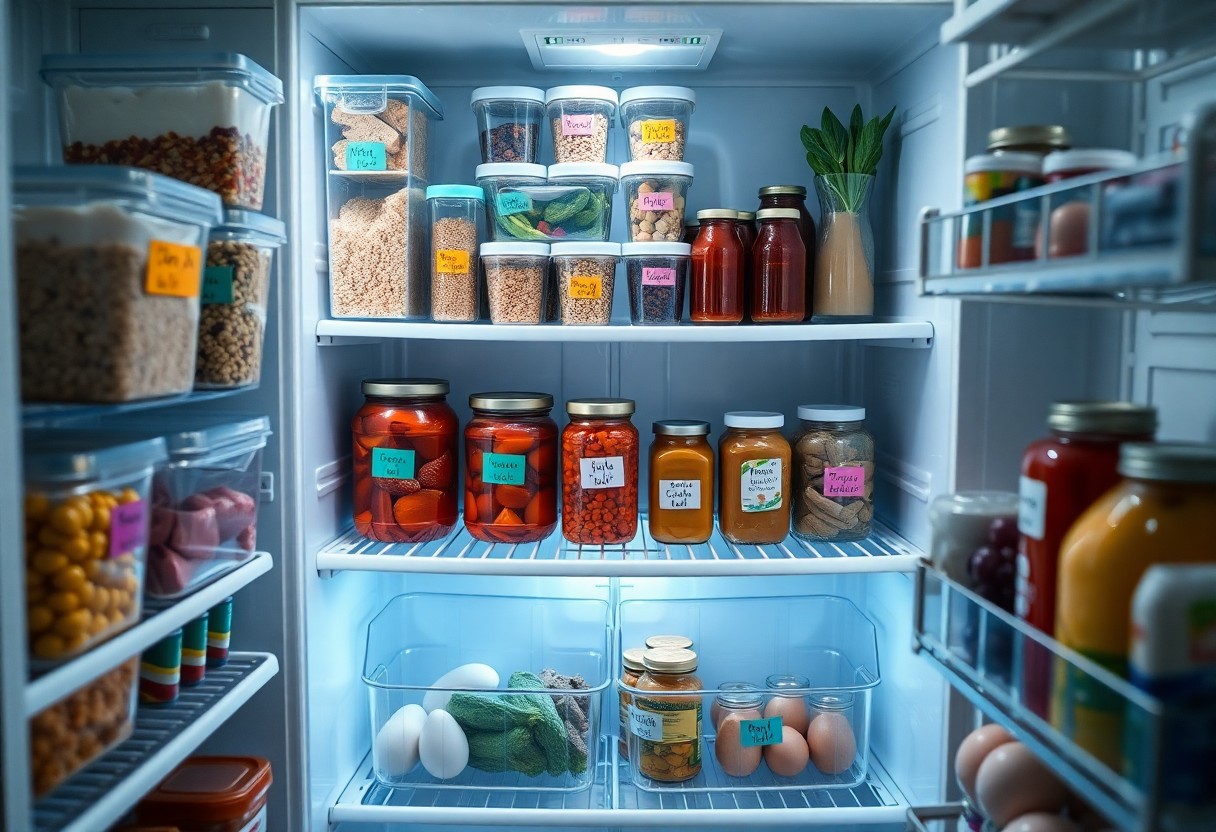
Over time, you can significantly reduce food waste by properly organizing your fridge. By strategically arranging your items, you can ensure that nothing gets overlooked or forgotten. Keep an eye on expiration dates and use clear containers to maintain visibility of your food. This proactive approach not only saves you money but also contributes to a positive impact on the environment by minimizing waste. With these tips, you can transform your fridge into an efficient space that maximizes freshness and longevity of your groceries.
Key Takeaways:
- Place older items in front to encourage use before expiration.
- Keep storage areas consistent; use clear containers for visibility.
- Label shelves to categorize foods and highlight expiration dates.
The Cost of Neglect: Understanding Food Waste
Food waste affects your wallet and the environment alike. Neglecting proper food storage and organization can lead to spoilage, ultimately resulting in throwing away hard-earned money. Numerous households find themselves discarding food that could have been saved with simple fridge organization strategies. Implementing effective practices not only reduces waste but also enhances meal planning efficiency. For more on this, check out Fridge Organization Tips & Insights.
The Environmental Impact of Wasted Food
Wasted food contributes significantly to greenhouse gas emissions, as decomposing organic matter in landfills releases methane, a potent contributor to climate change. In fact, the United Nations estimates that about 1.3 billion tons of food are discarded globally each year, adding to your carbon footprint. Reducing this waste helps alleviate pressure on resources and promotes a more sustainable food system.
The Financial Toll on Households
Your household budget takes a hit when food is wasted. Statistics show that the average family throws away approximately $1,600 worth of food annually. This amount can add significant strain to your finances, leading to tighter budgets and missed opportunities for savings. Adopting better storage and meal planning methods can mitigate these losses and enhance your overall financial health.
With careful planning and organization, you can reclaim a portion of that lost money. Consider tracking what food items you frequently dispose of to pinpoint waste patterns. Adjusting your shopping habits and meal preparation based on this data can drastically cut down on unnecessary purchases and ultimately lower grocery bills. By valuing each food item, you not only improve your financial situation but also contribute to a more sustainable lifestyle.
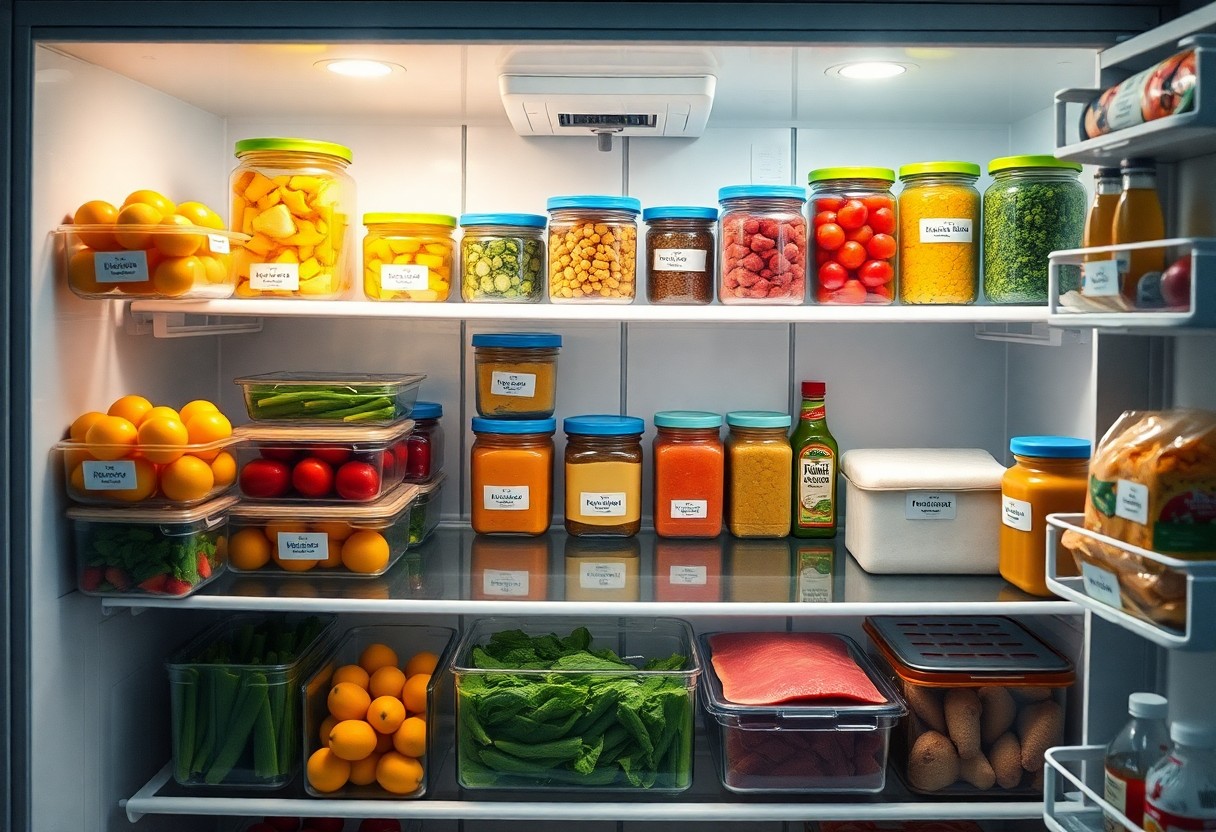
Strategic Layout: Crafting a Food-Friendly Fridge
To minimize food waste, the layout of your fridge plays a vital role. Implementing a strategic organization system not only increases visibility but also ensures that perishable items are used in a timely manner. Place foods in a manner that encourages consumption, prioritizing freshness and accessibility, while considering temperature variations within different fridge sections.
The Ideal Organization of Shelves and Drawers
Your fridge should have designated areas for various food types. Top shelves typically maintain consistent temperatures ideal for drinks and leftovers. Middle shelves are perfect for dairy products, while the bottom drawers, often the coldest section, should store meats and produce. Grouping similar items together reduces the chances of forgetting what’s inside.
Utilizing the Door vs. Main Sections: Best Practices
The fridge door is the warmest section, making it suitable for condiments and items that are less sensitive to temperature changes. Reserve the main sections for perishables like fruits, vegetables, and dairy. This approach ensures that food stored in more stable conditions lasts longer, effectively reducing waste.
Cold air escapes each time you open the fridge door, so placing less temperature-sensitive items in the door allows more crucial items to stay fresh. Use the main shelf areas to store greens, meat, and dairy, which require consistent, colder temperatures to maintain quality. For pantry staples like ketchup or mustard, however, the door remains appropriate and space-efficient, allowing you to optimize your fridge’s main sections for foods that spoil quickly.
Labeling and Tracking: Your Allies in Freshness
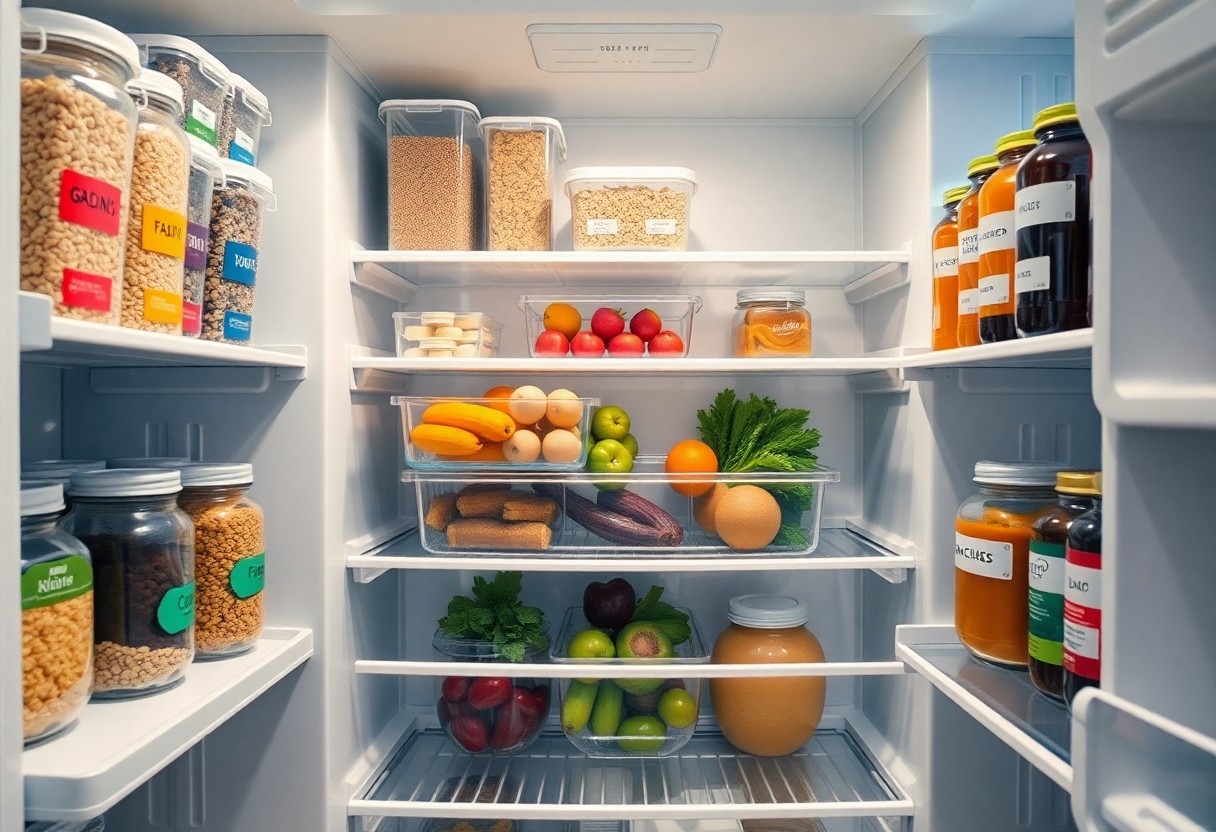
Implementing a thorough labeling and tracking system transforms your fridge organization from functional to foolproof. A clear labeling system helps you easily identify what’s in your fridge, encouraging you to use ingredients before they spoil. Use clear, waterproof labels that display the item name and date, ensuring nothing goes unnoticed. Dedicating one shelf or section for soon-to-expire items can further enhance your efficiency, prompting timely use and reducing waste significantly.
Implementing an Effective Labeling System
An effective labeling system utilizes permanent markers or label makers to mark storage containers, ensuring you can quickly identify and track the contents and their expiration dates. Arrange labels by sections for easy visibility, placing frequently used items at eye level and labeling them accordingly. This practice not only streamlines meal prep but actively encourages you to consume items before they reach their expiration.
The Benefits of Inventory Management Tools
Inventory management tools offer you a digital advantage in monitoring your fridge’s contents. These apps can track expiry dates and alert you when an item is nearing the end of its lifecycle. By maintaining an updated inventory, you’re empowered to plan meals with ingredients you already have, ultimately minimizing impulse purchases and reducing food waste.
Many inventory management apps provide features like barcode scanning, customizable categories, and meal planning options. For instance, by scanning your groceries upon arrival, you can instantly update your fridge inventory. Several studies indicate that users of inventory management tools report a 25% reduction in food waste over a year. With built-in reminders for items nearing expiration, these tools ensure you’re continually aware of your stock, helping to maximize freshness and create a sustainable eating routine.
First In, First Out: Mastering the Rotation Technique
Applying the First In, First Out (FIFO) method in your fridge ensures that older items are used before newer ones, drastically reducing the chances of spoilage. This strategy is particularly effective for perishable goods, allowing you to maintain freshness and extend the life of your food. By regularly checking and rearranging your items according to purchase dates, you establish a routine that prioritizes using what you have on hand, fostering a culture of minimal waste in your kitchen.
The Importance of FIFO for Perishable Items
Perishable items, such as dairy, fruits, and vegetables, face rapid deterioration. Implementing FIFO helps you consume the oldest items first, ensuring they get used while still fresh. For instance, when you replenish your dairy shelf, placing recent purchases behind older products prompts you to reach for those approaching their expiration date first. This simple act can reduce your overall food waste significantly.
Innovative Approaches to Implementing FIFO
Introducing innovative solutions for FIFO can elevate your fridge management. Consider using clear storage bins or labeled shelves that group similar items by purchase date or type. You might also incorporate a dry erase board on your fridge door that tracks expiration dates. Utilizing smartphone apps designed for inventory management can send reminders for items nearing their end, keeping your food waste at bay while promoting better consumption habits.
Consider integrating designated bins with labels such as “Use First” or “Expires Soon” to create a visual cue for your family. Use adjustable shelf heights to accommodate various product sizes, making it easier to identify older products quickly. For tech-savvy individuals, apps that scan barcodes or use photos to manage food inventory can streamline your FIFO system. These methods not only enhance usability but also foster accountability within your household, encouraging everyone to participate in minimizing food waste effectively.
Seasonal Adjustments: Aligning Your Fridge with What’s Fresh
Aligning your fridge with seasonal produce not only enhances taste but also reduces waste significantly. By keeping seasonal fruits and vegetables on hand, you’re more likely to use them before they spoil. For more tips on making the most of your fridge for food sustainability, check out Fridge Organization Tips To Reduce Food Waste and Eat ….
Understanding Seasonal Availability of Produce
Each season brings a unique selection of fresh produce. In winter, root vegetables and citrus dominate, while summer showcases berries and stone fruits. By being aware of what’s in season, your meals can be fresher, more nutritious, and fully utilized, significantly lowering the chances of waste.
How to Adapt Your Shopping Habits Accordingly
Adjusting your shopping habits involves prioritizing seasonal produce to enhance freshness. Create a shopping list that reflects what’s currently in season and focus on purchasing these items in bulk if you can use them quickly. This not only saves money but promotes the use of ingredients that are likely to spoil sooner.
To effectively adapt your shopping habits, consider joining a local farmer’s market or subscribing to a seasonal produce box. By buying directly from farmers, you’ll receive the freshest options available, often at a lower cost than grocery stores. Plan your meals around these ingredients, using them within a few days of purchase to prevent waste. This proactive approach will lead to fewer spoiled items in your fridge and a more varied diet that changes with the seasons.
Conclusion
From above, you can see that organizing your fridge effectively minimizes food waste and enhances food safety. By utilizing designated zones, clear containers, and regularly checking expiration dates, you can maintain an organized space that promotes freshness. Prioritize items based on their perishability and make it a habit to adjust your shopping and meal planning accordingly. This strategic approach not only saves money but also supports a sustainable lifestyle. Implement these practices consistently to ensure your fridge works efficiently for you.
FAQ
Q: What are the best practices for organizing my fridge to minimize food waste?
A: To minimize food waste, keep frequently used items at eye level, group similar foods together, use clear containers to see contents easily, and store perishable items in the designated areas. Regularly check expiration dates and rotate older items to the front.
Q: How should I store fruits and vegetables to extend their shelf life?
A: Store fruits in a separate drawer from vegetables to prevent ethylene gas from causing premature ripening. Use breathable bags or containers for produce, and avoid washing items until just before consumption to reduce spoilage.
Q: What is the ideal temperature for a fridge to prevent food waste?
A: The ideal temperature for a fridge is between 32°F and 40°F (0°C to 4°C). This range slows bacterial growth and helps maintain the freshness of perishable food items.
Q: How can I effectively manage leftovers to reduce waste?
A: Label and date leftover containers to keep track of when they were made. Use a first-in, first-out system to consume older leftovers first, and repurpose them into new meals to avoid discarding them.
Q: What safety tips should I follow to avoid food spoilage in the fridge?
A: Avoid overpacking the fridge to ensure proper airflow, periodically check and clean shelves to prevent spills and odors, and keep the fridge door closed as much as possible to maintain a consistent temperature.