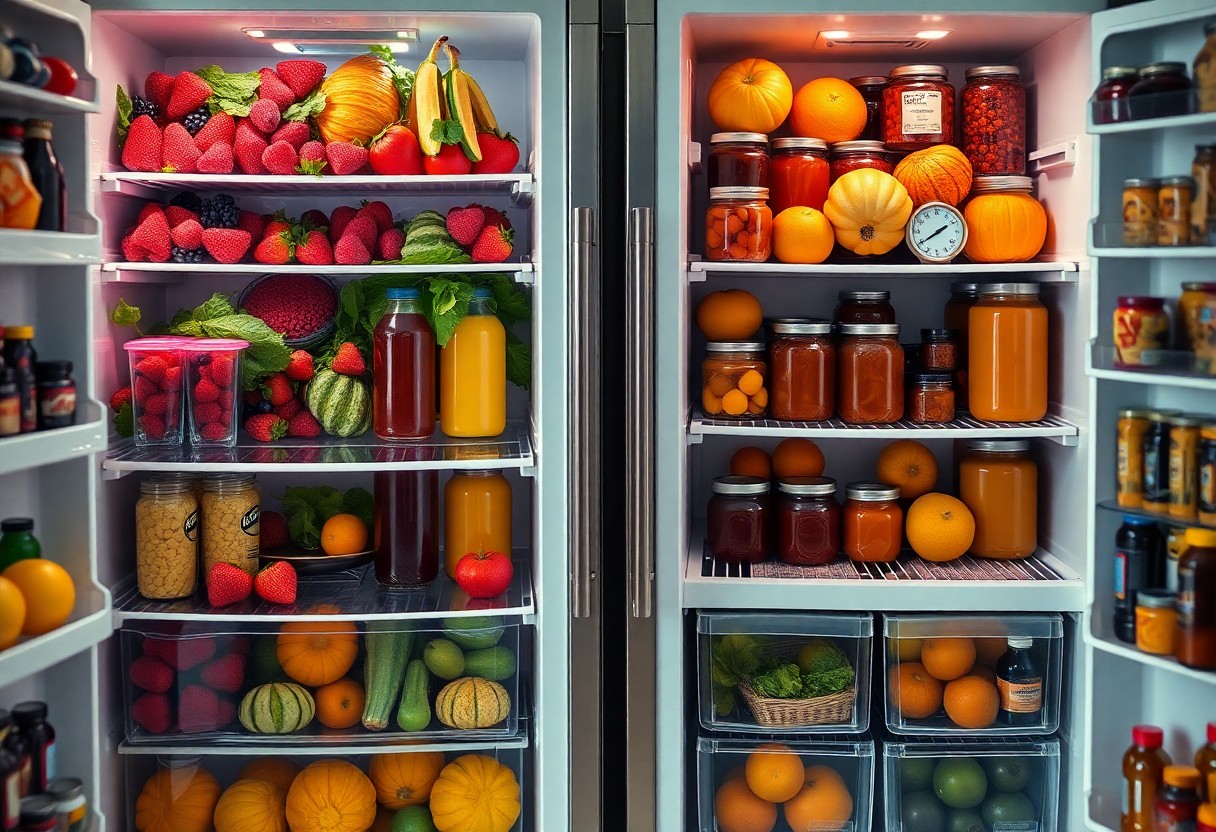
This guide will help you optimize your refrigerator for the unique challenges of each season. In summer, it’s important to prevent spoilage by adjusting temperatures and being mindful of moisture levels. As winter approaches, you should focus on maintaining proper air circulation and keeping items properly sealed to preserve freshness. By adapting your storage habits throughout the year, you can ensure that your food stays safe, fresh, and flavorful, maximizing both quality and safety in your kitchen.
Key Takeaways:
- Optimize temperature settings: Adjust the fridge temperature based on seasonal changes to maintain food freshness.
- Organize items by use: Keep frequently used summer fruits and vegetables at eye level, while winter produce can be stored for longer periods.
- Plan for bulk purchases: Buy seasonal items in larger quantities during peak months and properly store or freeze excess to avoid waste.
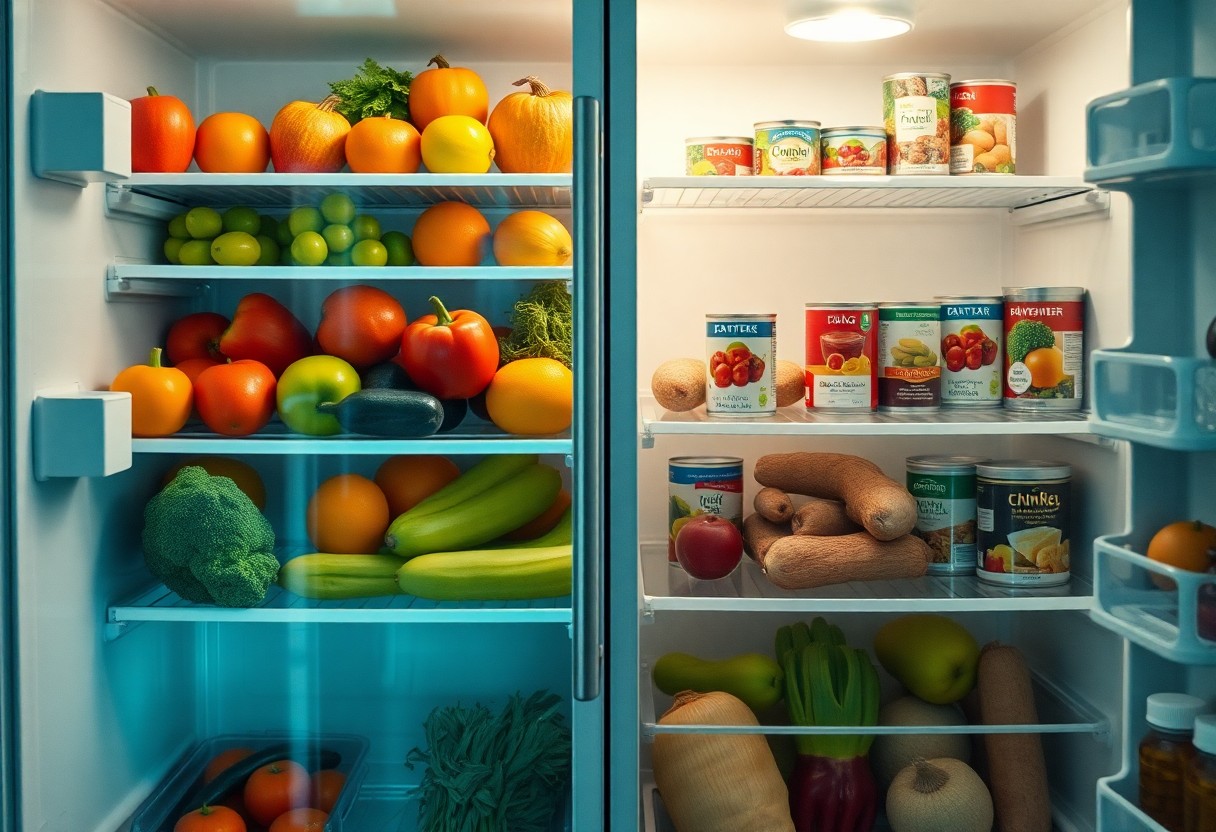
Mastering Temperature Dynamics
Understanding temperature dynamics in your fridge can significantly enhance food preservation. Seasonal changes can impact how cold you need to keep your refrigerator, especially as appliance efficiency varies with ambient temperature.
Temperature Control Guidelines
| Summer | Set fridge between 35°F-38°F (1.6°C-3.3°C) to combat warmer air from opening doors. |
| Winter | Maintain fridge at 32°F-36°F (0°C-2.2°C) as room temperatures are cooler. |
The Importance of Temperature Control
Optimal temperature control directly influences microbial growth and the shelf life of your food. Keeping your fridge consistently below 40°F (4°C) prevents harmful bacteria from proliferating, maintaining your food’s quality and safety.
Temperature and Food Safety
| Above 40°F (4°C) | Bacterial growth accelerates, risking foodborne illnesses. |
| Below 32°F (0°C) | Freezing items can lead to texture changes and nutrient loss. |
Impact on Food Freshness and Safety
Food freshness and safety are significantly influenced by temperature control. For instance, fresh produce may spoil quicker when stored at temperatures above recommended levels, leading to wasted food and money. Similarly, perishable items like dairy and meat require strict adherence to cold storage protocols; a mere fluctuation of a few degrees can double the risk of spoilage. Items stored just above the ideal temperature can harbor bacteria like Salmonella and Listeria, making it imperative to regularly check and adjust your fridge settings.
Rethinking Food Inventory
Adjusting your food inventory according to the seasons can enhance freshness, flavor, and nutrition. In summer, prioritize items that are best enjoyed fresh. Stock up on vibrant fruits and vegetables, while winter calls for a focus on preserved or root vegetables. Regularly assess your stock to reduce waste, rotating older items to the front for immediate use. This not only keeps your fridge organized but also helps in meal planning tailored to what you currently have on hand.
Seasonal Produce: What’s in Season?
Winter brings hearty produce like root vegetables such as carrots, potatoes, and turnips, while summer flourishes with succulent berries, tomatoes, and zucchini. Knowing what’s in season allows you to select the freshest ingredients, ensuring maximum flavor and nutritional value. Incorporate these seasonal picks into your meals for an enjoyable cooking experience that aligns with nature’s rhythms.
Long-Lasting Staples: Adjustments for Each Season
Adjusting your selection of long-lasting staples can significantly impact your seasonal cooking. In summer, opt for lighter, refreshing grains like quinoa and couscous, while winter might have you reaching for heartier grains like barley or farro. Additionally, consider the storage conditions; summer heat can affect your pantry items, so keep them in a cool, dark place to maintain potency and prevent spoilage.
Staples not only offer flexibility in your cooking but can also adapt with the seasons. In summer, replace heavier items such as canned beans with fresh legumes or lighter pastas, while preserving items like jarred sauces can complement grilled vegetables well. During winter, utilize dried beans and long-term grains to create filling dishes that warm the soul. Stock a variety of herbs and spices to keep meals flavorful year-round, ensuring that your pantry reflects the changing seasons effortlessly.
Reimagining Storage Strategies
Adapting your storage habits seasonally enables you to maximize the efficiency of your fridge space. Embrace Seasonal Storage Tips: What to Store and When by revising your inventory and organization methods. Tailoring your approach not only enhances freshness but also minimizes waste, helping you enjoy seasonal ingredients to their fullest potential.
Efficient Space Utilization for Summer
Summer storage requires a lighter touch, reducing the amount of bulky items occupying your fridge. Focus on utilizing stackable containers for snacks, fruits, and salads while allowing for easy grab-and-go access. Reserve the bottom shelves for larger items like beverages, ensuring quick access for outdoor gatherings.
Optimizing for Winter’s Bulkier Items
As winter beckons, your fridge needs to accommodate bulkier items, such as hearty vegetables and preserves. Prioritize sections for large storage containers and reconfigure shelves to create more vertical space. Investing in adjustable organizers can aid in efficient storage, making room for winter stews and larger meal prep crucials.
In winter, transitioning to bulkier items often includes storing ingredients for hearty meals and entertaining. Create a designated section in your fridge for items like stock, prepared casseroles, and root vegetables. Utilize clear bins to keep similar items together and facilitate easy access, reducing the likelihood of forgotten ingredients and ensuring that everything remains fresh. Consider incorporating a rotation system to track expiration dates and maintain food safety throughout the season.
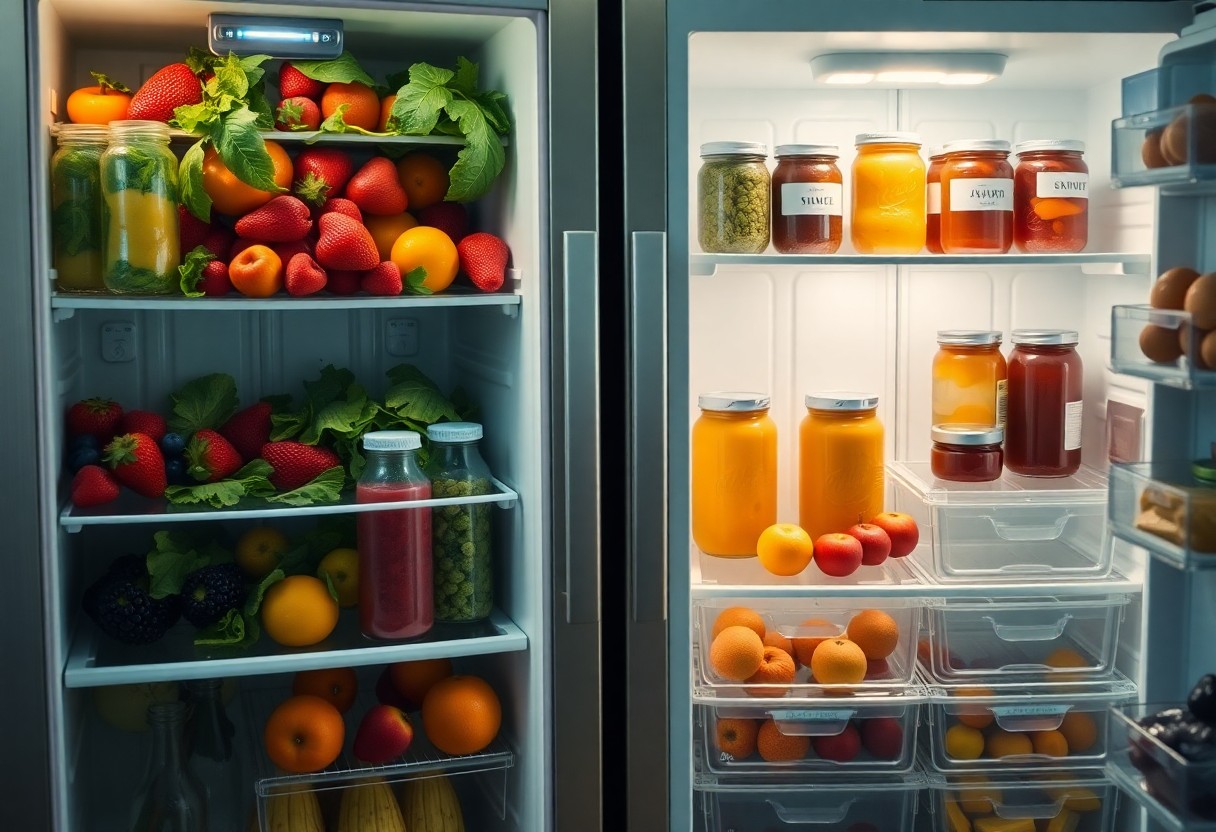
Perishable Essentials: A Season-Specific Guide
Adjust your approach to perishable items based on the season to minimize waste and maximize freshness. In summer, focus on chilled foods that can withstand heat, while winter calls for more hearty, preserved options. For insights into seasonal fridge management, check out Fridge + Freezer Decluttering: Prep for Summer, Not Just ….
Dairy and Meat Storage Adjustments
In warmer months, keep your dairy products at temperatures below 40°F to avoid spoilage. Use the coldest part of the fridge for milk, while cheeses do best wrapped tightly in wax paper. For meats, ensure they’re on the bottom shelf to prevent any leakage and store them in airtight containers to maintain quality.
Fruits and Vegetables: Do’s and Don’ts
Summer heat can compromise the freshness of fruits and vegetables; keep them in the crisper drawer but be cautious with ethylene-producing items like bananas and avocados. These can cause rapid spoilage for other produce. In winter, switch to storing firmer varieties like root vegetables in a cool, dark area for optimal longevity.
Understanding which fruits and vegetables to refrigerate versus store at room temperature is crucial for maintaining their flavors and textures. For instance, tomatoes and potatoes should never go in the fridge as they lose taste and develop an undesirable texture. Conversely, leafy greens and berries benefit from the cool, moist conditions inside your fridge, extending their lifespan significantly. Aim to consume these seasonal options shortly after purchase to enjoy peak flavor and nutrition.
The Role of Meal Planning
Effective meal planning streamlines your seasonal fridge prep, allowing you to make the most of what you have on hand. By planning meals in advance, you can incorporate seasonal ingredients that not only taste better but also often come at a lower cost. This foresight minimizes last-minute shopping trips and prevents impulse buys that contribute to waste.
Aligning Menus with Seasonal Availability
Customizing your meals based on seasonal availability brings flavors and freshness to the forefront. In summer, incorporate vibrant produce like tomatoes, cucumbers, and berries, while winter can feature root vegetables and hearty greens. By choosing ingredients at their peak, you enjoy enhanced taste and nutritional benefits, ultimately enriching your dining experience.
Reducing Food Waste through Smart Planning
Smart meal planning directly contributes to reducing food waste, as it encourages you to buy only what you need. By creating a detailed shopping list based on your planned meals, you can avoid over-purchasing items that may spoil before use. It also helps in utilizing leftovers creatively in subsequent meals.
Focusing on reducing food waste requires proactive thinking about potential leftovers. For example, if you roast a chicken for dinner, plan meals like chicken salad or soup for the days following. You can even use vegetable scraps for stocks or broths. Keeping track of expiration dates and using clear containers to store food can also help you maintain awareness of what needs to be consumed first, further decreasing waste and maximizing your investment in groceries.
Conclusion
To wrap up, adjusting your fridge storage habits for summer and winter can significantly impact your food preservation and overall efficiency. In summer, opt for lighter meals and store perishable items in front for easy access, while winter allows for heartier foods and more bulk storage. Regularly clean and reorganize your fridge to maintain an optimal temperature and reduce spoilage. By tailoring your fridge setup to the seasons, you enhance your culinary experience and minimize waste.
FAQ
Q: What are the main differences in food storage between summer and winter?
A: In summer, perishable items tend to spoil faster due to higher temperatures, requiring more frequent checks on expiry dates and increased refrigeration settings. In winter, many items can be stored longer at room temperature, but humidity control becomes important to prevent spoilage.
Q: How should I adjust my fridge temperature for summer months?
A: Set your fridge temperature to 35-38°F (1.6-3.3°C) during summer months to ensure food safety and freshness, as warmer external temperatures can raise the internal fridge temperature.
Q: What types of foods should I focus on in summer versus winter?
A: In summer, prioritize storing fresh fruits and vegetables, which thrive and are abundant, while winter is ideal for hearty meals, root vegetables, and canned goods, which require less refrigeration.
Q: Are there specific storage tips for beverages in summer?
A: Yes, maximize space by storing beverages in the door shelves where it’s cool. Consider using ice packs for faster chilling and maintain an organized layout to prevent warm spots.
Q: How can I best utilize my freezer for seasonal storage?
A: In summer, freeze seasonal fruits and prepare batch meals to reduce waste. In winter, stock up on frozen vegetables and meals to ensure easy, quick meals during colder months.