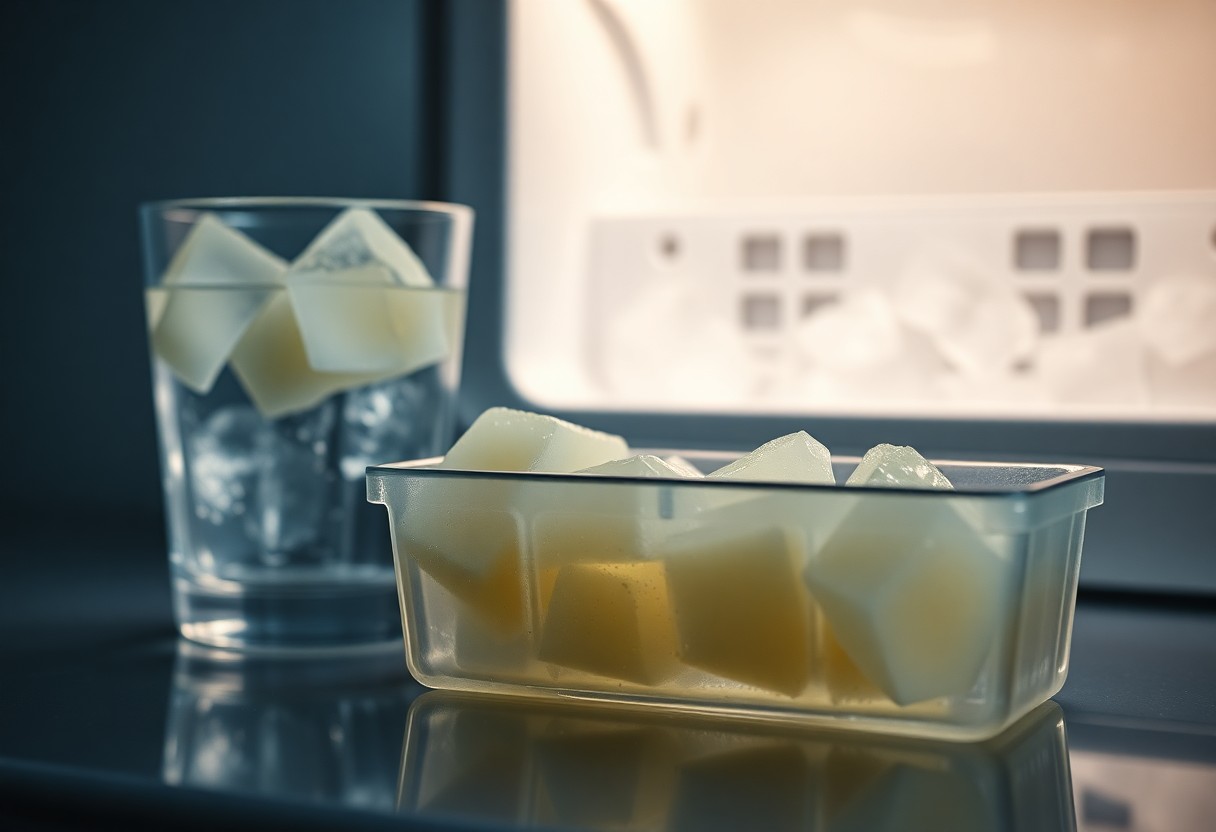
Just because ice is frozen water doesn’t mean it’s free from impurities. If you’ve ever noticed a strange taste in your ice, it could be due to contaminants in your water supply, stale ice from your freezer, or even odors absorbed from nearby foods. Understanding these factors is vital, as they can affect not only the flavor of your drinks but also your health. By recognizing the sources of this issue, you can take steps to ensure that your ice is always fresh and pure.
Key Takeaways:
- The taste of ice is influenced by the quality of the water used to make it.
- Odors from the freezer and other foods can be absorbed by ice, affecting its flavor.
- Regular cleaning and proper storage of ice can improve its taste significantly.
The Impact of Water Quality on Ice Flavor
Your ice can carry flavors that stem from the quality of the water used in its production. Poor quality water, often found in municipal supplies, can introduce undesirable tastes and odors into your ice. This is not just a matter of preference; the physical and chemical composition of the water plays a substantial role in how ice ultimately affects the flavor of your beverages. For instance, ice made with purified water can significantly enhance the taste of your drinks, making the purity of water a central consideration.
The Role of Tap Water Minerals
The minerals present in tap water, such as calcium, magnesium, and sodium, can impart distinct flavors to the ice you produce. These minerals, while beneficial in moderation, can lead to a slightly bitter or metallic taste, especially in higher concentrations. If you’re using tap water for ice, it’s likely these minerals are affecting the flavor profile, potentially conflicting with the intended taste of your favorite drinks.
Contaminants and Their Odors
Contaminants in your water supply, such as chlorine or sulfates, can significantly affect the smell and taste of your ice. These compounds often originate from water treatment processes and can manifest in an unpleasant, chemical-like odor that permeates your ice. If your ice tastes or smells foul, it’s often a sign that your water source has these unresolved impurities.
Chlorine, commonly used as a disinfectant in municipal water systems, is notorious for imparting harsh chemical flavors. In fact, levels as low as 2.0 parts per million can lead to noticeable tastes in your ice. Similarly, the presence of pesticides or industrial runoff in local supplies can introduce even more unsettling odors. If you notice a distinct taste or smell from your ice, consider investigating your water quality to identify if these contaminants are present and address them accordingly.
The Personality of Your Freezer
Your freezer doesn’t just store frozen food; it has unique characteristics that directly impact the quality of your ice. Factors such as temperature stability and airflow play a significant role in how your ice tastes. A freezer that maintains a consistent temperature prevents the formation of ice crystals and stale flavors, while adequate airflow ensures that aromas from other food items don’t linger and contaminate the ice. Understanding these aspects helps you maintain the best possible flavor in your ice.
How Temperature and Airflow Influence Taste
| Temperature Stability | Prevents large ice crystals and maintains clarity, enhancing taste. |
| Airflow | Circulates air to avoid buildup of stale odor compounds in ice. |
The Accumulation of Odors in Your Freezer
Over time, your freezer can collect a mix of odors from various foods, which significantly affects the flavor of your ice. Even if your ice starts as pure water, any lingering scents can infiltrate and alter the taste. This is especially true if you frequently store pungent items like fish or strong spices. If you notice your ice has an unusual taste or smell, it might be time to investigate what’s being stored alongside it.
Regularly clean and organize your freezer to minimize odor accumulation. Keep strong-smelling items tightly sealed or in separate containers, which can act as barriers between them and your ice. Consider using odor absorbers, like baking soda, to neutralize unwanted smells, helping to maintain the integrity of your ice’s flavor. Proper freezer management is key to enjoying refreshing, clean-tasting ice.
Ice Storage Techniques That Matter
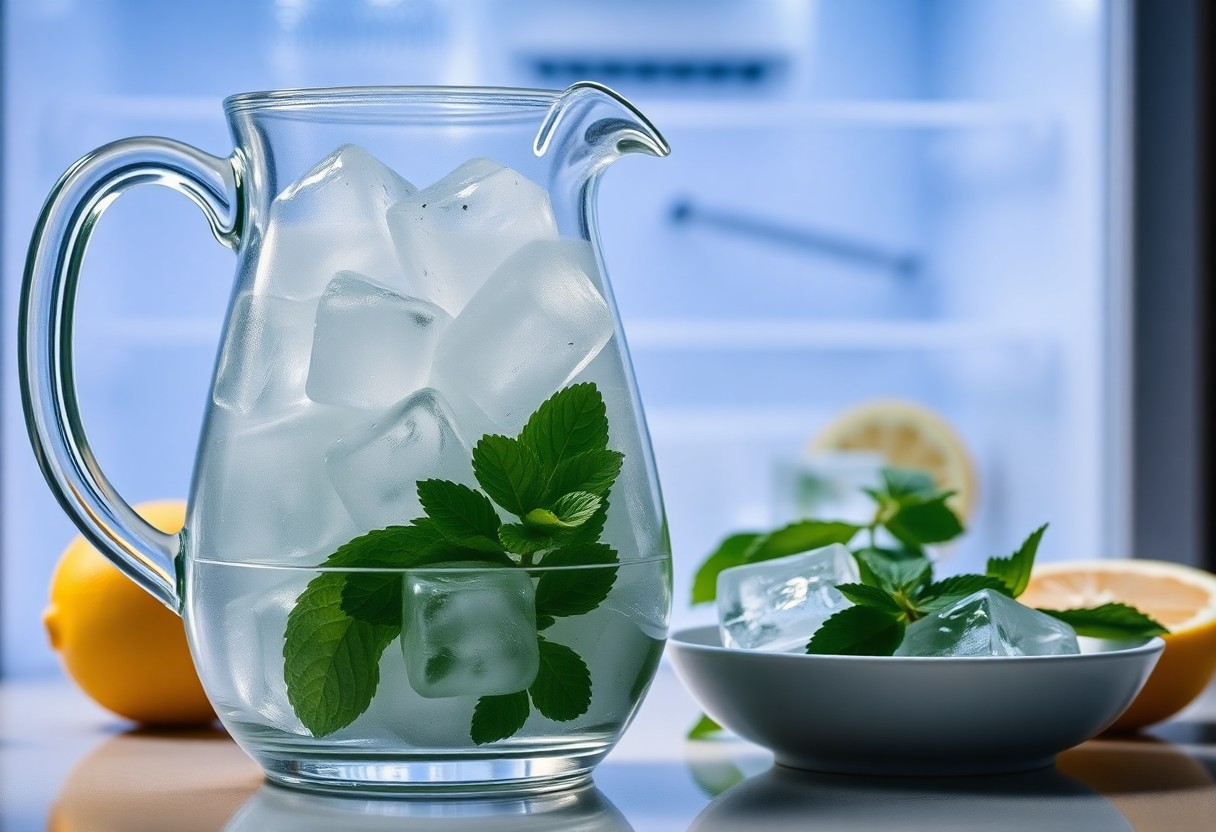
Effective ice storage ensures refreshing, clean-tasting ice that enhances your beverages. By employing proper techniques, you minimize the risk of off-flavors or odors infiltrating your ice, allowing for an optimal drinking experience. Focus on using airtight containers and avoiding common mistakes that diminish ice quality, so you can enjoy ice that’s consistently clean and fresh.
The Importance of Sealed Containers
Sealing your ice in airtight containers prevents outside odors and contaminants from affecting its flavor. Unsealed ice absorbs aromas from your freezer, leading to a dull or off taste in your drinks. Plastic bags or bins with secure lids are excellent choices since they keep your ice fresh and free from unwanted flavors.
The Effects of Cross-Contamination
Cross-contamination occurs when ice comes into contact with food items or unsealed materials, picking up bacteria or unwanted flavors in the process. This can happen easily if ice is stored in the same freezer as strong-smelling foods or if it’s scooped with utensils that have touched raw ingredients. You might notice a subtle, yet unpleasant taste from your ice due to this exposure.
Imagine pulling out ice for a cocktail only to find out it tastes faintly of garlic because you stored it alongside leftover stir-fry. Studies indicate that ice can absorb odors and flavors quickly, often within just a few hours. To combat this, always use clean, dry utensils for scooping and ensure that food items are well-wrapped or stored in airtight containers. This practice not only protects the flavor of your ice but also reduces the risk of contamination, making each drink a refreshing experience.
Ice Machine Independence: Why Brand Matters
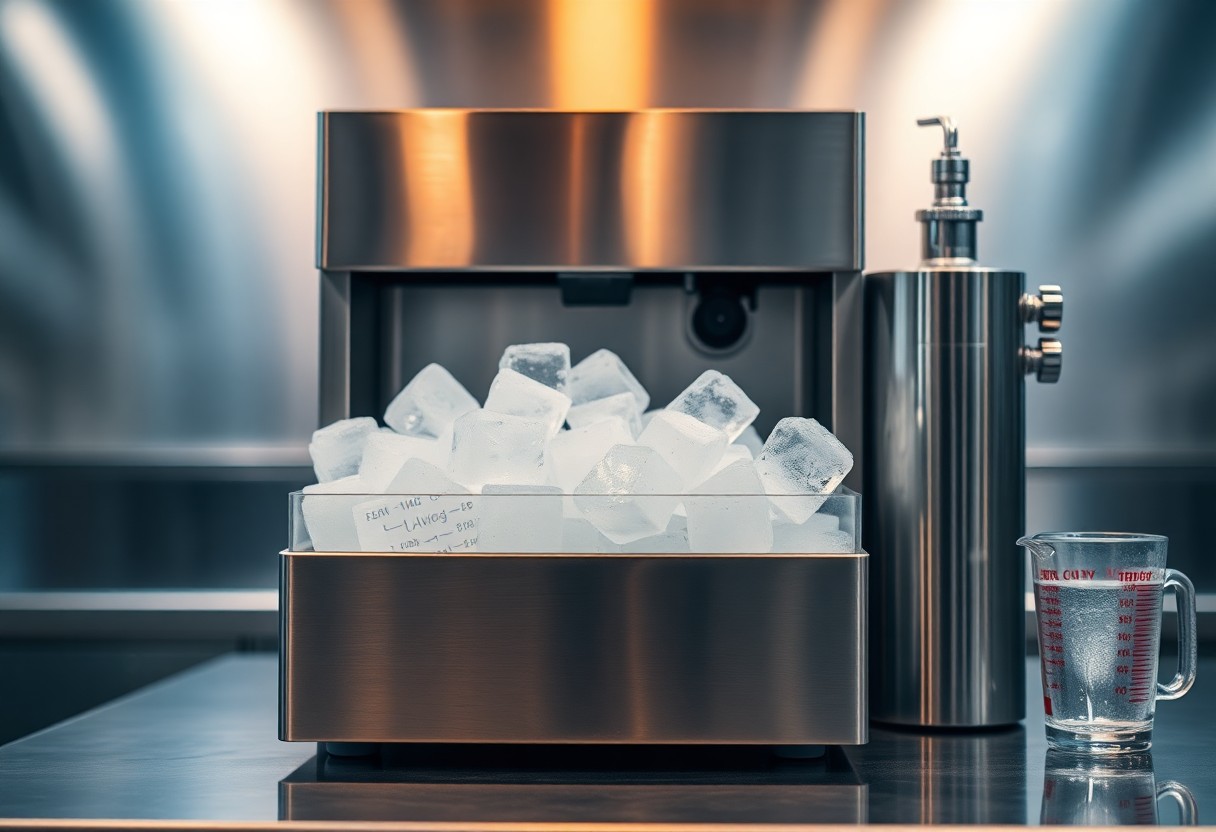
Your choice of ice maker significantly impacts the quality of the ice you use. Different brands utilize various materials and technologies, which directly influence ice taste and texture. Premium brands often emphasize filtration and purification systems, ensuring cleaner, tastier ice. Cheaper alternatives might cut corners, leading to contaminants or stale flavors that taint your ice. Investing in a reputable brand often pays off in better flavor and overall performance.
Manufacturing Variances in Ice Production
Each manufacturer employs unique production methods, affecting ice’s clarity, hardness, and taste. Some machines use advanced freezing techniques that trap fewer impurities, resulting in crystal-clear ice. Others may produce cloudy ice, indicating trapped air or contaminants, which can negatively impact the flavor of your beverages.
Common Issues with Household Ice Makers
Household ice makers frequently encounter several issues that can compromise ice quality. You might notice unusual tastes stemming from improper cleaning, old water filters, or even mold growth in the machine. Ice makers are also prone to malfunctions, leading to inconsistent ice sizes, causing unwanted dilution in drinks. Regular maintenance often alleviates these problems, enhancing the ice’s overall quality.
Sensory Perception and Ice Flavor Confusion
Your perception of flavor is intricately linked to the sensations of taste and smell, yet many overlook how ice can alter this experience. The temperature of ice can suppress certain flavors while enhancing others, leading you to perceive an off-taste. This phenomenon often occurs when ice absorbs odors from storage or interacts with differing substances in your drink, creating a confusing mélange for your taste buds.
How our Taste Buds Interpret Temperature
| Temperature Effect | Colder temperatures tend to mute flavors, making sweet or salty notes less pronounced. |
| Contrast in Perception | Warmer fluids can enhance flavor release, offering a fuller experience compared to icy alternatives. |
The Psychological Aspect of Taste and Smell
Your emotional state and past experiences significantly influence how you perceive flavors. Memories associated with certain scents or tastes can evoke strong feelings, altering your interpretation of what you’re consuming. For example, if you associate a particular ice’s taste with an unpleasant event, your brain may conjure that memory, distorting the actual flavor of the ice in your drink.
Research has shown that the brain’s olfactory bulb, which processes smells, interacts closely with the emotional centers, creating a complex web that ties memories to taste. This means a seemingly innocent bite of ice can remind you of an old summer’s day or a winter chill, impacting your flavor perception. The psychological interplay between taste and memory can lead to a *strong* impression of flavor that is more about mind than palate. Self-awareness of these influences can help you better appreciate what you’re tasting, even amid chilling temperatures.
To wrap up
Conclusively, if you find that your ice tastes funny, it often stems from impurities in your water source or odors from your freezer. Regularly cleaning your ice maker and ensuring your water filter is functional can greatly improve the taste. Additionally, using filtered water for making ice can help eliminate unwanted flavors. By paying attention to these factors, you can enjoy clear, fresh-tasting ice that enhances your beverages.
FAQ
Q: Why does ice sometimes have a strange taste?
A: Ice can taste funny due to impurities in the water used to make it, including minerals, chlorine, or contaminants that affect flavor.
Q: How can I improve the taste of my ice?
A: To improve the taste of ice, use filtered or distilled water instead of tap water to eliminate unwanted flavors and odors.
Q: Does the material of the ice tray affect the flavor of the ice?
A: Yes, certain materials can impart flavors to the ice. Plastic trays may absorb odors, while silicone trays generally do not alter the taste.
Q: Why does ice made from bottled water still sometimes taste off?
A: Bottled water can contain minerals or chemicals that contribute to flavor differences, especially if the water is not fresh or stored improperly.
Q: Can regular use of my freezer cause ice to taste bad?
A: Yes, if food is stored without proper sealing, odors can travel and be absorbed by the ice, leading to an unpleasant taste.