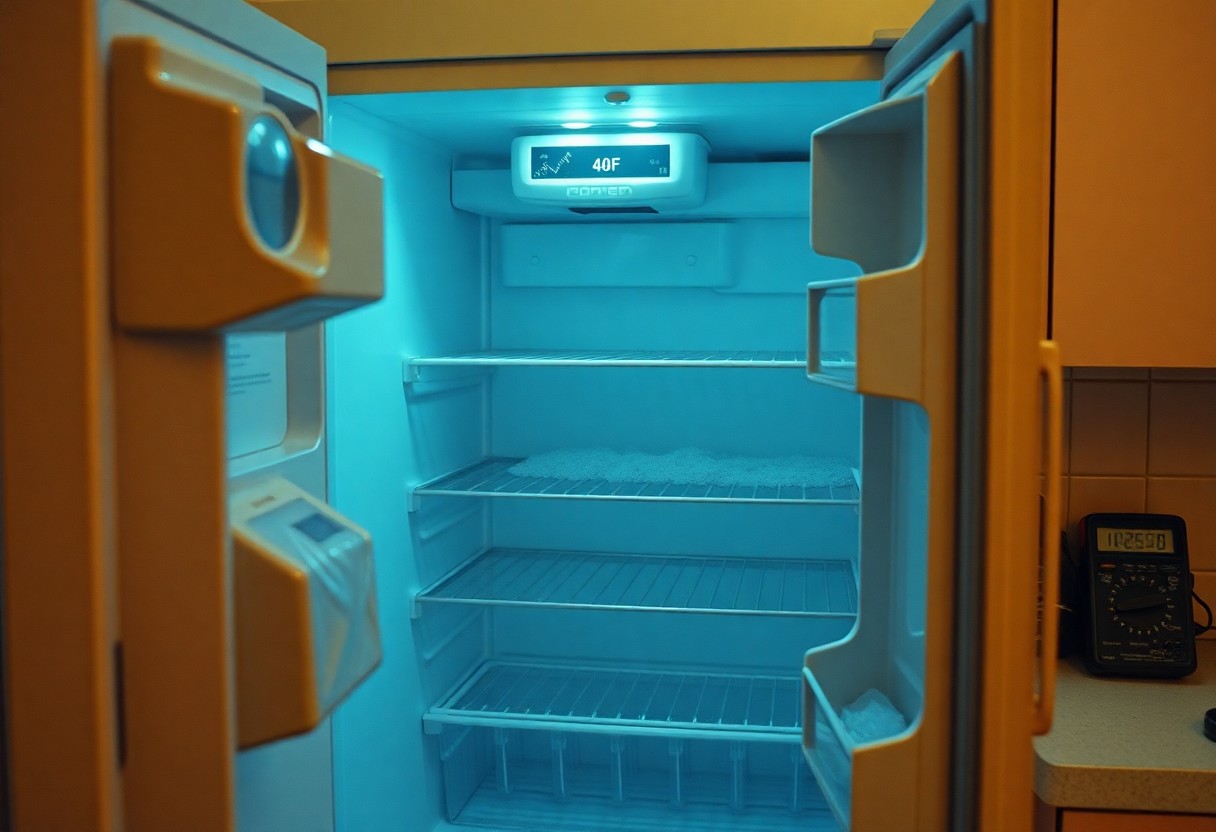
Clicking sounds from your fridge can be alarming, especially when it isn’t cooling properly. This issue may indicate various problems that could potentially damage your appliance or increase energy bills. You should pay attention to common causes like a faulty compressor or a damaged starter relay. Ignoring these signs could lead to costly repairs or a complete breakdown. Understanding what the clicking means helps you take immediate action, ensuring your food stays fresh and avoiding further complications.
Key Takeaways:
- A clicking noise may indicate an issue with the compressor, which is vital for cooling.
- Blocked vents or dirty condenser coils can hinder proper airflow, affecting cooling efficiency.
- Electrical problems, such as faulty start relays or capacitors, may also cause clicking and cooling failure.
The Unseen Mechanics of Your Fridge
How Refrigeration Systems Operate
Your fridge relies on a cycle of evaporation and condensation to keep food cold. A refrigerant moves through this system, absorbing heat from inside the fridge and releasing it outside. The compressor compresses the refrigerant gas, raising its temperature and pressure before it flows into the condenser coils, where it cools down and condenses back into a liquid. This process is repeated as the refrigerant cycles through the evaporator coils, absorbing heat from the interior and maintaining a consistent, cool environment for your perishables.
The Role of Thermodynamics in Cooling
Thermodynamics plays a pivotal role in the refrigeration cycle by controlling energy transfer. The laws of thermodynamics dictate how heat moves; your fridge exploits this phenomenon to draw heat away from stored items, ensuring they remain chilled. By pressurizing and expanding the refrigerant, the refrigerator manipulates temperature gradients, effectively reversing the natural flow of heat. The efficiency of this process can significantly impact energy consumption, potentially lowering your electricity bills while maintaining optimal cooling levels.
Common Culprits Behind a Clicking Fridge
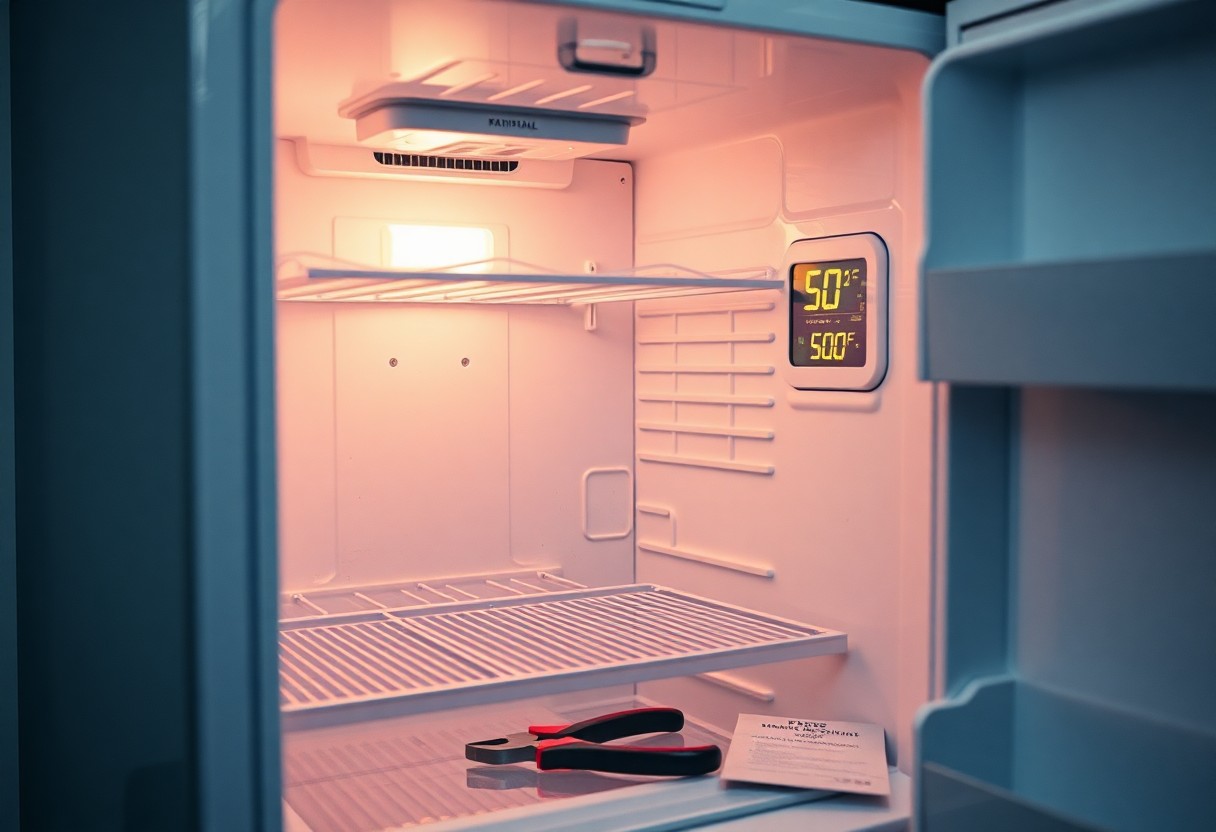
A fridge making a clicking noise often points to specific underlying issues. Among the most common culprits are faulty relay switches, damaged compressors, and issues with condenser coils. Understanding these problems can help you diagnose whether it’s time to repair or replace your unit. Quick fixes may be possible, but some issues could lead to more significant failures in your fridge’s cooling system.
Faulty Relay Switches: When to Worry
If the relay switch is malfunctioning, you might hear repetitive clicking sounds as it struggles to start the compressor. This is a sign that the relay is either weak or defective, causing the fridge to not operate effectively. If you notice that your fridge is only sporadically cooling, it’s wise to inspect this component sooner rather than later.
Damaged Compressor: Signs of Failing Part
A damaged compressor often indicates a failure in your fridge’s cooling ability. Look out for unusual noises, such as loud clicking or humming sounds that don’t sound like the normal operation. In many cases, overheating can also occur, leading to complete failure if not addressed promptly.
A damaged compressor compromises your fridge’s effectiveness, impacting your stored food’s safety. Observing a strong clicking noise followed by the absence of cooling signals trouble. Check the temperature inside the fridge; if it consistently rises above proper levels, further inspection is imperative. Delaying repairs can result in an even higher repair cost or necessitate a full replacement, so act quickly if the signs you’re noticing align with these issues.
Diagnostic Steps: Trouble-Shooting Your Appliance
Identifying the underlying cause of a clicking fridge requires a systematic approach. Begin by unplugging the appliance to ensure safety, then inspect the power source and check the outlet for functionality. Monitor the temperature settings; if they’re set too low, the fridge may struggle to maintain optimal conditions. Additionally, verify that the door seals are tight and unobstructed, as this can affect overall performance. These preliminary steps can often pinpoint common issues before diving deeper into more complex diagnostics.
Initial Checks: Quick Fixes You Can Try
Start your troubleshooting by ensuring the fridge is properly plugged in and that the outlet is functioning. Examine the temperature settings and look for any ice buildup that might block airflow. Remove any items that may obstruct the fan and clean the coils to enhance efficiency. These straightforward fixes can sometimes resolve minor issues without professional intervention.
Listening for Clues: What the Click Means
The clicking sound you hear may indicate several potential issues within your fridge’s compressor or other components. A single click often means the compressor is trying to start but fails to do so, while repeated clicks can signal an overload relay tripping due to electrical issues or a malfunctioning component.
A clicking compressor suggests it is attempting to kick into gear but is encountering resistance. This could be due to a faulty relay or an overload, both of which prevent the compressor from running effectively. Over time, continuous clicking might indicate more severe issues requiring attention, such as refrigerant problems or electrical failures. Pay close attention to the pattern and frequency of the clicks, as they can provide vital insights into what’s malfunctioning.
Professional Insights: When to Call a Technician
If your fridge continues to click but doesn’t cool after basic troubleshooting, it’s time to consult a professional. Factors such as recurring issues or parts failure can lead to more extensive damage. Experienced technicians can quickly diagnose problems that are invisible to the untrained eye. For expert help, check out this Fridge Not Working & Clicking? Troubleshooting Help Guide.
Evaluating Repair Costs vs. Replacement
Weigh the costs of repair against the age and condition of your fridge. If repairs exceed 50% of the replacement cost, opting for a new unit may be more economical. A typical repair can range from $100 to $400, while a new fridge might set you back anywhere from $600 to $2,000 depending on features and brand.
Expert Advice: Avoiding DIY Pitfalls
Caution is key when tackling fridge repairs on your own. DIY enthusiasts often overlook critical safety protocols, which can lead to electrical hazards or further appliance damage. While some minor issues might seem resolved with a quick fix, persistent clicking sounds usually indicate deeper mechanical problems. Always consider your expertise level and the risks involved before proceeding.
Preventative Maintenance Tips for Longevity
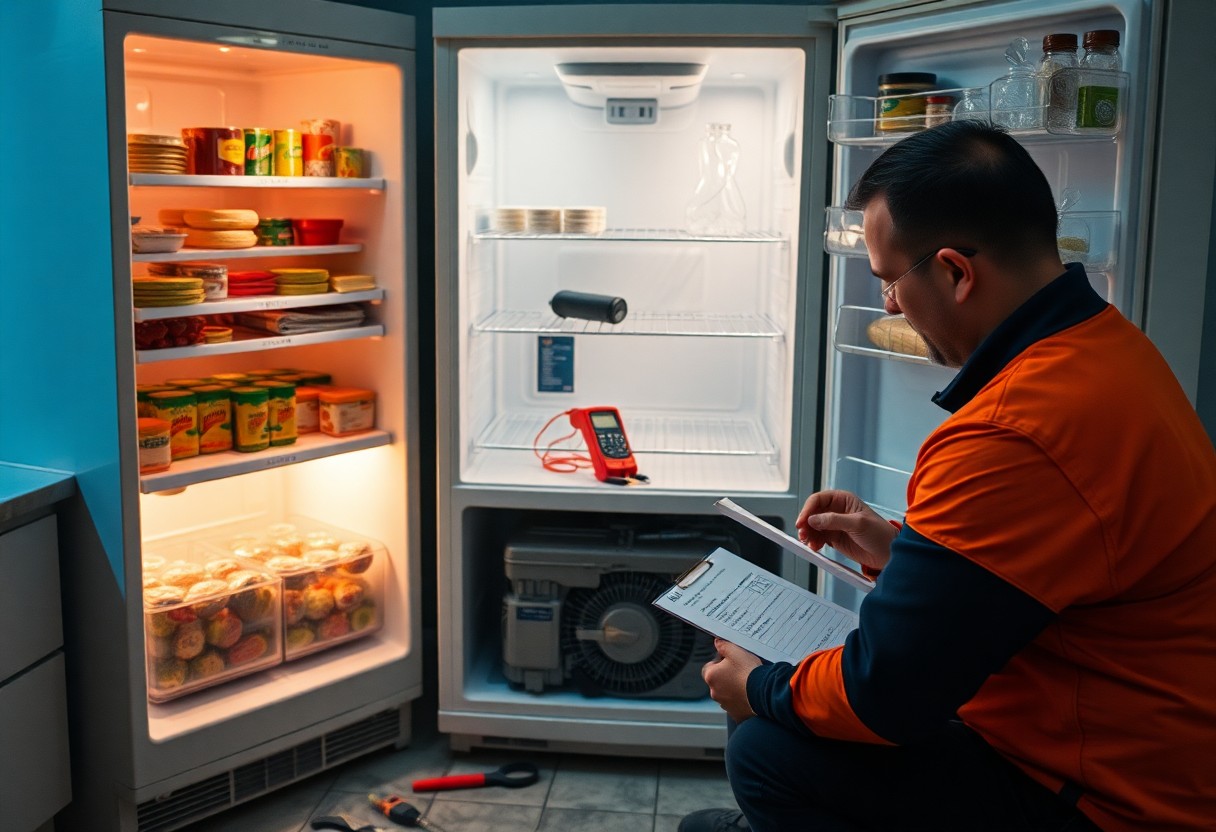
Ensuring your fridge stays in optimal condition can significantly extend its lifespan. Regular maintenance practices are key to avoiding unexpected failures.
- Keep the refrigerator coils clean to promote effective cooling.
- Check door seals for wear and tear to maintain temperature.
- Organize contents to allow proper air circulation.
- Set the temperature between 37°F (3°C) and 40°F (4°C) for best performance.
Assume that consistent effort in maintaining your appliance leads to smoother operation and fewer repairs.
Essential Cleanliness and Care Practices
Regularly clean both the interior and exterior of your fridge to prevent odor buildup and ensure hygiene. Wipe spills immediately and use baking soda for tough odors. Cleaning the condenser coils every six months enhances efficiency, while checking and replacing water filters helps maintain pure drinking water. Avoid overloading the shelves to keep air flowing freely.
Seasonal Checks: Keeping Your Fridge Healthy
Adjusting your fridge care routine with the changing seasons can prevent issues from arising. Inspecting the appliance in early spring or fall ensures everything operates efficiently and mitigates potential problems related to temperature fluctuations.
During seasonal checks, assess the door seals and clean the condenser coils, which often accumulate dust and debris. Examine the drain pan for any water buildup; if it’s filled, it could indicate a clog that requires attention. Additionally, inspecting temperature settings keeps your fridge consistently operating at ideal levels throughout seasonal transitions, ensuring your food stays fresh while preventing unnecessary strain on the unit.
Summing up
Ultimately, if your fridge is clicking but not cooling, it’s crucial to understand the underlying issues that could be affecting its performance. Potential problems may include a malfunctioning start relay, a dirty condenser coil, or refrigerant leaks. By addressing these issues promptly and performing regular maintenance, you can ensure your appliance operates efficiently and prolong its lifespan. Taking the time to diagnose the problem can save you from costly repairs or the need for a replacement in the long run.
FAQ
Q: What does it mean if my fridge is clicking but not cooling?
A: A clicking fridge typically indicates an issue with the compressor or a malfunctioning start relay, preventing the cooling system from operating properly.
Q: What are the common causes of a fridge clicking noise?
A: Common causes include a faulty compressor, damaged start relay, electrical connection issues, or a dirty condenser coil that disrupts normal operation.
Q: Can I fix a clicking fridge myself?
A: Basic troubleshooting steps include checking the power supply, cleaning the condenser coils, and inspecting the start relay. However, complicated repairs should be handled by a professional.
Q: How can I tell if the compressor is faulty?
A: Signs of a faulty compressor include continuous clicking sounds, warm temperatures inside the fridge, and a refrigerator that does not cool despite the compressor running.
Q: When should I seek professional help for a clicking fridge?
A: If the clicking persists after attempting basic troubleshooting, or if you notice physical damage, unusual smells, or fluid leaks, it’s advisable to contact a refrigerator technician.