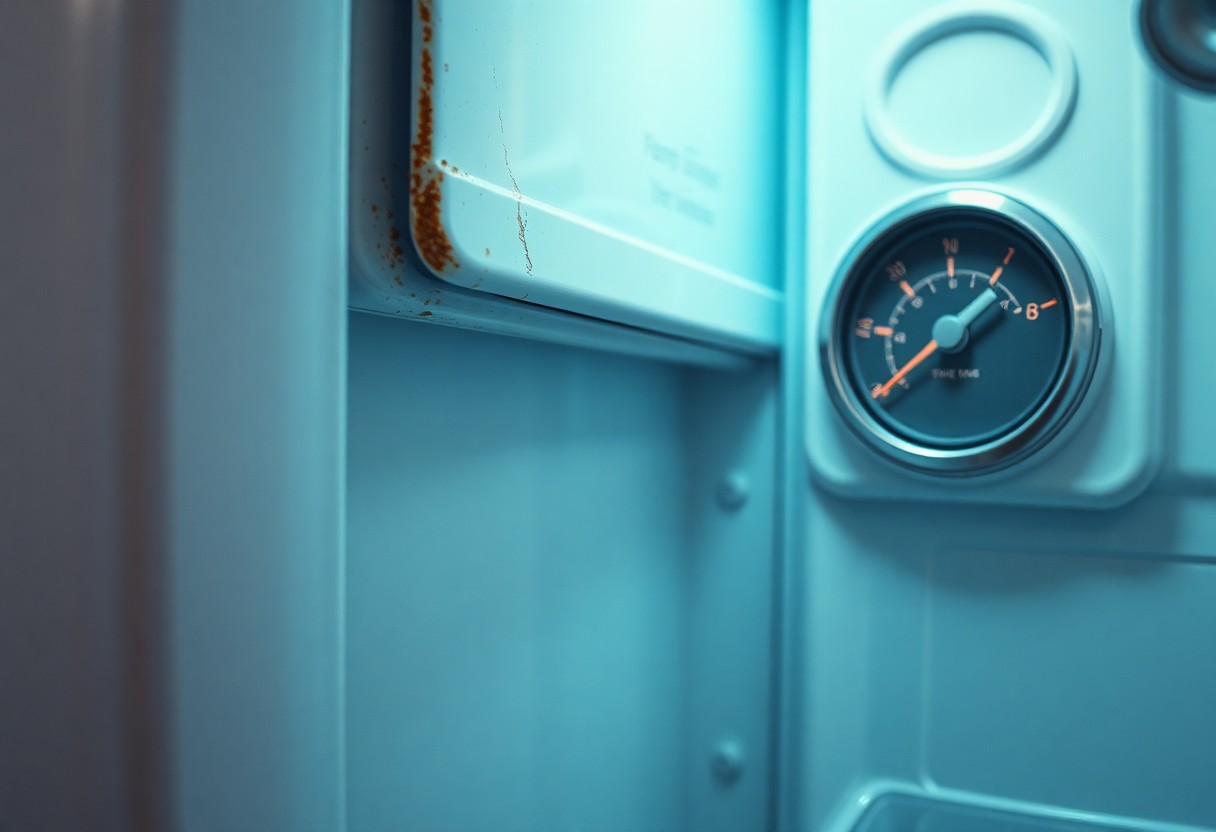
There’s a common issue you may overlook that can impact your refrigerator’s efficiency: a faulty door seal. When this seal is compromised, cool air escapes, leading to higher energy bills and an increased risk of food spoilage. You might notice frost buildup or condensation, indicating that the seal isn’t functioning correctly. Addressing this problem not only enhances your appliance’s performance but also extends its lifespan. Understanding the reasons behind a poorly sealing door allows you to take actionable steps to protect your food and save money.
Key Takeaways:
- Compressed door seals can cause air leaks, leading to higher energy costs and reduced cooling efficiency.
- Improper alignment or obstructions can prevent the door from closing tightly, impacting food preservation.
- Regular cleaning and maintenance of seals and hinges can significantly improve door performance.
The Mechanics of a Proper Seal
A refrigerator door seal functions through a combination of pressure and material properties that create an airtight barrier. When you close the door, the seal compresses against the refrigerator frame, ensuring cold air remains inside and warm air stays out. For more information on assessing your seal’s effectiveness, visit How do I tell if a refrigerator door seal is bad? | FAQs.
Key Components That Ensure Efficiency
Several components contribute to maintaining a tight seal, including the gasket, the frame, and hinges. The gasket, often made from rubber or silicone, is designed to compress tightly. The frame needs to be straight and even, while properly functioning hinges prevent misalignment, all of which play a vital role in sealing.
How Temperature Affects Sealing
Temperature fluctuations can compromise your refrigerator door seal’s performance. Higher external temperatures can cause materials like rubber to soften, potentially leading to warping or aging. Conversely, extreme cold can make the seal rigid and less adaptable, resulting in gaps.
Effects of Temperature on Seals
| Temperature Condition | Impact on Seal |
| High Temperature | Gasket may soften, lose shape. |
| Low Temperature | Gasket may become brittle, lose flexibility. |
Temperature significantly influences the performance of your refrigerator door seal. In warmer climates, the seal can lose its ability to maintain a tight fit, while in cold environments, the materials can become inflexible. This means that as the temperatures shift, the seal integrity may weaken, causing potential energy loss and increased refrigeration costs. Regular checks and adjustments to maintain the seal can counter these effects.
Temperature Effects Table
| External Temperature | Sealing Efficiency |
| Above 75°F | Increased risk of sagging. |
| Below 32°F | Possibility of cracking increases. |
The Unseen Culprits: Common Seal Disruptors
Multiple factors can silently undermine your refrigerator’s door seal integrity. Over time, small misalignments, dents, or even residue accumulation on the gaskets can create gaps, compromising efficiency and leading to increased energy costs. Identifying and addressing these disruptors can enhance cooling performance and prolong the appliance’s lifespan.
Misalignments and Dents: A Deceptive Overlook
Minor misalignments or visible dents on your refrigerator door may appear insignificant, yet they significantly affect seal performance. Even a slight shift can create space between the door and the frame, allowing warm air to enter. Regularly inspecting for these issues ensures your refrigerator operates efficiently and maintains an optimal internal temperature.
The Role of Gaskets and Residue Build-Up
Your refrigerator’s gaskets are critical components designed to create an airtight seal. However, they are prone to build-up from food particles, spills, and grime, leading to compromised seals. Regular cleaning of gaskets will not only maintain their effectiveness but also prevent deterioration that can cause leaking and inefficient cooling.
Over time, gaskets can suffer from a combination of physical wear and dirt accumulation, leading to reduced efficacy. For optimal performance, clean the gaskets with warm, soapy water and check for cracks or signs of aging. Ensuring a proper seal keeps cooling consistent, which translates to energy savings; a faulty gasket can waste about 10% of your refrigerator’s energy consumption. Always make gasket maintenance a part of your appliance care routine to avoid costly repairs.
The Impact of Humidity and Temperature Fluctuations
| Factor | Impact on Seal Integrity |
|---|---|
| Humidity | High humidity can lead to condensation, causing the seal to weaken over time. |
| Temperature Fluctuations | Frequent temperature changes can distort the gasket material, affecting its ability to conform properly. |
How External Conditions Compromise Your Seal
External factors like humidity and temperature greatly influence your refrigerator door seal. Excess moisture can create a sticky residue that traps debris, limiting the seal’s effectiveness. Additionally, high temperatures can lead to rubber seals softening or warping, allowing cold air to escape and warm air to infiltrate.
Seasonal Changes and Their Effects on Refrigerator Performance
Seasonal shifts introduce significant variations in temperature and humidity, both of which challenge your refrigerator’s door seal. As seasons change, the conditions inside and outside your fridge can contrast sharply, leading to mechanical stress on the seal itself.
During summer, the high humidity outside may seep into your refrigerator when the door is opened, promoting condensation that compromises the door seal. In winter, the cold air can cause the rubber seals to harden, losing flexibility and making it easier for gaps to form. This dramatic shift can lead to increased energy consumption, as your refrigerator works double time to maintain a consistent internal temperature. Over the long term, both scenarios can significantly reduce the lifespan and functionality of your appliance’s seal.

Practical Solutions to Seal Restoration
Restoring your refrigerator’s door seal involves a blend of simple repairs and professional assessments. Start by inspecting the seals for any visible cracks or dirt buildup. Regular cleaning with warm, soapy water can enhance the seal’s adherence. You may also need to adjust the door hinges to ensure proper alignment, as even minor misalignments can lead to inefficiencies. If these quick fixes don’t yield results, consider further interventions, as unresolved seal issues can lead to significant energy loss.
Quick Fixes for Homeowners
Begin with a thorough inspection of the door seals. Use a flashlight to check for light leaks, which indicate gaps. Cleaning the seals with a mixture of baking soda and warm water can remove debris that may impede their function. If you notice any minor warping, a heat gun (set on low) can sometimes help reshape the rubber. Additionally, applying a silicone-based lubricant helps improve the seal’s flexibility, enhancing its effectiveness.
Professional Interventions: When to Call for Help
If your efforts to restore the door seal fall short, bring in a professional. Experts can meticulously assess underlying issues, such as structural misalignment or damaged door frames. They possess specialized tools and experience to properly replace worn-out seals, ensuring an airtight fit. Their intervention can also reveal more significant problems that may affect your refrigerator’s overall efficiency.
Calling for professional help may become necessary if multiple DIY attempts fail to resolve the seal issue. Technicians conduct a comprehensive evaluation of your appliance, checking for hidden leaks or structural defects contributing to poor sealing. They can replace gaskets, realign the fridge doors, and offer maintenance advice tailored to your specific model, potentially preventing costly future repairs. Investing in expert services not only restores your seal but can also lead to improved energy efficiency, ultimately saving you money on utility bills.
Rethinking Maintenance: Long-Term Strategies for Seal Integrity
Implementing a proactive maintenance strategy ensures the longevity of your refrigerator seals and optimal energy efficiency. Invest time in regular inspections to identify wear and tear early, and consider sealing products designed specifically for refrigerator doors. By committing to these practices, you’ll not only enhance appliance performance but also prevent future costly repairs.
Regular Checks and Preventative Measures
Conducting routine checks of your refrigerator door seals can prevent minor issues from escalating into major problems. Inspect seals for cracks, debris, or irregular wear at least once a month. A quick cleaning with a mild soap solution can also enhance sealing effectiveness, ensuring that your refrigerator maintains its internal temperature efficiently.
The Importance of Proper Usage Habits
How you use your refrigerator directly impacts seal integrity and efficiency. Overloading shelves prevents doors from closing completely, while frequently opening the door allows warm air to enter. Creating a habit of organizing your fridge not only maximizes space but also reduces stress on the seals, ensuring the door closes securely each time.
For instance, routinely placing items at the back of the fridge can lead to excessive heat exposure when the door is opened frequently. This practice not only increases energy consumption but also contributes to premature wear on the seals. By organizing food items to prioritize accessibility, you can minimize door openings and promote a consistent internal temperature, ultimately prolonging the lifespan of your appliance seals.
To wrap up
So, understanding why your refrigerator door doesn’t seal properly can significantly impact its efficiency and your food preservation. By checking for debris, ensuring the door gaskets are intact, and adjusting the hinges, you can maintain a tighter seal. Regular maintenance and being mindful of how you load your refrigerator will help prolong its life and reduce energy costs. Keeping your door sealed is necessary for optimal performance and freshness.
FAQ
Q: What are the common causes of a refrigerator door not sealing properly?
A: Common causes include damaged or worn door gaskets, misalignment of the door, foreign objects obstructing the seal, excessive frost buildup, and improper leveling of the refrigerator.
Q: How can I tell if the door gasket is damaged?
A: Inspect the gasket for cracks, tears, or any signs of wear. A simple test is to close the door on a piece of paper; if you can easily pull the paper out, the seal may be compromised.
Q: What steps can I take to fix a misaligned refrigerator door?
A: Check the leveling of the refrigerator and adjust the legs as needed. Loosen the screws that hold the door hinges and carefully reposition the door, then retighten the screws.
Q: How do I clean and maintain the door seal to improve sealing?
A: Wipe the gasket with warm, soapy water and a soft cloth to remove debris. Rinse and dry thoroughly. Regular cleaning helps maintain elasticity and effectiveness.
Q: Can frost buildup affect the door seal, and how can I prevent it?
A: Yes, excessive frost can interfere with the sealing of the door. To prevent it, ensure the refrigerator is not overfilled, check that the door closes tightly, and monitor the temperature settings.