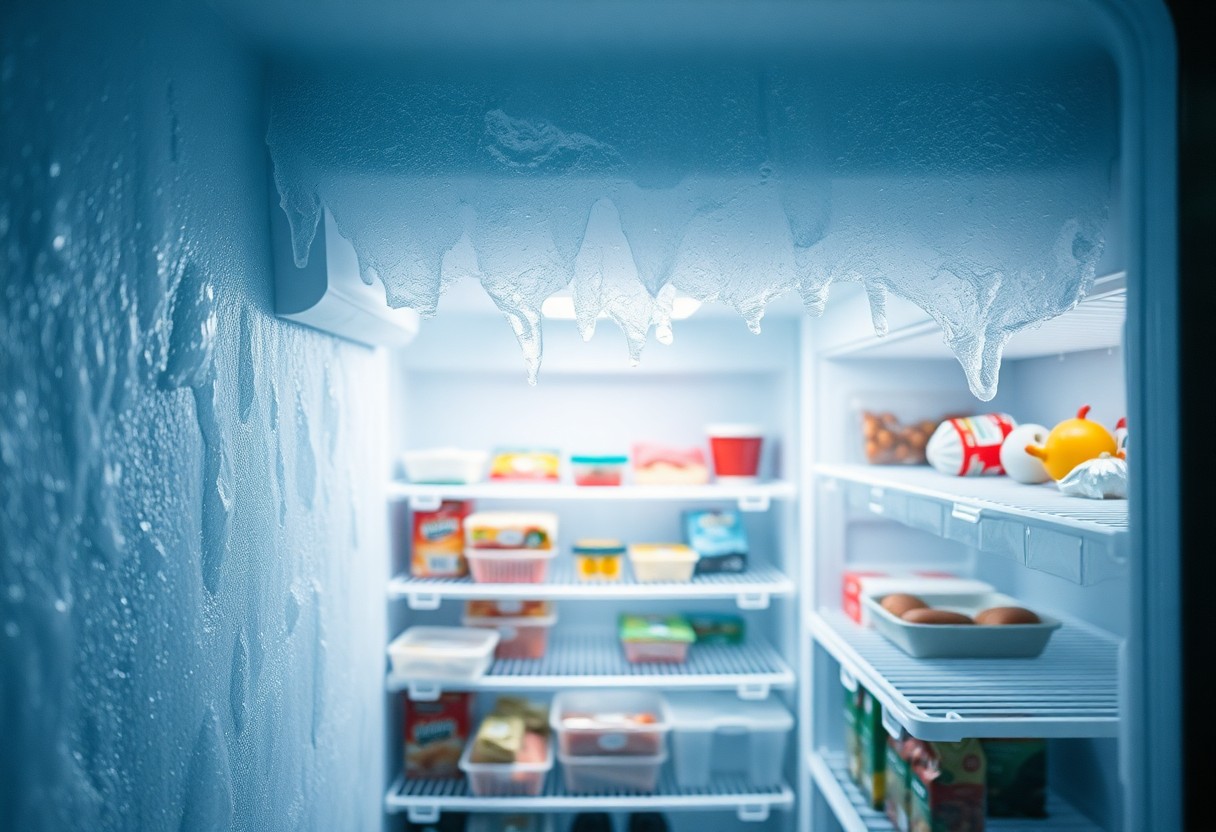
You may notice frost accumulation in your freezer, but it’s not always due to a faulty door. Understanding the underlying issues can help you address potential air leaks, improper temperature settings, or even a malfunctioning defrost system. By identifying these factors, you can maintain an efficient appliance and prevent food spoilage, saving both money and time. Taking the right steps will ensure your freezer operates smoothly, keeping your food in perfect condition.
Key Takeaways:
- Check for blocked vents that may restrict airflow and contribute to frost buildup.
- Examine the defrost drain for clogs, which can lead to excess water and frost accumulation.
- Evaluate the temperature settings; excessively low temperatures may cause frost issues even with a properly sealed door.
The Role of Air Circulation in Freezer Efficiency
Optimal air circulation is vital for maintaining a consistent temperature in your freezer. Without adequate airflow, cold air cannot reach all areas effectively, leading to uneven cooling and frost formation. Ensuring proper circulation can enhance efficiency and prolong the lifespan of the appliance, reducing energy costs and preventing spoilage.
How Airflow Affects Cooling Performance
Airflow directly impacts your freezer’s cooling performance by promoting even temperature distribution throughout the compartment. When air moves freely, it helps maintain the desired chill, preventing hotspots that can cause frost build-up. Consistent airflow also reduces strain on the compressor, enabling it to function more efficiently.
Common Culprits of Poor Air Circulation
Blocked vents, overcrowded shelves, and faulty fan motors are common issues leading to poor air circulation in your freezer. When vents are obstructed, or items are placed too closely, airflow is hindered, causing uneven cooling and potential frost accumulation. Additionally, a malfunctioning fan may fail to circulate cold air, leading to ice buildup.
Stacking food items too tightly or covering vents with boxes can severely restrict airflow. For instance, keeping large containers near air vents can create dead zones where colder air cannot reach, allowing frost to form. Inspecting and rearranging your freezer’s contents can significantly improve air circulation, as can ensuring that fan motors are operational. Regular maintenance, such as cleaning dust from fan blades, helps maintain effective airflow, safeguarding against frost issues.
The Impact of Humidity and Moisture Control
Humidity plays a significant role in frost accumulation within your freezer. If your kitchen or storage area is particularly humid, moisture can infiltrate the freezer whenever the door is opened, leading to frost buildup. This unwanted moisture can originate from cooking, high outdoor humidity, or filling the freezer with warm items. Maintaining a stable environment can prevent excessive frost and enhance the efficiency of your freezer.
Understanding Frost Formation Mechanisms
Frost forms when humid air contacts the cold surfaces in your freezer, causing water vapor to condense and freeze. This process occurs more frequently with a high concentration of moisture in the air, often exacerbated by temperature fluctuations or inefficient insulation. Regularly verifying the seals and air circulation can help you mitigate the conditions that foster frost development.
Solutions for Managing Humidity Levels
You can manage humidity levels by monitoring the freezer’s environment and taking specific actions. Regularly defrosting the freezer, using moisture-absorbing materials like silica gel, and keeping the freezer well-organized to allow adequate airflow can help keep excess humidity at bay. Additionally, placing a bowl of salt inside can absorb moisture, further reducing the chances of frost buildup.
Implementing these strategies not only minimizes frost but also boosts your freezer’s performance. Aim to keep the freezer temperature at or below 0°F for optimal functioning, as a lower temperature reduces humidity levels inside. Limit the frequency and duration of door openings to maintain a consistent internal environment, and promptly sealing any food items can also lessen moisture penetration. Investing in an external hygrometer can help you monitor and adjust the humidity according to your specific environment, allowing for a proactive approach to frost prevention.
The Importance of Proper Temperature Settings
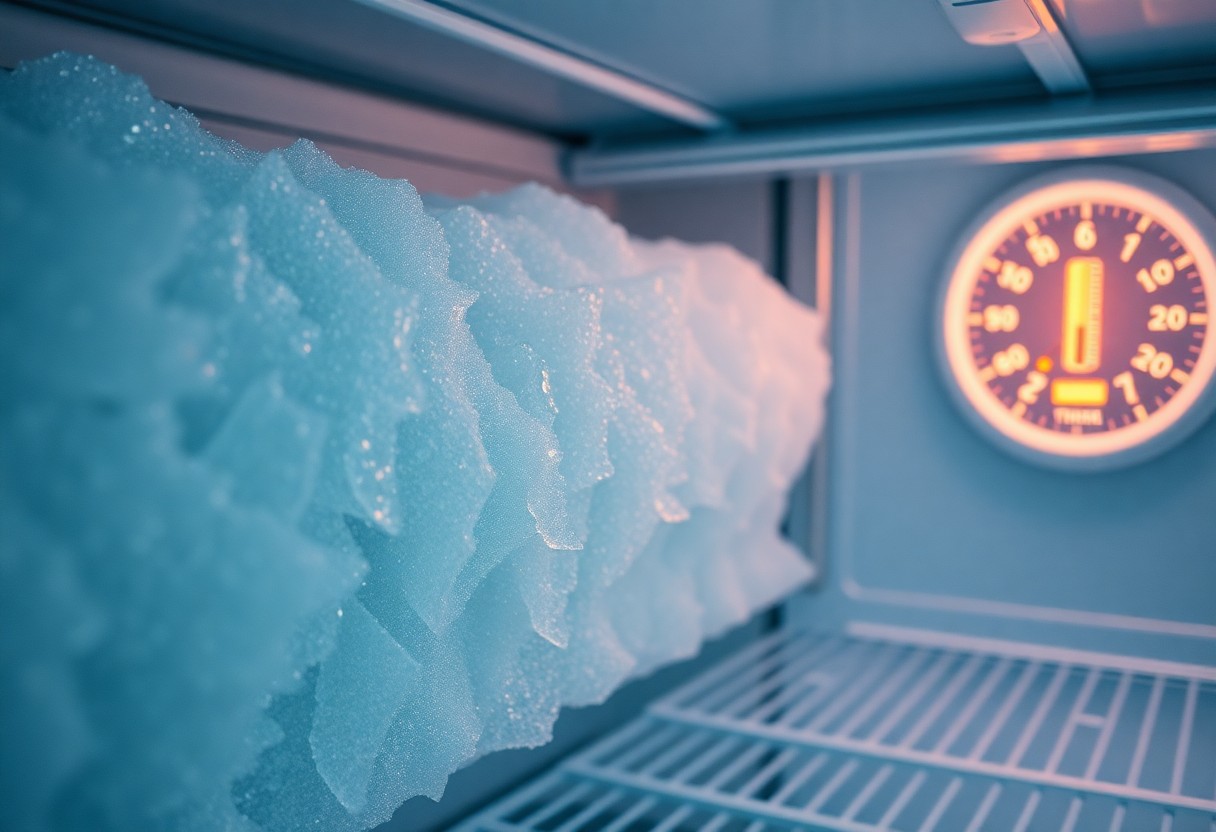
Maintaining the right temperature in your freezer is crucial for preventing frost buildup. Incorrect temperature settings can lead not only to frost issues but also to food spoilage, impacting freshness and safety. Regularly checking and adjusting the thermostat ensures optimal performance, allowing your freezer to function correctly and efficiently.
Ideal Temperature Ranges for Freezers
| Type of Freezer | Ideal Temperature Range (°F) |
|---|---|
| Stand-Alone Freezer | 0 to -10 |
| Freezer Compartment (Refrigerator) | 0 to 5 |
| Commercial Freezer | -10 to -20 |
How Incorrect Settings Lead to Frost Buildup
Incorrect temperature settings can cause frost to accumulate rapidly in your freezer. If the temperature is set too low, items will freeze excessively, leading to moisture condensation, which then freezes into frost. Settings that are too high can prevent the freezer from efficiently removing humidity, resulting in similar frost formation. This cycle can damage both the freezer’s components and the food stored within.
A temperature setting that is consistently too low can trap moisture from the air, leading to excessive frost formation. Conversely, not maintaining a cold enough environment allows moist air to linger, creating an environment ripe for ice buildup. When frost forms on coils, it impairs the freezer’s cooling efficiency, requiring more energy to maintain the temperature. This not only increases your energy bills but can accelerate wear and tear on the appliance.
Evaluating the Freezer’s Sealing Mechanism
Assessing the sealing mechanism of your freezer is necessary for minimizing frost buildup. A damaged or worn seal permits warm air to infiltrate, leading to excessive frost accumulation. Regular inspections and maintenance can ensure that your freezer operates efficiently and stays free of ice buildup.
Signs of a Worn or Damaged Seal
Look for visible cracks or tears in the seal, as well as signs of wear such as warping. If the seal doesn’t close tightly or has gaps, it can cause air leaks. You may also notice increased frost formation around the edges of the freezer compartment, indicating that the seal is failing to insulate properly.
Techniques for Testing and Maintaining Seals
Conduct a simple test using a piece of paper. Close the paper in the freezer door; if you can easily pull it out, your seal may be compromised. Regularly clean the seals with warm, soapy water to remove debris that can hinder sealing. Additionally, applying a thin layer of petroleum jelly can enhance flexibility and create a better seal.
Regular testing and maintenance of freezer seals are pivotal in preventing frost accumulation. Use the paper test periodically to ensure a good fit. If the paper slides out easily, it indicates the need for seal replacement. For cleaning, warm, soapy water suffices to eliminate dirt; avoid harsh chemicals that could damage the rubber. Periodically applying petroleum jelly helps maintain the seal’s flexibility, preventing cracking and promoting optimal performance for your freezer.
The Surprising Influence of Food Placement and Organization
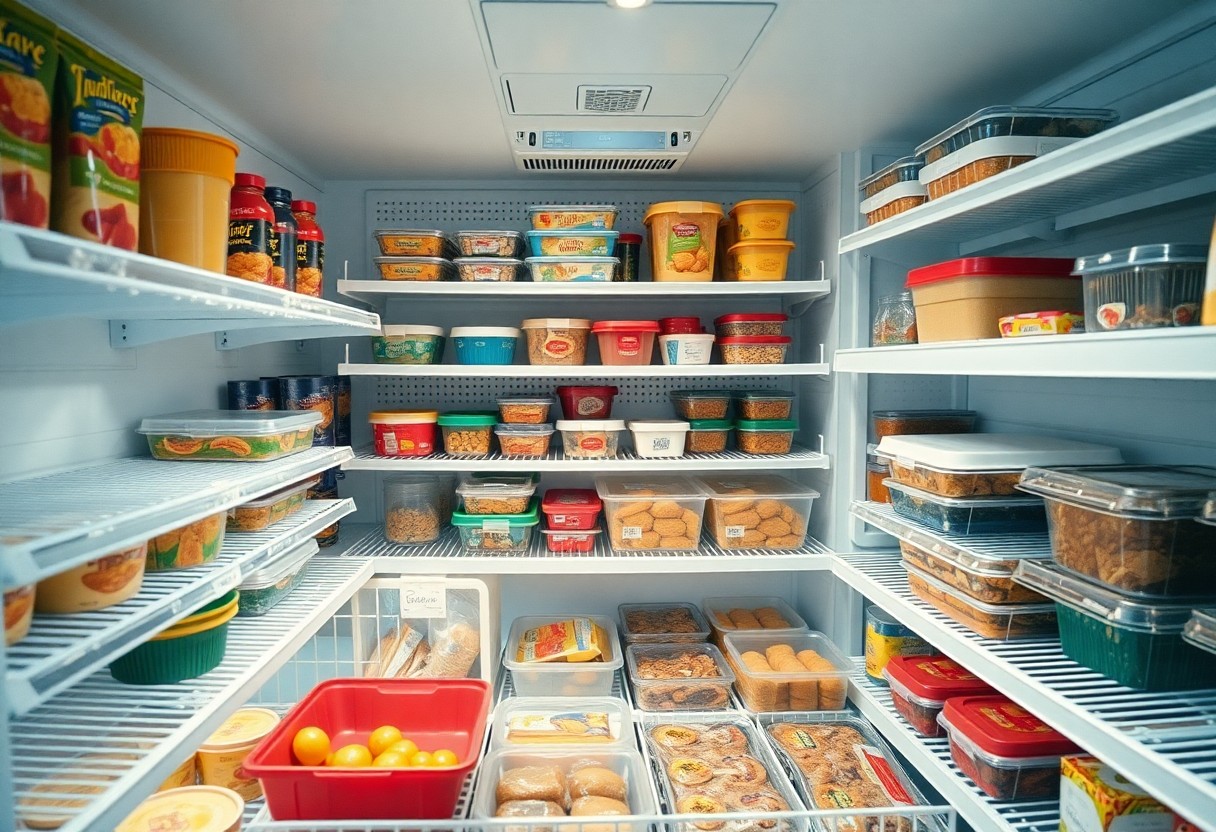
Food placement and organization within your freezer can dramatically impact its efficiency and performance. Improperly arranging items can lead to uneven cooling, increasing the risk of frost accumulation. Foods stacked too closely can obstruct air circulation, trapping warmer air and fostering frost formation. Understanding how to optimize your storage strategy can be the key to maintaining an effective, frost-free environment.
How Packing Can Create Hot Spots
Packing items too tightly can create hot spots within your freezer, leading to inconsistent temperatures. For instance, large bulky items may block airflow, preventing cold air from reaching other parts of the freezer. This can cause certain areas to remain warmer, fostering moisture and ultimately resulting in frost buildup. Even the arrangement of smaller items can create these pockets of warm air if not placed with care.
Best Practices for Freezer Organization
To achieve optimal freezer performance, organize your food in a way that promotes airflow. Store newer items at the back and older ones at the front to ensure you use the oldest first. Use clear bins or labels to identify the contents quickly, and avoid cramming items together. Aim for a freezer that is about 75% full for ideal air circulation, allowing cold air to flow freely around the food.
Implementing best practices for freezer organization not only reduces frost buildup but also maximizes storage efficiency. Keeping similar foods together, such as meats in one section and vegetables in another, helps you quickly find what you need, minimizing door openings. Use freezer-safe containers that stack well to maintain visibility and accessibility. Additionally, regularly check expiration dates and rotate your inventory to prevent wastage. A freezer that is well-organized not only performs better but also saves you time and money in the long run.
To wrap up
Hence, if you notice frost building up in your freezer, it may not just be a door issue. Factors such as blocked vents, a malfunctioning defrost heater, or dirty condenser coils could also be contributing. Inspect these elements to improve your freezer’s efficiency. For more insights, check out How to fix ice built up in your freezer.
FAQ
Q: What causes frost to build up in my freezer?
A: Frost accumulation in the freezer can occur due to warm air entering when the door is opened frequently, issues with the door seal, or temperature fluctuations. If the fridge is set too low, this can also lead to excessive frost.
Q: How can a faulty defrost system lead to frost buildup?
A: A malfunctioning defrost heater or thermostat can prevent ice from melting during the defrost cycle, causing continuous frost accumulation in the freezer. Routine checks of these components can help diagnose the problem.
Q: Is it possible for the freezer’s evaporator fan to cause frost issues?
A: Yes, if the evaporator fan is not working properly, it may restrict airflow, leading to uneven cooling and frost buildup. Ensure the fan is operational and free of obstructions.
Q: Can humidity levels in my kitchen affect frost in the freezer?
A: High humidity can introduce moisture into the freezer each time the door is opened, increasing the chances of frost formation. Managing humidity around the appliance can help reduce this issue.
Q: What maintenance can prevent frost buildup in my freezer?
A: Regularly cleaning the freezer, checking door seals for damage, and setting the proper temperature can help prevent frost buildup. It’s also helpful to limit the frequency of door openings.