With the unexpected knocking noises your refrigerator makes at night, it’s natural to feel concerned about what might be happening inside. These sounds can often signal normal operation issues, such as shifting ice or compressor activity, but they may also indicate potential mechanical problems that could affect your appliance’s performance. Understanding the underlying reasons can help you take appropriate action to ensure your refrigerator continues to run efficiently and remains a reliable part of your kitchen.
Key Takeaways:
- Knocking noises can be due to thermal expansion and contraction of internal components or the fridge walls as temperatures change.
- Loose parts, such as shelves or bins, can create knocking sounds, especially when the compressor cycles on and off.
- External factors like uneven surfaces or vibrations from nearby appliances may contribute to the noise.
Unpacking the Nocturnal Symphony: What Causes Knocking Sounds?
Your refrigerator’s nightly concert often results from several mechanical and environmental factors converging. Knockings can occur from components interacting during regular operation, making them audible as disturbances in your peaceful night. Understanding these sounds requires insight into specific components and environmental conditions that contribute to this nocturnal symphony.
Mechanical Components at Play
Various internal components can produce knocking noises, particularly the compressor and fan. The compressor cycles on and off, expanding or contracting, which can lead to vibrations that you hear as knocking. Additionally, the evaporator fan may encounter ice buildup or debris, leading to periodic noise as it operates. Regular maintenance helps keep these elements functioning smoothly.
The Role of Temperature Fluctuations
Temperature changes within your refrigerator can lead to knocking sounds as materials expand and contract. This thermal movement can cause the shelves, walls, and seals to shift slightly, resulting in audible impacts. Additionally, sudden temperature shifts may lead to ice formation which compounds the noises. Paying attention to temperature settings and avoiding overstuffing the fridge can mitigate these effects.
Temperature Fluctuations and Their Impact
| Factor | Description |
| Internal Temperature | Changes in the internal temperature can make materials contract and expand, leading to knocking. |
| Humidity Levels | Higher humidity may cause ice to form, resulting in additional noises as the fan operates. |
| Frequent Opening | Regularly opening the fridge risks affecting thermal stability, contributing to noise. |
The Physics of Fridge Functionality: How Refrigerators Operate
Your refrigerator relies on the principles of thermodynamics and fluid mechanics to maintain a cool environment for your food. At the core of its operation is a refrigerant that absorbs heat from the interior and releases it outside, cycling through a closed system of components including the compressor, condenser, and evaporator. The precise engineering of these parts ensures efficient cooling while contributing to occasional sounds associated with their functionality.
The Cycle of Refrigeration: Understanding the Basics
The refrigeration cycle consists of four main stages: compression, condensation, expansion, and evaporation. During compression, the refrigerant gas is pressurized by the compressor, raising its temperature. As it moves to the condenser, heat dissipates into the environment, turning it into a liquid. The expansion valve then allows the refrigerant to expand and cool before entering the evaporator, where it absorbs heat from the fridge’s interior, completing the cycle.
When Components Expand and Contract
Changes in temperature lead to the expansion and contraction of various components within your refrigerator. Metal parts like the compressor and piping experience fluctuations in size as they heat up or cool down during operation. This can cause knocking or pinging noises, especially when the fridge cycles on or off. Additionally, the plastic parts within the fridge may also expand and contract, which adds to the auditory symphony.
This phenomenon is particularly noticeable when your fridge is on and working harder to maintain temperature. As the compressor kicks in or out, the sudden change in temperature creates stress on components, resulting in sounds that may be alarming. Understanding that these noises often indicate normal operation can help reduce your anxiety about unexpected sounds. If they become excessively loud or frequent, it may indicate a need for maintenance or inspection to ensure optimal functionality.
The Impact of Age: Aging Appliances and Increased Noise
As refrigerators age, their components can start to wear down, leading to an increase in unwanted noises. You may notice more frequent knocking or rattling sounds, particularly if your appliance is over ten years old. The natural degradation of parts such as the compressor mounts or fan blades often contributes to these disturbances. Understanding the age-related changes in your refrigerator helps you gauge when repairs or replacements become necessary.
Wear and Tear: Timeline of Common Issues
Throughout its lifespan, your refrigerator may experience various issues, typically beginning around the five-year mark. You might notice minor noises that progressively worsen by the ten-year mark, such as vibrating sounds or intermittent knocking. At fifteen years, major components like the compressor or condenser coils may show *signs of failure*, prompting more frequent repairs and louder operational noises.
Upgrades and Maintenance: When to Intervene
Addressing maintenance on your refrigerator is important to prolonging its lifespan. Regular upkeep—like cleaning coils and checking door seals—can prevent noise increases. If you hear persistent knocking sounds, consider having a technician inspect parts like the compressor and evaporator. Timely interventions often save you from costly replacements down the line.
Prioritizing maintenance aids in catching issues early. If you hear knocking sounds consistently, performing checks at intervals of six months can be beneficial. When your refrigerator reaches the ten-year benchmark, consider a more thorough inspection, focusing on insulation integrity and electrical connections. These proactive measures not only enhance efficiency but also minimize noise disturbances, ensuring a quieter kitchen environment.
Environmentally Influenced Noises: External Factors at Work
Consider external factors that may contribute to your refrigerator’s knocking noises. External temperatures and humidity levels can affect not only the internal components but also how the fridge interacts with its surroundings. Uneven air pressure can lead to vibrations, while wind or nearby traffic may amplify existing sounds. Always be aware of your refrigerator’s environment, as factors like weather conditions can play a significant role in these unexpected noises. Thou should investigate these elements to gain insight into your appliance’s behavior.
Flooring and Vibration: How Your Home Affects Your Fridge
Your refrigerator’s placement on uneven flooring can cause vibrations, leading to persistent knocking sounds. If your fridge sits on a soft or unstable surface, the vibrations during its cooling cycles may be heightened, resulting in more noticeable noise. Checking for a level foundation and adjusting the feet of the refrigerator can greatly reduce these disturbances in your home.
Surrounding Appliances: Collateral Sounds Impacting Your Fridge
Nearby appliances can produce collateral sounds that might be mistaken for your refrigerator’s noise. Items like washing machines, dishwashers, and air conditioners can generate vibrations and audible hums. When they operate simultaneously, their noise can echo or travel through shared walls and floors, creating confusion about the source of the sound. Take note that understanding your kitchen’s overall soundscape can help you pinpoint and address the true cause of the knocking.
For instance, washing machines during their spin cycles can create substantial vibrations. If your fridge is in proximity, the noise from the washer can reach your refrigerator, causing it to sound like something is wrong with your unit. Similarly, air conditioners can hum, clang, or rattle, which might blend with your refrigerator’s operational sounds. By identifying and isolating these sources, you can mitigate disturbances and enjoy a quieter environment.
Troubleshooting Guide: Steps to Identify and Mitigate Noise
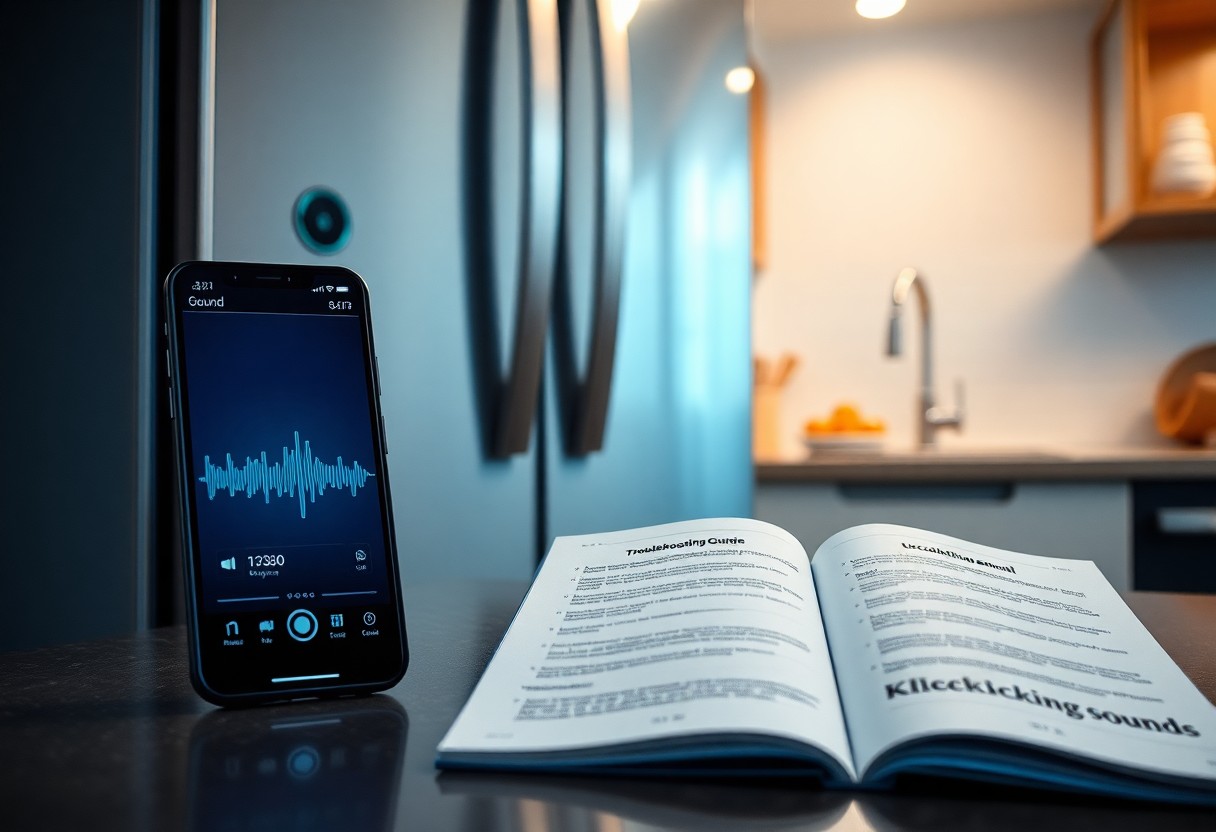
Identifying the source of knocking noises in your refrigerator involves systematic checking of various components. Start by ensuring that the fridge is on a level surface, as an unbalanced appliance can lead to vibrations and noise. Check the exterior for any loose parts, and inspect the condenser coils for dust buildup. Additionally, listen closely while your fridge cycles; repetitive noises may indicate a compressor issue or low refrigerant levels, which require further investigation.
DIY Checks: Quick Solutions to Common Noises
Begin your troubleshooting with simple DIY checks that can often resolve common refrigerator noises. Adjust the legs of your fridge to ensure it is level, as misalignment can cause vibrations and knocking. Examine the back of the fridge for any loose screws or components and tighten them if necessary. Also, clear the condenser coils of any dust or debris, which can improve efficiency and reduce noise from the appliance.
When to Call a Professional: Knowing Your Limits
Some noise issues require professional intervention, particularly if they persist after your DIY efforts. If you hear sustained or loud knocking sounds that don’t resolve with minor adjustments, the problem may lie within the internal components, such as the compressor, which can be complex and dangerous to fix without expertise. Additionally, if you suspect refrigerant leaks or electrical issues, seek a technician’s help immediately to avoid further damage to your fridge or risk to your safety.
To clarify, if your refrigerator emits knocking or unusual sounds consistently, a professional technician can perform a comprehensive diagnostic that you may not be able to achieve on your own. They possess the tools and knowledge to identify problems like a failing compressor or damaged components with precision. Relying on their expertise can also prevent potential hazards, as mishandling refrigerants or electrical parts can lead to accidents or void your warranty.
To wrap up
Conclusively, if your refrigerator is making knocking noises at night, it could be due to various factors such as thermal expansion, ice buildup, or loose components. It’s vital to monitor these sounds and check for any issues that require attention to ensure your appliance functions properly. For more insights, you can refer to this Fridge making a noise that sounds like someone is … discussion.
FAQ
Q: Why does my refrigerator make knocking noises at night?
A: Knocking noises can occur due to various reasons, including the expansion and contraction of parts as they cool down, ice buildup on the evaporator, or items shifting inside the fridge.
Q: Is it normal for a refrigerator to make sounds?
A: Yes, it is normal for refrigerators to produce sounds such as humming, clicking, or knocking. These sounds are typically part of the cooling cycle or the operation of internal components.
Q: How can I determine if the knocking noise is a problem?
A: If the knocking noises are loud, persistent, or accompanied by other issues like temperature fluctuations or leaks, it may indicate a problem that requires professional inspection.
Q: Can the placement of the refrigerator cause knocking noises?
A: Yes, if the refrigerator is not level or if it is close to a wall, it can create vibrations that amplify knocking noises. Adjusting its position can help reduce these sounds.
Q: What should I do if my refrigerator continues to knock at night?
A: If the knocking noise persists, check for loose parts, ice buildup, or misaligned shelves. If these issues are not the cause, contact a technician for further evaluation.