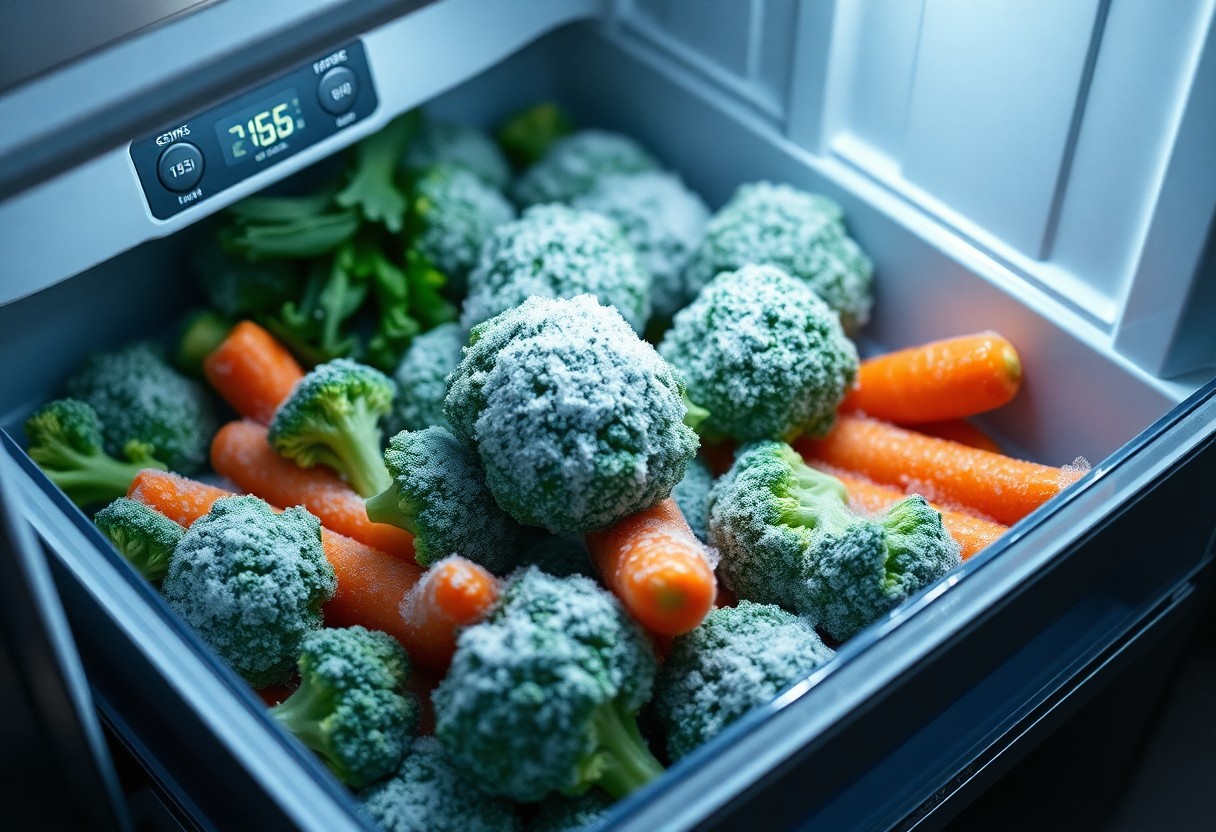
Most people are frustrated when frozen vegetables ruin their meals, but understanding why this happens can save you time and money. If your refrigerator is too cold, it may be due to improper settings, faulty components, or poor air circulation in the
crisper drawer. These issues not only affect the quality of your produce but can also lead to waste. In this post, you’ll learn how to troubleshoot these problems and keep your vegetables fresh and tasty.
Key Takeaways:
- Improper temperature settings may cause the fridge to freeze items in the crisper drawer.
- Blocked vents or inadequate airflow can lead to uneven cooling and freezing of vegetables.
- Humidity levels in the crisper drawer affect moisture retention, impacting the freezing of fresh produce.
The Temperature Tango: Why Cold Air Circulates in the Fridge
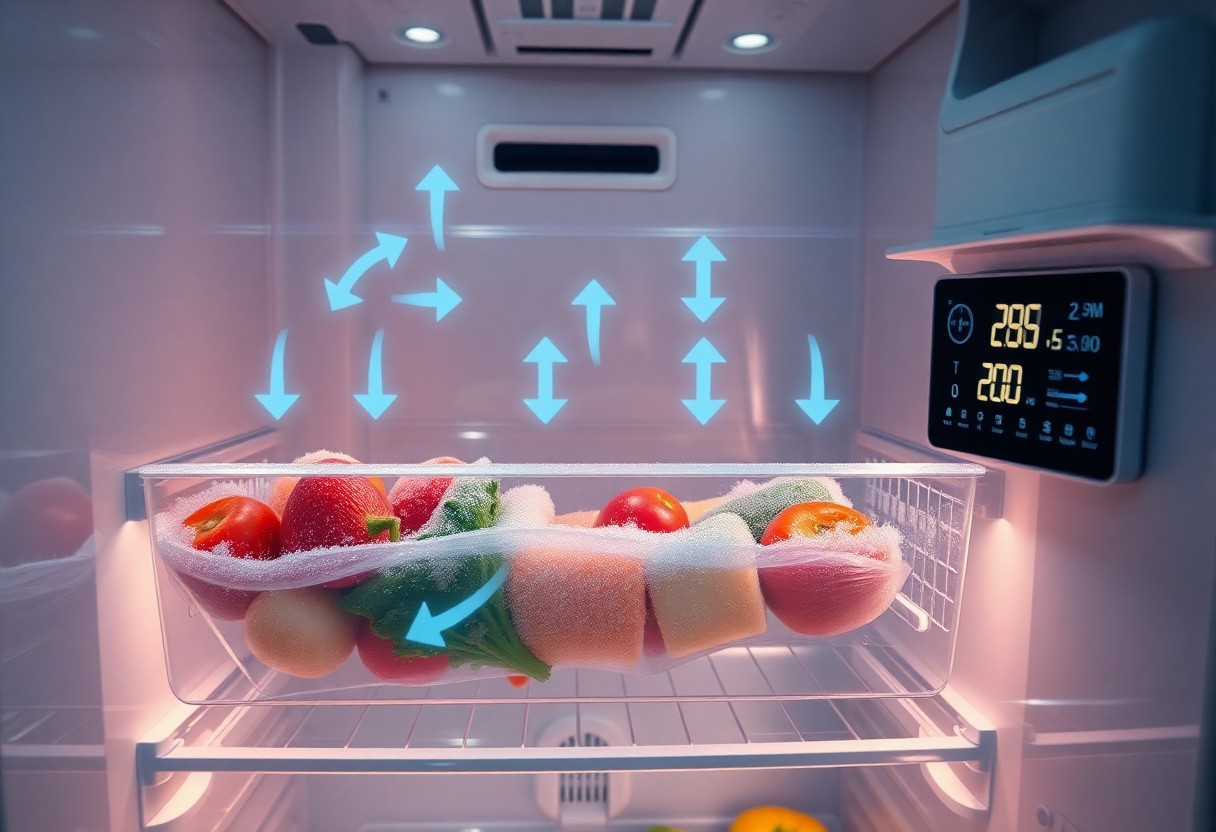
Cold air in your fridge follows a specific pattern due to its design, which can lead to unwanted freezing in the crisper drawer. The refrigerant cools the air, causing it to sink while warmer air rises, creating a continuous circulation. To explore deeper into the causes behind freezing food, check out Why Is Fridge Food Freezing and How Can I Fix It?
| Cold Air Movement | Cold air sinks and creates pockets, causing cold spots. |
| Factors Affecting Flow | Fan operation, placement of shelves, and vent obstructions influence air circulation. |
The Relationship Between Thermostat Settings and Cold Spots
Setting your refrigerator’s thermostat too low can cause temperatures to plummet, leading to frequent cold spots. Lowering the thermostat even slightly might snowball into a freezing scenario, especially in the crisper drawer, where temperatures already tend to dip. Adjusting your thermostat to a more moderate setting can help maintain a stable temperature across all sections.
The Physics of Airflow and Temperature Distribution
Airflow dynamics are important in understanding why certain areas in your fridge become colder. The cold air generated by the cooling coils disperses from the top down, often resulting in uneven temperature distribution. If air vents are blocked or if there’s an issue with the fan, cold spots may form, causing your vegetables to freeze. Regular cleaning and organizing can prevent airflow issues.
| Blocked Vents | Obstructed airflow leads to varying temperatures. |
| Fan Performance | A malfunctioning fan compromises air circulation. |
Common Design Flaws: When Built-In Features Backfire
Many modern fridges come equipped with built-in features designed to enhance functionality, yet these can inadvertently lead to problems like freezing vegetables in the crisper drawer. Inefficient aerodynamics and poor insulation can cause cold air to accumulate in certain areas, compromising the purpose of separate storage zones. Manufacturers often prioritize aesthetics over usability, resulting in compartments that fail to maintain optimal temperatures for sensitive produce.
The Impact of Crisper Design on Vegetable Storage
The design of your crisper drawer significantly influences vegetable longevity. Many models feature humidity controls, but if the drawer isn’t properly sealed, fluctuations in temperature can occur, causing freezing. Improper airflow restricts the drawer’s ability to maintain a consistent climate, which is imperative for keeping leafy greens and other delicate items fresh.
How Shelving Placement Can Create Freezing Zones
Misplaced shelves within your fridge can lead to unintended cold spots that jeopardize vegetable freshness. Standard shelving often doesn’t take into account the cold air’s flow, creating areas where temperatures drop dramatically. If your shelves crowd the vents or block airflow, you may find certain zones plummet to below freezing, directly affecting the viability of vegetables stored within.
For instance, storing your vegetables too close to the back wall or the cooling vents can expose them to chilled air for prolonged periods, leading to freezer burn or even spoilage. With many fridges, the top and bottom shelves can have different temperatures, with the bottom often being colder. Understanding your appliance’s unique airflow pattern allows you to place sensitive items in less frigid zones, maximizing their shelf life and preserving taste and texture.
Humidity’s Role: The Battle Between Moisture and Temperature
| Humidity Levels | Effect on Produce |
| High Humidity | Encourages mold and bacterial growth. |
| Low Humidity | Causes dehydration and wilting. |
| Ideal Levels (85-95%) | Maintains freshness and prolongs shelf life. |
Why Ideal Humidity Levels Matter for Fresh Produce
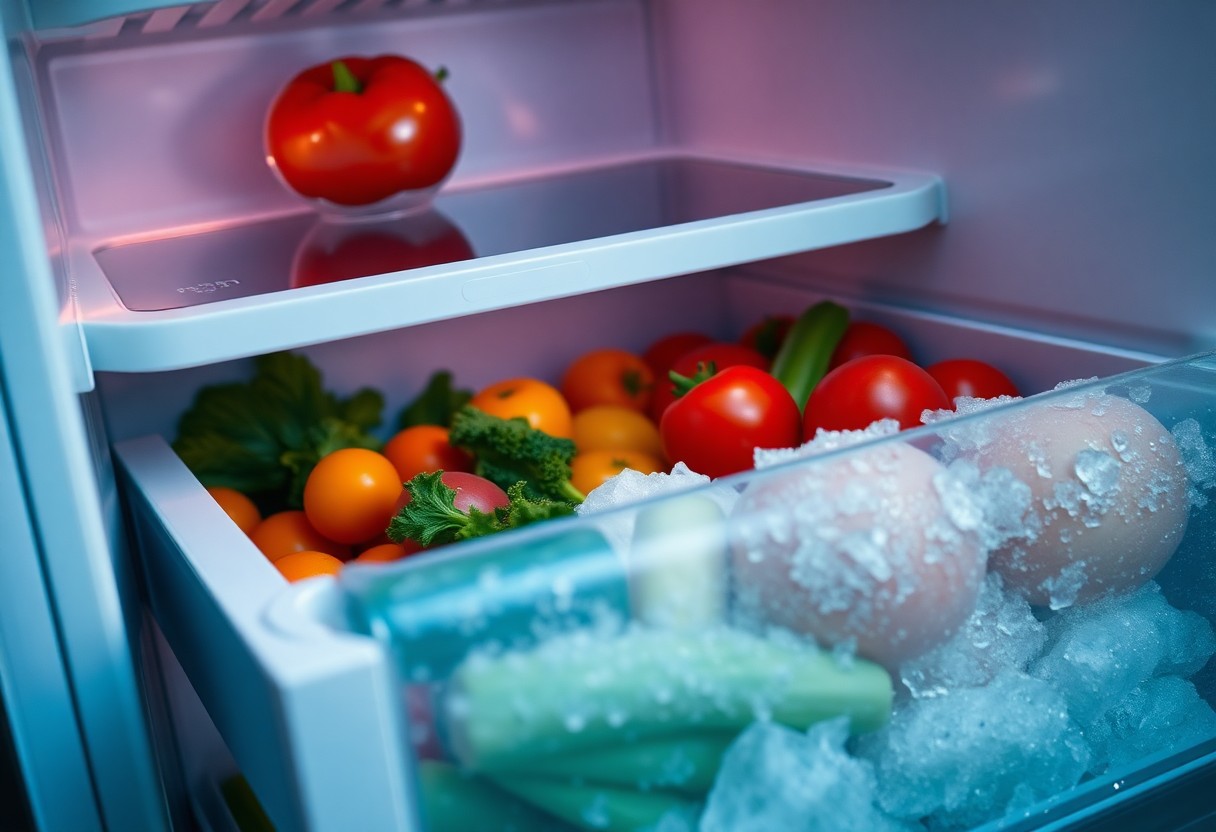
Keeping your vegetables in the optimal humidity range of 85-95% is crucial for maintaining freshness and nutritional value. High humidity can lead to spoilage due to mold, while a dry environment causes dehydration and loss of crispness. Achieving these levels helps you avoid excess waste, saving money and ensuring your meals remain vibrant and flavorful.
Techniques to Control Humidity in Your Fridge
Implementing methods to monitor humidity in your fridge can significantly impact the longevity of your fruits and vegetables. Utilizing crisper drawers with adjustable vents allows you to regulate airflow, balancing moisture levels based on your produce type. Additionally, placing a damp paper towel in the crisper can create a humid microclimate, preserving leafy greens and herbs effectively.
Using a hygrometer, you can accurately measure humidity and adjust your fridge settings accordingly. Utilizing crisper drawers designed for specific types of produce can also help. For example, keeping fruits in a low-humidity drawer prevents ethylene gas buildup, which accelerates ripening. Experimenting with various containers, such as perforated bags or breathable wraps, will enhance humidity control, ensuring your vegetables remain fresh longer.
Lifespan of Your Appliance: Understanding Wear and Tear
Your fridge, like any appliance, has a lifespan that typically ranges from 10 to 20 years. Over time, wear and tear on components can lead to decreased efficiency, affecting its ability to maintain optimal temperatures. Regular maintenance can extend this lifespan, but neglecting minor issues can result in significant problems, such as inconsistency in cooling, ultimately impacting your food storage.
How Aging Components Contribute to Temperature Irregularities
| Component | Effect of Aging |
| Compressor | May struggle to maintain temperature, leading to fluctuations. |
| Door Seals | Wear can allow cold air to escape, causing freezing issues. |
| Cooling Coils | Dust buildup reduces efficiency, causing inconsistent cooling. |
| Thermostat | May provide inaccurate readings, leading to overcooling. |
Red Flags Indicating Your Fridge Needs Servicing
Recognizing the warning signs that your fridge requires service can prevent further damage. If you notice unusual noises, excessive condensation, or if food consistently freezes in the crisper drawer, these are indicators that your appliance needs professional attention. Additionally, increased energy bills may suggest your fridge is working harder than it should, a signal of underlying issues.
Unusual noises, such as clattering or humming, should not be ignored. If the fridge emits sounds that are out of the ordinary, it could signify a failing compressor or fan. Similarly, excessive condensation or water pooling indicates a possible issue with door seals or drainage. Finally, if you’re encountering food that frequently freezes in the crisper drawer, it is a clear sign that temperature regulation is compromised, and servicing might be necessary to restore optimal function and prevent further food spoilage.
DIY Solutions: Quick Fixes to Prevent Freezing
Several simple adjustments can keep your vegetables fresh and prevent them from freezing in the crisper drawer. Start by inspecting the temperature settings and airflow within the fridge. Small changes, like adjusting the thermostat or moving items around to enhance circulation, can make a significant difference. You may also consider adding humidity control tools specifically designed for crisper drawers, ensuring your produce remains at optimal conditions.
Adjusting Thermostat and Airflow Settings
Check the thermostat setting in your fridge; it should typically be set between 35°F and 38°F for best results. If it’s too low, your crisper drawer may become excessively cold. Additionally, avoid overcrowding; giving your produce room allows for better airflow, which can help alleviate freezing issues. Inspect the air vents and rearrange food items to ensure nothing obstructs airflow, leading to instance-specific cold spots.
Adding Humidity Control Tools to Your Crisper Drawer
Incorporating humidity control tools like moisture-absorbing packs or dedicated humidity trays can significantly enhance the longevity of your veggies. These tools regulate moisture levels, preventing excessive dryness and helping maintain a stable environment. By using products designed for humidity control, you can slow down spoilage and ensure your vegetables last longer without succumbing to freezing temperatures.
Humidity control tools, such as moisture packs or adjustable humidity settings, are vital for creating an ideal environment within your crisper drawer. These tools can help maintain a balanced moisture level, ensuring your vegetables receive the right conditions to thrive. For instance, a humidity tray can absorb excess moisture while still allowing some humidity to circulate around vegetables like lettuce or leafy greens, which thrive on a slightly humid atmosphere. Such targeted interventions can make a notable difference in the freshness and quality of your produce.
To wrap up
The issue of your fridge freezing vegetables in the crisper drawer often stems from improper temperature settings or airflow issues. You should ensure that your refrigerator temperature remains between 35°F and 38°F for optimal freshness. Additionally, check for blocked vents that could disrupt airflow, and avoid overpacking the drawer, which can hinder circulation. By addressing these factors, you can maintain a suitable environment for your produce and prevent unwanted freezing.
FAQ
Q: Why does my fridge freeze vegetables in the crisper drawer?
A: This often occurs due to the temperature settings being too low or air circulation issues. Adjusting the temperature or rearranging items for better airflow can help.
Q: How can I prevent my fridge from freezing vegetables?
A: Ensure the temperature is set between 35°F to 38°F. Also, check for any blockages in vents and avoid storing items that block airflow within the crisper drawer.
Q: Are certain vegetables more prone to freezing in the fridge?
A: Yes, leafy greens, cucumbers, and tomatoes are more sensitive to cold temperatures and can freeze easily in the crisper drawer.
Q: What can I do if I notice frost inside the crisper drawer?
A: Frost indicates excessive moisture or airflow issues. Check for proper seals on the fridge door and adjust humidity controls if available.
Q: Is it normal for a fridge to have a colder spot in the crisper drawer?
A: It can happen due to uneven temperature distribution. Try moving the vegetables around and ensure the drawer isn’t overfilled to promote even cooling.