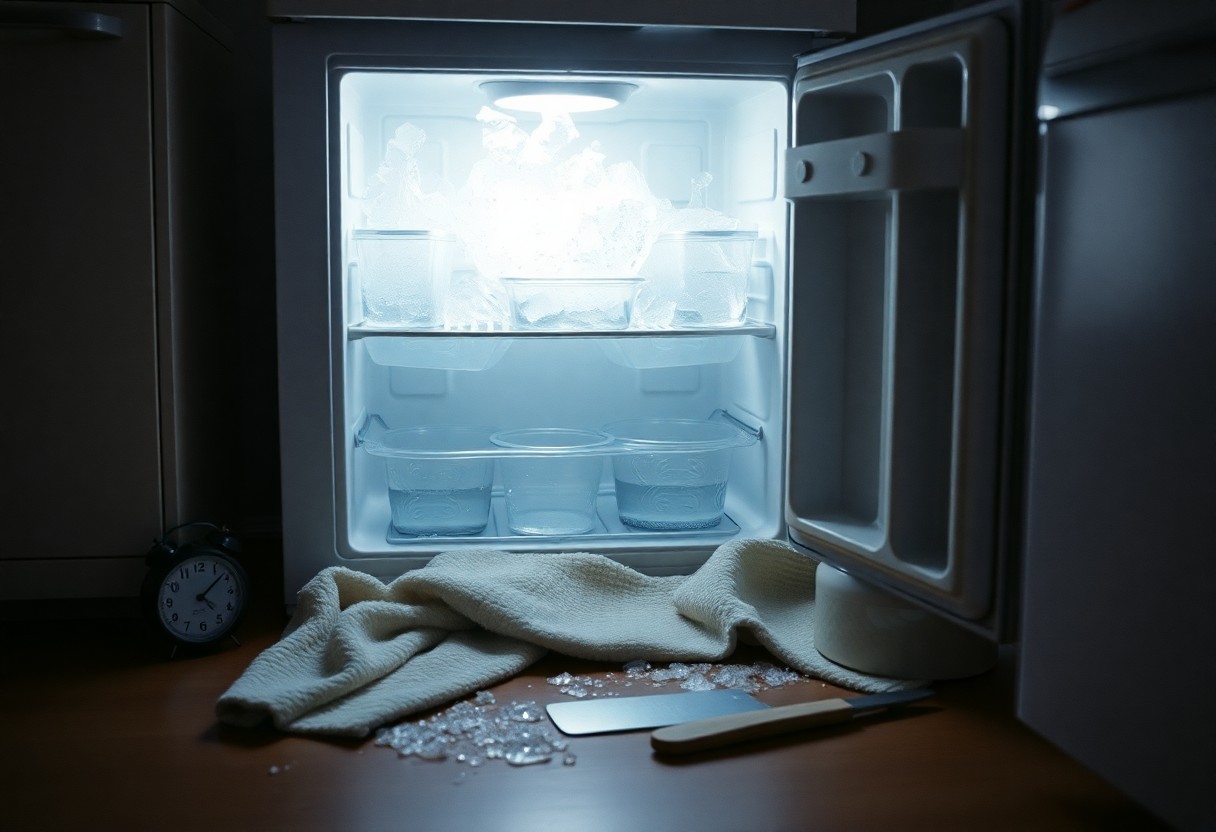
Most people seek ways to defrost their freezers quickly and efficiently, and you can achieve this without unplugging your appliance. By using warm water and a few strategic techniques, you can effectively melt away ice buildup while keeping everything inside your freezer intact and safe from spoilage. This method not only saves you time, but also maintains the integrity of your frozen goods. With these steps, you’ll ensure a smooth defrosting process without unnecessary hassles.
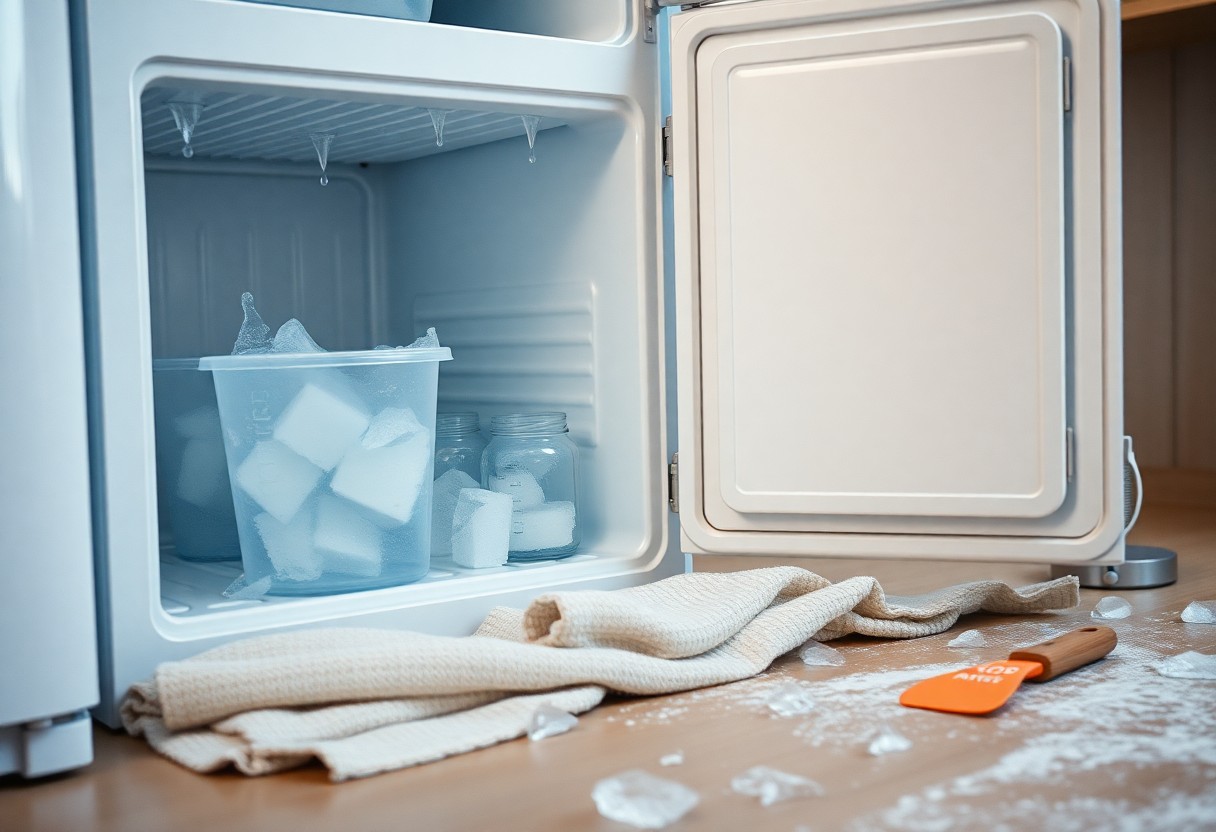
Key Takeaways:
- Use a heat source like a hairdryer or a bowl of hot water to accelerate melting ice without stopping the freezer.
- Place towels or a bucket to catch melting water and prevent excess mess during the process.
- Regularly check the ice build-up to prioritize areas needing attention and improve efficiency.
The Science of Frost: Understanding Why Defrosting Matters
Frost forms when humid air within the freezer cools and condenses on surfaces, creating layers of ice. Over time, this accumulation restricts airflow and insulation efficiency, leading to higher energy consumption and increased operational costs. Understanding this process highlights the significance of regular defrosting, as it enhances performance and extends the lifespan of your appliance.
The Impact of Frost Buildup on Efficiency
As frost layers thicken, they hinder airflow and affect temperature consistency. This inefficiency forces your freezer to work longer and harder to maintain the desired temperature, often resulting in up to a 30% increase in energy costs. Regular maintenance can mitigate these issues and ensure optimal functioning.
Health Risks and Food Safety Concerns
Frost buildup can lead to food safety issues, as ice can trap bacteria and harmful pathogens. A consistently warmer freezer environment due to frost can cause food to partially thaw, increasing the risk of spoilage and foodborne illnesses. Ensuring a frost-free environment protects both your health and your wallet.
Consider that food stored at temperatures above 0°F for extended periods can develop harmful bacteria, with potentially dangerous consequences. Regularly defrosting your freezer minimizes the risk of food spoilage and cross-contamination. In fact, maintaining proper freezer conditions can keep food safe for longer, reducing waste and ensuring that your meals remain both nutritious and safe for consumption. Always check the temperature of stored items post-defrost to confirm they remain within safe limits.
Essential Preparations: Tools and Strategies for Success
Effective defrosting requires careful preparation to prevent chaos in your kitchen. Equip yourself with necessary tools like a sturdy plastic scraper to gently remove ice, absorbent towels for spills, and a large container to catch melting water. Planning your strategy can also minimize disruptions; consider utilizing a fan to circulate warm air and speed up the process. Properly preparing will ultimately lead to a successful defrosting experience, maintaining the integrity of your food items and the freezer itself.
Gathering Supplies: What You’ll Need
To tackle the defrosting task efficiently, gather the following supplies: a plastic scraper, absorbent towels, a shallow baking dish or large container for melted water, a towel or small blanket for warmth, and a fan. Optionally, you may also want a cooler to temporarily store important items during the process. Having these tools readily available helps streamline your defrosting and keeps your kitchen organized.
The Ideal Timing: When to Start the Process
Defrosting your freezer is best done during cooler months or on a day when you can afford to let your freezer be less efficient. Aim for a time of day when you have several hours to spare, typically in the morning or on a weekend. Some suggest checking outside temperatures; if it’s chilly, natural airflow can aid in the process.
Optimal timing also takes into account your freezer’s current contents. If your freezer is well-stocked, allow ample time for items to re-cool after defrosting. Planning to defrost right after grocery shopping, when your freezer has fewer items, can maximize efficiency and minimize stress. Don’t underestimate the impact of choosing the right moment to begin; it sets the stage for a successful defrosting experience.
Step-by-Step Defrosting Techniques: Making the Most of Your Freezer
| Technique | Description |
| Hot Water Method | Place bowls of hot water inside to create steam that melts frost quickly. |
| Scraping | Use a plastic scraper to gently remove loose ice accumulation. |
| Heat Packs | Apply warm gel packs or rice-filled bags to targeted icy areas. |
| Natural Sunlight | If possible, position your freezer under direct sunlight for additional warmth. |
Creative Methods for Accelerating Melting
Innovative approaches can enhance the defrosting process. For instance, utilizing boiling water in a shallow pan can create a mist that accelerates melting. Placing a fan in front of the open freezer will circulate air and raise surface temperatures, hastening ice melt. Utilizing these creative techniques keeps your kitchen organized and speeds up defrosting time.
Utilizing Heat Sources: Fans and Warm Water
Employing heat sources like fans and warm water significantly enhances the defrosting of your freezer. Warm water can effectively turn ice into liquid, while a fan helps distribute heat evenly throughout the freezer’s interior. By strategically placing bowls of hot water and positioning a fan to blow air inside, you can create a conducive environment for melting frost quickly and efficiently.
The combination of warm water and airflow is particularly effective. The steam from hot water not only melts frost but also reduces humidity inside the freezer, preventing further frost from forming. If you position the fan to blow directly over the heated water and uneven frost patches, this targeted approach maximizes heat transfer and efficiency. Keep an eye on the melting process to ensure safety and speed, avoiding any potential damage to the freezer components.
Managing Liquid and Cleanup: A Pragmatic Approach
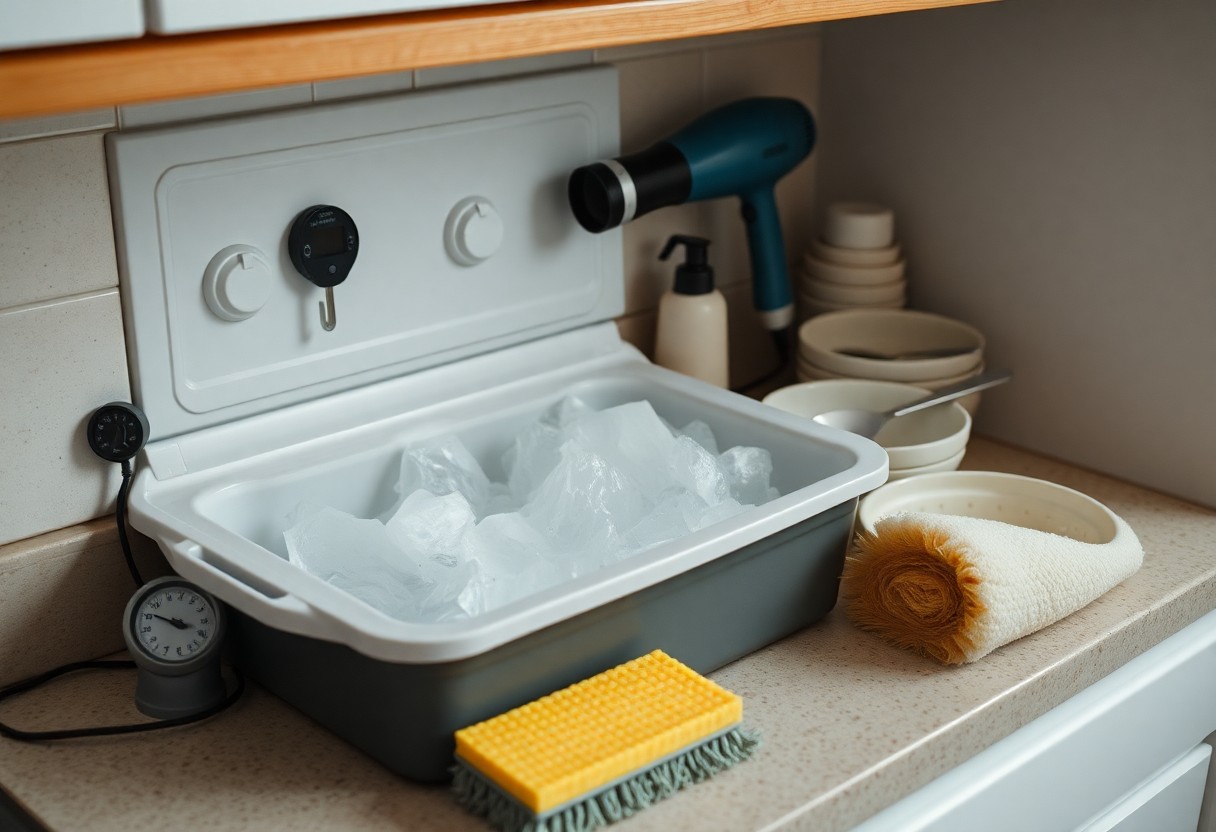
During the defrosting process, managing melting ice and water is crucial to avoid a messy kitchen. Having absorbent towels or a wet/dry vacuum on hand will help you tackle water as it accumulates. Also, strategically positioning containers where the water is directed will minimize flooding. Gathering tools and implementing a consistent routine keeps the cleanup manageable, making the entire operation smoother and stress-free.
Effective Draining Solutions to Prevent Flooding
Directing water away from your freezer is vital during defrosting. Position a drain pan at the base of the freezer and tilt the appliance slightly if needed to aid in water flow. For freezers without drainage systems, using absorbent towels to soak up water is effective. A shallow container placed beneath the drain hole can catch excess moisture, preventing your floor from becoming a slip hazard.
Cleaning Tips for a Smudge-Free Freezer
After you’ve completed the defrosting, take the time to clean your freezer thoroughly. Use a solution of warm water and mild dish soap for the inside surfaces, ensuring to reach every nook and cranny. Avoid using abrasive materials that can scratch the interior. Rinse with clean water and dry with a soft cloth to achieve a smudge-free finish. Add a touch of baking soda for deodorizing, leaving your freezer fresh.
- warm water
- mild dish soap
- deodorizing
Cleaning your freezer not only enhances its appearance but also promotes better hygiene. Pay special attention to seals and corners where spills may gather, ensuring every area is 100% spotless. For a streak-free result, consider using vinegar or a specialized cleaner designed for appliances. Knowing how to maintain your freezer extends its lifespan and keeps food fresher.
- streak-free
- specialized cleaner
- maintenance
Proactive Measures: Preventing Future Frost Accumulation
To combat future frost buildup, focus on temperature control and sealing. Ensure your freezer maintains a steady temperature below 0°F (-18°C) and regularly check door seals for leaks. Using moisture-absorbing products can also significantly reduce humidity levels inside the freezer. For further insights on defrosting a freezer without shutdown?
Maintenance Tips for Long-Term Efficiency
Implement simple maintenance routines to enhance your freezer’s efficiency. Regularly clean the coils, avoid overpacking to promote air circulation, and run the unit at optimal temperatures. Check for ice buildup frequently and address any issues early.
- Maintain airflow to avoid frost
- Inspect gaskets to ensure proper sealing
- Clean coils every six months
The right care extends your appliance’s lifespan.
Modern Solutions: Innovative Freezer Technology
Today’s freezers feature advanced technology to combat frost build-up effectively. Many models now include frost-free designs that utilize fans to circulate air, preventing moisture accumulation. Smart refrigerators enable you to monitor and adjust temperature settings remotely, keeping conditions optimal at all times. Invest in these innovative solutions to save time and effort in maintaining your freezer.
Final Words
With this in mind, you can effectively defrost your freezer without turning it off by using a few simple techniques. Start by placing towels at the base to catch melting ice and ensure proper drainage. Use a fan to circulate warm air, or a bowl of hot water inside to expedite the process. Scrape away ice gently with a plastic spatula, avoiding metal tools that could damage your appliance. Once finished, ensure the freezer is clean and dry before putting items back, allowing you to maintain efficiency and prevent future frost buildup.
FAQ
Q: What methods can I use to defrost a freezer without turning it off?
A: You can use a hairdryer on a low setting, a bowl of hot water placed in the freezer, or a fan to circulate air. These methods can speed up the melting process without needing to turn off the freezer.
Q: How can I prevent water from leaking during defrosting?
A: Place towels or a shallow pan to catch the melting water. Using a sponge to absorb excess moisture can also help minimize the mess.
Q: Is it safe to use a heat source when defrosting?
A: Yes, using a hairdryer set to low heat or a bowl of hot water is generally safe. Avoid direct contact with the freezer components to prevent damage.
Q: How long does it take to defrost a freezer using these methods?
A: The time can vary, but typically it takes about 1 to 2 hours to fully defrost depending on the ice buildup and the method used.
Q: What do I need to do after defrosting?
A: After defrosting, wipe down the interior to remove moisture, check seals for any damages, and clean the drain hole to prevent future buildup.