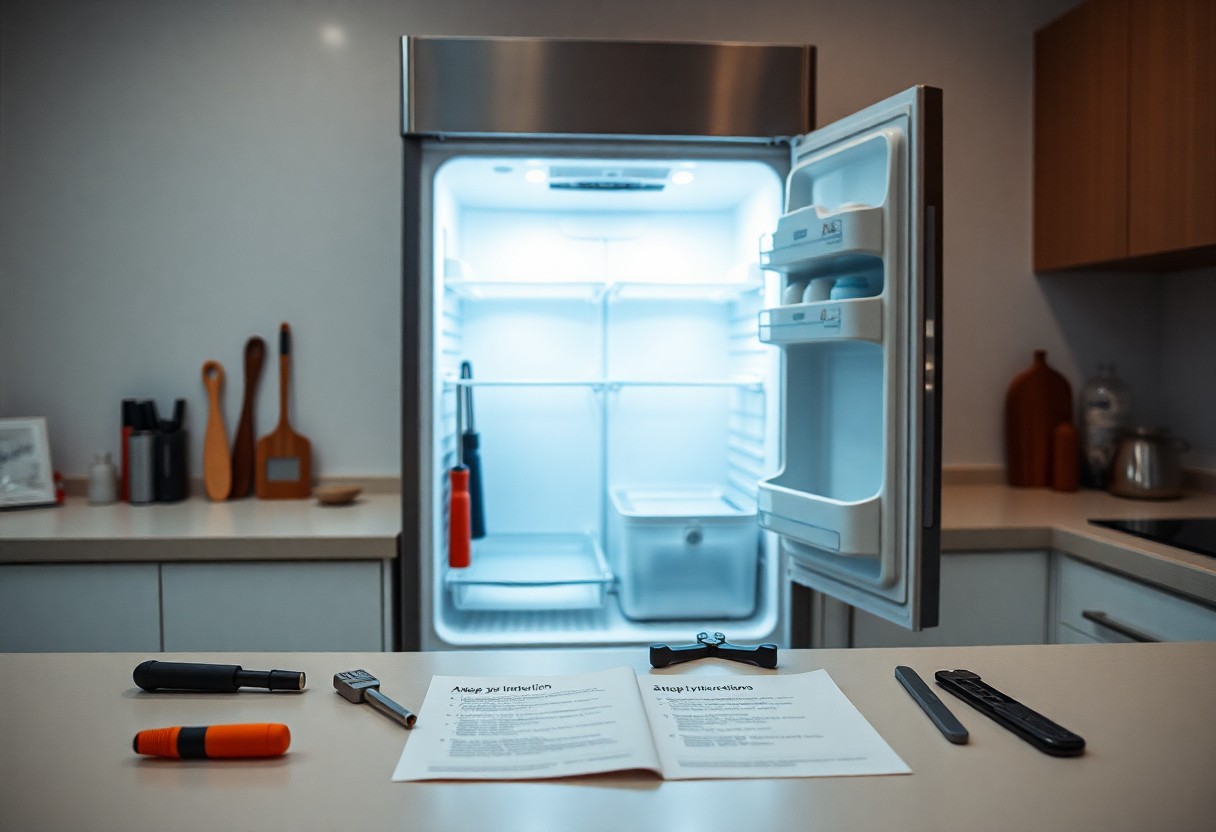
Resetting your refrigerator can resolve various issues without the need for a technician. This simple process can restore functionality and improve efficiency. You can easily perform a reset by following a few straightforward steps, ensuring that your appliance runs smoothly again. Always prioritize safety by unplugging the unit before starting and following the manufacturer’s guidelines closely. By taking this task into your own hands, you save time and money, while gaining a better understanding of your appliance.
Key Takeaways:
- Locate the power cord and unplug the refrigerator or turn off the breaker for a few minutes.
- Press and hold the ‘power’ or ‘reset’ button on the control panel, if available.
- Reconnect the power and check settings to ensure the refrigerator is operating correctly.
Decoding the Signals: Knowing When to Hit Reset
Your refrigerator often emits subtle signals indicating that it’s time for a reset. Look for signs like fluctuating temperatures, strange noises, or an unusually high energy bill. If ice begins to form in unwanted areas or food items spoil sooner than expected, these might be red flags. Observing these issues early can prevent further complications and costly repairs.
Identifying Common Refrigerator Issues
Common refrigerator issues include inconsistent cooling, frost buildup, and odd noises. If your refrigerator feels warmer than usual or has excessive ice, it can signal an underlying problem. These conditions may often result from blocked vents, a malfunctioning thermostat, or a failing compressor. Addressing these problems promptly will help maintain the longevity of your appliance.
Recognizing Error Codes and Indicators
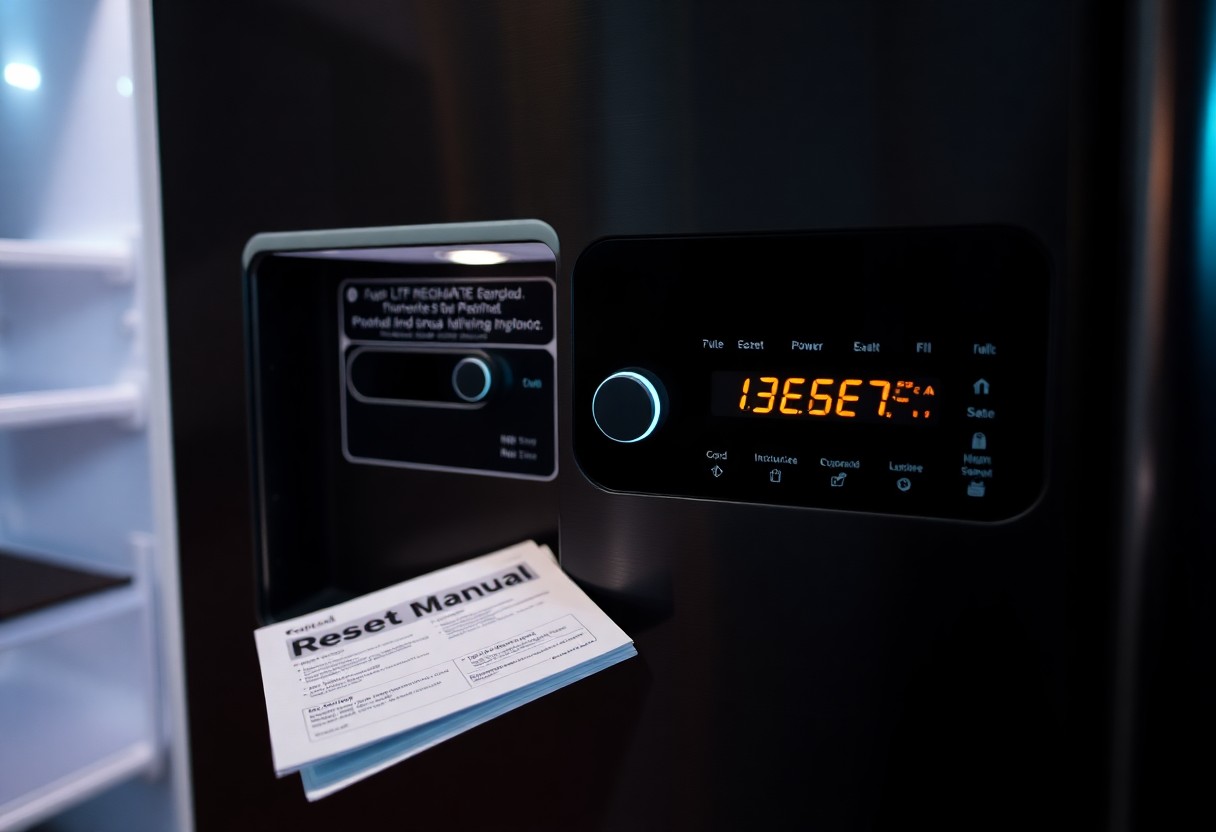
Your refrigerator may display various error codes or indicators on the control panel. These codes can guide you in diagnosing specific problems. Consult your user manual or the manufacturer’s website for explanations of what each code means, as these will provide insights on the necessary corrective actions.
Error codes are typically a combination of letters and numbers that indicate malfunctions in specific systems. For example, “E1” might signal a temperature sensor issue, while “E2” could refer to a defrosting error. Each code is designed to help you pinpoint the exact problem, allowing you to take appropriate action. Becoming familiar with these alerts will empower you to troubleshoot effectively, reducing the need for professional intervention.

Step-by-Step Guide to the Reset Process
| Step | Description |
|---|---|
| 1 | Unplug the refrigerator from the power source. |
| 2 | Wait for at least 5 minutes. |
| 3 | Plug the refrigerator back in. |
| 4 | Adjust the temperature settings if necessary. |
| 5 | Monitor performance for any issues. |
Power Cycling: The First Line of Defense
Power cycling your refrigerator is a simple yet effective first step in troubleshooting. By unplugging the unit, you allow systems to reset, which can resolve issues stemming from minor glitches. After a brief wait, plug it back in to restore functionality. This method targets various problems, from temperature irregularities to system errors. Always check for a stable power connection before proceeding with advanced settings.
Accessing the Control Panel for Advanced Settings
To dive deeper into your refrigerator’s functionalities, accessing the control panel is vital. These advanced settings may allow you to adjust cooling, manage energy usage, or enable diagnostic modes. Locate the control panel, often found on the front or inside the door, and follow the prompts. Familiarize yourself with the interface to efficiently navigate through the options available.
- Find the control panel location in your refrigerator.
- Identify relevant settings for cooling and diagnostics.
- Adjust parameters based on your preferences.
- Save changes and exit the control panel.
- Monitor the refrigerator’s performance to assess changes.
| Tip | Details |
|---|---|
| Diagnostic Mode | Use this to troubleshoot issues; it provides error codes for quick identification. |
| Temperature Control | Check the recommended settings per manufacturer guidelines for optimal performance. |
| Energy Saver Mode | Activating this mode can help reduce energy consumption while still keeping food fresh. |
| Lock Features | Some panels have a lock feature to prevent accidental adjustments, especially important in households with children. |
Beyond the Basics: Troubleshooting Techniques
After performing a reset, if your refrigerator still shows issues, advanced troubleshooting techniques will become important. Exploring the causes behind the signals can lead to effective fixes. For deeper insights on troubleshooting, refer to Why Is My Refrigerator Not Cooling? + How To Fix It.
Manual Defrosting for Frost Buildup
Frost buildup can obstruct airflow, leading to inadequate cooling. If you notice excess frost, manually defrosting your refrigerator can help restore proper functionality. Unplug the unit, remove food, and allow it to thaw completely. Use towels to soak up water as it melts, which minimizes potential water damage.
Checking the Temperature Settings
Ensure your refrigerator is set to the appropriate temperatures. Ideal refrigerator settings linger around 37°F (3°C) and 0°F (-18°C) for the freezer. Incorrect settings can impede proper cooling and spoil food. Additionally, check that the thermostat is functioning properly, and make necessary adjustments to align with these optimal ranges.
| Temperature Too High | Poor circulation, blocked vents, or compressor issues. |
| Temperature Too Low | Thermostat malfunction or incorrect settings. |
Regularly verifying the temperature helps prevent issues over time. Use an appliance thermometer if your refrigerator doesn’t have a built-in one, as it provides accurate readings compared to the dial you might adjust. Adjust the settings accordingly, and monitor for a few hours to confirm improvements.
| Step 1 | Place an appliance thermometer in the center of the fridge. |
| Step 2 | Allow it to sit for several hours before checking the reading. |
| Step 3 | Adjust the thermostat if the temperature is outside the recommended range. |
Preventive Measures to Avoid Future Resets
Implementing preventive measures can significantly reduce the need for future resets. Regularly check the temperature settings and ensure that the vents inside your refrigerator are not blocked. Keeping the condenser coils clean and maintaining a proper seal on the doors also contribute to overall efficiency and longevity. Additionally, monitor the power supply and consider using a surge protector to safeguard against outages. After incorporating these measures, you can extend the lifespan and reliability of your refrigerator.
Regular Maintenance Tips for Longevity
Performing routine maintenance on your refrigerator ensures its optimal function over time. Regularly clean the interior and exterior surfaces, inspect the gasket seals, and check the drip pan for buildup. Keep the coils clean and ensure proper airflow by removing any debris around the appliance. Addressing minor issues promptly can prevent costly repairs.
- Clean condenser coils every 6 months to improve energy efficiency.
- Inspect door seals monthly for air leaks.
- Organize contents to maintain proper air circulation.
Educating Yourself on Modern Refrigerator Features
Understanding the features of your modern refrigerator can help you maximize its potential. Familiarize yourself with options like adjustable shelving, temperature zones, and smart technology integration. Many refrigerators now come equipped with monitoring systems that alert you to potential problems before they escalate. Staying informed about these advancements can simplify your maintenance routine and enhance efficiency.
Common Myths About Refrigerator Resets Debunked
Many tend to believe that resetting a refrigerator is unnecessarily complicated or that it can cause permanent damage, which isn’t true. Most modern units are designed to be user-friendly when it comes to basic troubleshooting. Misunderstanding the process often leads to unnecessary technician calls or anxiety about attempting a reset. Knowing the facts helps you tackle these issues confidently and effectively.
Misconceptions About Rebooting Appliances
One common misconception is that rebooting an appliance like a refrigerator will erase all its settings or programmed features. In reality, a reset typically restores only temporary malfunctions and does not impact your stored preferences. Additionally, many believe that resetting will void warranties, but most manufacturers allow such procedures as part of regular maintenance.
The Truth About Calling Technicians
Many homeowners hesitate to attempt a reset, fearing they will need a technician after troubleshooting fails. However, most routine issues can be resolved without professional help. Technicians often charge steep fees for minimal issues or resets, which you can take care of yourself. Knowing when to DIY can save you time and money; routine resets, malfunction signals, or minor temperature fluctuations usually don’t warrant an expert’s intervention.
Final Words
Considering all points, resetting your modern refrigerator is a straightforward process that you can achieve without needing a technician. By following the manufacturer’s instructions to unplug the unit, waiting for a few minutes, and then plugging it back in, you can often resolve minor issues effectively. Additionally, checking the control panel and resetting any settings can help in restoring optimal functionality. With these simple steps, you enhance your refrigerator’s performance while saving time and money.
FAQ
Q: How do I reset my modern refrigerator?
A: To reset your modern refrigerator, unplug it from the power source. Wait for about 5-10 minutes before plugging it back in. This allows the internal systems to reset. After reconnecting, adjust the temperature settings if needed.
Q: What signs indicate that I need to reset my refrigerator?
A: Look for signs such as unusual noises, improper cooling, or error messages on the display. These can indicate that a reset may be needed to restore normal function.
Q: Will resetting my refrigerator delete any settings?
A: Yes, resetting the refrigerator may revert certain settings, such as temperature preferences or modes. After resetting, check the settings to ensure they are configured as desired.
Q: Can I reset my refrigerator without unplugging it?
A: Some models allow you to reset through the control panel by locating the reset button or using a combination of buttons. Refer to your user manual for specific instructions regarding this option.
Q: Is it safe to reset my refrigerator multiple times?
A: Yes, it is generally safe to reset your refrigerator multiple times if necessary. However, frequent resets may indicate underlying issues that may require further investigation.