
Most people experience a sudden buzzing noise at some point, prompting concern about its source and significance. This noise can indicate various factors, from harmless environmental sounds to potential issues like a malfunctioning appliance or electrical problems. Understanding the context and characteristics of the sound can help you determine whether to worry or simply dismiss it. In this post, you’ll uncover the possible reasons behind that unsettling buzz and how to respond effectively.
Key Takeaways:
- A sudden buzzing noise can indicate electrical issues, such as loose wiring or appliance malfunctions.
- Environmental factors, like nearby construction or insects, can also cause unexpected buzzing sounds.
- If the noise persists or is accompanied by other issues, it may be necessary to consult a professional for safety reasons.
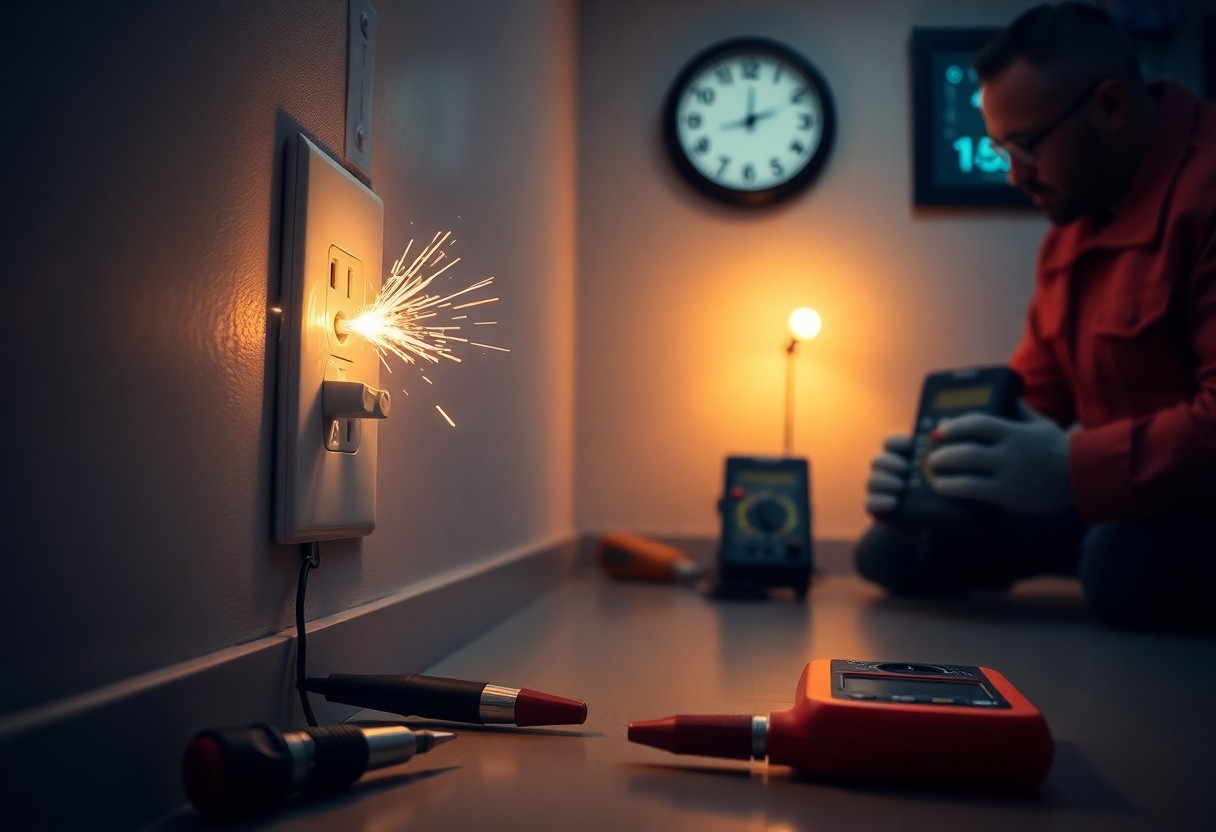
The Mechanics of Sound: What Causes That Buzzing Noise?
Understanding the mechanics of sound helps explain that sudden buzzing noise you experience. Sound is produced when vibrations travel through a medium, such as air, and are perceived by your ears. These vibrations might stem from various sources, with frequency and amplitude determining the pitch and loudness of the buzzing. When an object vibrates, it creates pressure waves that can reach you, often resulting in an unexpected sound that can be alarming or annoying, depending on the context.
The Science Behind Sound Production
Sound production involves the creation of vibrations that propagate through different mediums. Each sound source, whether it’s a refrigerator or a power line, generates unique frequencies. Your auditory system interprets these frequencies, translating them into recognizable sounds. For instance, a low-frequency buzz may signal an impending malfunction, while higher frequencies could indicate normal operational sounds. Understanding these differences aids you in identifying potential issues.
Major Sources of Buzzing in Different Environments
Buzzing noises typically originate from various sources depending on your environment. In homes, appliances like refrigerators, HVAC systems, and electrical wiring can create buzzing sounds. In urban areas, traffic signals or construction activities may contribute to the cacophony. Outdoors, insects like cicadas or bees are notorious for their buzzing. Factors like proximity and the medium through which sound travels can intensify the noise, impacting how you perceive it.
Residential buzzing often stems from appliances like refrigerators, which can emit a constant hum, particularly when the compressor cycles on and off. In contrast, buzzing from electrical sources may indicate wiring issues, posing safety risks. Urban environments often amplify buzzing noise from traffic signals or construction machinery. Outdoors, buzzing can signal the presence of insects, with cicadas producing sounds exceeding 100 decibels. Recognizing these sources helps you assess whether your buzzing is benign or indicative of underlying problems.
Alarm Bells or False Alarms? Assessing the Frequency and Context
Differentiating between alarming sounds and benign noise is crucial. Frequency and context play significant roles in this assessment. For a deeper insight into Buzzing in Ears – Symptoms, Causes, Treatments, consider how often you experience the buzzing. Consistent or escalating sounds can signify underlying issues that might require attention.
Contextual Factors: Home, Work, and Nature
Your surroundings can greatly influence the perceived buzzing sound. For instance, home environments with electrical appliances may contribute to buzzing, while work settings with machinery might amplify it. In nature, insects or environmental sounds could be mistaken for buzzing. Identifying these factors helps in assessing the noise’s relevance to your situation.
- Home environments with electrical interference
- Work settings with machine noise
- Natural surroundings with wildlife sounds
The patterns of frequency can provide important clues about your buzzing experience. Occasional or sporadic buzzing is generally less concerning, but if you notice it happening frequently—especially accompanied by other symptoms—this may indicate a need for a medical evaluation. Sudden changes in frequency or consistency warrant immediate attention, as they could signal serious health issues.
Decoding the Buzz: Common Culprits and Their Implications
Identifying the source of a sudden buzzing noise requires keen observation. Common culprits include faulty electrical appliances, buzzing insects, or environmental factors. Understanding these sources can help mitigate concerns and provide insight into necessary actions. Addressing issues promptly, especially with electrical appliances, can prevent potential hazards and ensure your environment remains safe and calm.
Electrical Appliances: What to Listen For
Familiarizing yourself with the sounds your electrical appliances make can help distinguish between normal operation and a warning sign. For instance, a humming noise from a refrigerator might indicate it’s working correctly, while a buzzing or clicking sound from a light fixture could signal electrical issues or a malfunction. You should pay attention to any unusual noises, especially if they are accompanied by flickering lights or tripped circuit breakers.
Nature’s Symphony: Buzzing Insects and Wildlife
Buzzing sounds from insects and wildlife often indicate a vibrant ecosystem nearby. Common sources include buzzing bees and wasps, which can signal an active hive, and cicadas during warmer months. These sounds are generally harmless and part of the natural soundscape, but you should be cautious if they seem excessive, as it may indicate an unusually dense insect population around your space.
Insects, particularly bees, play a vital role in pollination, contributing to the health of your garden and local environment. The distinctive buzzing sound from bees comes from their rapidly beating wings, and while they are usually harmless unless provoked, a nearby hive can increase the risk of stings. Monitor your surroundings for excessive buzzing, especially if you notice large numbers of bees or yellow jackets, as this may necessitate professional pest control intervention to avoid dangerous encounters.

The Psychological Impact: Why Sudden Noises Jolt Us
Sudden noises can trigger an immediate fight-or-flight response, leading to heightened anxiety and stress. This instinctual reaction is rooted in our evolutionary history, where unexpected sounds often signaled danger, requiring a quick assessment of the environment. These involuntary responses can stir up feelings of unease, causing you to instinctively search for the source of the noise, which can further exacerbate your anxiety in certain situations.
The Evolutionary Perspective: Instinctual Responses
Evolution has hardwired humans to react to sudden sounds as potential threats to survival. This instinctual response served a purpose in ancient environments, where sharp noises could indicate predators or other dangers. Your brain processes these sounds rapidly through the amygdala, triggering adrenaline and preparing your body for action. Consequently, this reflexive response can be difficult to control, often manifesting as a racing heart or a quickened breath when faced with abrupt auditory stimuli.
Managing Anxiety: Techniques for Coping with Unexpected Sounds
To cope with the anxiety caused by unexpected sounds, several techniques can be effective. Practicing mindfulness helps ground you in the present moment, reducing the overwhelming feelings associated with unexpected noise. Deep breathing exercises can calm your body’s physiological response, enabling you to regain control when surprise sounds arise. Additionally, creating a soothing environment with white noise or calming music can act as a buffer against sudden disruptions, making it easier to remain composed.
Integrating these techniques into your daily routine can empower you to manage anxiety more effectively. Start with deep breathing exercises, inhaling for a count of four and exhaling for six, to slow your heart rate and promote relaxation. Mindfulness meditation, even for just a few minutes each day, can enhance your awareness and help you respond more calmly to unexpected sounds. Experiment with background white noise or gentle music to mask sudden disturbances, creating an environment where surprises feel less threatening. By consistently practicing these strategies, you can build resilience against the psychological impacts of sudden noises in your environment.
Practical Steps: What to Do When You Hear That Buzz
As soon as you hear the buzzing noise, take immediate action to identify its source. Start by checking all electrical appliances in the vicinity. Unplug devices one by one to see if the buzzing stops. If you suspect it’s coming from the walls, listen closely to pinpoint the location. Use a flashlight and inspect areas like outlets and light fixtures for any signs of damage, scorching, or frayed wires.
Investigative Measures: Diagnosing the Source
Listening intently can help narrow down the buzzing. If it increases with certain appliances or occurs with specific activities, such as using a power tool, you may have localized the issue. Use your smartphone to record the sound as a reference for any professionals you may contact later. Address both inside and outside sources, as some noises may originate from external equipment, such as generators or transformers.
Safety Protocols: When to Seek Professional Help
If the buzzing persists despite your troubleshooting efforts, or if you notice signs of electrical damage like sparks or burning smells, it’s time to call a professional. Anytime you feel unsafe or unsure about handling electrical components, prioritize your safety over DIY attempts.
Consulting a licensed electrician is crucial when you’ve ruled out basic issues but the buzzing remains. Professionals possess the expertise to tackle complex problems like overloaded circuits or grounding issues, which can pose risks like fire hazards. If you experience a rapid increase in the buzzing intensity, seek help immediately, as this can signal a dangerous electrical fault requiring urgent attention.
Summing up
Considering all points, that sudden buzzing noise can often signify various underlying issues, ranging from electrical problems to alarm notifications. Assess your environment to identify the source of the sound, and take note of any accompanying symptoms that could indicate a safety concern. If the noise persists and you feel uncertain, it’s wise to consult a professional to ensure your safety and peace of mind. Being proactive in addressing such noises can help you avoid potential issues down the line.
FAQ
Q: What causes sudden buzzing noises in my home?
A: Sudden buzzing noises in your home can be caused by various factors, including electrical issues, appliance malfunctions, or environmental sounds. Common sources include faulty wiring, circuit breakers, or buzzing from electrical appliances like refrigerators or air conditioners.
Q: Should I be worried if I hear a buzzing noise?
A: While not all buzzing noises indicate a serious problem, it’s important to investigate the source. Persistent or loud buzzing could signal electrical hazards or appliance failures, which may require professional assessment to ensure safety.
Q: How can I identify the source of the buzzing noise?
A: To identify the source of the buzzing noise, start by turning off appliances one at a time to see if the sound stops. Check light fixtures, outlets, and any devices that might be connected to your electrical system. If the source remains unclear, consulting an electrician may be necessary.
Q: Is buzzing noise from electronics always a sign of malfunction?
A: Not necessarily. Some electronics emit a low buzzing sound as part of their normal operation, especially if they have transformers or coils. However, if the sound changes in volume or intensity, it might indicate a problem, and further investigation is advised.
Q: What steps should I take if I determine the buzzing is electrical?
A: If you determine the buzzing noise is electrical, turn off the power to the affected area immediately to prevent potential hazards. Contact a licensed electrician to evaluate the situation and perform any necessary repairs or inspections for safety.