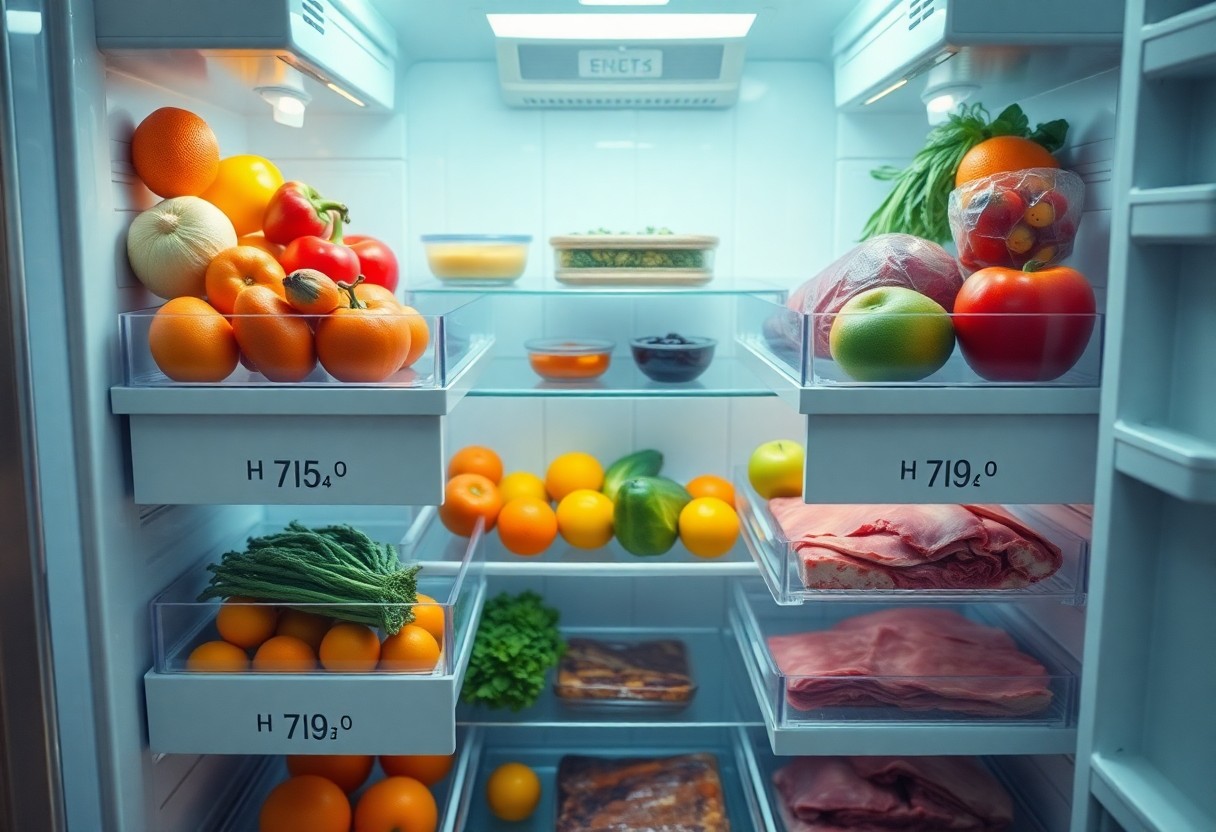
You might have noticed that your refrigerator drawers come with different humidity settings, designed to optimize the freshness of your food. Understanding these settings is key to maintaining the quality of fruits, vegetables, and other perishables. By adjusting the humidity levels, you can prevent spoilage and maximize freshness, ensuring your meals remain nutritious and delicious. This guide will help you navigate these settings effectively, allowing you to make the most of your refrigerator’s design.
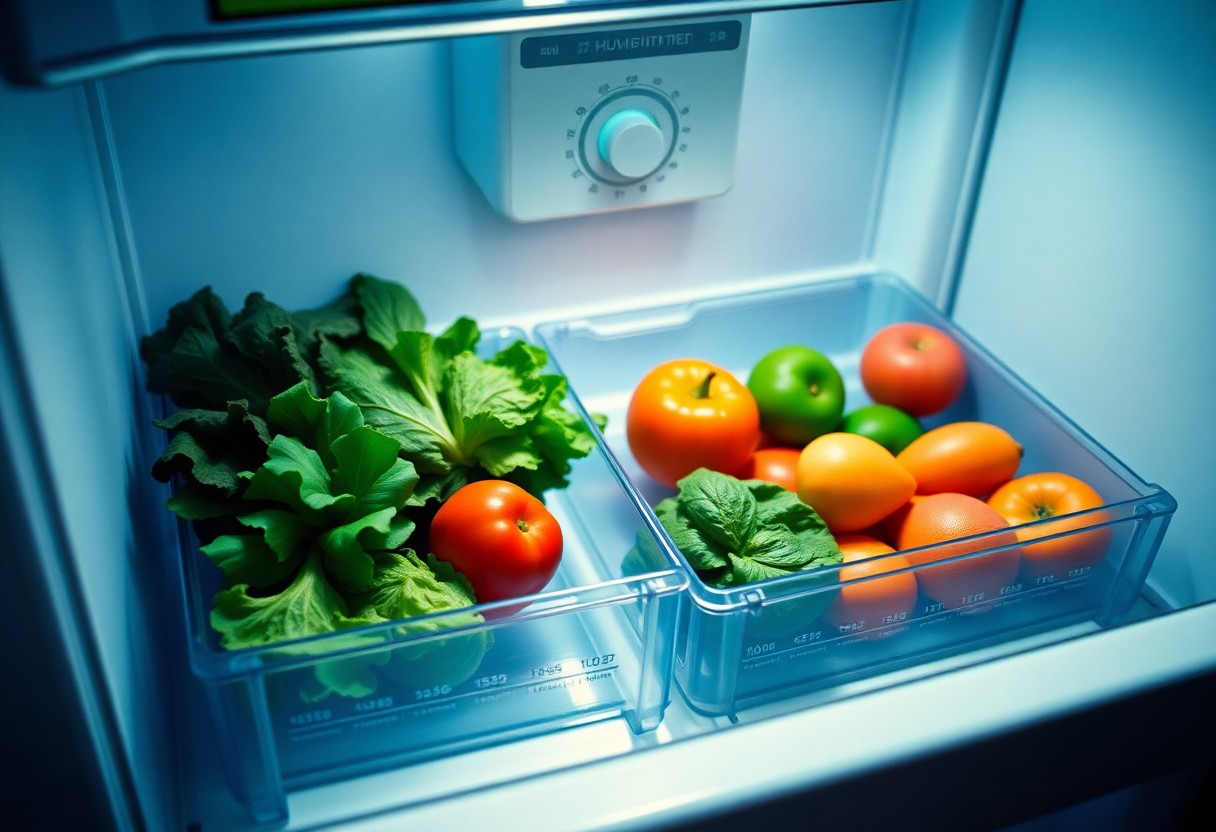
Key Takeaways:
- Different humidity settings help maintain the freshness of fruits and vegetables by controlling moisture levels.
- High humidity drawers are ideal for leafy greens and herbs, while low humidity drawers are better for ethylene-producing fruits.
- Adjusting drawer settings according to the type of produce can extend shelf life and reduce spoilage.
The Science of Humidity Control: Why It Matters
Humidity control is crucial in your refrigerator to maintain the right balance for food preservation. High humidity slows down moisture loss for items like leafy greens, while lower humidity is optimal for items that release moisture, such as fruits. Maintaining these levels directly impacts the freshness, flavor, and shelf life of your food. Proper humidity settings lead to better food quality and less waste.
The Role of Moisture in Food Preservation
Moisture plays a vital role in food preservation, as it helps maintain freshness and inhibits spoilage. Foods with higher water content, such as vegetables, thrive in a humid environment, while lower moisture levels are necessary for items like cheeses and meats. Proper control of moisture levels prevents mold growth and bacterial development that can lead to foodborne illnesses.
How Humidity Levels Affect Different Types of Produce
Different types of produce require varying humidity levels for optimal freshness. Leafy greens, for instance, benefit from a high-humidity environment to retain crispness and prevent wilting. On the other hand, fruits like apples produce ethylene gas and require a lower humidity setting to avoid premature spoilage. Micromanaging these humidity settings can significantly enhance the life of your fruits and vegetables.
| Produce Type | Humidity Level |
|---|---|
| Leafy greens | High |
| Berries | High |
| Apples | Low |
| Bananas | Low |
| Carrots | High |
- Moisture is crucial for leafy greens to stay fresh.
- Fruits like apples need lower humidity to prevent spoilage.
- Berries thrive in a humid environment.
- Ethylene gas produced by fruits can affect surrounding items.
- This understanding helps you utilize humidity settings effectively.
Understanding humidity’s impact on different produce types allows you to expand your knowledge on prolonging freshness. Certain fruits and vegetables can last considerably longer when you apply appropriate humidity levels. For example, leafy greens keep their texture and nutrients with higher humidity, while apples maintain their firmness and flavor more effectively at lower humidity. The correct settings not only enhance the taste but also reduce the frequency of shopping trips and minimize food waste.
| Produce Type | Recommended Humidity |
|---|---|
| Spinach | High |
| Strawberries | High |
| Oranges | Low |
| Celery | High |
| Pears | Low |
- Spinach benefits from a high humid climate.
- Strawberries should also be kept in a humid drawer.
- Oranges stay fresh longer in lower humidity.
- Celery can remain crunchy with optimal moisture levels.
- This clarity helps you choose the best settings for each type of produce.
Demystifying Refrigerator Drawer Settings
Understanding the different humidity settings in refrigerator drawers can significantly impact the freshness and longevity of your produce and meats. These settings are tailored to create the optimal environment for various types of food, thereby minimizing spoilage and waste. Proper utilization of these features enables you to keep your groceries in prime condition, ensuring delicious meals without the added hassle of food spoilage.
High Humidity vs. Low Humidity Drawers
High humidity drawers maintain a moisture-rich environment, ideal for leafy greens, vegetables, and fruits that are sensitive to dehydration. In contrast, low humidity drawers are designed for fruits that emit ethylene gas, like apples and bananas, and for meats and cheese that benefit from dryer conditions. The right humidity level helps prevent wilting, browning, and spoilage, ultimately extending the shelf life of your foods.
Identifying Which Drawers Are Which
To easily identify your refrigerator drawers, look for labels or icons indicating humidity settings, often displayed as a water droplet for high humidity and a snowflake for low humidity. Additionally, drawer construction may offer clues: high humidity drawers typically seal tightly to retain moisture, while low humidity ones often have ventilation holes to allow for air circulation.
Many refrigerators feature clear labels or specific designations for each drawer, but if yours doesn’t, you can still determine their functions by observing the drawer’s design and how well it seals. A tight-fitting drawer with no vents is likely for high humidity, while an open or vented design is more suited for low humidity. That extra attention helps you maximize freshness, ensuring that your fruits and veggies thrive while keeping meats perfectly preserved.
Maximizing Freshness: How to Use Each Drawer
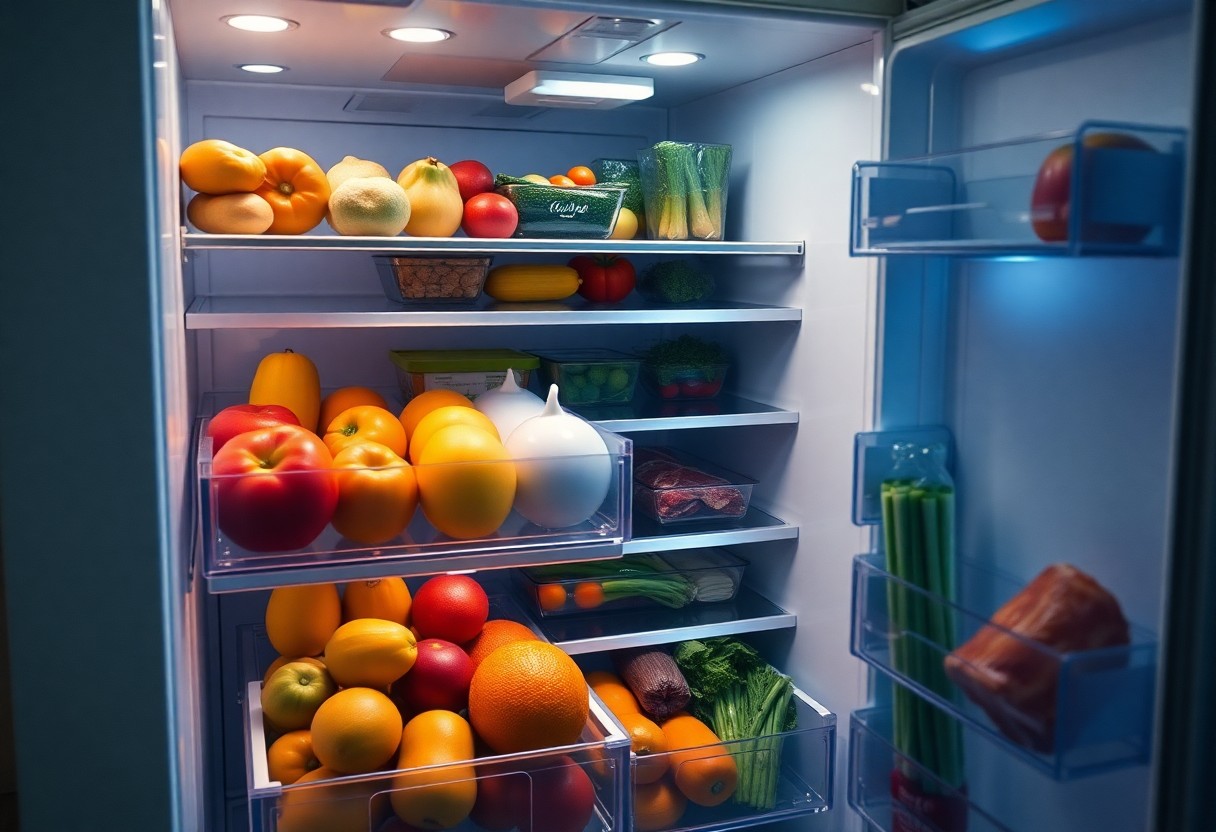
Utilize your refrigerator’s drawers effectively to enhance freshness and longevity of your food. Adjust the humidity settings according to their contents—the higher humidity drawer is ideal for vegetables, while fruits thrive in the lower humidity compartment. For detailed insights on setting adjustments, check out Fridge Drawer Settings, Explained.
Best Practices for Storing Fruits
Fruits do well in a low-humidity environment. Store them unwashed in the designated drawer to prevent moisture buildup, which can lead to spoilage. Keep ethylene-producing fruits, like apples and bananas, separate from those sensitive to it, like berries, to maximize freshness.
Strategies for Storing Vegetables
For vegetables, the high humidity setting is ideal as it helps to retain moisture and prevent wilting. Store leafy greens, carrots, and celery in the high-humidity drawer to keep them crisp. Additionally, avoid washing vegetables before storing; excess moisture can lead to quicker spoilage.
Grouping vegetables by type and ensuring they are dry before storing can enhance shelf life. Consider using perforated bags to maintain optimal airflow while preventing moisture buildup. Check regularly for any spoiling items and remove them promptly to avoid affecting others. Root vegetables, such as potatoes and onions, fare better outside the refrigerator but should be kept in a cool, dark place when stored. Adjusting these storage techniques not only extends the lifespan of your produce but also keeps your meals vibrant and nutritious.
Tailoring Your Refrigerator for Personal Preferences
Understanding and adjusting your refrigerator’s humidity settings allows you to optimize food freshness according to your personal needs. Whether you prefer crisp vegetables or soft fruits, utilizing the designated drawers effectively can lead to longer-lasting produce. Each drawer might serve specific items better; for instance, the high humidity drawer is perfect for leafy greens, while lower humidity benefits hard fruits. Experimenting with these settings ensures your food storage aligns with your unique consumption habits.
Adjusting Humidity Settings Based on Seasonal Changes
As the seasons shift, so do the moisture levels in fruits and vegetables. During humid summer months, keeping your high humidity drawer set to a higher level protects leafy greens and prevents wilting, while in the dry winter, you may opt for lower humidity settings to prevent over-moisturization and spoilage. Tailoring these settings seasonally can enhance your grocery investments and reduce waste.
Customizing Storage Based on Consumption Patterns
Your eating habits directly influence how you should organize your refrigerator. If you frequently consume certain items, placing them in the most accessible parts of your fridge ensures you grab them easily, promoting healthier choices. For instance, if you enjoy snacking on baby carrots and celery, store these in high humidity drawers where they remain crisp, while dedicating lower humidity zones for less frequently used items.
Tracking your consumption patterns allows you to strategically optimize your refrigerator layout. For instance, if you notice that you consistently reach for fruits over vegetables, adjust the storage to spotlight fruits in the more accessible areas. You could place staples like yogurt or cheese upfront if you use them daily, while less important items can be stored further back. This tailored approach not only enhances convenience but also encourages you to indulge in healthier food options, ultimately minimizing waste and maximizing freshness.
Common Mistakes and Tips for Optimal Usage
Using refrigerator drawers with varying humidity settings can significantly enhance food freshness, yet common mistakes undermine their effectiveness. Ensure your settings match the types of food stored; fruits thrive in low humidity environments, while vegetables prefer high humidity. Mislabeling or overcrowding drawers causes airflow problems, leading to spoilage. Always check drawer seals to prevent unwanted moisture leaks. For detailed guidelines, refer to A Guide to Your Fridge’s Humidity Control Drawers. Assume that adjustments based on seasonal produce can further extend freshness.
Frequently Overlooked Storage Errors
Many overlook the importance of keeping moisture-sensitive items separate. Storing items like tomatoes in high-humidity drawers can lead to accelerated spoilage. Improperly placing food in drawers designed for different humidity levels can ruin taste and texture.
Essential Maintenance for Long-lasting Freshness
Regular cleaning of refrigerator drawers ensures preservation of your food quality. Bacteria and mold thrive in damp conditions; thus, wipe surfaces weekly with a mild cleaning solution. Periodically inspect and discard expired items to maintain optimal storage conditions.
To maintain long-lasting freshness of your stored produce, you should also check the integrity of the seals on the drawer. Air leaks can compromise humidity levels, affecting the stored food’s quality. Routinely adjust humidity settings as needed, aligning them with the seasonal changes in produce. A simple habit of rotating items based on age can prevent waste and ensure you always consume food at its peak freshness.
To wrap up
Upon reflecting, understanding the different humidity settings in your refrigerator drawers allows you to optimize food preservation. By assigning fruits to high humidity environments and vegetables to low humidity ones, you can significantly extend the freshness of your produce. This simple adjustment can prevent spoilage and maintain your food’s taste and texture. By utilizing these settings, you not only save money but also enhance your meal preparation with fresher ingredients. Make the most of your refrigerator’s capabilities to enjoy longer-lasting, vibrant produce.
FAQ
Q: Why do refrigerator drawers have different humidity settings?
A: Different humidity settings in refrigerator drawers cater to the needs of various foods. High humidity is ideal for fruits and vegetables, while low humidity is suited for items like fresh meats and dairy, helping to prolong freshness and prevent spoilage.
Q: How should I adjust the humidity settings for fruits and vegetables?
A: Set the humidity drawer for fruits to low and for vegetables to high. Fruits emit ethylene gas, which ripens them faster in low humidity, whereas vegetables benefit from high humidity to reduce moisture loss and extend shelf life.
Q: What foods should be kept in high humidity drawers?
A: High humidity drawers are best for leafy greens, broccoli, cucumbers, carrots, and other vegetables that retain moisture and need a more humid environment to stay crisp and fresh.
Q: Are there any foods that should not be stored in the refrigerator drawers?
A: Yes, items such as bananas, avocados, tomatoes, and pineapples are best stored outside the refrigerator as cold temperatures can adversely affect their flavor and texture.
Q: Can I store deli meats in a high humidity drawer?
A: Deli meats should be stored in a low humidity drawer. This setting helps to control moisture and air circulation to prevent bacterial growth and maintain the quality of the meat.