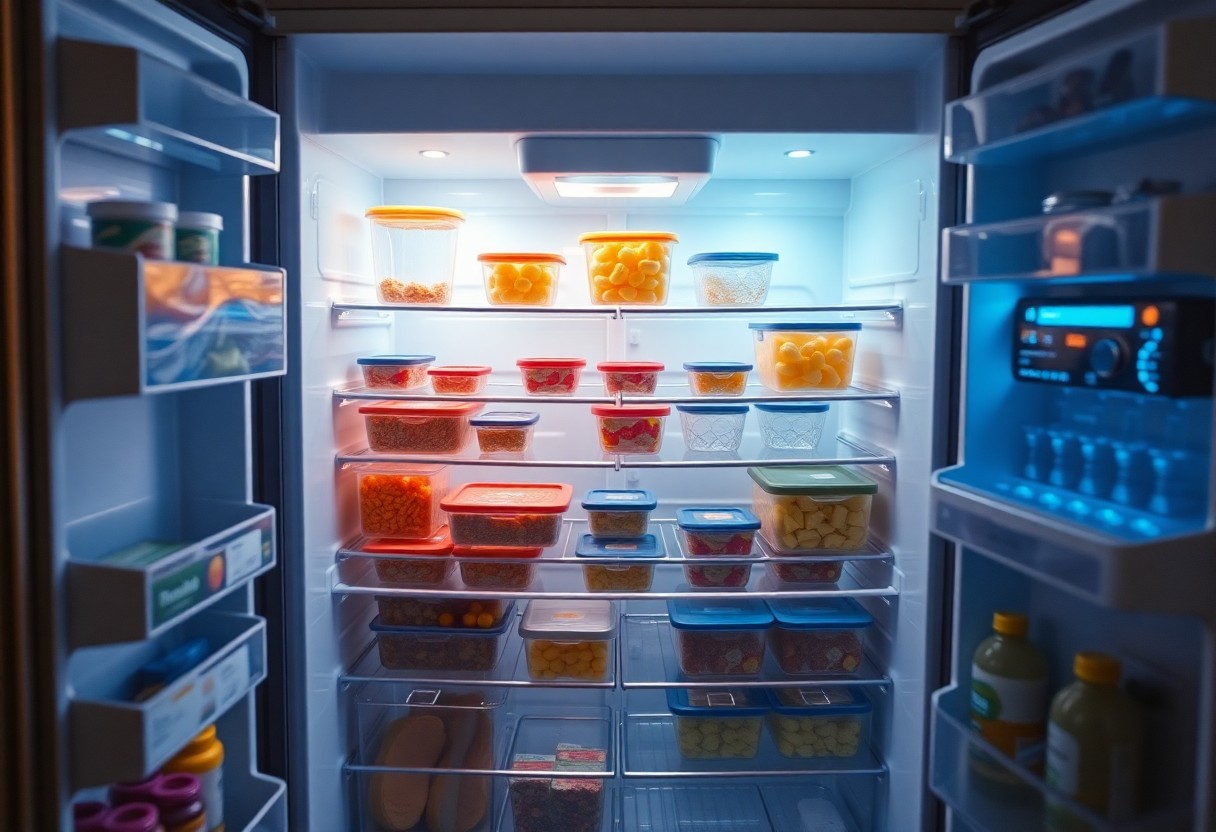
Over time, your refrigerator has likely accumulated a variety of underutilized features that could enhance your food storage experience. From adjustable shelving to temperature controls for specific sections, you might be missing out on ways to maximize freshness and minimize waste. Knowing how to navigate these hidden capabilities can lead to a more efficient and organized kitchen. Let’s explore these aspects to ensure you’re making the most of your appliance and enjoying the benefits it has to offer.
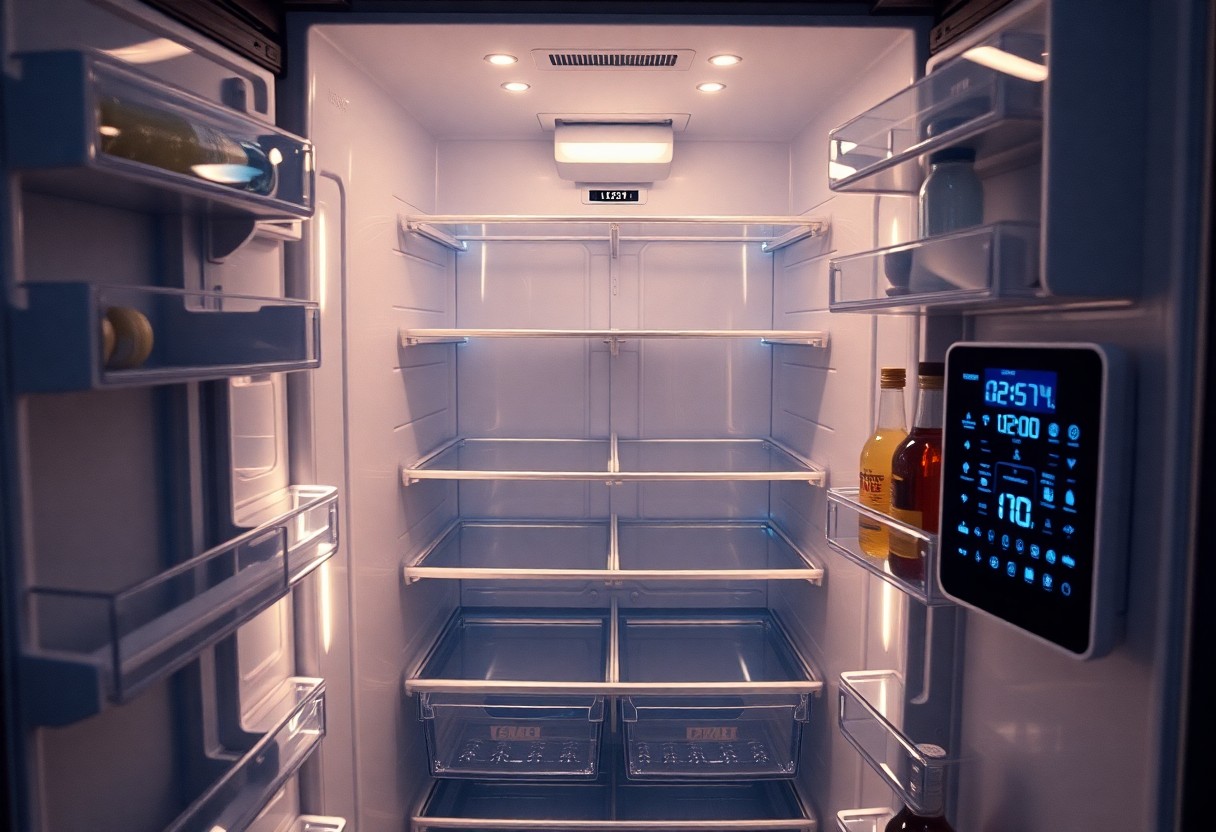
Key Takeaways:
- Many refrigerators have adjustable shelving that can help optimize space for larger items.
- Some models include a built-in water filter that can greatly enhance the quality of your drinking water.
- Energy-saving modes are often available to reduce power consumption during lower usage times.
The Unseen Functions: Modes You Didn’t Know Existed
Certain refrigerator modes often remain hidden yet can significantly enhance your appliance’s efficiency. Features like vacation mode or express chill can help maintain optimal conditions for food storage, preventing spoilage or unnecessary energy waste. Discover more about advanced refrigerator capabilities, like This 1956 fridge has features we still don’t have today, and understand just what your model could be capable of.
The Impact of the Energy Saver Mode
Energy saver mode regulates the temperature and compressor activity, reducing power consumption during low usage times. By using this feature, you can achieve energy savings of up to 30%, which not only lowers your utility bills but also supports a more sustainable lifestyle. Engaging this setting during the night or when you’re away can lead to long-term savings.
Using the Humidity Control for Optimal Freshness
Humidity control settings can significantly extend the shelf life of your perishable items. By adjusting the humidity levels in your crisper drawers, you create ideal environments for fruits and vegetables. For instance, high humidity keeps leafy greens crisp, while low humidity helps prevent moisture buildup in fruits, effectively delaying spoilage.
Utilizing the humidity control feature can be a game changer in your kitchen. If your refrigerator is equipped with separate drawers for fruits and vegetables, setting higher humidity for veggies and lower for fruits can preserve their freshness for much longer. This simple adjustment can keep your produce vibrant and nutritious, reducing waste and ensuring you get the most out of your grocery shopping.
Breaking Down the Shelves: Adjustable Features that Maximize Space
Adjustable shelves are a game changer for those seeking to maximize their refrigerator’s efficiency. By repositioning shelves to accommodate taller items, you can create a more organized space that reduces clutter and enhances accessibility. Some models even allow you to remove entire shelves, providing versatility for whatever you need to store, from large bottles to stacked containers.
How to Utilize Sliding Shelves for Convenience
Sliding shelves offer unmatched convenience by granting easy access to items at the back of your fridge. By pulling out these shelves, you can quickly reach condiments or snacks without having to dig through numerous items. This simple feature not only saves time but also helps to minimize food waste, as you’re less likely to overlook items hiding in the far corners.
The Benefits of Customizable Bin Layouts
Customizable bin layouts can significantly improve your refrigerator’s organization. By allowing you to rearrange bins based on your personal storage habits, these layouts maximize your available space while ensuring that items are easy to locate. Whether you prefer designated bins for produce, dairy, or snacks, customizing their arrangement can lead to better food management and contribute to optimizing your grocery shopping efficiency.
Many refrigerators include removable bins, enabling you to upscale or downsize your storage options based on your needs. For instance, if you frequently buy in bulk, you can configure larger bins for fruits and vegetables, which might prevent spoilage and save money. On the flip side, if you’re hosting a gathering, you can adjust your storage to accommodate platters and drinks effortlessly. All in all, a tailored bin layout aligns storage with your lifestyle, invites efficiency, and promotes better food habits.
Temperature Detective: Advanced Cooling Options You Can Control
Modern refrigerators come equipped with advanced cooling options that allow you to finely tune the temperature settings for optimal food preservation. Many models feature digital displays and precise controls to maintain ideal temperatures across different compartments, ensuring that perishable items stay fresh longer. Customizing these settings can prevent spoilage and enhance the overall longevity of your food products.
- Adjust temperature settings for different compartments
- Utilize humidity controls for fruits and vegetables
- Monitor door alarms to avoid temperature loss
- Activate energy-saving modes when necessary
| Feature | Benefit |
|---|---|
| Adjustable temperature zones | Custom cooling for specific food types |
| Humidity control | Extended freshness for produce |
| Smart technology integration | Remote monitoring and adjustments |
Setting the Perfect Temperature for Each Compartment
To achieve optimal food preservation, setting the right temperature in each compartment of your refrigerator is vital. Most refrigerators maintain a general temperature of around 37°F (3°C) for the main compartment, while the crisper drawers can range between 34°F to 37°F (1°C to 3°C). Adjust these temperatures based on what you store; dairy products prefer a cooler environment while fruits may do best with slightly warmer settings. Tailoring these ranges can significantly enhance the longevity of your groceries.
| Compartment | Recommended Temperature |
|---|---|
| Main compartment | 37°F (3°C) |
| Crisper drawers | 34°F to 37°F (1°C to 3°C) |
| Freezer | 0°F (-18°C) |
The Role of Air Circulation in Food Preservation
Efficient air circulation within your refrigerator is imperative for uniform temperature distribution, which directly impacts food preservation. If the flow is obstructed by packed items, cold air cannot circulate properly, leading to hot spots that can spoil food quicker. Ensuring that vents aren’t blocked and spacing out food can help maintain consistent temperatures. In addition, many modern refrigerators use fan-assisted cooling to enhance air circulation, which can further improve overall efficiency and freshness.
Consider that limping foods, like fresh greens or meats, often require consistent airflow to prevent moisture accumulation and deterioration. Most refrigerators are designed with strategic vent placements to ensure air reaches all compartments, thereby promoting even cooling. Proper organization and awareness of how air flows can be the difference between perfectly preserved produce and spoiled food lifetimes.
Smart Storage Solutions: Hidden Drawers and Compartments
| Feature | Benefit |
| Hidden drawers | Maximize storage without cluttering visible spaces. |
| Adjustable compartments | Customize your refrigerator layout to fit unique items. |
| Temperature-controlled zones | Optimize conditions for different food types. |
The Importance of Crisper Drawers for Fruits and Vegetables
Crisper drawers play a significant role in maintaining the freshness of your fruits and vegetables. These compartments create a controlled environment, typically higher in humidity, allowing produce to retain moisture while preventing spoilage. Using crisper drawers for the right foods can extend their lifespan; leafy greens, for example, thrive in this controlled setting and can last significantly longer compared to being stored elsewhere. Adjusting the humidity settings according to the produce type further enhances freshness.
Utilizing the Deli Drawer for Meat and Cheese Longevity
Meat and cheese benefit substantially from being stored in the deli drawer, which often maintains a lower temperature to prolong freshness. This compartment helps prevent bacterial growth and spoilage by providing an ideal environment specifically designed for proteins. Keeping deli meats and cheeses in this drawer not only enhances flavor preservation but also aligns with safety standards, reducing the risk of foodborne illnesses.
When storing meat and cheese in the deli drawer, consider wrapping these items in wax paper or butcher paper rather than plastic, as this allows them to breathe and maintain quality. Make sure to keep the drawer at optimal temperatures, typically around 34°F to 36°F, to maximize longevity. Organizing your meats and cheeses in the deli drawer also prevents cross-contamination, ensuring your ingredients stay fresh for longer while simplifying meal preparations.
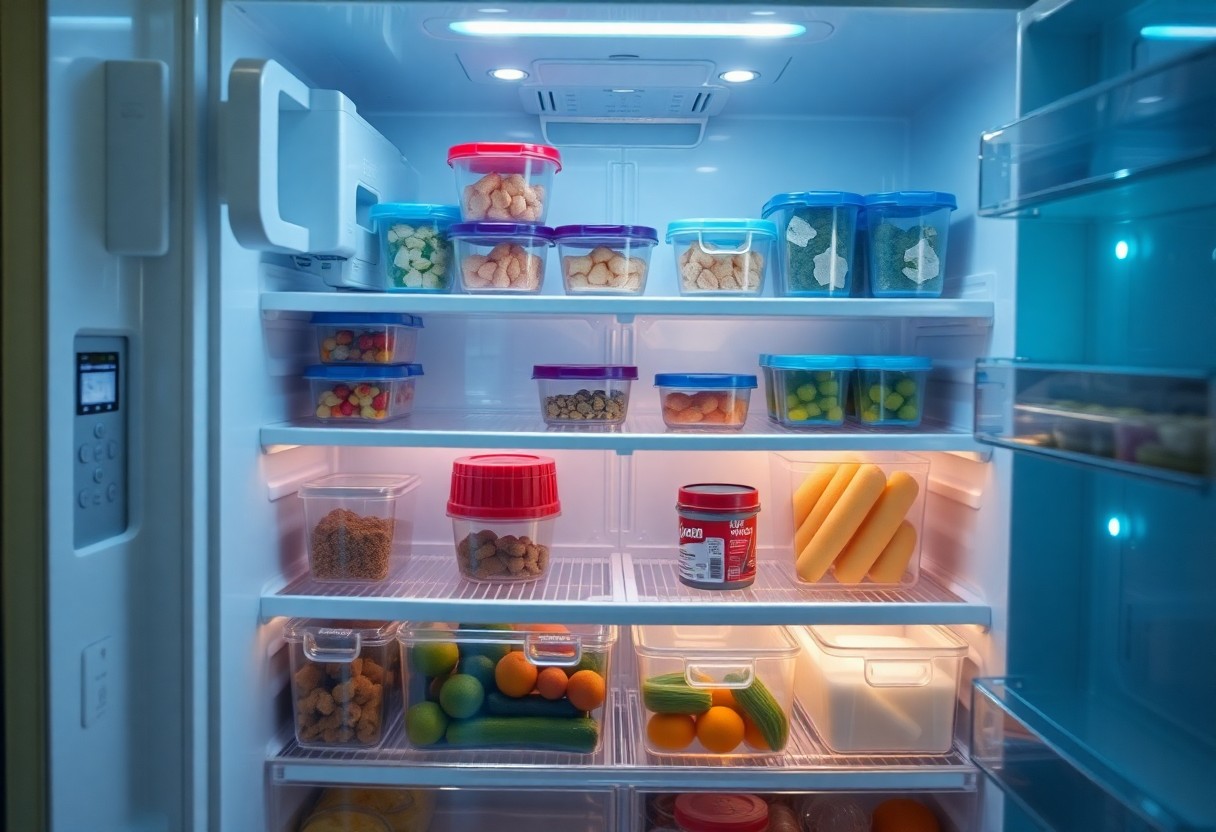
The Long-Term Payoff: Understanding Your Refrigeration Lifetime
Investing in quality refrigeration is not just about immediate convenience; it’s about optimizing long-term performance. A well-maintained refrigerator can last anywhere from 10 to 20 years, depending on the model and usage. By leveraging less-known features and enhancing your maintenance habits, you can maximize energy efficiency and reduce repair costs over time, ultimately saving you money. Understanding the full potential of your appliance ensures a greater return on your investment.
Maintenance Features that Extend Appliance Lifespan
Many refrigerators come equipped with built-in maintenance alerts designed to notify you when it’s time to change filters or clean coils. Utilizing these features can significantly reduce operating costs and prevent breakdowns. Regularly replacing water filters every six months and cleaning condenser coils annually can extend the lifespan of your appliance, keeping it working efficiently for years.
Educating Yourself on Proper Care Techniques
Understanding the specific care techniques for your refrigerator model helps maintain optimal performance. These techniques include ensuring proper air circulation, maintaining recommended temperatures, and avoiding overloading shelves. Additionally, learning about energy-saving settings can lower utility bills without sacrificing food preservation.
Investing time in proper care techniques involves researching your specific refrigerator’s requirements, such as recommended humidity settings and organizing food to enhance airflow. For instance, keeping the refrigerator between 35°F and 38°F prevents temperature fluctuations that may spoil food. Regularly checking door seals for integrity ensures cold air remains contained, significantly enhancing efficiency. A little knowledge transforms your refrigerator into a long-lasting, efficient appliance, providing consistent service and saving you from future costly repairs.
Final Words
Taking this into account, exploring little-known refrigerator features can significantly enhance your food storage and preservation abilities. By utilizing settings like humidity control, temperature adjustments, and specialized compartments, you can optimize your fridge’s performance and minimize waste. Many of these functions are designed to prolong the freshness of your groceries, making your culinary experience more enjoyable and efficient. Take a moment to familiarize yourself with these features in your refrigerator, as they can transform the way you manage your kitchen necessarys.
FAQ
Q: What are some common little-known features of modern refrigerators?
A: Modern refrigerators often include features like adjustable shelves, humidity-controlled drawers, built-in water filters, ice makers, and energy-saving modes. These can enhance storage flexibility and improve food preservation.
Q: How can I utilize the adjustable shelves effectively?
A: Adjustable shelves allow you to customize the space according to your items. Move shelves up or down to accommodate taller bottles or containers, optimizing storage space and accessibility.
Q: What is the purpose of humidity-controlled drawers?
A: Humidity-controlled drawers help maintain optimal moisture levels for different types of produce. Use high-humidity settings for leafy greens and low-humidity for fruits to prolong freshness.
Q: How do I benefit from the energy-saving mode in a refrigerator?
A: The energy-saving mode reduces power consumption by adjusting compressor operation and temperature settings. This feature can significantly lower energy bills while maintaining adequate cooling for food storage.
Q: Is there a way to effectively maintain the water filter in my refrigerator?
A: Regularly check and replace the water filter as recommended by the manufacturer, usually every six months. This ensures clean drinking water and improves the taste of ice, enhancing overall appliance performance.