There’s a simple way to enhance the longevity of your food by being mindful of when you open your fridge. By choosing strategic times to access your refrigerator, you can minimize temperature fluctuations that contribute to spoilage. Understanding the ideal hours for fridge openings not only helps your groceries stay fresh longer but also reduces energy costs and prevents harmful bacteria growth. Follow these guidelines to ensure your meals remain safe and delicious for as long as possible.
Key Takeaways:
- Open the fridge during the warmest part of the day for minimal temperature fluctuations.
- Limit opening the fridge during and after meal prep times when the door is frequently accessed.
- Consider the timing of grocery shopping to ensure food is placed in the fridge as soon as possible after purchase.
The Science of Temperature Fluctuations
Temperature changes inside your fridge can lead to food spoilage. Every time you open the door, cold air escapes and allows warmer air to enter. Keeping your fridge added to the cold air and low on warmer air will extend food freshness. Optimize this by minimizing door openings, especially during peak heat times. For guidance on maintaining food safety during emergencies like power outages, floods, and fires, visit Power Outages, Floods & Fires.
| Factor | Impact |
|---|---|
| Opening Frequency | Increases temperature variation |
| Time of Day | Influences heat levels during opening |
How Opening the Fridge Affects Internal Temperature
Each time you open the fridge, the internal temperature rises, which can lead to bacterial growth and shorten your food’s lifespan. Frequent access during warmer times can exacerbate this issue, as the fridge has to work harder to restore the desired chill. Aim to reduce the frequency of openings during hot afternoons to mitigate this temperature increase.
| Opening Impact | Effect on Food |
|---|---|
| Immediate Temperature Rise | Higher spoilage risk |
| Refrigerator Strain | Reduced efficiency |
The Role of Ambient Temperature in Food Preservation
Ambient temperature significantly affects your fridge’s ability to maintain its internal climate. Higher surrounding temperatures force the appliance to work harder, leading to increased energy usage and uneven cooling. If you’re in a hot environment, the risk of food spoilage escalates due to these temperature disparities. Keeping your fridge in a cooler area will help maintain its efficiency.
| Condition | Effect |
|---|---|
| High Ambient Temperature | Reduced food safety |
| Optimal Ambient Conditions | Improved food longevity |
| Factors | Details |
|---|---|
| Temperature Stability | Essential for safety and quality |
| Influence of Surroundings | Directly impacts cooling efficiency |
Optimal Timing Techniques for Refrigeration
Timing can significantly impact the longevity of your food. By understanding the patterns of temperature fluctuations and your own habits, you can optimize when you open your fridge. Implementing strategic techniques allows for reduced spoilage and enhanced food preservation, ensuring your groceries stay fresher for longer.
Identifying Peak Usage Times
Determine when your household utilizes the fridge most frequently. If morning breakfasts or evening dinners involve multiple trips to the fridge, openings during these peak times lead to increased temperatures. Try designating specific hours for meal prep to minimize disruptions during high-traffic times, maintaining a steady internal temperature.
Scheduling Large Grocery Trips Strategically
Plan your large grocery trips for cooler times of the day, ideally early mornings or late evenings. In temperatures around 50°F or below, food stays cold longer, reducing the risk of spoilage during transport. Additionally, scheduling these trips before major meal prep times allows you to stock up and organize fresh ingredients efficiently, limiting the frequency of fridge openings afterward.
Avoid shopping during midday when outdoor temperatures peak, as this can compromise food safety. For example, taking a trip around 8 AM or after 7 PM not only keeps your perishables cooler but also allows you to take full advantage of sales without the rush. Pair this with insulating bags for transporting frozen and refrigerated items to maintain optimal temperatures while traveling home.
Daily Routines and Their Impact on Food Longevity
Your daily routines significantly influence how long your food stays fresh. Regular patterns, such as when you typically open your fridge, can create temperature fluctuations that affect food quality. For instance, frequently opening the fridge during the day can raise internal temperatures, exposing perishable items to warmer conditions. By syncing your fridge access with your household’s activity patterns, you can reduce unnecessary exposure and improve the longevity of your groceries.
Planning Meal Prep Around High Foot Traffic Times
Timing your meal prep sessions around expected high foot traffic times can optimize energy and resources in your kitchen. For instance, planning to cook right before family meals or gatherings allows you to utilize the fridge more efficiently, thereby minimizing door openings. This concentrated approach not only saves time but also maintains the temperature stability necessary for keeping your food fresh.
Evening vs. Morning Openings: What Works Best
Choosing between morning or evening openings hinges on your household’s activity level. Morning access tends to result in colder air remaining inside the fridge for longer, especially if it’s opened during the coolest part of the day. In contrast, evening openings often align with higher kitchen activity, exposing food to possible temperature fluctuations. To maximize freshness, consider taking inventory and accessing your fridge in the morning when temperatures are lower to maintain food quality.
The debate over morning versus evening fridge openings shows that mornings generally yield better results for food longevity. Studies reveal that temperatures inside a fridge can vary significantly during peak usage times, particularly in the evening. If you frequently access the fridge after dinner or during late-night snacks, the rush can lead to increased intervals of warmer air entering. By adjusting your routine to prioritize morning access, you can create a more stable environment for your perishables and limit temperature spikes that lead to spoilage.
Understanding Food Types and Their Ideal Exposure
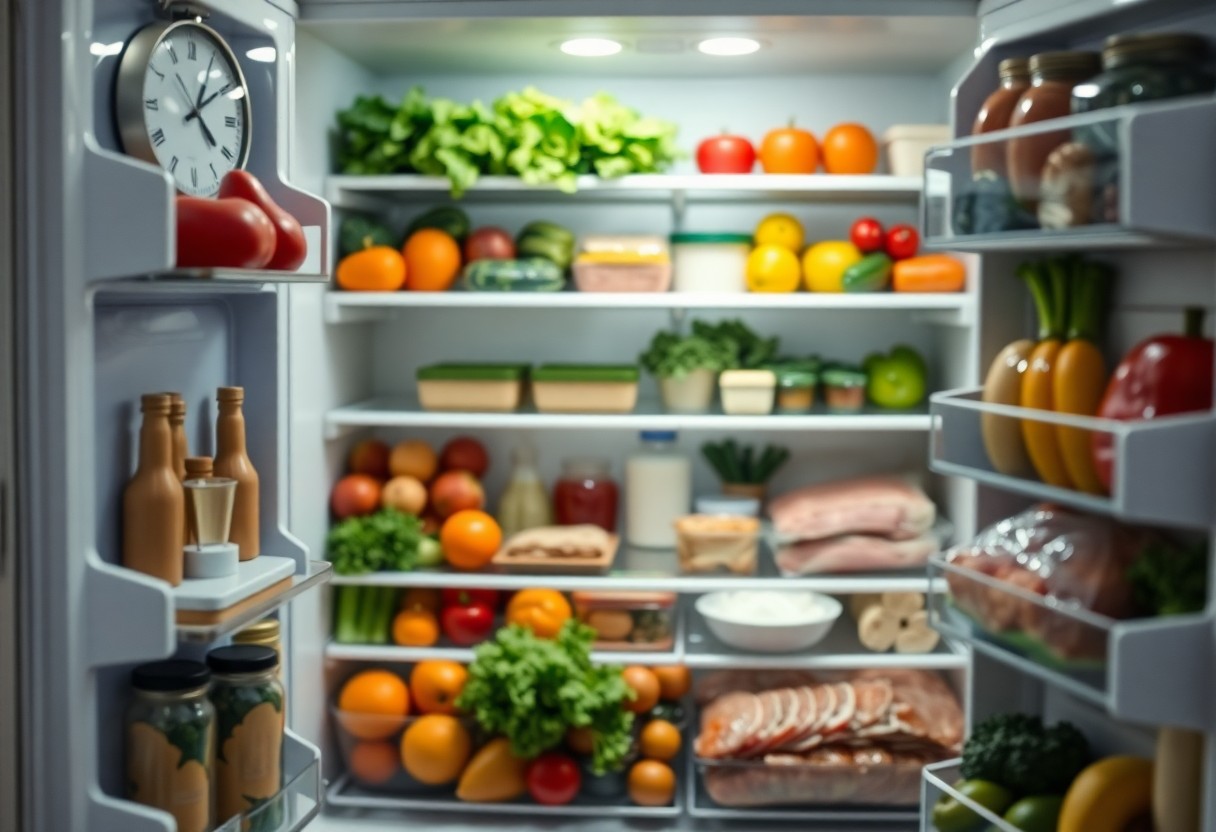
Different food types require varying conditions to ensure optimal freshness and longevity. Understanding these differences can significantly impact the shelf life of your items. Consider the following table which outlines various food types alongside their ideal exposure conditions:
| Food Type | Ideal Exposure |
|---|---|
| Dairy | Keep refrigerated, away from the door |
| Meat | Bottom shelf, as cold as possible |
| Fruits | Store in drawers for moisture control |
| Vegetables | Shade from light, in breathable bags |
| Condiments | Middle shelves, stable temperature |
Knowing how to properly store different food categories increases their lifespan. For more tips, check out 10 Ways to Make Food Last Longer.
Sensitive Items Versus Robust Produce
Sensitive items like berries and leafy greens spoil quickly when exposed to moisture or high temperatures. In contrast, robust produce like carrots and potatoes can withstand longer idle times. Storing sensitive items in vented containers can help prolong their freshness, while durable vegetables can stay in the crisper drawer without as much care.
Grouping Strategies for Efficiency
Efficient grouping of your food makes accessing items easier and saves time. Organizing your fridge by food type or use frequency not only enhances visibility but also reduces the amount of time the door stays open. Group sensitive items together and allocate space for robust produce to simplify your selections.
Implementing grouping strategies enables you to quickly find what you need without riffling through various items. For instance, placing items such as dairy, meats, and condiments on designated shelves can minimize confusion. Organizing by expiration dates can also ensure you consume older items first. This method maximizes efficiency and helps prevent food waste, contributing positively to both your budget and environmental impact.
The Role of Fridge Organization in Reducing Open Time
Efficient fridge organization minimizes the time the door remains open, thus preserving temperature and enhancing food longevity. By designating specific areas for various food types and creating a systematic layout, you can quickly locate items, reduce decision-making times, and limit exposure to warmer air. Avoiding overcrowding and ensuring proper visibility enables you to grab what you need swiftly, contributing to a more energy-efficient and food-safe environment.
Implementing Systematic Layouts for Quick Access
A systematic fridge layout helps you access your groceries without unnecessary delays. Group similar items together and place frequently used items at eye level. For instance, keep dairy on one shelf and meats on another to streamline your retrieval process. This approach not only saves time but also minimizes air exposure, keeping food fresher for longer.
The Importance of Shelf Zones for Temperature Management
Different areas of your fridge maintain distinct temperatures. The top shelves typically hold more consistent temperatures, making them ideal for beverages and leftovers, while the bottom shelves are colder and better suited for raw meats and dairy products. Organizing food according to these shelf zones can enhance safety and reduce spoilage, effectively prolonging the freshness of your groceries.
Importance of Shelf Zones for Temperature Management
| Zone | Ideal Food Types |
|---|---|
| Top Shelves | Beverages, leftovers, and ready-to-eat items |
| Middle Shelves | Dairy and condiments |
| Bottom Shelves | Raw meats and fish |
| Crisper Drawers | Fruits and vegetables |
Understanding these temperature zones helps maintain food quality. For example, placing raw meat on the bottom shelf prevents drips and cross-contamination while keeping it at a consistently cold temperature. Fruits and vegetables in crisper drawers benefit from higher humidity, preserving their texture and preventing spoilage. Strategic organization according to these zones optimizes your fridge’s performance and extends food shelf life.
Understanding Food Zones for Optimal Storage
| Zone | Humidity Level |
|---|---|
| High Humidity | Ideal for leafy greens and vegetables |
| Low Humidity | Best for fruits |
Summing up
With this in mind, the best times to open your fridge to ensure your food lasts longer are during the cooler hours of the day, typically early morning or late evening. By limiting the frequency and timing of fridge openings during peak heat hours, you can maintain a more stable internal temperature, reducing spoilage. Additionally, organizing your fridge with frequently used items at the front can minimize the time the door is open. Implementing these strategies can help extend the freshness of your food and reduce waste.
FAQ
Q: What time of day is best to open the fridge?
A: The best times to open your fridge are early in the morning or late at night when the internal temperature is more stable, and the ambient temperature is cooler.
Q: Why does the time of day affect the fridge’s temperature?
A: Fridges work harder during warmer parts of the day to maintain low temperatures. Opening the fridge during cooler hours helps maintain the overall temperature better.
Q: Should I avoid opening the fridge during peak heat hours?
A: Yes, it’s advisable to avoid opening the fridge between late afternoon and early evening when temperatures are typically at their highest.
Q: Does the frequency of opening the fridge matter?
A: Yes, frequently opening the fridge can raise the internal temperature, which can shorten the lifespan of food. Limit openings, especially during warmer parts of the day.
Q: How long should I keep the fridge door open?
A: Keep the fridge door open for the shortest time possible, ideally under a minute, to minimize temperature fluctuations and help food last longer.