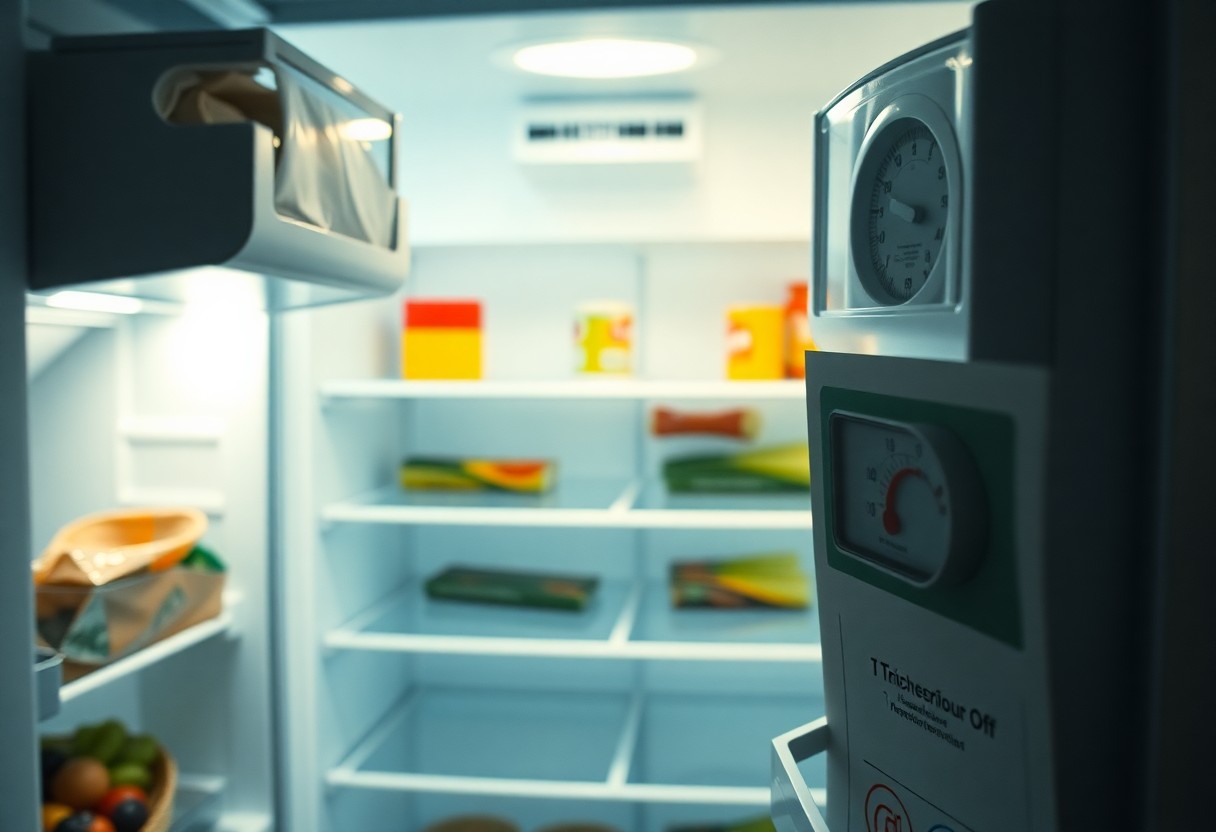
Most homeowners encounter the frustrating scenario where your fridge light is on but nothing’s running, signaling potential issues. Identifying the problem early can save you from costly repairs and food spoilage. First, check if the unit is receiving power, and inspect the temperature settings. If everything seems normal, consider examining the compressor and condenser coils, as these components may need attention. By following these simple steps, you can potentially restore functionality without immediate professional help.
Key Takeaways:
- Check the temperature settings, as incorrect adjustments can prevent the fridge from running.
- Inspect the power supply, including the outlet and cord for any signs of damage or disconnection.
- Examine the condenser coils for dust buildup, which can affect the fridge’s cooling efficiency.
The Refrigerator’s Lifeline: Power Issues
Power issues are often at the root of a refrigerator that isn’t running despite the light being on. If you suspect electrical problems, check for signs of power interruptions, such as flickering lights elsewhere in your home. For additional guidance, refer to Refrigerator Troubleshooting to walk through potential fixes.
Identifying Electrical Connections
Start by inspecting the electrical connections behind your refrigerator. Loose or damaged plugs can disrupt power flow, so ensure that the plug is fully inserted into the outlet. Also, check the cord for any visible damage, which could pose a fire hazard and necessitate replacement.
Examining the Power Source
The power source must be stable for your refrigerator to function properly. Check if the outlet is operational by plugging in another device to see if it receives power. If it doesn’t, you may need to reset your circuit breaker or contact an electrician if you suspect wiring issues.
Additionally, it’s prudent to inspect any extension cords or power strips in use, as these can sometimes lead to inadequate power supply. Fridges require a dedicated outlet to operate efficiently, with a typical voltage of 120 volts. Overloaded circuits can cause disruptions, so it’s wise to keep your refrigerator alone on a separate circuit if necessary.
Cooling Down: Understanding Refrigeration Mechanics
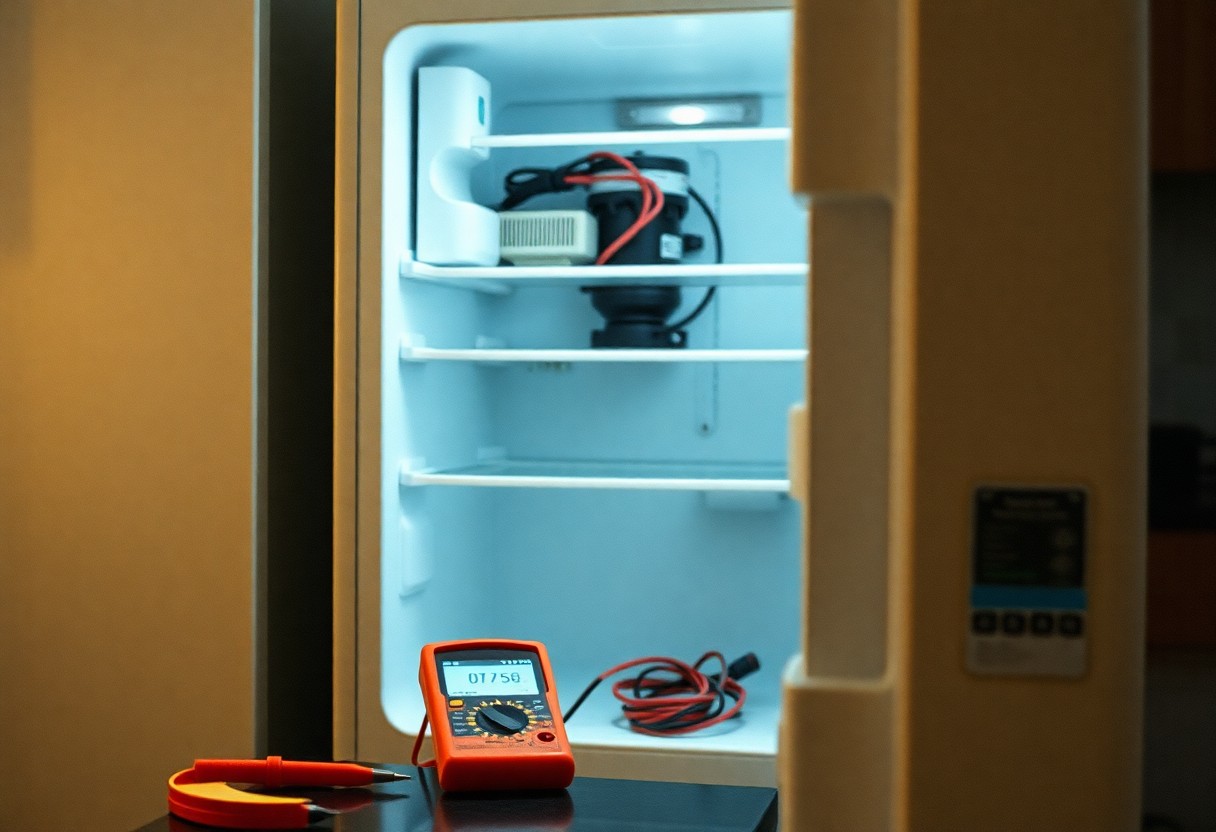
The refrigeration process relies on a few key components to regulate your fridge’s temperature. When your fridge functions normally, the compressor circulates refrigerant through the system, compressing and expanding it to absorb heat and cool the interior. Familiarity with these mechanics can help you diagnose problems when cooling fails, allowing you to troubleshoot effectively and possibly save on repair costs.
What Happens When the Compressor Fails
A failed compressor typically manifests as insufficient cooling or no cooling at all, while the fridge light remains operational. This component is imperative for circulating refrigerant and maintaining the desired temperature. If the compressor is malfunctioning, it may make unusual noises, overheat, or fail to engage, leading to spoiled food and increased energy bills.
The Role of the Condenser and Evaporator Coils
The condenser and evaporator coils are vital in the refrigeration cycle, facilitating heat exchange and temperature regulation. The condenser coils release heat from the refrigerant as it passes through them, while the evaporator coils absorb heat inside the fridge, cooling your food. Any dirt or blockages in these coils can hinder their effectiveness, leading to reduced cooling performance.
Specifically, the condenser coils expel heat by releasing warm air outside the fridge, typically located at the back or bottom of the appliance. Keeping these coils clean enhances their efficiency and longevity. Conversely, the evaporator coils, hidden within the fridge or freezer, absorb heat as the refrigerant evaporates. If ice builds up on the evaporator coils, it can impede proper airflow, resulting in inadequate cooling. Regular maintenance of these coils, including cleaning and defrosting, is vital for optimal refrigerator function.
Decoding the Error Codes: Troubleshooting Technology
Modern refrigerators often feature digital displays that indicate specific error codes to help you identify issues quickly. These codes serve as a direct line of communication between you and the appliance’s system, allowing for efficient troubleshooting. By understanding the meaning behind these codes, you can determine if a simple fix will resolve the issue or if you need professional assistance. Knowing how to interpret these problem indicators saves you time and prevents unnecessary service calls.
How Digital Displays Communicate Issues
Digital displays typically show alphanumeric codes when there’s a malfunction. These displays are designed to alert you to various issues, such as temperature extremes or component failures. The visual format simplifies the diagnostic process, providing immediate information about what may be wrong. Referencing your fridge’s user manual can help connect specific codes to actionable solutions.
Common Error Codes and Their Meanings
Error codes can vary by brand, but many common messages indicate similar problems, such as “E1” for a temperature sensor failure or “E2” for a problematic fan. Recognizing these codes allows you to pinpoint the issue faster. For instance, an “E5” code often suggests a compressor fault. Consult your user manual for specific interpretations related to your brand.
In many cases, these error codes not only highlight faults but also suggest possible resolutions. For example, a code indicating a high temperature may prompt you to check if the door is ajar or if the condenser coils are obstructed. Similarly, a “sensor failure” code may indicate that a simple cleaning of the sensor could restore functionality. Understanding these codes enhances your troubleshooting efforts and can lead to prompt repairs without unnecessary delays.
The Importance of Cleanliness: Maintenance Tips
Regular maintenance of your refrigerator is important for optimal performance. Cleanliness not only enhances its efficiency but also extends its lifespan. Focus on key areas such as the coils, door seals, and interior surfaces. Setting a schedule for regular cleanings can prevent buildup of dust and grime, which may hinder functionality. Maintenance enhances energy efficiency, reduces the risk of repairs, and keeps your food fresh. Thou should keep your refrigerator clean to avoid unnecessary breakdowns.
Keeping Coils Free of Dust
The condenser coils, usually located at the back or beneath the fridge, can accumulate dust over time. This insulation can hamper the heat exchange process, causing the unit to work harder and ultimately leading to inefficient operation. Ensure you clean the coils at least twice a year using a coil cleaning brush or vacuum; this simple act can improve your fridge’s energy efficiency and longevity significantly.
Checking Door Seals for Efficiency
Door seals play a vital role in maintaining the internal temperature of your refrigerator. Inspect them regularly for tears or gaps. A good seal ensures that cold air stays inside, preventing the appliance from overworking and wasting energy. If the seals are compromised, you may notice ice buildup or food spoilage. Replacing damaged seals can enhance your fridge’s overall efficiency.
To test the effectiveness of your door seals, perform a simple dollar bill test. Close the fridge door on a bill and attempt to pull it out; if it slides out easily, the seal may need replacing. A proper functioning seal can lower energy usage by up to 20%, ensuring that your refrigerator operates efficiently. You should prioritize this aspect of maintenance. Thou can save on your energy bill with tight seals.
When DIY Isn’t Enough: Knowing When to Call a Professional
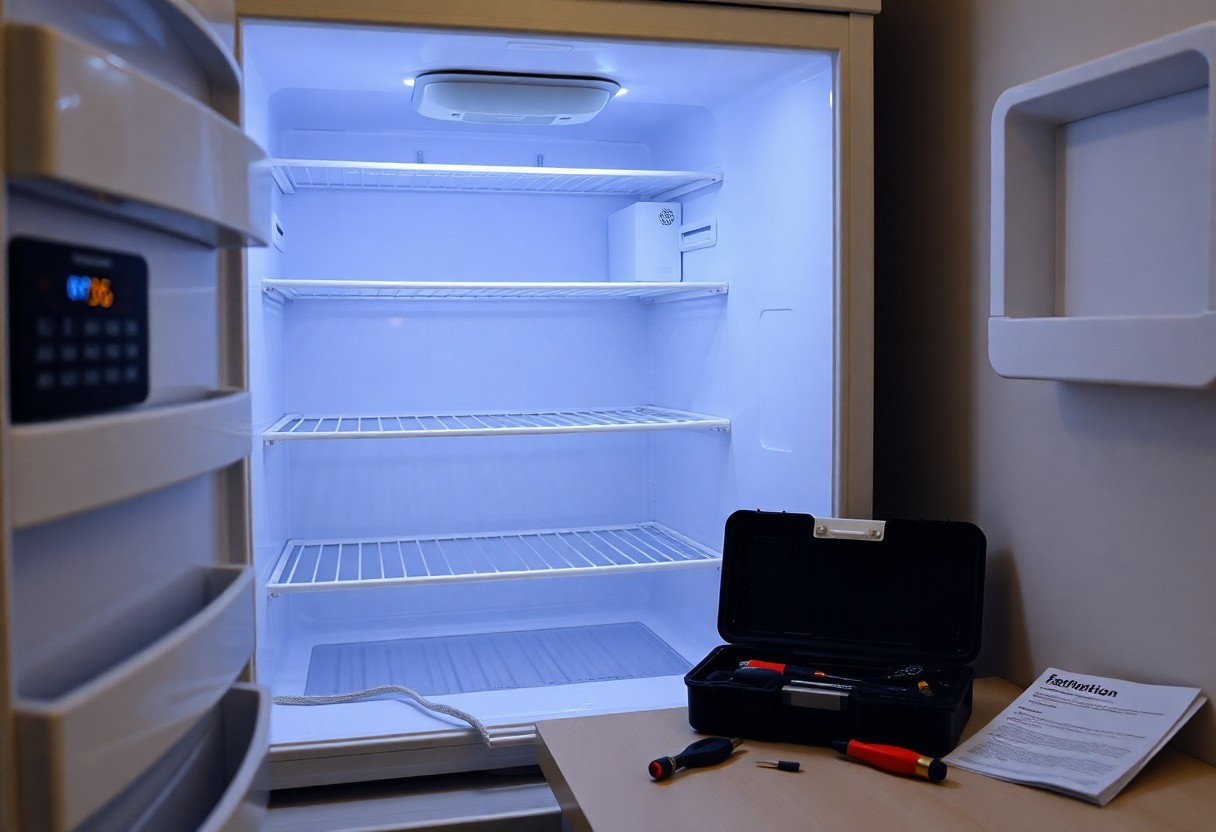
Some situations require more than a basic understanding of fridge mechanics. If you’ve tried all duct-tape solutions and your refrigerator is still unresponsive, seeking expert advice is your best course of action. Professional technicians possess specialized tools and knowledge to diagnose complex issues like refrigerant leaks or electrical failures. Their expertise not only speeds up the repair process but also ensures safety, as mishandling can lead to more significant problems.
Warning Signs That Require Expert Help
If you notice unusual sounds, persistent moisture buildup, or a strong burning smell, these are strong indicators that you should call a pro. A refrigerator shouldn’t emit loud clanking or grinding noises; these signals often hint at worn-out components. Also, if the appliance fails to maintain any temperature after you’ve attempted all basic fixes, don’t hesitate to seek professional evaluation.
Cost-Benefit Analysis of Repairs vs. Replacement
Weighing the costs of repair against the price of a new unit is integral to your decision. If repair costs are over 50% of the price of a new refrigerator, replacement becomes more financially sound. Additionally, consider factors like your fridge’s age; if it’s over 10 years old, newer models may offer better energy efficiency and features that can save you money in the long term.
Take into account both immediate and long-term costs when evaluating your fridge. For example, if a repair quote is $400 for a five-year-old fridge versus a new model priced at $900, the repair seems reasonable. However, if your fridge is near the end of its lifecycle and consistently incurs maintenance costs, investing in a new, energy-efficient model will likely save you money in the long run. Always assess warranties and energy ratings of potential replacements to ensure you’re making a wise investment.
Conclusion
Following this guide, you can effectively troubleshoot your fridge issues when the light is on but nothing is running. Start by checking the power supply, inspecting the settings, and ensuring the door seals properly. Cleaning the coils and examining the fan can also help restore functionality. These simple fixes often resolve common problems, allowing your fridge to operate efficiently once again.
FAQ
Q: Why is my fridge light on but the compressor isn’t running?
A: This could indicate a power supply issue, such as a blown fuse or tripped circuit breaker. Check your electrical panel to ensure that the fridge is receiving power. Also, inspect the power cord for any visible damage.
Q: What should I check if the refrigerator makes a clicking noise but doesn’t start?
A: A clicking noise may hint at a faulty starter relay or overload protector. These components help the compressor start. If they fail, the compressor may not receive the necessary power to operate. Consider replacing these parts.
Q: Could a dirty condenser coil affect fridge performance?
A: Yes, a dirty condenser coil can restrict airflow, causing the fridge to overheat and shut down temporarily. Clean the coils to improve efficiency and performance.
Q: How do I troubleshoot a malfunctioning thermostat in my fridge?
A: To check the thermostat, adjust it to a colder setting and listen for a clicking sound that indicates it is attempting to function. If the compressor does not start, the thermostat may be faulty and require replacement.
Q: Is there a way to reset my fridge if it’s not running?
A: You can reset the fridge by unplugging it for about 5 minutes, then plugging it back in. This action may reset the internal electronics and potentially resolve the issue.