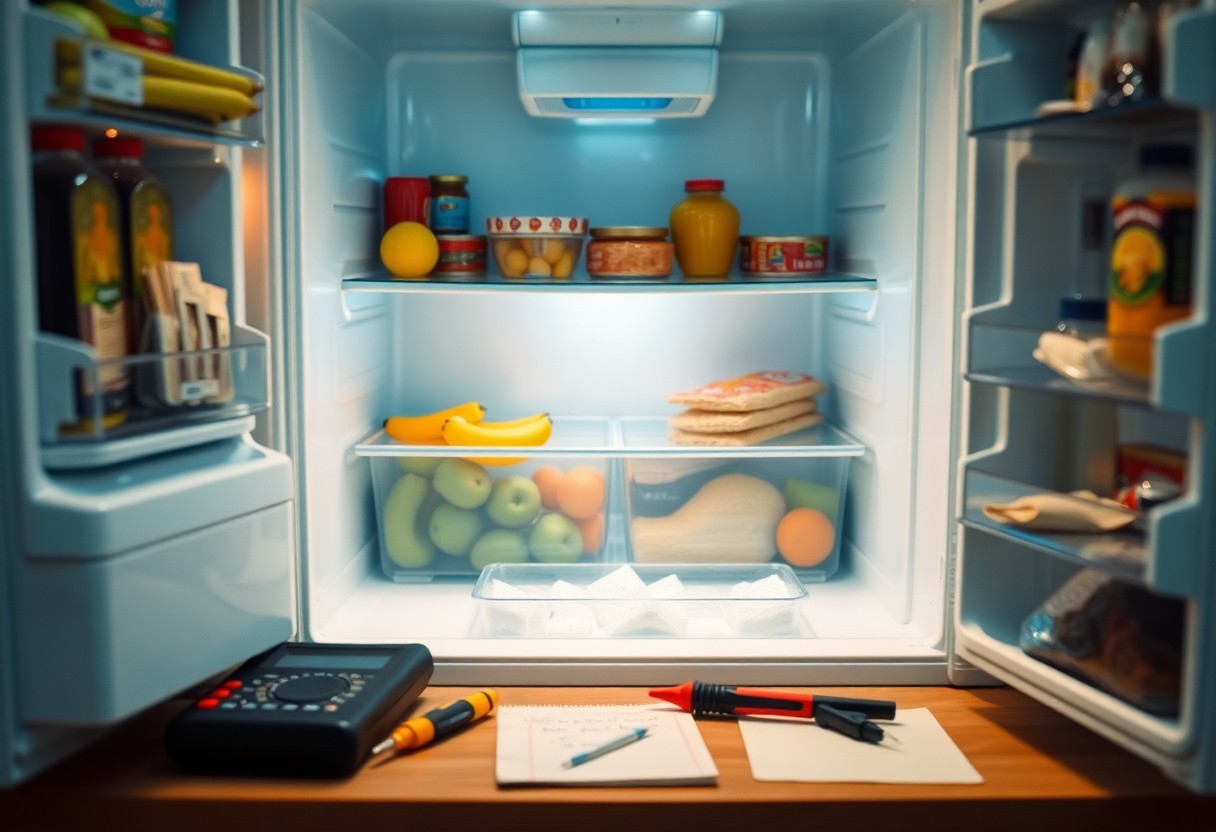
With a refrigerator that runs flawlessly but fails to produce ice, you may feel frustrated. Understanding the common issues can lead you to a simple fix. Check the water supply line for blockages, ensure the ice maker is turned on, and verify that the temperature settings are correct. If you notice that nothing is working except for the ice maker light in the door, troubleshooting resources like Nothing is working except for ice maker light in door… can guide you further.
Key Takeaways:
- Check the water supply line for clogs or kinks that could inhibit water flow.
- Inspect the ice maker’s on/off switch and ensure it is in the correct position.
- Verify that the temperature settings are appropriate for ice production, typically around 0°F (-18°C).
The Icemaker’s Anatomy: Key Components Explained
Understanding your icemaker’s anatomy can significantly help in pinpointing issues. Each part plays a vital role in the ice production process, from the water inlet valve that supplies water, to the heating element that facilitates ice ejection. Familiarity with these components enables you to troubleshoot effectively when problems arise.
Understanding the Role of Each Part
Each component of your icemaker serves a specific function: the water inlet valve opens to allow water into the icemaker at the right moments; the ice mold shapes the water into cubes; and the thermostat monitors temperature to determine when to freeze or eject the ice. Knowing these roles helps you identify which part may be malfunctioning.
Common Mechanical Failures
Mechanical failures in icemakers can stem from various components, often leading to inadequate or no ice production. Common issues include malfunctioning water inlet valves that fail to open, resulting in no water flow, or defective ice molds that don’t freeze properly. Additionally, a broken thermostat can prevent the icemaker from signaling the heating element to release ice.
Issues such as a leaky water inlet valve may not only stop ice production but also cause water pooling inside your freezer. A faulty ice mold that fails to freeze may lead to soft or irregularly shaped ice, indicative of temperature-related issues. Identifying these failures is fundamental; if the water isn’t being filled correctly or if the ice isn’t being expelled, you can target your troubleshooting efforts effectively. Pay close attention to any unusual noises, which may indicate problems with the mechanism moving ice into your storage bin or with the heating element failing to release it properly.
Diagnosis Phase: Identifying the Root Cause
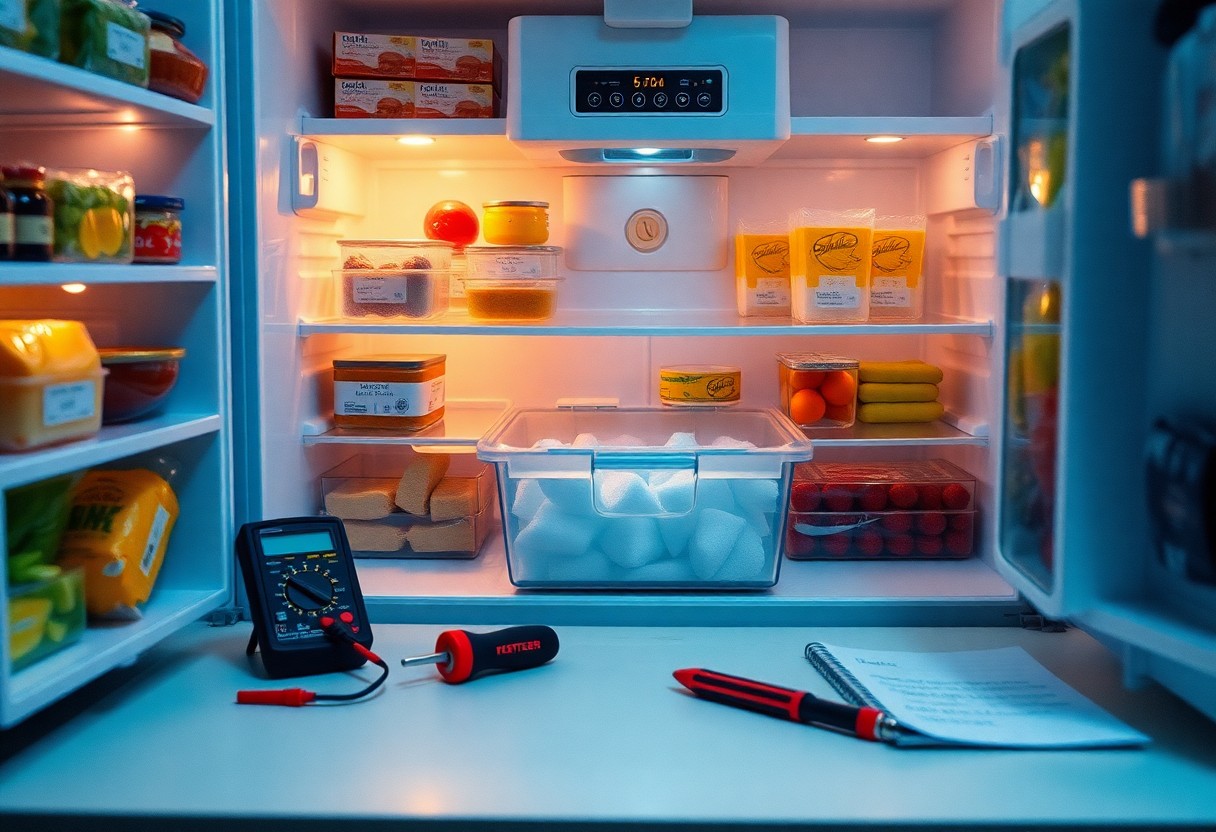
Begin by assessing your fridge’s performance. Ice production issues often stem from temperature discrepancies, improperly configured settings, or blockages. Use a methodical approach to isolate the problem, starting with the most apparent components. A thorough evaluation will help you pinpoint whether the defect lies within the fridge’s cooling abilities or its water supply system.
Assessing Temperature Settings and Thermostat Issues
Check the temperature settings inside your fridge and freezer. Ideal fridge temperatures hover around 37°F (3°C), while freezers should be at 0°F (-18°C). A malfunctioning thermostat can lead to incorrect readings and ultimately hinder ice production. Adjust settings to ensure optimal cooling and monitor the stability over a few days to identify fluctuations.
Temperature and Thermostat Assessment
| Ideal Fridge Temperature | 37°F (3°C) |
| Ideal Freezer Temperature | 0°F (-18°C) |
| Common Thermostat Issues | Inaccurate readings, mechanical failure |
Evaluating Water Supply Problems
Inspect the water supply line and connectors for kinks, leaks, or blockages that may disrupt the flow of water to your ice maker. Low water pressure can also hinder ice production, making it vital to ensure the water source is consistent and unobstructed.
A restricted water supply can stem from various sources. Clogs within the line, frozen sections, or even issues with the water filter can prevent adequate water flow. If you suspect a frozen line, check the area where the supply enters the fridge and use a hairdryer or warm cloth to gently thaw any frozen sections. Clean or replace filters regularly to avoid buildup that may impede water flow, and ensure the shut-off valve is fully open to maintain optimal pressure.
The Blockage Dilemma: Water Line and Valve Problems
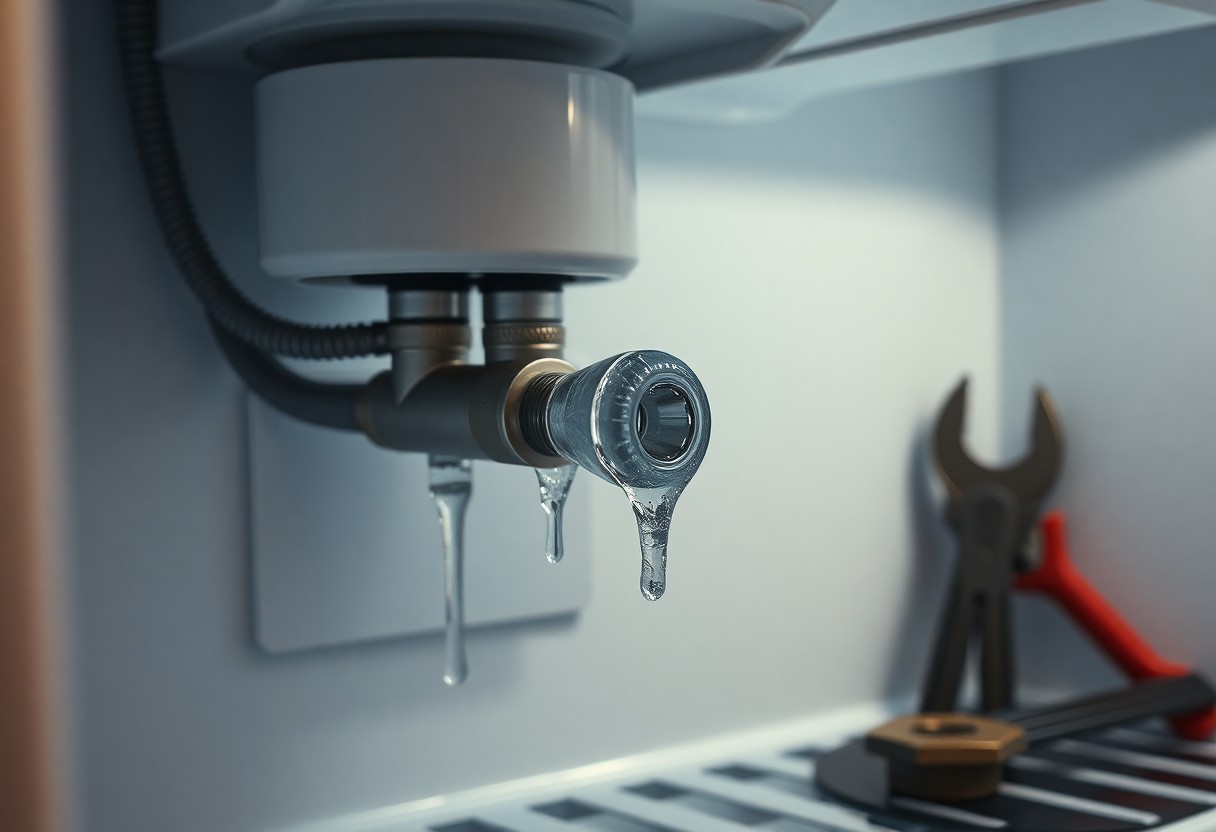
Issues with ice production often stem from blockages in the water line or problems with the water inlet valve. A frozen or kinked water line can obstruct the flow of water necessary for ice making. Similarly, a malfunctioning water inlet valve may prevent water from reaching the ice maker altogether. Identifying and resolving these blockages is vital for restoring your fridge’s ice-making capabilities.
Ice Clogs: Signs and Solutions
If you notice ice buildup in your ice maker or irregular ice shapes, blockage may be present. Clear signs include insufficient ice production or the presence of large blocks of ice that hinder operation. To resolve this, you can disconnect the water line, thaw any ice clogs with warm water, and ensure there are no kinks obstructing flow.
Checking the Water Inlet Valve Functionality
The water inlet valve controls the flow of water into the ice maker, and testing its functionality is key. First, ensure the valve is receiving power by checking for voltage with a multimeter. A reading of 120 volts indicates proper power supply. If there’s no power, the valve may need replacing. If it is powered but not functioning, debris or mineral buildup could prevent it from opening fully.
To further assess valve functionality, inspect the valve for any signs of damage or wear. Disconnect the supply line and check for any visible blockages. You can also test the valve by manually activating it to see if water flows through when energized. If the valve remains unresponsive or if water flow is inconsistent, replacing it is necessary to restore proper operation. Regular maintenance on these components can enhance their durability and performance.
Maintenance Matters: Preventive Techniques for Longevity
Proper maintenance of your fridge’s ice maker is key to preventing issues that hinder ice production. Routine cleaning, along with regular checks of the components, can extend the lifespan of your machine and ensure consistent performance. Pay attention to the manufacturer’s recommendations for maintenance schedules and practices to keep your appliance operating efficiently.
Efficient Cleaning Practices for Ice Makers
Cleaning the ice maker should be part of your regular upkeep routine. Start by turning off the ice maker and removing any accumulated ice. Clean the interior with a mild detergent and water, avoiding abrasive materials that can damage components. Regularly check the water filter and replace it as needed to prevent impurities from clogging the system.
Regular Inspections and Component Checks
Conducting regular inspections of your ice maker allows you to catch potential issues before they escalate. Focus on components like the water fill valve, ice tray, and any seals. Look for signs of wear or damage, and ensure everything is securely connected. Even something as minor as dirt buildup can impede performance and lead to bigger problems.
Your ice maker’s efficiency relies heavily on regular inspections of critical components. Check the water supply line for leaks and clogs, as these can restrict water flow and reduce ice production. Additionally, monitor the temperature settings within the freezer to ensure optimal ice formation. Addressing issues like worn seals or malfunctioning motors promptly can prevent larger repairs down the line, saving you time and money in the long run.
When to Call in the Pros: Recognizing Irreparable Issues
Some ice-making problems exceed DIY fixes and require professional intervention. If your fridge still fails to produce ice despite checking common causes like clogged filters or faulty connections, it might indicate serious issues, such as a malfunctioning evaporator or compressor. Additionally, if you notice unusual noises, persistent leaks, or significant temperature fluctuations, these could be signs of significant malfunction. A swift call to a professional can save you time and prevent further damage.
Signs Indicating Professional Help is Needed
Unexplained leaks, strange noises, or inconsistent cooling are solid indicators that your ice maker issue may require expert attention. A lack of ice production paired with these symptoms often suggests underlying problems that could worsen if left unattended. Ignoring these signs can lead to costly repairs or even the need for a complete replacement of your fridge.
Avoiding Costly DIY Missteps
Attempting to fix complex ice maker issues without the proper skills can lead to greater damage, increased costs, and safety risks. Many enthusiasts unintentionally overlook critical components or misdiagnose issues, requiring more extensive repairs later. Lack of experience can also mean failing to observe safety protocols, such as turning off power before servicing electrical parts, putting you at risk.
Relying solely on DIY methods might seem like a cost-effective solution, but the potential for error often outweighs the benefits. For example, if you misdiagnose a faulty thermostat as merely needing cleaning, you could waste hours on an ineffective fix while the real issue escalates. Exploring online guides can be helpful, but nuanced problems often require knowledge that comes from experience. Ideally, professional technicians can accurately diagnose and fix issues swiftly, preventing further expenses down the line.
Summing up
Taking this into account, if your fridge operates well but fails to make ice, systematically check the water supply, freezer temperature, and any potential blockages in the ice maker. Inspect the water filter and ensure it’s properly installed and not clogged. Your fridge’s ice-making functionality may also require resetting or a thorough cleaning. By following these steps, you can effectively pinpoint and resolve the issue, restoring full functionality to your appliance and ensuring a consistent supply of ice when you need it.
FAQ
Q: Why is my fridge cooling properly but not making ice?
A: If your fridge is cooling well, but the ice maker is not functioning, check the water supply line. Ensure it is connected securely and not kinked or frozen. Also, examine the water filter; a clogged filter can restrict water flow to the ice maker.
Q: What should I do if the ice maker is not getting power?
A: Ensure that the ice maker unit is turned on. Check for any blown fuses or tripped circuit breakers in the electrical panel. If the ice maker has a separate power switch, confirm that it is in the “on” position.
Q: How can I tell if the ice maker is defective?
A: Listen for the sound of the ice maker cycling; if you don’t hear any activity, it may be defective. Inspect the ice maker for any visible damage or ice buildup. If troubleshooting does not resolve the issue, consider contacting a professional for testing.
Q: Why are ice cubes sticking together or coming out malformed?
A: Ice cubes may stick together due to excess humidity in the freezer or improper temperature settings. Ensure the freezer is at the correct temperature (generally 0°F or -18°C) and check for any airflow restrictions that may be affecting ice formation.
Q: How often should I clean the ice maker and what is the process?
A: Clean the ice maker every six months to prevent buildup and maintain efficiency. To clean, unplug the unit, remove any remaining ice, and use a mixture of warm water and vinegar to wipe down surfaces. Rinse thoroughly and allow to dry before using it again.