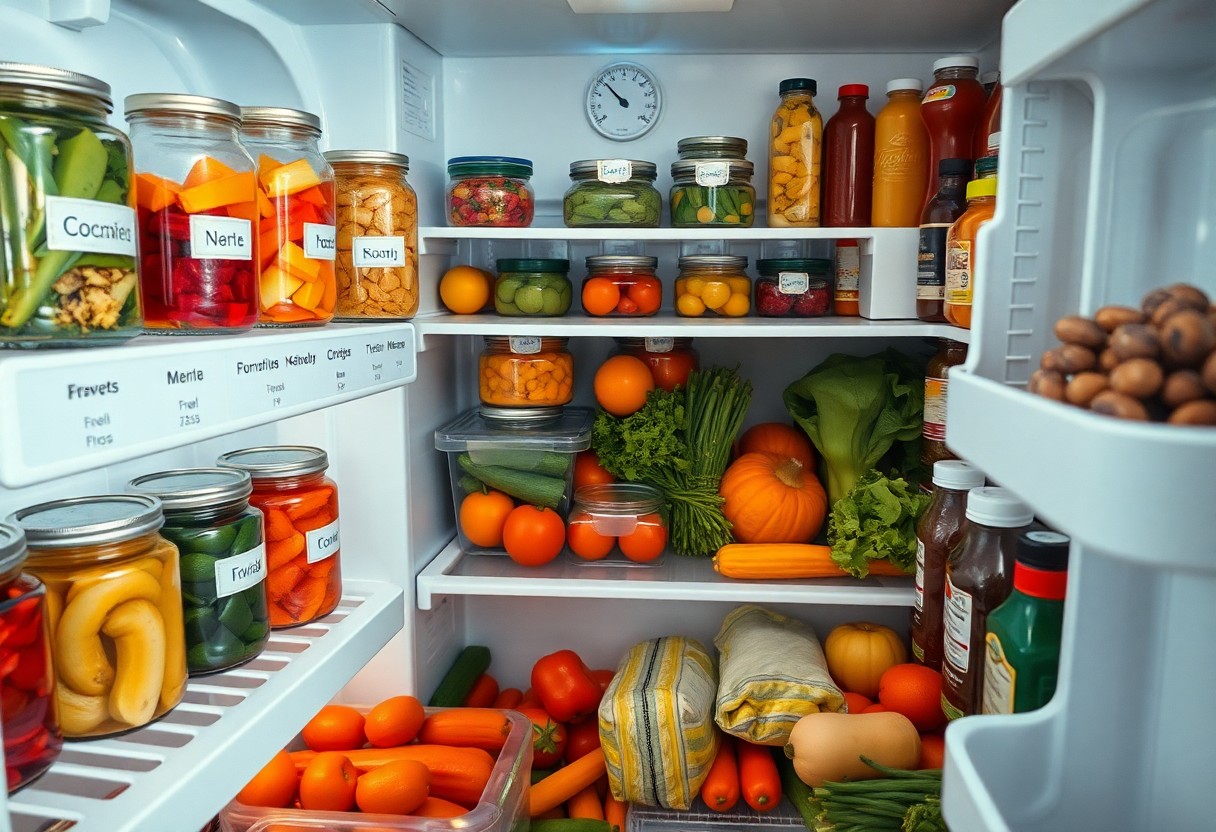
Over time, improper storage can lead to food spoilage and waste. To ensure your leftovers remain fresh and safe to eat, you should follow some best practices for refrigeration. From using the right containers to organizing your fridge efficiently, you can optimize your food storage methods. This guide will equip you with the knowledge to extend the life of your meals, preventing unwanted bacteria growth and making meal planning a breeze. Let’s look into the best ways to store your leftovers for maximum flavor and safety.
Key Takeaways:
- Use airtight containers to prevent moisture loss and keep food fresh longer.
- Label containers with date and contents for easy identification and rotation.
- Store leftovers in smaller portions to promote quicker cooling and easier reheating.
Mastering the Pantry: The Role of Proper Storage Containers
Utilizing the right storage containers can significantly enhance your pantry organization. Opt for stackable and transparent containers to maximize space and visibility, making it easier to find what you need quickly. Invest in airtight lids to keep your ingredients fresh longer. For innovative tips, check out This Pro Organizer’s $7 Storage Trick Transformed My Fridge for insight into maximizing storage efficiency.
Choosing the Right Materials: Glass vs. Plastic
Glass containers offer a non-toxic, microwave-friendly option, making them great for reheating leftovers without leaching chemicals. They also provide a more sustainable choice over time due to their durability. Plastic containers, however, tend to be lighter and less prone to breakage, which is ideal for on-the-go storage. Consider your use case and preferences when deciding between the two materials.
Labeling Essentials: Avoiding Confusion and Waste
Effective labeling prevents food mix-ups and waste, allowing you to keep track of what’s fresh. Use waterproof labels or chalkboard markers for easy visibility, and include dates and contents. This simple method can save you from preparing expired leftovers or ending up with mystery containers.
Labeling not only helps in identifying contents but also plays a vital role in food safety. By including dates, you can easily monitor how long items have been stored, reducing the risk of consuming spoiled food. Consider using color-coded labels for different categories, such as meals, snacks, or ingredients. This visual system aids in quick recognition and enhances overall pantry efficiency, ensuring you make the most of your food without letting anything go to waste.
The Science of Cooling: How Temperature Affects Food Preservation
Cooling your food properly slows bacterial growth and extends shelf life. Bacteria thrive in the danger zone, a temperature range from 40°F to 140°F. Keeping your fridge at the right temperature not only preserves flavor but also prevents foodborne illnesses, ensuring that your leftovers remain safe to eat.
Temperature Effects on Food Preservation
| Temperature Range (°F) | Food Safety Impact |
|---|---|
| Above 140 | Bacteria thrive rapidly |
| 40 – 140 | Danger Zone for bacteria growth |
| Below 40 | Slows bacterial growth |
The Ideal Temperature Range for Leftovers
Your fridge should ideally be set at 38°F to 40°F. This temperature range effectively slows down the growth of harmful bacteria while keeping your food fresh. Use a fridge thermometer to ensure optimal temperatures, and check often to avoid unexpected spoilage.
Ideal Fridge Temperature for Leftovers
| Temperature (°F) | Recommended Action |
|---|---|
| 38 – 40 | Optimal storage for leftovers |
| Above 40 | Check and adjust the temperature |
Preventing Cross-Contamination in Your Fridge
Cross-contamination occurs when safe food comes into contact with harmful bacteria from other foods. To avoid this, store leftovers in sealed containers and place them on separate shelves or at the back of the fridge. Keep raw meats on the bottom shelf to prevent juices from dripping onto other items, ensuring your leftovers remain safe for consumption.
Use designated containers for raw and cooked items to maintain food safety. Labeling leftovers with dates helps you prioritize consumption, reducing the risk of spoilage. Organize your fridge methodically; place frequently used items at eye level to minimize the time the fridge is open, further ensuring stable temperatures. Regularly cleaning your fridge also eliminates residues that can lead to contamination.
The Best Practices for Organizing Your Fridge
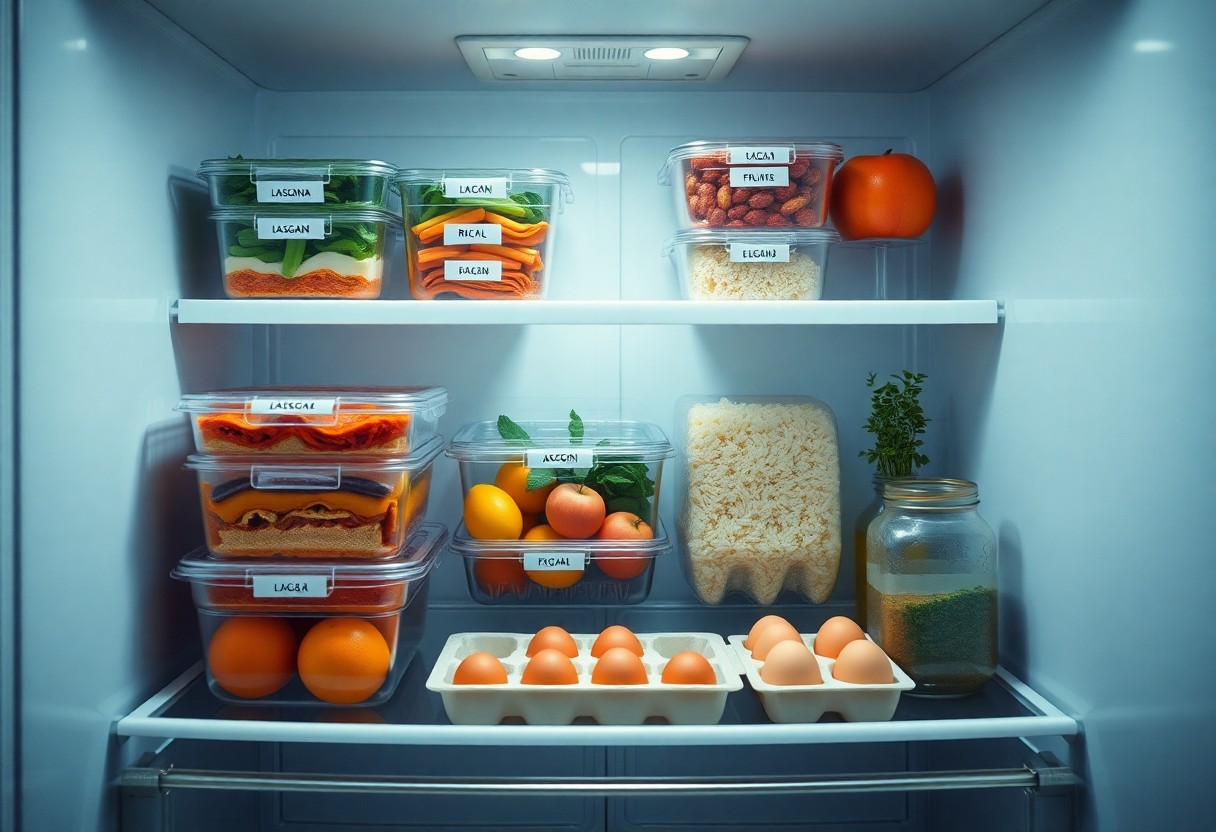
Organizing your fridge efficiently maximizes food preservation and prevents spoilage. By categorizing your items, you streamline access and maintain visibility, ensuring that nothing gets lost in the back. Position frequently used items at eye level and place perishables like dairy and meat in the coldest zones. This method not only promotes freshness but also encourages mindful consumption and waste reduction.
Zones: Creating Designated Areas for Different Food Types
Establishing specific zones for different categories of food within your fridge enhances organization and preservation. Assign areas for produce, dairy, meat, and condiments to avoid cross-contamination and extend shelf life. A practical setup might include:
| Zone | Purpose |
| Top Shelves | Store condiments and drinks |
| Middle Shelves | Keep dairy and ready-to-eat items |
| Bottom Shelves | Place meat and poultry |
| Drawers | Store fruits and vegetables |
| Fridge Door | Hold butter and condiments |
Perceiving each section’s purpose allows you to quickly find what you need while ensuring your food stays fresh longer.
FIFO Method: First In, First Out – Ensuring Freshness
Applying the FIFO method keeps your food supply fresh and reduces waste. Rotate your stocked items so that the oldest ones are at the front and the newer ones at the back. This strategy is particularly effective for perishables, preventing them from being forgotten and spoiled. You’ll be surprised how much longer your items last when you prioritize using what you’ve stored first.
Implementing the FIFO method involves simple practices like labeling and arranging your items consistently. By designating a specific spot for each type of food, you create a visual cue to help you utilize older items first. Utilizing clear storage containers or labels can also motivate you to check your inventory regularly. Essentially, this approach encourages a proactive attitude toward your food, minimizing waste and optimizing freshness.
Creative Uses for Leftovers: Redefining Your Cooking Experience
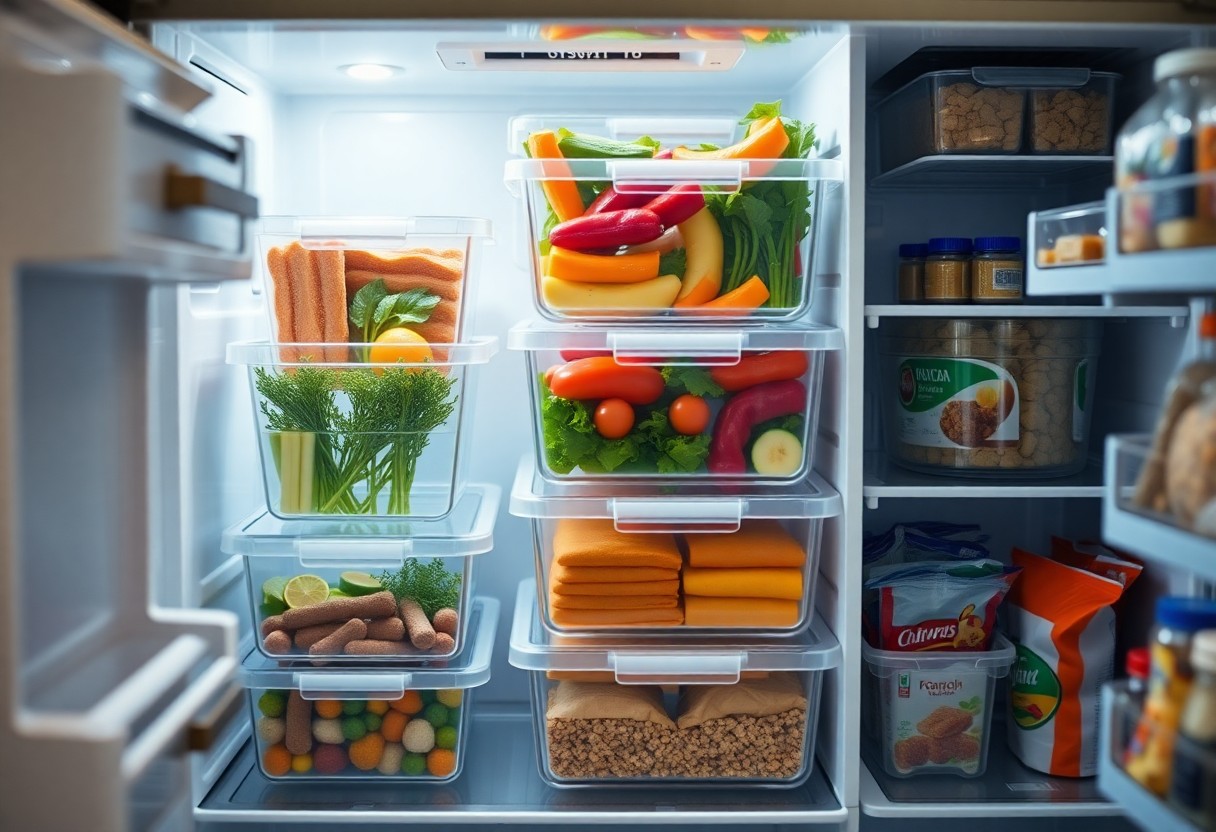
Incorporating leftovers into your meals not only minimizes waste but also sparks creativity in your cooking. Think of leftover roasted vegetables as the base for a hearty soup or last night’s grilled chicken as a tasty addition to a fresh salad. Each dish can be reinvented, bringing fresh flavors and textures while saving you time and effort in the kitchen.
Transforming Yesterday’s Meals into New Delights
Leftovers can become the foundation for exciting new dishes. A simple pasta can morph into a savory bake, combining your extra sauce and proteins with cheese for a melty finish. Highlighting the versatility of your ingredients allows you to explore culinary creativity, turning what may seem like monotony into a delicious adventure.
DIY Freezer Meals: Preparing for Busy Days Ahead
Creating DIY freezer meals is a strategic way to ensure you always have homemade options on hand. By prepping in larger batches, you can portion out meals into suitable containers, which not only saves time but also helps in maintaining healthy eating habits on hectic days.
Choose meals that freeze well, such as casseroles, soups, and stews. Freeze in airtight containers, leaving room for expansion as liquids freeze. Label each meal with the date and contents for easy identification. For ideal results, consume within 3-6 months. This approach not only streamlines your cooking process but also provides comforting, home-cooked meals at a moment’s notice, ensuring you maintain balance even during the busiest of times.
Troubleshooting Common Leftover Issues
Leftovers can occasionally present challenges, from unexpected spoilage to lackluster flavors. Recognizing these common issues can save you both time and food waste. Addressing spoilage signs early and finding creative ways to use less fresh foods will ensure that you get the most from your kitchen efforts and minimize waste.
Signs of Spoilage: Knowing When to Discard
Identifying spoilage is crucial to prevent foodborne illnesses. Look for unpleasant odors, mold growth, or a slimy texture as telltale signs that your leftovers have gone bad. Additionally, any significant change in color may indicate spoilage. If in doubt, it’s safer to err on the side of caution and throw the food away.
How to Revive or Repurpose Less-Than-Fresh Leftovers
Transforming less-than-fresh leftovers can breathe new life into meals. You might consider adding them to soups or stews, where seasoning and moisture can enhance their taste. Stir-frying with fresh vegetables and sauces can also disguise any unappealing texture, making your dish delightful once again.
For example, stale bread can become delicious croutons or bread crumbs when seasoned and toasted, while wilted vegetables can be tossed in a stir-fry or omelet for added nutrition. Sauces like barbecue or teriyaki can complement leftover meats, making them flavorful again. Utilizing spices and fresh herbs can further elevate any dish, turning potential waste into a gourmet experience. Always assess the safety of your food first, but there are countless ways to creatively and effectively revive leftovers and reduce waste.
To wrap up
Summing up, effective leftover storage not only helps maintain the quality and safety of your food but also minimizes waste and saves money. Use airtight containers to keep your food fresh for longer, and label them with dates to track freshness. Organize your fridge so that older items are easily accessible, ensuring you consume them first. Adjust your fridge temperature to below 40°F to inhibit bacterial growth. By following these practices, you can master the art of leftover storage, making your meals last and your cooking more efficient.
FAQ
Q: How should I cool down leftovers before storing them in the fridge?
A: Allow hot leftovers to cool down to room temperature for about 1-2 hours before placing them in the fridge. This helps prevent raising the temperature inside the fridge, which can lead to spoilage of other foods.
Q: What type of containers are best for storing leftovers?
A: Use airtight containers made of glass or BPA-free plastic. These materials help keep food fresh and prevent odors from spreading. Avoid using aluminum foil or wrap for long-term storage.
Q: How long can I safely keep leftovers in the fridge?
A: Leftovers should be consumed within 3-4 days when stored in the fridge. After that, they may become unsafe to eat.
Q: Is it okay to store leftovers in the same container as their original dish?
A: It’s best to transfer leftovers to separate, airtight containers. This helps maintain freshness and prevents cross-contamination with other foods in the fridge.
Q: How should I label my leftover containers?
A: Use masking tape or labels to mark the date and contents on each container. This practice helps track freshness and prevents food waste.